There’s something quietly powerful about a pot of rice on the stove. It doesn’t demand attention the way a roast does, and it doesn’t require a culinary degree to get right. Yet when it’s done well — seasoned with intention, paired with the right flavors — it becomes the kind of meal that people request again and again without quite knowing why. Rice is the great equalizer of the dinner table.
I’ve cooked rice in tiny apartment kitchens, professional settings, and everything in between. What I’ve learned is this: the simplest dishes are the ones that teach you the most. Rice forces you to slow down, to trust the process, and to understand that great food rarely needs to be complicated.
These easy rice recipes for dinner are designed for real life. Busy evenings, limited pantry supplies, and hungry families — this collection covers all of it. Whether you’re building a one-pot meal or a fragrant side dish, each recipe here is tested, trusted, and genuinely delicious.
If you’ve ever thought rice was boring, these recipes are about to change that. Pull out your pot, and let’s get into it.
Ingredients You’ll Need
You don’t need a fully stocked chef’s pantry to make dinner feel special — sometimes all it takes is rice, a handful of aromatics, and a few pantry staples that have been quietly waiting for exactly this moment.
One of the things I love about this recipe is that it uses simple pantry ingredients. You probably already have most of them in your kitchen.
Base Ingredients:
- 2 cups long-grain white rice (or basmati rice)
- 3½ cups chicken broth (or vegetable broth for a vegetarian version)
- 2 tablespoons olive oil or unsalted butter
- 1 medium yellow onion, finely diced
- 4 cloves garlic, minced
- 1 teaspoon salt
- ½ teaspoon black pepper
- ½ teaspoon cumin
- ½ teaspoon paprika
- 1 bay leaf
Optional Add-ins:
- 1 cup canned chickpeas, drained and rinsed
- ½ cup frozen peas
- 1 medium carrot, diced
- ½ cup diced tomatoes (fresh or canned)
- 1 tablespoon fresh lemon juice
- 2 tablespoons fresh parsley or cilantro, chopped
- ¼ teaspoon red chili flakes
- ½ cup shredded rotisserie chicken
Step-by-Step Instructions
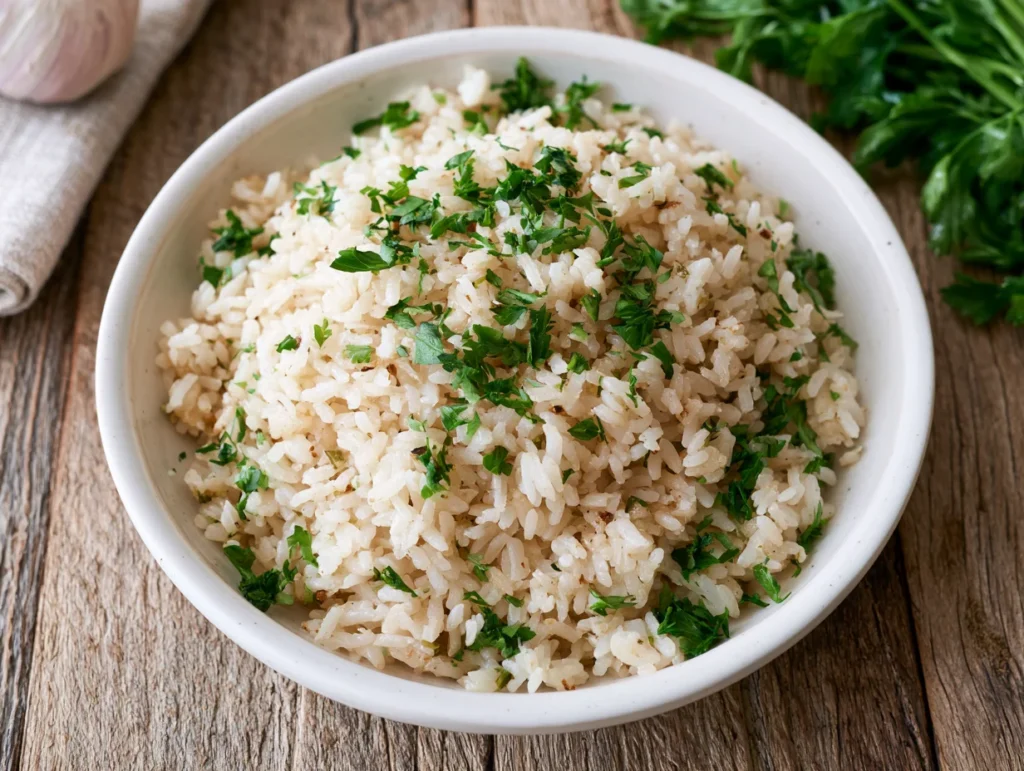
Step 1: Rinse and Rest the Rice
Measure your rice and place it in a fine-mesh strainer. Rinse under cold running water for about 60 seconds, moving the grains gently with your fingers, until the water runs mostly clear. This removes excess surface starch that can make rice gummy and clumped. Once rinsed, let it drain and rest for about 5 minutes. This brief resting period helps the grains absorb heat more evenly during cooking, which results in a fluffier, more separated texture in the final dish.
Step 2: Sauté the Aromatics
Heat olive oil or butter in a heavy-bottomed pot or Dutch oven over medium heat. Once shimmering, add the diced onion and cook for 4 to 5 minutes, stirring occasionally, until it turns soft and translucent. Add the minced garlic and cook for another 60 seconds until fragrant. Season with cumin and paprika at this stage and stir everything together for about 30 seconds. Toasting the spices directly in the oil unlocks their depth and prevents that flat, raw-spice flavor that plagues under-seasoned rice dishes.
Step 3: Toast the Rice
Add the drained rice directly into the pot with the aromatics. Stir continuously for 2 to 3 minutes over medium heat. The goal here is to lightly toast the grains in the oil, coating each one evenly. You’ll notice the rice starting to take on a slightly golden color and a warm, nutty aroma — that’s exactly what you want. This toasting step creates a subtle barrier on each grain that helps it cook through without becoming mushy. It’s a small move that makes a noticeably big difference in texture.
Step 4: Add Broth and Simmer
Pour in the chicken or vegetable broth and add the bay leaf, salt, and black pepper. Stir once to combine and bring the liquid to a full boil over medium-high heat. Once boiling, immediately reduce the heat to the lowest setting your burner allows. Place the lid firmly on the pot and let it cook undisturbed for 18 minutes. Resist the urge to lift the lid — every time you peek, you release steam that the rice needs to cook properly. Trust the process and set a timer so you don’t forget.
Step 5: Add Optional Ingredients and Rest
If you’re using optional add-ins like frozen peas, chickpeas, or diced carrots, stir them in gently during the last 3 minutes of cooking with the lid on. Once the timer goes off, remove the pot from heat entirely, keeping the lid on, and let the rice rest for 10 minutes. This rest is non-negotiable — it allows the remaining steam to finish the cooking gently and lets the grains firm up and separate beautifully. When you finally lift the lid, you’ll be greeted with perfectly steamed, fluffy rice.
Step 6: Fluff, Finish, and Serve
Remove the bay leaf and discard it. Using a fork (not a spoon), fluff the rice with light, sweeping strokes from the edges toward the center. A fork prevents you from mashing the grains as a spoon would. Squeeze fresh lemon juice over the top if using, then scatter the fresh herbs across the surface. Give it one final gentle fold and taste for seasoning — add a pinch of salt if needed. Serve immediately, either as a complete one-pot dinner or alongside your protein of choice.
Cook Time
Total:
Approximately 40 minutes
Prep:
10 minutes
Bake:
30 minutes (stovetop simmer and rest)
Servings
This recipe comfortably serves four people as a main dish, especially when loaded with the optional add-ins like chickpeas, vegetables, or shredded chicken. As a side dish alongside grilled protein or roasted vegetables, it can easily stretch to serve five or six.
Makes approximately 4 to 6 servings depending on portion size and add-ins used.
Leftovers reheat beautifully, which means this recipe is also ideal for meal prep. A single batch made on Sunday evening can carry you through two or three weeknight dinners with almost no additional effort — just reheat with a splash of broth to revive the moisture.
Common Mistakes in This Recipe
Not rinsing the rice is one of the most common errors home cooks make. Skipping this step leaves excess surface starch on the grains, which causes them to stick together and turn gluey once cooked. Many people skip rinsing because they’re in a hurry, but it takes less than two minutes and makes a significant difference in the final texture.
Lifting the lid during cooking is another habit that quietly ruins otherwise well-prepared rice. Every time the lid comes off, trapped steam escapes, disrupting the carefully maintained moisture balance inside the pot. The rice needs that steam to cook evenly from top to bottom. Patience here is not optional — it’s part of the technique.
Using too much heat after the initial boil causes the bottom layer of rice to scorch while the top remains undercooked. Once the liquid comes to a boil, the heat must be dropped immediately and fully to the lowest setting. Many stoves run hot on their “low” setting, so if you notice crackling sounds near the end, slide the pot to a smaller burner.
Skipping the resting period after cooking is perhaps the most underestimated mistake. Many people pull the lid off immediately when the timer rings and wonder why the rice feels wet or dense. The 10-minute off-heat rest is where the final cooking happens — gently and evenly — and where the grains develop that distinct, separated texture.
Solutions to Common Mistakes
Always rinse your rice under cold water until the water runs nearly clear before cooking. This simple habit eliminates the gumminess problem entirely and costs you nothing but two minutes of time. Keep a fine-mesh strainer near your stove so it becomes a natural, automatic part of your prep routine rather than something you have to consciously remember.
Set a firm rule for yourself: the lid stays on from the moment you reduce the heat until the full 10-minute rest is complete. If you genuinely need to check progress, tilt the lid quickly and put it back. A glass lid is worth investing in if you cook rice frequently — it lets you see the liquid level without releasing steam.
If your stovetop runs hot, use a heat diffuser under the pot or stack two burner grates to create distance between the flame and the pot. Another reliable method is to transfer the covered pot into a 300°F oven for the simmering period, which provides more even, consistent heat than most residential stovetop burners can manage.
Trust the timer and resist the rice. Once you remove the pot from heat, leave it alone. Set a second timer for the 10-minute rest if needed. When that timer goes off, lift the lid, let the condensation drip back into the pot, and then fluff with a fork. This sequence, done consistently, produces reliably perfect rice every single time.
Nutritional Information (approx. per serving)
- Calories: 310 kcal
- Carbohydrates: 52g
- Protein: 7g
- Fat: 7g
- Saturated Fat: 1.5g
- Fiber: 2g
- Sugar: 2g
- Sodium: 480mg
- Iron: 8% DV
- Magnesium: 6% DV
Rice is a reliable, slow-burning source of complex carbohydrates that provides the body with steady energy over several hours rather than a quick spike and crash. For active individuals, families, or anyone needing sustained fuel through a busy evening, a well-prepared rice dinner is one of the most efficient meals you can put on the table.
The aromatics in this recipe — garlic, onion, cumin, and olive oil — contribute far more than flavor. Garlic contains allicin, a compound with well-documented antimicrobial and anti-inflammatory properties. Olive oil adds heart-healthy monounsaturated fats that support cardiovascular function and help the body absorb fat-soluble vitamins from the vegetables included in the dish.
When you add chickpeas or lean protein to this recipe, the nutritional profile improves significantly. Chickpeas bring plant-based protein and a meaningful amount of dietary fiber, both of which support satiety and digestive health. This combination makes the dish filling enough to work as a complete, balanced dinner rather than just a side.
Fresh parsley and lemon juice, while used in small quantities, provide a surprising nutritional uplift. Parsley is rich in vitamin K and vitamin C, while lemon juice aids in iron absorption — particularly useful when the meal is plant-based. These finishing touches are worth including, not just for flavor, but for what they contribute to the overall nutritional quality of the dish.
Storage Instructions
Allow the rice to cool to room temperature before storing, but don’t leave it out for more than two hours. Cooked rice left at room temperature for extended periods can develop bacterial growth, particularly Bacillus cereus, which survives cooking and can multiply rapidly in warm conditions. Once the steam has settled, transfer leftovers promptly.
Store cooled rice in an airtight container in the refrigerator for up to four days. When reheating, add one to two tablespoons of water or broth per cup of rice before microwaving, and cover loosely with a damp paper towel. This reintroduces moisture and prevents the grains from drying out or hardening. Stir once halfway through reheating to ensure even warming.
For longer storage, this rice freezes exceptionally well. Portion it into individual freezer-safe bags or containers, flattening the bags before sealing to remove excess air. Freeze for up to three months. To reheat from frozen, transfer to the refrigerator the night before, or microwave directly from frozen using short intervals of 60 to 90 seconds, stirring between each cycle until heated through.
Avoid refreezing rice that has already been thawed and reheated. Once it’s been through that cycle, the texture degrades significantly and food safety concerns increase. Portioning into single-serving containers before freezing makes this easy to manage and ensures you’re always reheating only what you need.
Suggestions
This rice dish works beautifully as the base of a build-your-own dinner bowl. Set it out alongside roasted vegetables, a simple cucumber yogurt sauce, sliced avocado, and any protein you have on hand — grilled chicken, sautéed shrimp, or baked tofu all pair naturally with the cumin-scented base. It’s an easy way to serve a complete, crowd-pleasing dinner without cooking multiple separate components.
For a more substantial one-pot version, brown ground beef or diced chicken thighs in the pot before adding the aromatics and rice. The protein renders fat into the pan, which seasons the entire dish as it cooks. This approach cuts down on dishes while adding depth and richness that transforms the recipe from a simple side into an unmistakably satisfying main course.
If you’re cooking for someone who doesn’t eat meat, the chickpea version stands completely on its own. Pair it with a bright tomato salad dressed with red wine vinegar and fresh herbs, and a wedge of warm flatbread on the side. The combination is both nutritionally complete and genuinely craveable — proof that plant-based weeknight dinners don’t require compromise or complicated techniques.
Don’t overlook this recipe as a base for fried rice the following day. Cold, day-old rice is actually ideal for frying because the grains have dried out slightly overnight, which means they absorb sauce without becoming mushy. Heat a wok or large skillet over high heat, add oil, toss in the cold rice, and season with soy sauce, sesame oil, and a beaten egg. Dinner is ready in under ten minutes.
Seasonal Relevance
In winter and late autumn, this recipe takes on a warming, comforting role at the dinner table. The cumin and paprika echo the earthy, grounding flavors of the season, and the broth-based cooking method produces a dish that feels deeply nourishing on cold evenings. Pair it with a slow-cooked stew or roasted root vegetables to lean fully into the season’s ingredients.
Spring is when this recipe benefits most from the optional add-ins. Fresh peas just coming into season, bright herbs straight from the garden, and a generous squeeze of lemon bring the dish into alignment with the lighter, fresher flavors that define spring cooking. It’s a wonderful way to use whatever is appearing at the farmers’ market without committing to a more complicated spring recipe.
In summer, this dish earns its place as a cool-kitchen dinner option. The stovetop cooking time is short and manageable, and the finished rice serves as an ideal base for grilled protein and summer produce. Dice ripe tomatoes, cucumber, and fresh corn directly over the top for a dinner bowl that feels seasonal and vibrant without requiring oven heat on a warm evening.
Come fall, the recipe’s spiced base pairs naturally with roasted butternut squash, caramelized onions, and warm dried fruits like raisins or cranberries. A handful of toasted pine nuts stirred in just before serving adds richness and a slight crunch that makes the dish feel festive enough for casual entertaining. Rice, it turns out, is the year-round kitchen companion that needs no seasonal justification.
Final Words
Easy rice recipes for dinner have earned their place in the permanent rotation of home kitchens for a reason that has nothing to do with convenience and everything to do with reliability. When you understand how rice behaves — what it needs from heat, from liquid, from time — you stop guessing and start cooking with confidence. That shift changes everything about how dinner feels.
This recipe isn’t just a formula to follow once and forget. It’s a foundation. Once you’ve made it several times and understand why each step matters, you’ll start adapting it intuitively — changing the spices based on what’s in the cabinet, swapping the broth for coconut milk, adding whatever vegetables need to be used up before they turn. That’s where the real creativity in home cooking lives.
The best meals aren’t always the most elaborate ones. They’re the ones that taste like effort even when they weren’t, the ones that make people at the table pause mid-bite and ask what you did differently. This rice recipe has that quality. It’s humble in its ingredients and honest in its technique, but the result is something that feels considered and complete.
Cook it once and see for yourself. Then adjust it, build on it, and make it yours. That’s the entire point.
Frequently Asked Questions
Can I use brown rice instead of white rice in this recipe?
Yes, but the cooking time and liquid ratio change significantly. Brown rice requires approximately 45 minutes of simmering and about ½ cup more broth than white rice. Everything else in the recipe — the aromatics, spices, and technique — remains the same. Adjust accordingly and trust the longer cook time.
What’s the best type of rice to use for a fluffy, non-sticky result?
Long-grain white rice or basmati rice produces the best texture for this style of cooking. Both varieties have a lower starch content than short-grain rice, which means they cook up drier and more separated. Avoid short-grain or sushi-style rice for this recipe, as those varieties are specifically designed to be stickier and clump together.
Can I make this recipe in a rice cooker instead of on the stovetop?
Absolutely. Sauté the onion and garlic in a separate pan, toast the spices, then transfer everything to the rice cooker with the rinsed rice and broth. Use your rice cooker’s standard white rice setting. The result will be very close to the stovetop version, though the bottom layer may be slightly softer. The aromatics still add excellent flavor regardless of the cooking method used.
