Over the years, I have learned that cooking steak well is less about complexity and more about control, and sirloin steak tips are a perfect example of that. When I prepare them, my focus stays on texture and precision rather than rushing the process. Each piece should develop a deep sear on the outside while staying tender and juicy inside. Many versions fall short because the heat is not managed properly or the meat is over handled. My approach stays simple but intentional. I pay attention to cutting, timing, and resting, because those details shape the final result. When handled with care, sirloin steak tips deliver a clean, balanced outcome that feels consistent every time. It is a method I rely on because it turns a straightforward cut into something dependable and refined.
Where Tenderness Gets Compromised
In my experience, most problems begin with how the steak is introduced to heat. I often see it added to a pan that is not hot enough, which causes the meat to release moisture instead of forming a proper sear. That moisture leads to steaming, and the texture becomes firm rather than tender. Another issue is overcooking. Sirloin is naturally lean, so extended cooking quickly dries it out. I have also seen uneven cutting create inconsistency, where smaller pieces overcook while larger ones remain underdone. Skipping the resting stage is another mistake that affects the final texture. Without resting, the juices escape instead of settling back into the meat. Each of these small decisions has a direct impact. Without control, the steak loses both its structure and its natural tenderness.
My Approach for Tender and Juicy Steak Tips
When I prepare sirloin steak tips, I begin with structure and patience. I cut the steak into evenly sized pieces so they cook at the same rate. Before cooking, I allow the meat to sit briefly at room temperature, which helps it cook more evenly. I heat the pan fully before adding oil, ensuring the surface is ready to sear. Once the steak is placed in the pan, I avoid moving it too soon. That first contact is where the crust begins to form. I cook in batches if needed to maintain spacing. Seasoning is applied with balance, enhancing the meat rather than covering it. Once cooked, I let the steak rest before serving. This allows the juices to redistribute, resulting in a final texture that stays tender and consistent.
Ingredients List
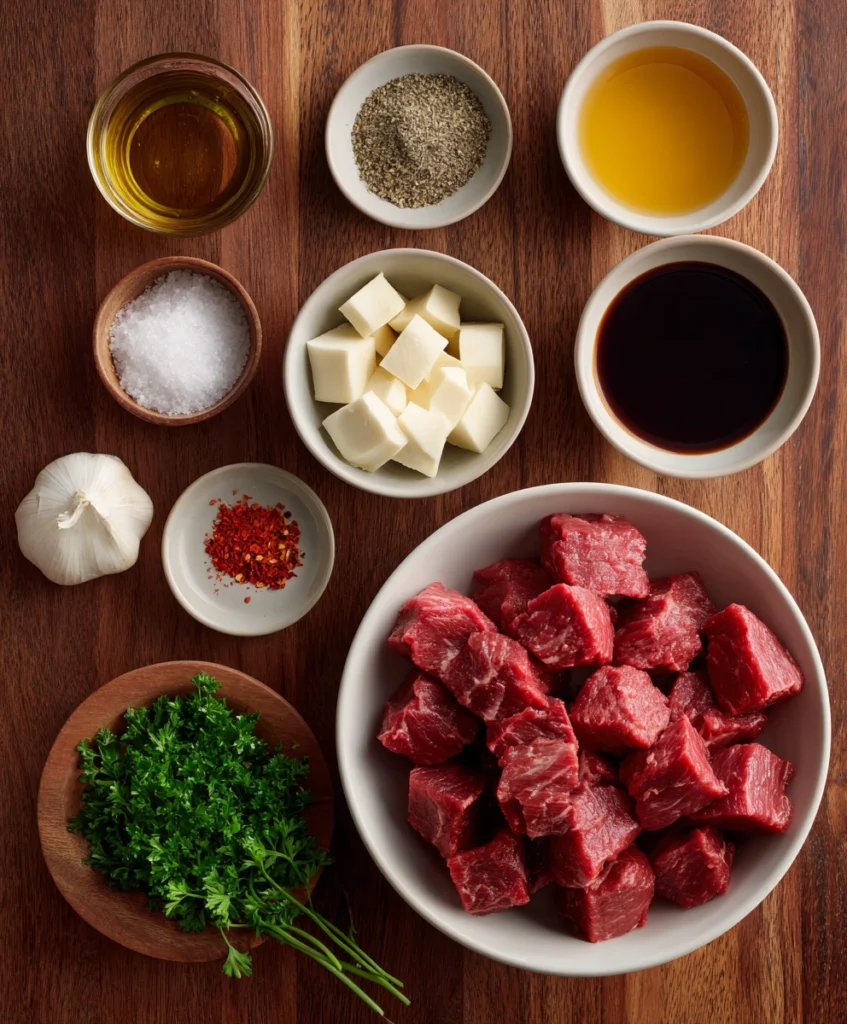
Base Ingredients:
- Sirloin steak, cut into bite sized pieces
- Cooking oil
- Salt
- Black pepper
Optional Add-ins:
- Garlic, minced
- Butter
- Fresh parsley
- Soy sauce
- Worcestershire sauce
- Chili flakes
Step-by-Step Instructions
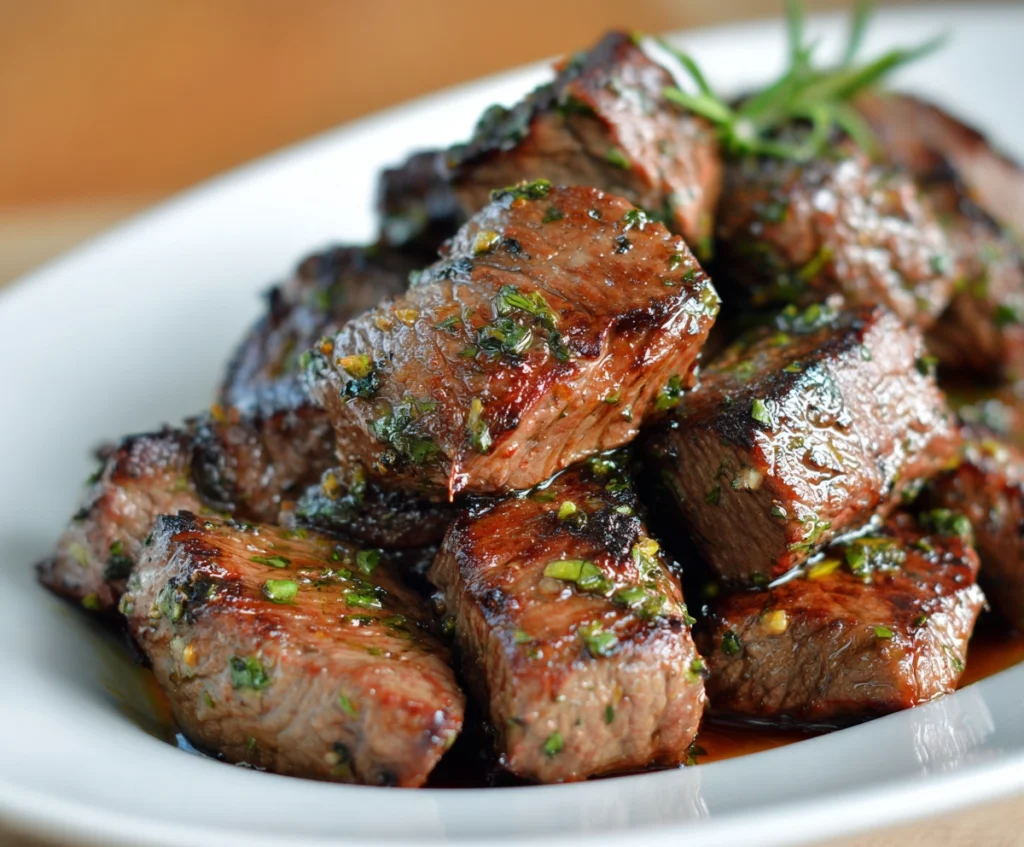
Prepare the Steak
I begin by selecting a fresh sirloin cut with a firm texture and good color. Using a sharp knife, I trim any excess fat and cut the steak into evenly sized pieces. Uniform size is something I always focus on because it directly affects how the meat cooks. I then pat the pieces dry with paper towels to remove surface moisture. This step helps achieve a proper sear later. I season lightly with salt and black pepper and allow the meat to rest briefly before cooking. Bringing it closer to room temperature ensures even cooking from edge to center. Preparation is not something I rush, because it defines the outcome. When the steak is handled properly at this stage, it responds better to heat and develops a balanced texture during cooking.
Heat the Pan Properly
I place a heavy skillet over medium high heat and allow it to warm gradually. Rushing this step often leads to uneven results, so I give the pan enough time to heat fully. Once ready, I add oil and let it warm until it begins to shimmer. That tells me the surface is prepared for searing. I add the steak pieces in a single layer, making sure they are not crowded. Space between each piece allows heat to circulate and prevents moisture buildup. I do not move the steak immediately. Letting it sit undisturbed is essential for forming a proper crust. The sound of steady sizzling confirms that the heat is correct. A well heated pan at this stage ensures the steak develops a strong outer layer while keeping the inside tender.
Sear and Cook with Control
Once the steak begins to cook, I focus on controlling movement rather than rushing the process. I allow the first side to sear fully before turning the pieces. Turning too early prevents proper browning, so timing is important. I flip the steak gently using tongs and continue cooking, making sure each side develops an even color. I keep the heat steady and avoid overcrowding, adjusting in batches if needed. If I use garlic or butter, I add them toward the end to avoid burning. I rely on visual cues rather than strict timing, watching for a rich brown surface and slight firmness. The goal is to keep the interior juicy while achieving a clean sear outside. Controlled cooking at this stage ensures each piece remains tender without losing structure.
Finish and Rest
Once the steak reaches the desired doneness, I remove it from the pan and allow it to rest for a few minutes. Resting is a step I never skip because it allows the juices to settle within the meat. Without it, the steak loses moisture and becomes less tender. During this stage, I may add a small amount of butter or herbs for balance. I avoid covering the steak tightly, as that can trap steam and affect the texture. When ready to serve, the steak should feel firm yet soft inside. The outer layer remains slightly crisp, while the inside stays juicy. This final step completes the process and ensures the steak maintains both its moisture and its overall structure.
Cook Time
Total: 25 minutes
Prep: 10 minutes
Bake: 15 minutes
Servings
When I prepare sirloin steak tips, I aim for portions that feel balanced and consistent across the plate. Typically, this recipe serves four people comfortably when paired with simple sides such as vegetables or grains. I ensure each serving includes evenly cooked pieces with a proper sear and tender texture. Portion size can be adjusted based on appetite, but maintaining uniform cuts helps preserve consistency. Serving the steak immediately after resting enhances both its texture and overall presentation. I also pay attention to how it is plated, keeping the arrangement clean so the quality of the meat stands out. With careful portioning, each serving delivers the same level of tenderness and balance that I aim for every time I prepare this dish.
Makes approximately 4 servings
Nutritional Information (approx. per serving)
- Calories: 320 to 380 kcal
- Protein: 30 grams
- Fat: 20 grams
- Carbohydrates: 2 grams
- Iron: High
From a nutritional standpoint, I consider sirloin steak tips a strong source of protein that supports muscle strength and recovery. The iron content contributes to energy levels and overall function in the body. When cooked with controlled fat, the dish remains satisfying without becoming too heavy. I often pair it with vegetables to create a more balanced meal. Proper portioning plays an important role in maintaining that balance. When prepared with care, the dish provides both nourishment and a sense of completeness without excess, making it suitable for regular meals as well as more structured dining.
Storage Instructions
I allow the steak tips to cool completely before storing them to prevent moisture buildup inside the container. Once cooled, I place them in an airtight container and refrigerate them for up to three days. When reheating, I prefer using a skillet over moderate heat rather than a microwave. Gentle reheating helps maintain the texture and prevents the meat from becoming dry. If needed, I add a small amount of liquid or butter to restore moisture. I avoid reheating for too long, as it affects tenderness. Freezing is possible, but it may slightly change the texture after thawing. With proper handling, the steak remains enjoyable and retains much of its original quality even after storage.
Suggestions
When I serve sirloin steak tips, I keep the focus on simplicity and balance. I often pair them with roasted vegetables, rice, or light sides that complement the texture without overpowering it. Adding fresh herbs at the end brings a clean finish to the dish. Sometimes I include a light sauce for additional depth, but I keep it minimal so the meat remains the highlight. Presentation is something I pay attention to, arranging the steak neatly to reflect its quality. Small adjustments in seasoning or pairing allow the dish to adapt to different meals. By keeping the approach controlled and thoughtful, the steak tips remain versatile while maintaining their core character.
Seasonal Relevance
I prepare sirloin steak tips throughout the year, adjusting how they are served based on the season. In colder months, I pair them with warm, hearty sides that complement their richness and provide a comforting meal. During warmer seasons, I serve them with lighter accompaniments such as fresh salads or grilled vegetables. The cooking method itself does not change, but the presentation adapts to the environment. I also incorporate fresh herbs depending on availability to enhance both aroma and appearance. This flexibility keeps the recipe practical and relevant at any time of year. By maintaining the same core technique while adjusting the surrounding elements, the dish remains balanced and consistent regardless of season.
Conclusion
Sirloin steak tips may appear simple, but in my experience, they require careful attention to detail to achieve the right result. Each step, from preparation to resting, plays a role in the final texture. I focus on balance and control, allowing the natural qualities of the meat to stand out. When handled properly, the steak develops a rich exterior while staying tender inside. It is a method I return to because it remains reliable and consistent. With practice, the process becomes intuitive, and the outcome reflects that precision. Whether served casually or as part of a more refined meal, the dish delivers a clean and satisfying result every time.
Frequently Asked Questions
Can I use a different cut of beef instead of sirloin?
Yes, other cuts like ribeye or tenderloin can be used, but they behave differently during cooking. Sirloin offers a good balance of tenderness and structure. When using another cut, I adjust cooking time slightly to match its fat content and texture so the final result remains controlled and consistent.
Should I season the steak before or after cooking?
I prefer seasoning lightly before cooking to allow the surface to develop flavor during searing. Additional seasoning can be adjusted after cooking if needed. This approach builds depth without overwhelming the meat and keeps the final taste balanced and clean.
How do I know when the steak is medium or well done?
I rely on touch and visual cues rather than exact timing. Medium steak feels slightly firm with some softness in the center, while well done feels fully firm. Watching the color and texture during cooking helps maintain control and prevents overcooking.
Can I cook steak tips in a non stick pan?
Yes, but I prefer a heavier pan because it holds heat better and creates a stronger sear. Non stick pans can work, but they may not achieve the same depth of browning. Maintaining steady heat is more important than the type of pan used.
Why is resting the steak so important?
Resting allows the juices inside the meat to settle and redistribute. If cut immediately, those juices escape, leaving the steak dry. Giving it a few minutes to rest helps preserve moisture and improves the overall texture, making each bite more tender and balanced.
