I’ve always believed that the soul of a great enchilada lies in its sauce. Over the years, I’ve tested countless variations, and one truth stands out,nothing compares to a homemade enchilada sauce crafted with care and precision.
Store-bought versions may save time, but they often lack the depth, balance, and authenticity that define true Mexican flavors. In my kitchen, this Authentic Enchilada Sauce Recipe has become a staple, delivering consistent, bold results every single time.
It’s simple, refined, and built on techniques I trust as a chef. If you’re looking to elevate your cooking and create something truly memorable, this is the sauce that will transform your enchiladas into a dish worth savoring.
? If you’re planning a full Mexican-style meal, don’t miss our Fresh and Cozy Chicken Enchiladas,it pairs perfectly with this homemade sauce and brings everything together beautifully.
Where Most Home Cooks Go Wrong with Enchilada Sauce
From my experience, one of the biggest mistakes I see home cooks make is rushing the process. Enchilada sauce isn’t just about mixing ingredients,it’s about building flavor deliberately. I’ve noticed many skip properly cooking the flour or fail to toast the spices, which results in a raw or flat-tasting sauce.
Another common issue is imbalance,too much chili powder can overpower everything, while too little leaves the sauce bland. I’ve also seen people pour in broth too quickly, creating lumps that ruin the texture.
These small oversights may seem minor, but they significantly impact the final result. In my kitchen, attention to these details is what separates an average sauce from one that truly stands out.
How I Ensure a Perfect Enchilada Sauce Every Time
When I make enchilada sauce, I focus on technique just as much as ingredients. I always begin by gently heating the oil and allowing the spices to bloom properly,this step alone makes a noticeable difference in depth of flavor.
I take my time with the roux, cooking it just enough to remove any raw taste without over-browning it. When adding broth, I pour it slowly while whisking continuously to keep the texture smooth and refined.
I also taste as I go, adjusting seasoning carefully rather than guessing at the end. Patience is key,I let the sauce simmer long enough for the flavors to fully develop. This method has never failed me, and it consistently produces a rich, balanced sauce.
Ingredients List
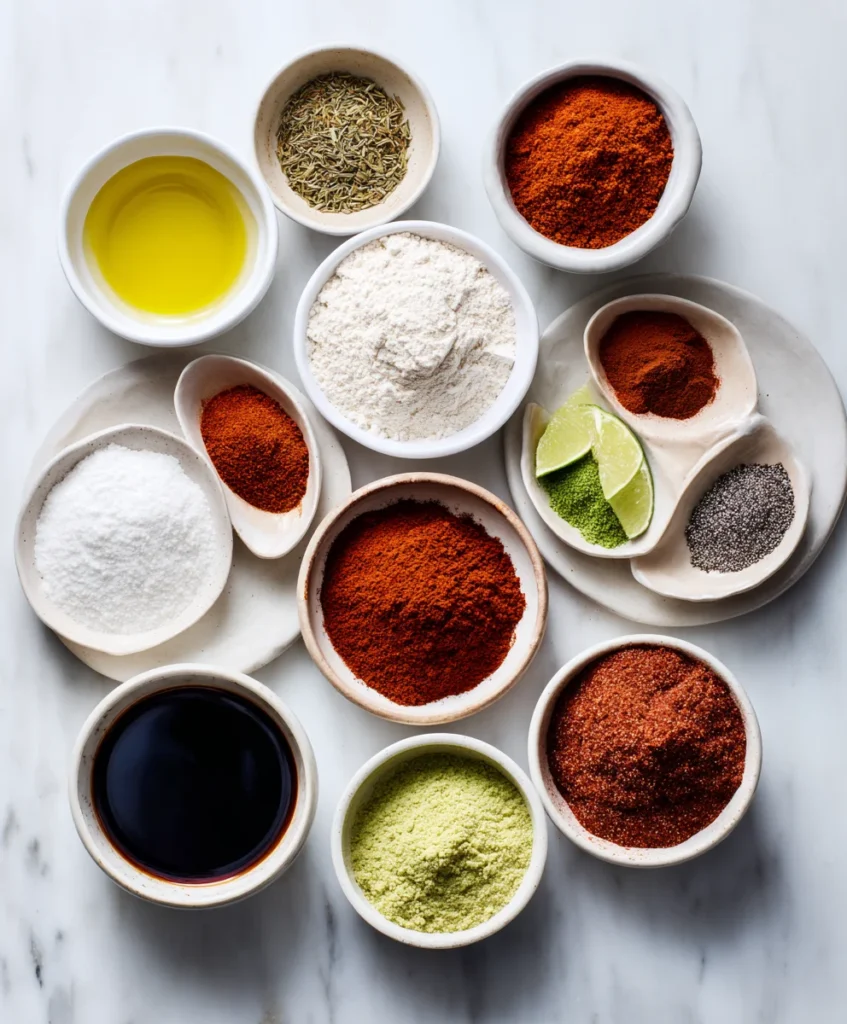
Base Ingredients:
- 2 tablespoons vegetable oil
- 2 tablespoons all-purpose flour
- 3 tablespoons chili powder
- 1 teaspoon ground cumin
- 1 teaspoon garlic powder
- ½ teaspoon dried oregano
- 2 cups chicken or vegetable broth
- 1 tablespoon tomato paste
- Salt to taste
Optional Add-ins:
- ½ teaspoon smoked paprika for extra depth
- 1 teaspoon cocoa powder for richness
- A pinch of cayenne pepper for heat
- Fresh minced garlic for enhanced aroma
- A splash of lime juice for brightness
Step-by-Step Instructions
Heat the Oil
I start by placing a saucepan over medium heat and adding the oil, allowing it to warm gradually. I never rush this step because properly heated oil ensures everything cooks evenly. If the oil is too hot, it can burn the base; too cool, and it won’t develop flavor. I watch for a slight shimmer, which tells me it’s ready. Maintaining steady heat from the beginning helps me control the entire cooking process. This foundation may seem simple, but it plays a crucial role in how the final sauce turns out. In my experience, consistency at this stage leads to better texture and flavor later.
? Want another enchilada variation? Try our Creamy Green Chili Chicken Enchiladas with Sour Cream Saucefor a rich and slightly tangy twist on classic flavors.
Create the Roux
Next, I add the flour and whisk continuously to form a smooth paste. I cook it for a few minutes until it develops a light golden color. This step is essential because it removes the raw flour taste and creates the base structure of the sauce. I pay close attention here, stirring constantly to prevent burning. The aroma should become slightly nutty, which tells me it’s ready. Over the years, I’ve learned that a well-made roux is the backbone of a smooth enchilada sauce. Skipping or rushing this step always shows in the final result, so I never compromise on it.
Toast the Spices
Once the roux is ready, I add the spices directly into the pan. I stir them for about a minute, just enough to release their aroma without burning them. This is one of my favorite steps because the kitchen instantly fills with a rich, warm fragrance. Toasting the spices properly enhances their flavor and removes any bitterness. I keep the heat controlled and stay attentive, as spices can burn quickly. This simple technique makes a significant difference, and I always emphasize it when teaching others. It’s one of those details that transforms a basic sauce into something truly exceptional.
Add the Liquid Gradually
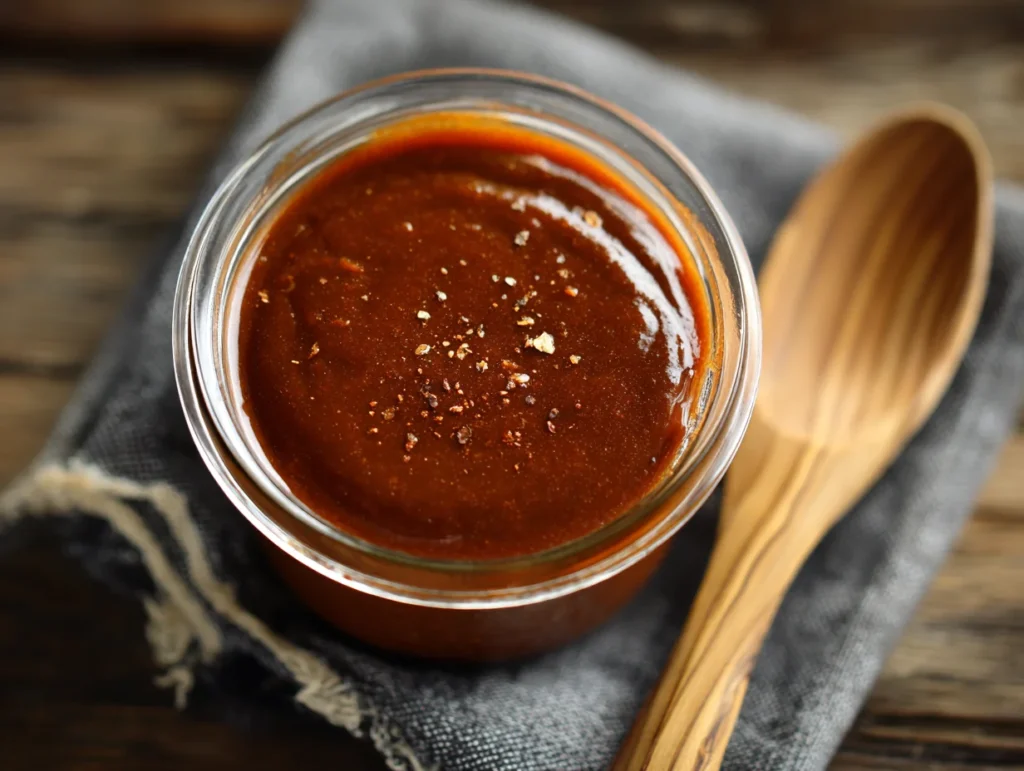
I slowly pour in the broth while whisking continuously. This is a step where patience really matters. Adding the liquid too quickly can create lumps, which I always try to avoid. By incorporating it gradually, I ensure the sauce stays smooth and consistent. I continue whisking until everything is fully combined and begins to thicken. The texture should be silky and pourable, not too thick or too thin. In my experience, this careful approach results in a sauce that coats enchiladas beautifully. It’s a small detail, but it makes a big difference in presentation and overall quality.
Simmer and Finish
Finally, I stir in the tomato paste and let the sauce simmer gently. This is where everything comes together. I allow it to cook for about ten minutes, giving the flavors time to develop and deepen. I taste and adjust seasoning as needed, sometimes adding a touch of heat or acidity depending on the dish. I keep the heat low and stir occasionally to maintain a smooth texture. By the end, the sauce becomes rich, balanced, and full of character. This final step is what truly defines the quality of the sauce in my kitchen.
Cook Time
Total: 20 minutes
Prep: 5 minutes
Bake: Not required
Servings
When I prepare this enchilada sauce, it typically yields enough to generously coat about 8 to 10 enchiladas. I find this quantity perfect for serving four to six people, depending on portion sizes. I always make sure there’s enough sauce to cover each enchilada evenly, as this ensures every bite is flavorful. If I’m cooking for a larger group, I simply double the recipe without changing the method. One thing I appreciate about this recipe is its consistency—it delivers the same quality every time. Whether it’s a casual family dinner or a more refined meal, this portion works reliably and meets expectations.
Makes approximately 2 cups
Nutritional Information (approx. per serving)
- Calories: 90
- Fat: 6g
- Carbohydrates: 8g
- Protein: 2g
- Sodium: 300mg
- Fiber: 2g
From my perspective, this sauce strikes a good balance between flavor and nutrition. I like that it’s relatively low in calories while still delivering richness through healthy fats. The spices not only enhance taste but also provide antioxidant benefits, which I always consider when cooking. By making it at home, I control the sodium and avoid unnecessary additives found in packaged versions. This allows me to serve something that’s both delicious and mindful of overall health. When paired with wholesome ingredients, this sauce becomes part of a well-rounded and satisfying meal.
Storage Instructions
Whenever I have leftover enchilada sauce, I make sure to store it properly to maintain its quality. I let it cool completely before transferring it into an airtight container. In the refrigerator, it stays fresh for up to five days, which makes it convenient for quick meals later. If I want to store it longer, I freeze it in portions so I can use only what I need. When reheating, I do it gently on the stovetop and stir to restore its smooth texture. I avoid overheating because it can affect consistency. Proper storage has always helped me preserve both flavor and texture without compromise.
Suggestions
In my kitchen, I like to use this enchilada sauce in more ways than just traditional enchiladas. It works beautifully with shredded chicken, slow-cooked beef, or even roasted vegetables for a lighter option. I always recommend warming the sauce slightly before using it, as it spreads more evenly and enhances absorption. Sometimes, I experiment by adding smoked paprika or a hint of cocoa for extra depth. I also prefer using homemade broth whenever possible, as it adds another layer of richness. Small adjustments like these allow me to customize the sauce while still maintaining its authentic foundation.
Seasonal Relevance
I find this enchilada sauce especially comforting during cooler months when I’m craving warm, hearty meals. The rich spices and deep flavors make it perfect for autumn and winter dinners. However, I also use it year-round by adapting the dishes it accompanies. In warmer seasons, I pair it with grilled vegetables or lighter proteins to keep meals balanced. One thing I appreciate is that the ingredients are always easy to find, regardless of the season. This flexibility allows me to rely on this recipe whenever I need it, making it a consistent part of my cooking routine throughout the year.
For me, mastering this enchilada sauce has been about understanding the importance of technique and patience. It’s not just a recipe,it’s a process that rewards attention to detail. Every time I make it, I’m reminded that simple ingredients can create something exceptional when handled correctly.
This sauce has become a reliable foundation in my cooking, elevating dishes with its depth and balance. Once you experience the difference of a well-made homemade sauce, it naturally becomes your preferred choice. I encourage you to try it, refine it, and make it your own,it’s a skill worth developing.
? Looking for a vegetarian option? Our Easy Cheese Enchiladas is simple, satisfying, and works wonderfully with this authentic sauce.
Frequently Asked Questions
1. Can I use fresh chilies instead of chili powder?
Yes, I sometimes use fresh chilies for a more authentic flavor. They require roasting and blending, which adds depth but also takes more time. It’s a great option if you want a richer, more traditional sauce with a slightly different texture.
2. How do I fix a sauce that’s too spicy?
If the sauce turns out too spicy, I usually balance it by adding a bit more broth or a small amount of tomato paste. This helps mellow the heat without diluting the flavor too much, keeping the sauce well-balanced.
3. Can I make this sauce ahead of time?
Absolutely, I often prepare it in advance. It actually tastes better after resting, as the flavors continue to develop. I store it in the refrigerator and reheat gently when needed for the best results.
4. What oil works best for this recipe?
I prefer using neutral oils like vegetable or canola oil because they don’t interfere with the flavor. Olive oil can work too, but it may slightly alter the taste depending on its intensity.
5. Can I make it without tomato paste?
Yes, but I’ve found that tomato paste adds depth and a slight richness. Without it, the sauce will still work, but it may taste lighter and less complex compared to the original version I typically prepare.
