Extra Fluffy Pancake Recipe
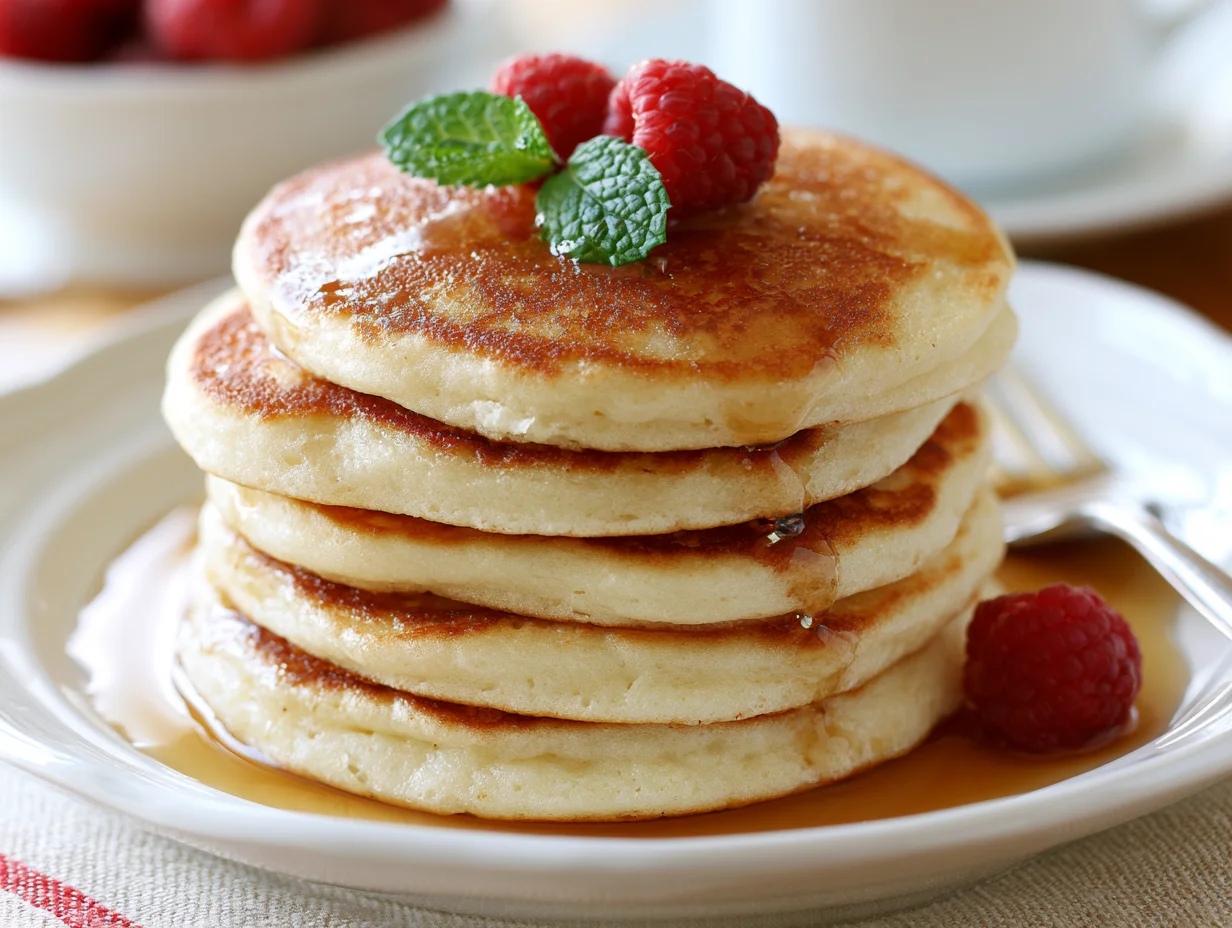
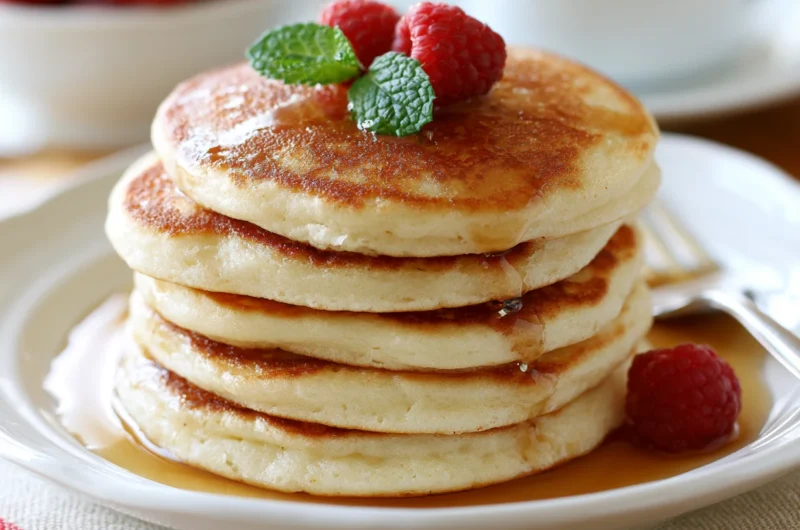
There is a version of pancakes that most people have never actually made at home — the kind that stack tall, pull apart in soft layers, and have a cloud-like interior that melts the moment they hit your tongue. That version is not reserved for diners or weekend brunch spots. It lives in your kitchen, and it starts with understanding what fluffy really means.
Fluffy pancakes are not accidental. They are the result of a few deliberate decisions made before the batter ever hits the pan. The right leavening ratio, the correct mixing technique, and the patience to let the batter rest — these are the details that separate a good pancake from an extraordinary one.
I have made pancakes more times than I can count, across stovetops, griddles, and cast iron pans, in kitchens with humidity and kitchens without. What you are getting here is the recipe I always return to — the one that consistently produces pancakes so tall and tender that people ask for it before they have even finished eating.
This is not a complicated recipe. It does not require specialty ingredients or advanced technique. It requires attention, and that is something every home cook already has.
Ingredients You’ll Need
This batter comes together so simply that you will wonder why you ever reached for a boxed mix — everything you need is already sitting in your pantry and refrigerator right now.
One of the things I love about this recipe is that it uses simple pantry ingredients. You probably already have most of them in your kitchen.
Base Ingredients:
- 1½ cups all-purpose flour
- 2 tbsp granulated sugar
- 2 tsp baking powder
- ½ tsp baking soda
- ¼ tsp fine sea salt
- 1 cup buttermilk (room temperature)
- 1 large egg (room temperature)
- 2 tbsp unsalted butter, melted and slightly cooled
- 1 tsp pure vanilla extract
- 2 tbsp sour cream or full-fat Greek yogurt
Optional Add-ins:
- ½ tsp ground cinnamon (for a warm, spiced note)
- 1 tsp lemon zest (brightens the batter and pairs beautifully with blueberries)
- ½ cup fresh or frozen blueberries (fold in gently at the end)
- 2 tbsp mini chocolate chips (a crowd-pleasing addition for kids and adults alike)
- 1 pinch nutmeg (subtle warmth that enhances the vanilla)
- 1 tbsp malted milk powder (adds a nostalgic, slightly toasty depth)
Step-by-Step Instructions

Step 1: Prepare Your Dry Ingredients
In a large mixing bowl, whisk together the flour, sugar, baking powder, baking soda, and salt. Whisking rather than stirring is intentional here — it aerates the dry mixture and ensures the leavening agents are evenly distributed throughout the flour before any liquid touches them. Uneven distribution of baking powder is one of the most common causes of inconsistent rise in pancakes. Take an extra thirty seconds on this step and it will pay off in every bite.
Step 2: Mix the Wet Ingredients Separately
In a separate medium bowl, whisk together the buttermilk, egg, melted butter, vanilla extract, and sour cream until smooth and fully combined. Make sure your egg and buttermilk are at room temperature before mixing — cold ingredients tighten the gluten in the batter and can prevent the pancakes from rising as high as they should. The sour cream might seem like an unusual addition, but it adds a subtle tang and a richness that makes the texture noticeably more tender and velvety.
Step 3: Combine Wet and Dry — The Right Way
Pour the wet ingredients into the bowl of dry ingredients all at once. Using a rubber spatula or wooden spoon, fold the mixture together with slow, deliberate strokes — no more than 10 to 12 folds. Stop when you no longer see dry streaks of flour. The batter will look lumpy, and that is exactly what you want. Smooth pancake batter has been overmixed, and overmixing develops gluten that tightens the structure and produces flat, dense, chewy pancakes instead of the tall, airy result you are after.
Step 4: Rest the Batter
Once the batter is just combined, set the bowl aside and let it rest uncovered at room temperature for 8 to 10 minutes. This resting period allows the baking powder and baking soda to begin activating, creating small bubbles throughout the batter that expand further on the hot griddle. It also gives the gluten strands time to relax after mixing, which contributes directly to a more tender crumb. Do not skip this step. Those 10 minutes make a visible difference in how tall and fluffy the finished pancakes turn out.
Step 5: Heat the Pan Properly
Place a non-stick skillet or griddle over medium-low heat and allow it to preheat for at least 3 to 4 minutes before cooking. Add a small knob of butter or a light spray of neutral cooking oil and let it coat the surface evenly. To test whether the pan is at the right temperature, flick a few drops of water onto the surface — they should sizzle and evaporate within two seconds. A pan that is too hot will brown the outside before the center sets. A pan that is too cool produces pale, undercooked pancakes that never rise properly.
Step 6: Cook and Flip with Confidence
Pour approximately ⅓ cup of batter per pancake onto the prepared surface. Do not spread or press the batter — let it settle naturally into a round shape. Cook until bubbles form across the entire surface of the pancake and the edges look set and matte rather than shiny and wet, about 2 to 3 minutes. Flip once with a wide spatula and cook for an additional 1 to 2 minutes on the second side. Resist the urge to press down on the pancake after flipping — that action collapses the air structure you worked to build.
Cook Time
Total:
Approximately 30 to 35 minutes from start to finish, including resting time and cooking in batches.
Prep:
10 minutes to mix the batter, plus an 8 to 10 minute resting period.
Bake:
3 to 5 minutes per pancake on the stovetop griddle or skillet, cooked in batches.
Servings
This recipe is portioned generously for a satisfying weekend breakfast without requiring you to double the batch for a small household. Makes approximately 8 to 10 pancakes using a ⅓ cup measure per pour, which comfortably serves 3 to 4 people as a main breakfast.
If you are cooking for a larger group or want leftovers for the week, this recipe scales up cleanly. Simply double all quantities and use a wide griddle to cook multiple pancakes at once, keeping finished ones warm in a 200°F oven on a wire rack set over a baking sheet.
For a smaller household or a solo breakfast, halving the recipe works perfectly well. Use one egg, ¾ cup buttermilk, and reduce remaining ingredients proportionally. The batter behaves identically at half volume and produces the same tall, fluffy results.
Common Mistakes in This Recipe
The single most damaging mistake in pancake making is overmixing the batter. It is tempting to stir until everything looks smooth and uniform, but that smoothness comes at a cost. Overworking the batter develops gluten, tightens the structure, and produces pancakes that are flat, rubbery, and dense — essentially the opposite of what this recipe is designed to achieve.
Skipping the resting period is the second most common error, and one that quietly undermines an otherwise well-made batter. Without those 8 to 10 minutes of rest, the leavening agents have not had sufficient time to activate, and the gluten remains tight from mixing. The result is pancakes that spread too thin and fail to rise with any meaningful height.
Cooking on heat that is too high is another frequent issue. High heat browns the outside quickly while leaving the center undercooked and gummy. Many home cooks mistake a deep golden-brown exterior for doneness, only to cut into a pancake that is still raw in the middle. Medium-low and patient is always the correct approach.
Using cold eggs or cold buttermilk straight from the refrigerator affects both the texture of the batter and the final rise of the pancake. Cold dairy and cold eggs cause the melted butter to seize and solidify into small clumps within the batter, which creates an uneven texture and a less cohesive crumb once cooked.
Solutions to Common Mistakes
The fix for overmixing is simply changing your mindset about what good batter looks like. Lumpy is correct. Fold the wet into the dry using a spatula, count your strokes, and stop at 10 to 12 regardless of how the batter appears. Trust the process and the heat of the pan will do the rest of the work.
To solve the resting issue, build it into your workflow as a non-negotiable step. Mix the batter first, then set the table, brew your coffee, or heat the pan during that window. The 10-minute rest costs you nothing and gives the batter everything it needs to perform at its best on the griddle.
For heat management, use a simple water-drop test before adding any batter. If the water droplets bounce and evaporate within two seconds, the pan is ready. If they sit and steam slowly, the pan needs more time. If they evaporate instantly, reduce the heat and wait two minutes before testing again.
Solving the cold ingredient problem requires only a small adjustment to your prep routine. Pull your egg and buttermilk from the refrigerator 20 minutes before you plan to cook, or speed the process by submerging the egg in warm water for five minutes and gently warming the buttermilk in the microwave for 20 seconds before using.
Nutritional Information (approx. per serving)
- Calories: 210 kcal (2 to 3 pancakes)
- Total Carbohydrates: 32g
- Dietary Fiber: 0.8g
- Sugars: 6g
- Total Fat: 6g
- Saturated Fat: 3.5g
- Protein: 6g
- Sodium: 310mg
- Calcium: 110mg
- Iron: 1.4mg
Buttermilk, which forms the liquid base of this recipe, is a meaningful source of calcium and contains live cultures that support digestive health. Unlike regular milk, buttermilk is lower in fat while delivering a richer, more complex flavor that also contributes to the chemical leavening reaction with baking soda.
Eggs bring complete protein to every serving, along with choline — a nutrient essential for brain function and cellular integrity that most people do not consume in adequate amounts. Two eggs across a full batch means each serving contributes meaningfully to your daily choline intake without any effort.
The use of sour cream or Greek yogurt in this recipe introduces additional protein and beneficial bacteria. Greek yogurt in particular adds a small but real boost of protein per serving compared to batters made without it, which helps balance the carbohydrate content of the meal and supports sustained energy rather than a rapid spike.
Homemade pancakes made from whole ingredients also eliminate the preservatives, artificial flavors, and excess sodium found in most commercial boxed mixes. Knowing exactly what is in your batter is a genuine nutritional advantage, and this recipe makes that easy.
Storage Instructions
Leftover pancakes store remarkably well and can make weekday mornings significantly easier with almost no additional effort. Once cooked, allow the pancakes to cool completely on a wire rack before storing — stacking warm pancakes traps steam and creates moisture that makes them soggy and difficult to reheat properly.
For refrigerator storage, layer the cooled pancakes between sheets of parchment paper to prevent sticking and place them in an airtight container or zip-lock bag. Refrigerated pancakes stay fresh for up to 4 days and reheat beautifully in a toaster, toaster oven, or dry skillet over low heat for 1 to 2 minutes per side.
For longer storage, pancakes freeze exceptionally well for up to 2 months. Lay them flat on a parchment-lined baking sheet and freeze until solid, about 1 hour, then transfer to a freezer bag. This flash-freeze method prevents them from sticking together, so you can pull out exactly as many as you need without defrosting the entire batch.
Reheating directly from frozen takes about 1 minute per side in a toaster or 90 seconds in a microwave covered with a damp paper towel. Avoid microwaving without covering, as direct microwave heat dries them out quickly and changes the texture from soft and pillowy to tough and chewy.
Suggestions
These pancakes are genuinely excellent on their own with just butter and real maple syrup, and that simplicity should never be underestimated. But if you want to build something more intentional around them, a few thoughtful toppings and pairings can take the plate from a casual breakfast to something truly memorable.
For a fruit-forward approach, warm fresh or frozen berries with a tablespoon of sugar and a squeeze of lemon juice in a small saucepan until they burst and thicken into a loose compote. Spooned over a tall stack with a little whipped cream, it is the kind of breakfast that feels special without requiring any real extra effort.
On the savory side — and this is worth trying even if it sounds unusual — crispy bacon or a fried egg alongside pancakes drizzled with maple syrup is a classic American combination for a reason. The salt and fat from the bacon cuts through the sweetness of the syrup and creates a balance that makes every bite more interesting than the last.
For entertaining or weekend brunch spreads, set up a simple pancake topping bar. Small bowls of sliced banana, toasted pecans, chocolate chips, berry compote, whipped butter, honey, and flavored syrups let guests customize their own plates. It is low effort for the cook and surprisingly impressive for the table.
Seasonal Relevance
Pancakes do not belong to a single season, and that accessibility is a large part of why they occupy such a permanent place in home cooking. That said, the toppings and add-ins you choose can shift the recipe naturally with the calendar in a way that keeps it feeling relevant and exciting throughout the year.
In fall and winter, fold in a pinch of cinnamon and nutmeg and serve with warm spiced apple compote or a drizzle of brown butter and maple syrup. The batter itself becomes a vehicle for seasonal warmth, and paired with a strong cup of coffee, it is the kind of breakfast that makes cold mornings feel like something to look forward to.
Spring brings the first strawberries and rhubarb, both of which pair beautifully with the tangy buttermilk base of this recipe. A quick strawberry compote with a little sugar and lemon zest, served over a freshly cooked stack, is a combination that feels genuinely seasonal and deeply satisfying without much effort.
Summer opens the door to fresh peaches, blueberries, and raspberries — all of which can be folded directly into the batter or piled on top after cooking. A cold glass of fresh orange juice alongside a summer pancake stack is one of those simple morning pleasures that no amount of restaurant brunch can fully replicate.
Final Words
If you have followed this recipe carefully, you already know that the result is something meaningfully different from the pancakes most people grew up eating. Height, tenderness, flavor — these are not accidents. They are the direct outcome of a handful of deliberate decisions made at every stage of the process.
What I hope you take away from this recipe beyond the pancakes themselves is a clearer understanding of why each step matters. The resting period, the folding technique, the heat management — none of these are arbitrary. They are small acts of attention that compound into something far better than the sum of their parts.
Pancakes are one of the first things many people learn to cook, and they deserve to be made well. A recipe this simple has no reason to produce mediocre results, and with the right technique in place, it consistently delivers something that genuinely impresses — whether you are cooking for yourself on a quiet Sunday morning or feeding a table full of people you love.
Make this recipe your own over time. Try the optional add-ins. Experiment with toppings. Adjust the sweetness slightly to match your preference. The foundation is solid, and everything built on top of it is yours to explore.
Frequently Asked Questions
Can I make the pancake batter the night before and cook it in the morning?
You can mix the dry and wet ingredients separately the night before and store them covered in the refrigerator. Combine them in the morning, let the batter rest for 10 minutes, then cook immediately. Fully mixed batter stored overnight loses leavening power and produces noticeably flatter pancakes.
Why are my pancakes browning too fast but still raw in the center?
The heat is too high. Reduce to medium-low and give the pan an additional 2 minutes to stabilize before adding batter. A properly heated pan at the right temperature allows the pancake to cook through evenly before the exterior over-browns. Patience with heat control is the most important technical skill in pancake making.
Can I substitute regular milk for buttermilk in this recipe?
Yes, with a simple swap. Add 1 tablespoon of white vinegar or fresh lemon juice to 1 cup of regular whole milk, stir, and let it sit for 5 minutes until it curdles slightly. This homemade buttermilk substitute works well and maintains the acid needed to activate the baking soda properly.
Extra Fluffy Pancake Recipe
8
servings10
minutes5
minutes210
kcal15
minutesThese extra fluffy pancakes are tall, tender, and perfectly golden. Made with buttermilk and sour cream for an incredibly soft crumb, they come together in minutes and deliver a stack worth waking up early for.
Ingredients
Base Ingredients:
1½ cups all-purpose flour
2 tbsp granulated sugar
2 tsp baking powder
½ tsp baking soda
¼ tsp fine sea salt
1 cup buttermilk, room temperature
1 large egg, room temperature
2 tbsp unsalted butter, melted and slightly cooled
1 tsp pure vanilla extract
2 tbsp sour cream or full-fat Greek yogurt
Optional Add-ins:
½ tsp ground cinnamon
1 tsp lemon zest
½ cup fresh or frozen blueberries
2 tbsp mini chocolate chips
1 pinch nutmeg
1 tbsp malted milk powder
Directions
- In a large bowl, whisk together flour, sugar, baking powder, baking soda, and salt until evenly combined and aerated.
- In a separate bowl, whisk together buttermilk, egg, melted butter, vanilla extract, and sour cream until smooth and fully combined.
- Pour the wet ingredients into the dry ingredients all at once. Fold together using a rubber spatula with 10 to 12 slow strokes. Stop as soon as no dry streaks remain. Batter will be lumpy — this is correct.
- Set the batter aside and let it rest uncovered at room temperature for 8 to 10 minutes.
- Preheat a non-stick skillet or griddle over medium-low heat for 3 to 4 minutes. Add a small knob of butter or light spray of neutral oil and let it coat the surface evenly.
- Test the pan temperature by flicking a few drops of water onto the surface — they should sizzle and evaporate within two seconds.
- Pour approximately ⅓ cup of batter per pancake onto the surface. Do not spread or press the batter.
- Cook until bubbles form across the entire surface and the edges look set and matte, about 2 to 3 minutes.
- Flip once with a wide spatula and cook for an additional 1 to 2 minutes on the second side. Do not press down after flipping.
- Serve immediately or keep warm in a 200°F oven on a wire rack set over a baking sheet while finishing the remaining batches.
Recipe Video
Notes
- Do not overmix the batter. Lumpy batter is correct and essential for tall, fluffy pancakes. Overmixing develops gluten and produces flat, dense results.
- Always rest the batter for 8 to 10 minutes before cooking. This activates the leavening agents and relaxes the gluten for maximum rise.
- Use room temperature egg and buttermilk. Cold ingredients cause the melted butter to seize and create an uneven batter texture.
- Cook on medium-low heat only. High heat browns the exterior before the center cooks through.
- Never press down on the pancake after flipping. This collapses the air structure built during mixing and resting.
- For a quick buttermilk substitute, add 1 tablespoon of white vinegar or lemon juice to 1 cup of regular whole milk, stir, and let sit for 5 minutes before using.
- To freeze, cool pancakes completely, flash-freeze flat on a parchment-lined baking sheet for 1 hour, then transfer to a freezer bag. Stores well for up to 2 months.
- Reheat refrigerated pancakes in a toaster or dry skillet over low heat for 1 to 2 minutes per side for best texture.