Every Easter season, I find myself returning to the comforting aroma of freshly baked Italian Easter Cookies filling my kitchen. These soft, sweet, and beautifully glazed cookies are more than just a holiday dessert for me; they represent family traditions, spring celebrations, and the joy of homemade baking.
I have tested countless versions over the years, and this recipe consistently delivers the tender texture and delicate flavor that make authentic Italian Easter Cookies so special. Unlike heavy bakery cookies, these stay light, fluffy, and perfectly balanced in sweetness.
Whether you are baking for Easter brunch, gifting homemade treats, or simply creating something comforting for your family, this recipe brings professional bakery-style results with simple ingredients. If you love classic Italian desserts with timeless charm, these cookies deserve a permanent place in your holiday baking collection.
? If you love festive holiday baking, you’ll also enjoy our Delicious Easter Cookie Cake Recipe.
The Baking Issue I Notice Most Often
One mistake I frequently see when people make Italian Easter Cookies is overworking the dough or adding too much flour during shaping. Since the dough feels slightly soft and sticky at first, many bakers continue adding flour until it becomes firm.
Unfortunately, this creates dense and dry cookies instead of the soft texture that makes these treats authentic. I have also noticed that many home bakers leave the cookies in the oven too long because they expect a golden-brown top. Traditional Italian Easter Cookies should remain light in color with only slightly golden bottoms.
Another issue comes from using cold ingredients directly from the refrigerator, which affects the dough consistency and final texture. These small mistakes may seem harmless, but they can completely change the softness, flavor, and bakery-style finish that make this Easter cookie recipe truly special.
My Proven Method for Perfect Soft Cookies
After years of baking Italian Easter Cookies for family gatherings and holiday celebrations, I have learned that small adjustments make the biggest difference. I always use room-temperature butter and eggs because they blend smoothly and create a lighter dough texture.
Instead of adding extra flour while shaping, I lightly grease my hands, which keeps the cookies soft and moist. I also mix the dough only until the ingredients are combined because overmixing develops too much gluten and creates heaviness. When baking, I remove the cookies as soon as the bottoms turn lightly golden while the tops stay pale.
This is the secret to preserving their signature softness. I also let the cookies cool completely before glazing so the icing sets beautifully without becoming messy. These simple professional techniques consistently give me bakery-quality Italian Easter Cookies with delicate texture and balanced sweetness every single time.
Ingredients List
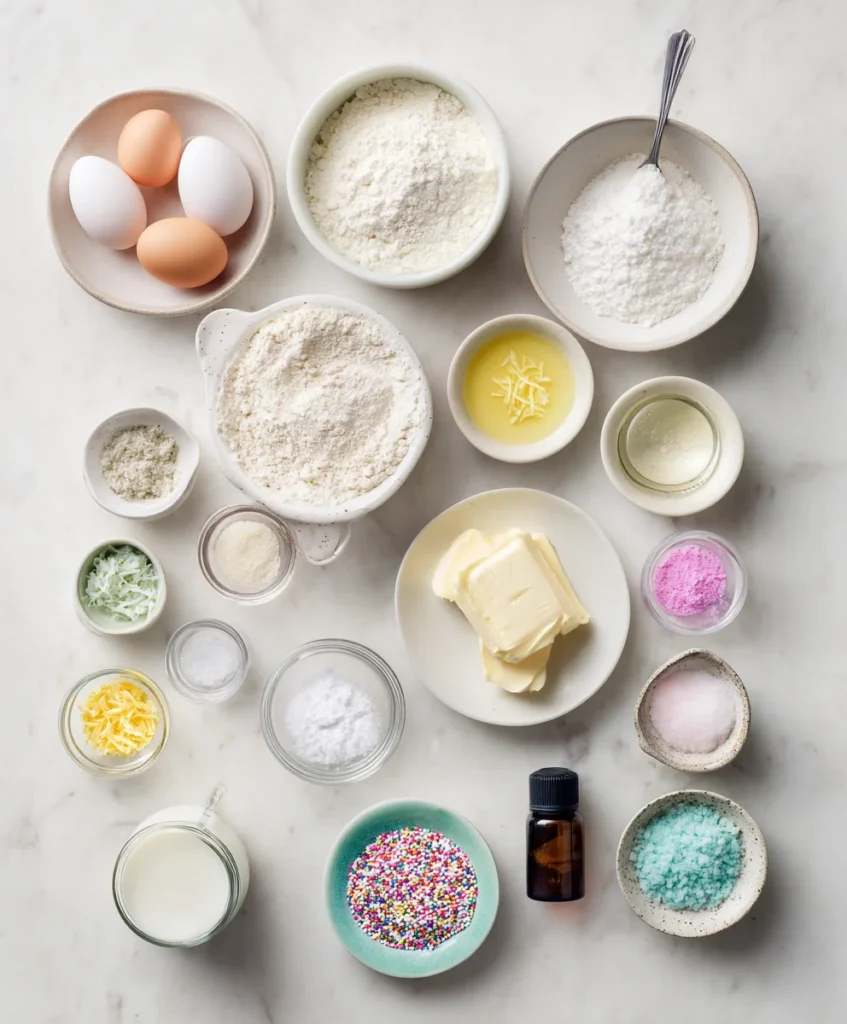
Base Ingredients:
- 3 cups all-purpose flour
- 3 large eggs
- ¾ cup granulated sugar
- ½ cup unsalted butter, softened
- 2 teaspoons baking powder
- 1 teaspoon vanilla extract
- ½ teaspoon almond extract
- ¼ teaspoon salt
- 3 tablespoons milk
Optional Add-ins:
- Lemon zest for fresh citrus flavor
- Colored sprinkles for decoration
- Pastel food coloring for glaze
- White chocolate drizzle
- Anise extract for traditional flavor
- Powdered sugar for sweeter icing
Step-by-Step Instructions
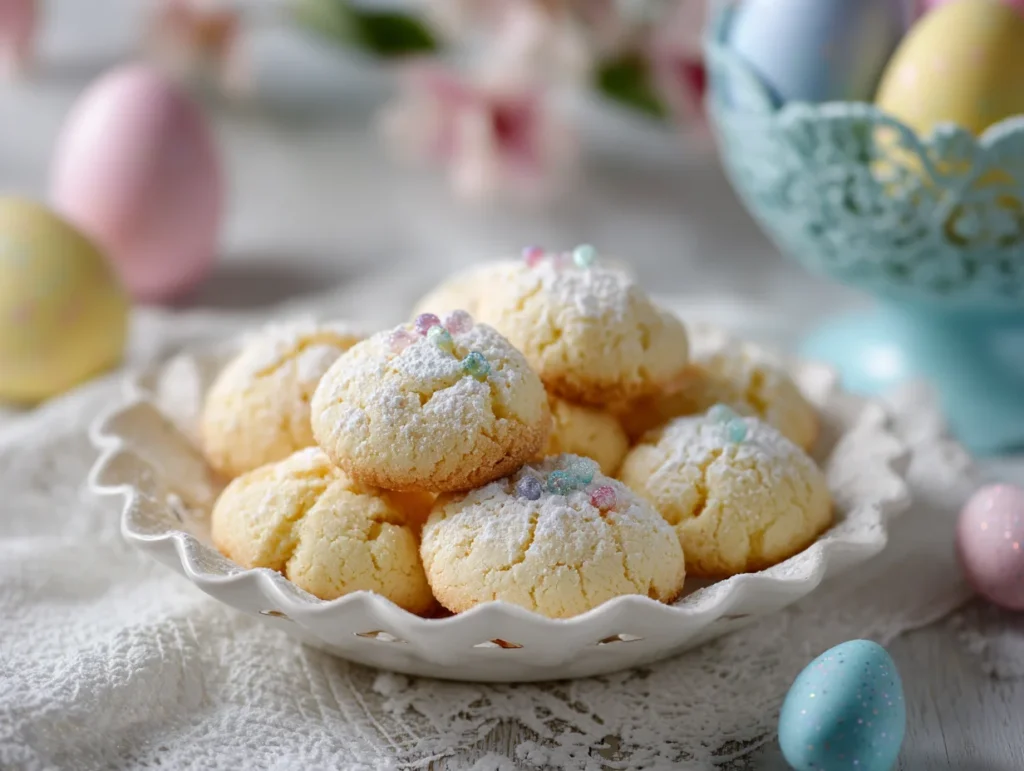
I Start by Preparing the Dough
I begin by preheating my oven to 350°F and lining baking trays with parchment paper because this helps the cookies bake evenly without sticking. In a large mixing bowl, I cream the softened butter and sugar together until the texture becomes light and fluffy. This step is important because it creates air pockets that help produce soft cookies. Next, I add the eggs one at a time while mixing gently to maintain a smooth consistency.
I then stir in vanilla and almond extract for that classic Italian bakery aroma. In a separate bowl, I whisk together flour, baking powder, and salt before gradually adding the dry mixture into the wet ingredients with milk. I never overmix the dough because I want the cookies to stay soft, tender, and light instead of becoming dense or heavy after baking.
? If you enjoy classic sweet treats, you’ll also love our Best Vanilla Cake Recipe Ever.
I Shape the Cookies Carefully
Once the dough is ready, I lightly grease my hands instead of adding more flour because extra flour can dry out the cookies. I scoop small portions and gently roll them into smooth balls around one inch in size. Sometimes I create simple round cookies, while other times I shape them into twists or rings for a more traditional Easter appearance.
I always leave enough space between the cookies on the tray because they expand slightly during baking. If I want a cleaner bakery-style finish, I gently flatten the tops with my fingers before placing them in the oven. Consistent sizing matters because it ensures even baking across the entire batch. I handle the dough gently and quickly to preserve the soft texture inside. This shaping method has always helped me achieve fluffy Italian Easter Cookies with beautiful presentation and delicate crumb.
I Bake Them Until Just Perfect
When baking Italian Easter Cookies, timing is everything. I place the trays in the oven and bake the cookies for about 10 to 12 minutes, watching them closely near the end. I never wait for the tops to turn golden brown because authentic Italian Easter Cookies should remain pale and soft. I remove them once the bottoms develop a light golden color while the tops still look delicate.
Overbaking is one of the quickest ways to lose moisture and ruin the texture. After removing the trays from the oven, I let the cookies rest for a few minutes before transferring them to a wire rack. This helps them firm up gently without becoming dry. As they cool, the inside stays tender and fluffy. Every time I follow this baking method, the cookies come out soft, light, and perfectly balanced in texture and flavor.
I Finish with a Sweet Easter Glaze
After the cookies cool completely, I prepare a simple glaze using powdered sugar and milk until it becomes smooth and pourable. For Easter celebrations, I like dividing the glaze into separate bowls and coloring each one with soft pastel shades like pink, yellow, or blue. I dip the tops of the cookies gently into the glaze and allow the extra icing to drip naturally before placing them on a cooling rack.
While the glaze is still wet, I add colorful sprinkles for a festive finish. I always let the icing set completely before storing or serving the cookies because this keeps the presentation neat and professional. The glaze adds just the right amount of sweetness without overpowering the soft cookie base. This final step transforms simple homemade cookies into elegant Italian Easter treats that always look beautiful on holiday dessert tables.
Cook Time
Total: 30 minutes
Prep: 18 minutes
Bake: 12 minutes
Servings
Whenever I make this recipe, it usually gives me around 24 soft Italian Easter Cookies, depending on the size I shape them. I personally find this quantity perfect for Easter brunches, dessert platters, or family gatherings because these cookies disappear quickly once everyone tastes them. Their light texture and balanced sweetness make them easy to enjoy without feeling overly heavy after a meal.
I also love packaging these cookies in decorative boxes as homemade Easter gifts for friends and relatives. If I am preparing for a larger celebration, I simply double the ingredients because the recipe scales beautifully without changing texture or flavor. These cookies pair wonderfully with coffee, tea, or warm milk, making them suitable for both holiday mornings and evening desserts. Every batch feels festive, comforting, and perfect for sharing with loved ones during spring celebrations.
Nutritional Information (approx. per serving)
- Calories: 165
- Carbohydrates: 24g
- Protein: 3g
- Fat: 6g
- Sugar: 11g
- Sodium: 85mg
- Fiber: 1g
One reason I enjoy making Italian Easter Cookies is that they feel lighter and more balanced compared to rich frosted cakes or overly sweet pastries. Their moderate sweetness allows me to enjoy a festive dessert without feeling overwhelmed by sugar. Since they are homemade, I can control the quality of ingredients and avoid unnecessary preservatives often found in store-bought desserts.
Eggs contribute protein while butter creates a satisfying texture and flavor that make the cookies feel indulgent without becoming too heavy. I also like adding lemon zest occasionally because it gives a fresh spring flavor naturally. These cookies pair beautifully with tea or coffee and work perfectly for brunches, family gatherings, and afternoon treats. Their soft texture and portion-friendly size make them a dessert I feel comfortable serving throughout the Easter holiday season.
? If you like soft baked desserts, you’ll also enjoy our Soft Sugar Cookie Bars Recipe.
Storage Instructions
I always store Italian Easter Cookies in an airtight container at room temperature because this helps them stay soft and fresh for several days. Before storing them, I make sure the glaze has fully hardened so the cookies do not stick together. If I need to stack them, I place parchment paper between the layers to protect the icing and keep the presentation clean.
I avoid refrigerating these cookies because cold temperatures can dry them out and affect their delicate texture. When I want to prepare them ahead of time, I freeze the cookies without glaze in a sealed freezer-safe container for up to two months. Once thawed at room temperature, I add fresh icing and decorations before serving. Proper storage always helps maintain their bakery-quality softness, flavor, and appearance, making them perfect for Easter parties, dessert tables, or homemade holiday gift boxes.
Suggestions
Over the years, I have experimented with many variations of Italian Easter Cookies, and a few small additions can completely elevate the flavor. One of my favorite adjustments is adding fresh lemon or orange zest because it gives the cookies a bright spring aroma that feels refreshing and elegant. Sometimes I use almond extract for a deeper bakery-style flavor, especially when serving them with coffee or espresso.
For holiday dessert tables, I love arranging these cookies alongside chocolate eggs and pastel candies because they instantly create a festive Easter presentation. If I am making them for gifts, I package them in decorative bakery boxes lined with parchment paper and tied with ribbons. I also occasionally drizzle white chocolate over the glaze for a premium bakery appearance. These simple touches make the cookies feel extra special while still preserving their classic Italian homemade charm and soft texture.
Seasonal Relevance
For me, Italian Easter Cookies perfectly capture the feeling of spring and Easter celebrations. Their soft pastel glaze, light texture, and delicate sweetness fit beautifully with the fresh atmosphere of the season. I usually bake them for Easter brunches, family dinners, and holiday gatherings because they bring warmth and tradition to the dessert table.
These cookies are especially popular during spring because they are lighter than many winter desserts and pair wonderfully with tea, coffee, or fresh fruit spreads. I also find them ideal for outdoor celebrations, baby showers, and seasonal parties where elegant homemade desserts are appreciated. Their colorful appearance instantly brightens any dessert display and creates a festive atmosphere that both children and adults enjoy. Every year, baking these cookies reminds me how simple traditional recipes can create meaningful memories and bring people together during special holiday occasions.
Italian Easter Cookies remain one of my favorite holiday desserts because they combine simplicity, tradition, and beautiful homemade flavor in every bite. I love how their soft texture and delicate glaze create an elegant dessert without requiring complicated techniques or difficult ingredients. Over the years, this recipe has become a reliable part of my Easter baking because it consistently delivers bakery-style results that family and guests genuinely enjoy.
Whether I am baking them for brunch, gifting them to friends, or serving them with evening coffee, these cookies always bring warmth and celebration to the table. By following the right mixing and baking methods, anyone can achieve soft, fluffy Italian Easter Cookies that look and taste professionally made. For me, they represent comfort, tradition, and the joy of sharing homemade treats during spring gatherings and Easter celebrations with the people who matter most.
? If you enjoy traditional homemade cookies, you’ll also love our Classic Sugar Cookies Recipe Soft Sweet Homemade Cookies.
Frequently asked questions
Can I use olive oil instead of butter in this recipe?
Yes, you can substitute light olive oil for butter if desired. However, the texture may become slightly softer and less rich compared to the traditional version. I recommend using mild olive oil so it does not overpower the delicate vanilla and almond flavors that make these cookies taste authentic.
Why does my glaze look too thin on the cookies?
A thin glaze usually happens when too much milk is added. I recommend adding liquid gradually while mixing until the glaze reaches a thick but pourable consistency. If it becomes runny, simply mix in more powdered sugar until the icing coats the cookies evenly without dripping excessively.
Can I prepare the dough the night before baking?
Yes, I often prepare the dough ahead of time during busy holiday weekends. Wrap the dough tightly and refrigerate it overnight. Before shaping the cookies, allow the dough to sit at room temperature for about fifteen minutes so it becomes easier to handle and bakes more evenly in the oven.
What sprinkles work best for Easter cookies?
I prefer pastel-colored round sprinkles because they create the most traditional Easter appearance. Nonpareils and festive sugar decorations also work beautifully. Avoid overly large decorations because they can overpower the delicate glaze and soft texture that make Italian Easter Cookies look elegant and professionally finished.
How do I keep the cookies soft for several days?
To maintain softness, I always store the cookies in an airtight container at room temperature with parchment paper between layers. Avoid refrigeration because it can dry them out quickly. Properly stored cookies usually stay soft and tender for up to five days while maintaining their fresh homemade flavor and texture.
