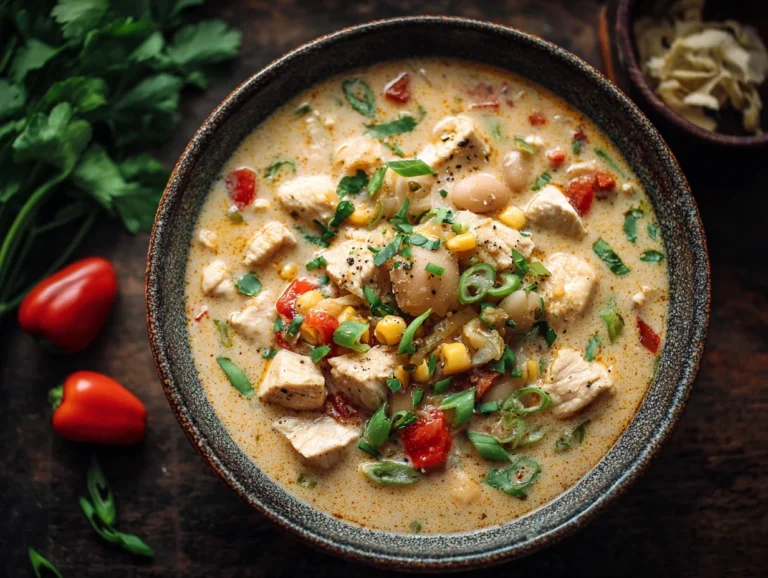

Pumpkin Praline Bread Pudding Rich and Warm Dessert
There are desserts that simply fill a plate, and then there are desserts that carry atmosphere, memory, and season in every bite. Pumpkin Praline Bread Pudding sits firmly in the second category. As a chef, I don’t treat this as just a recipe,it behaves more like a slow, intentional composition.
Soft bread absorbs a spiced pumpkin custard that feels warm and grounding, while the praline topping introduces a deliberate contrast of crunch and caramel depth. Nothing here is accidental. The structure depends on timing, restraint, and respect for texture.
When baked correctly, it delivers a layered experience that is both rustic and refined. It is the kind of dessert I return to when I want something that feels honest, warm, and thoughtfully built rather than simply assembled.
? If you love rich, caramel-style desserts, you’ll also enjoy our Butter Pecan Praline Poke Cake Recipe for a deeply buttery, nutty flavor experience that pairs beautifully with warm seasonal spices.
Over-Soaking the Bread Before Baking
One mistake I repeatedly observe in home kitchens is the instinct to let the bread soak in the pumpkin custard for too long before baking. It feels logical at first,more time should mean better absorption. But in practice, it works against the structure of the dessert.
The bread loses its identity, breaking down into a dense, almost porridge-like mass that cannot support the custard during baking. Instead of distinct layers, the result becomes heavy and uniform. The pumpkin mixture itself also suffers, losing definition and creating uneven pockets of moisture throughout the dish.
From my perspective, this is where most versions of the recipe fail,not in ingredients, but in timing. Bread pudding depends on controlled absorption, not unlimited saturation.
Controlled Custard Absorption for Perfect Texture
The correction is simple in theory but requires discipline in execution. Once I pour the pumpkin custard over the bread, I focus on distribution rather than prolonged resting time. Every piece should be coated, not submerged. I gently press the bread just enough to encourage contact with the liquid, then allow a short, controlled resting period before baking.
The key is preserving structure while still achieving saturation. I also rely on slightly dry or toasted bread because it naturally holds the custard more efficiently without collapsing. During baking, the custard sets gradually, binding the mixture without turning it soggy.
This measured approach ensures that the final dessert holds its shape while remaining soft, creamy, and layered rather than dense or oversaturated.
Ingredients List
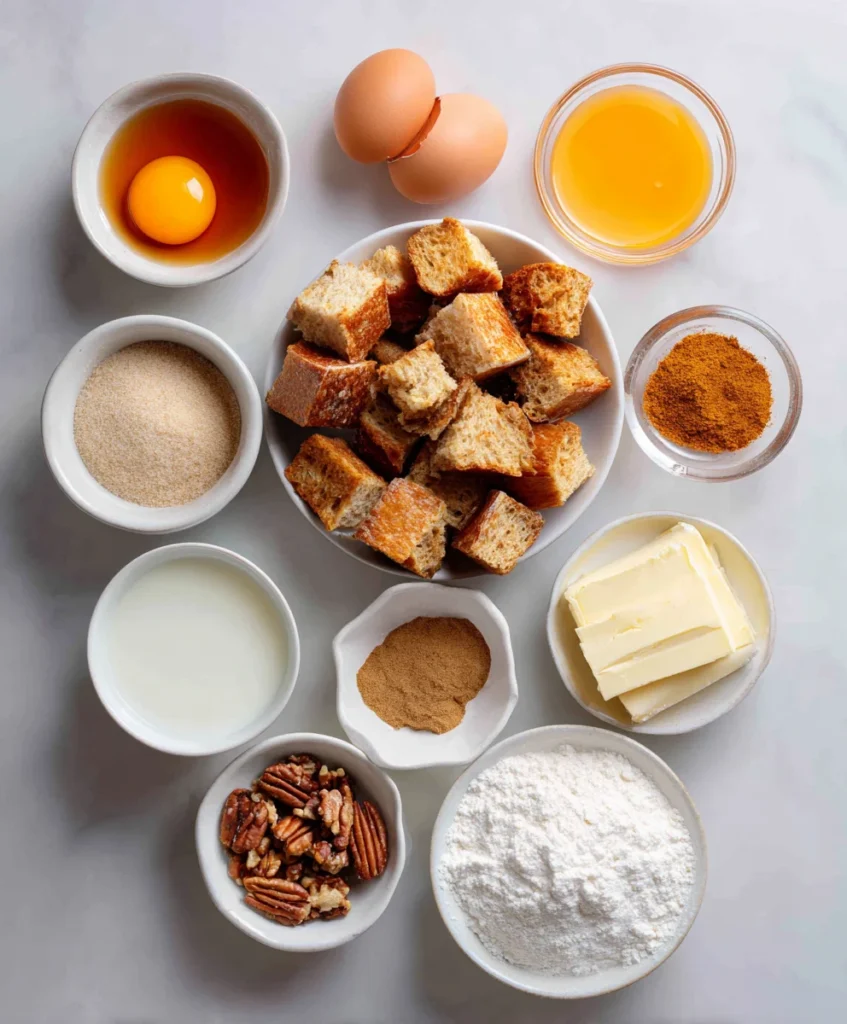
Base Ingredients:
- Bread cubes (preferably day-old or lightly toasted)
- Pumpkin puree
- Eggs
- Milk or heavy cream
- Brown sugar
- Vanilla extract
- Ground cinnamon
- Nutmeg
- Salt
Optional Add-ins:
- Chopped pecans
- Maple syrup
- Raisins or dried cranberries
- Pumpkin spice blend
- Butter (for greasing)
- Whipped cream (for serving)
Step-by-Step Instructions

Building the Pumpkin Custard Base
I always begin with the custard because it defines the personality of the dessert. In a mixing bowl, I combine pumpkin puree, eggs, milk, brown sugar, vanilla, and warm spices. I don’t rush this stage. The goal is not just mixing,it is integration. The sugar must dissolve fully, the spices must disperse evenly, and the pumpkin must bind into a smooth, unified base. I pay attention to texture here; any graininess at this stage will carry through to the final bake. Once I’m satisfied with the consistency, I pause briefly. This allows the mixture to settle and ensures the flavors begin to harmonize before meeting the bread.
? For another nut-forward indulgent bake, try our Pecan Pie Cake Recipe – Sweet Southern Cake with Crunchy Nuts, which brings a similar praline-inspired sweetness in cake form.
Preparing the Bread and Forming Structure
Bread is not just a filler in this recipe,it is the structural foundation. I cut it into even cubes and arrange it loosely in the baking dish, avoiding compression. Space matters here, because it allows the custard to flow evenly through the layers. When I pour the pumpkin mixture over the bread, I do it gradually, making sure every section is reached. Then I gently press the bread down, but only enough to encourage absorption. I am careful not to overwork it. At this stage, restraint is more important than action. The goal is balance: saturated, but still structured.
Baking with Controlled Heat
Baking is where discipline becomes visible. I place the dish in a preheated oven at a moderate temperature, never rushing the process with high heat. High heat disrupts the custard and creates uneven texture. Instead, I allow gentle, steady heat to transform the mixture. Over time, the custard sets, the bread stabilizes, and the surface develops a soft firmness. I watch closely for visual cues rather than relying strictly on time. A slight resistance in the center tells me the structure is correct. This stage is about patience—forcing it only damages what careful preparation has already built.
Creating the Praline Finish
The praline topping is not an afterthought,it is the finishing architecture of the dish. I melt butter with brown sugar until it reaches a smooth caramel stage, then fold in pecans. The mixture should be glossy and cohesive, not separated or grainy. I apply it near the end of baking so it sets directly onto the surface. This creates a thin, crisp layer that contrasts with the softness underneath. The transformation happens quickly in the oven, so attention is essential. Once done, the top should feel slightly firm with a caramel snap that defines each serving.
Cook Time
Total: 55 minutes
Prep: 20 minutes
Bake: 35 minutes
Servings
This recipe yields approximately 6 to 8 servings, depending on portion size and occasion. I treat it as a shared dessert rather than an individual indulgence. Each serving carries a deliberate balance of soft custard, structured bread, and praline crunch. It is rich enough that smaller portions feel satisfying, yet inviting enough that it often disappears quickly at the table. In my experience, it works best in gatherings where food is meant to be passed, shared, and experienced slowly rather than rushed.
Nutritional Information (approx. per serving)
- Calories: 320 kcal
- Carbohydrates: 42 g
- Fat: 14 g
- Protein: 7 g
- Fiber: 3 g
- Sugar: 24 g
From a nutritional standpoint, this dessert is defined more by balance than restraint. Pumpkin contributes natural fiber and micronutrients, while eggs and dairy provide structure and richness. The praline introduces indulgent sweetness, but in a controlled layer rather than overwhelming quantity. I view it as a dessert meant for occasion, not routine,something to be enjoyed consciously, not casually.
? If you enjoy fruit-studded, holiday-style bakes, our Moist Fruit Cake Recipe with Dried Fruits and Nuts offers a rich, spiced depth that complements cozy desserts like bread pudding.
Storage Instructions
Once baked, I allow the pudding to rest until it reaches a warm, stable temperature before storing. It is best kept refrigerated in an airtight container to preserve both texture and moisture balance. When reheating, I avoid microwaves because they compromise the praline crust. Instead, I prefer gentle oven reheating, which restores warmth without collapsing structure. A slight refresh of maple syrup or cream before serving can bring the dessert back to life, especially after refrigeration.
Suggestions
In my kitchen, I treat this dessert as adaptable but not overly flexible. Small refinements matter more than major changes. A light drizzle of maple syrup enhances depth without overpowering the pumpkin base. A scoop of vanilla ice cream introduces contrast that elevates temperature and texture interplay. Lightly toasting the bread beforehand improves structural integrity, especially for longer baking. If I want added depth, I sometimes introduce a subtle hint of espresso powder into the custard,it does not taste like coffee but strengthens the overall flavor profile.
Seasonal Relevance
This dessert naturally belongs to cooler seasons. The combination of pumpkin, spice, and caramel aligns with autumn and early winter cooking traditions. However, I do not consider it restricted to a calendar. Its ingredients are available year-round, and its appeal extends beyond seasonal boundaries. Still, I find it most meaningful when the air is cooler and kitchens lean toward warmth, slow baking, and comforting aromas that linger in the home.
Pumpkin Praline Bread Pudding is a study in controlled richness. It rewards patience, timing, and attention to detail more than complexity. Every stage,from custard preparation to praline finishing,contributes to a final structure that is both soft and defined. As a chef, I value recipes like this because they demand presence in the kitchen. When executed properly, the result is not just a dessert, but a layered experience of warmth, texture, and quiet craftsmanship that stays with you beyond the final bite.
? For a softer, pumpkin-inspired treat, you’ll love our Pumpkin Chocolate Chip Cookies, which captures the same warm autumn flavor in a quick, chewy dessert.
Frequently asked questions
Can I use fresh pumpkin instead of canned puree?
Yes, but it must be properly cooked and reduced to a smooth puree. Excess moisture should be removed to maintain proper custard balance.
What bread works best for this recipe?
Sturdy breads like brioche, challah, or French bread are ideal because they hold structure while absorbing custard evenly.
Can I prepare it in advance?
Yes, assembly can be done ahead of baking. However, I recommend baking the praline layer fresh for best texture contrast.
Why did my bread pudding turn dense?
This usually results from over-soaking or overmixing. Controlled absorption is essential to maintain structure.
How do I keep the praline topping crisp?
Avoid covering the dish tightly while cooling and reheat gently in an oven instead of a microwave to preserve crunch.

Pumpkin Praline Bread Pudding Rich and Warm Dessert
8
servings20
minutes55
minutes320
kcal1
hour15
minutesPumpkin Praline Bread Pudding is a rich and warm dessert made with soft custard-soaked bread, pumpkin puree, and aromatic spices, finished with a buttery praline pecan topping. It delivers a perfect balance of creamy, soft texture and caramelized crunch, making it an ideal comfort dessert for fall and festive gatherings.
? If you enjoy creamy layered desserts, don’t miss our Banana Pudding Cake Creamy Southern Dessert Favorite, a smooth and comforting classic that pairs perfectly with praline-style sweetness.
Ingredients
Bread cubes (day-old or lightly toasted)
Pumpkin puree
Eggs
Milk or heavy cream
Brown sugar
Vanilla extract
Ground cinnamon
Nutmeg
Salt
Chopped pecans
Butter
Maple syrup (optional)
Directions
- Preheat oven to 175°C (350°F). Whisk pumpkin puree, eggs, milk, brown sugar, vanilla, and spices until smooth. Add bread cubes into a baking dish and pour custard mixture evenly over them. Gently press bread to absorb liquid. Let it sit briefly, then bake until set and golden. For praline topping, melt butter with brown sugar and stir in pecans until caramelized. Spread over nearly baked pudding and return to oven briefly to set. Serve warm for best texture and flavor.
Recipe Video
Notes
- Use slightly stale bread for best texture absorption
- Do not over-soak bread to avoid soggy pudding
- Add praline topping near the end of baking for crunch
- Serve warm for best flavor and texture experience
- Can be paired with ice cream or whipped cream for serving