Vegan Banana Bread Recipe
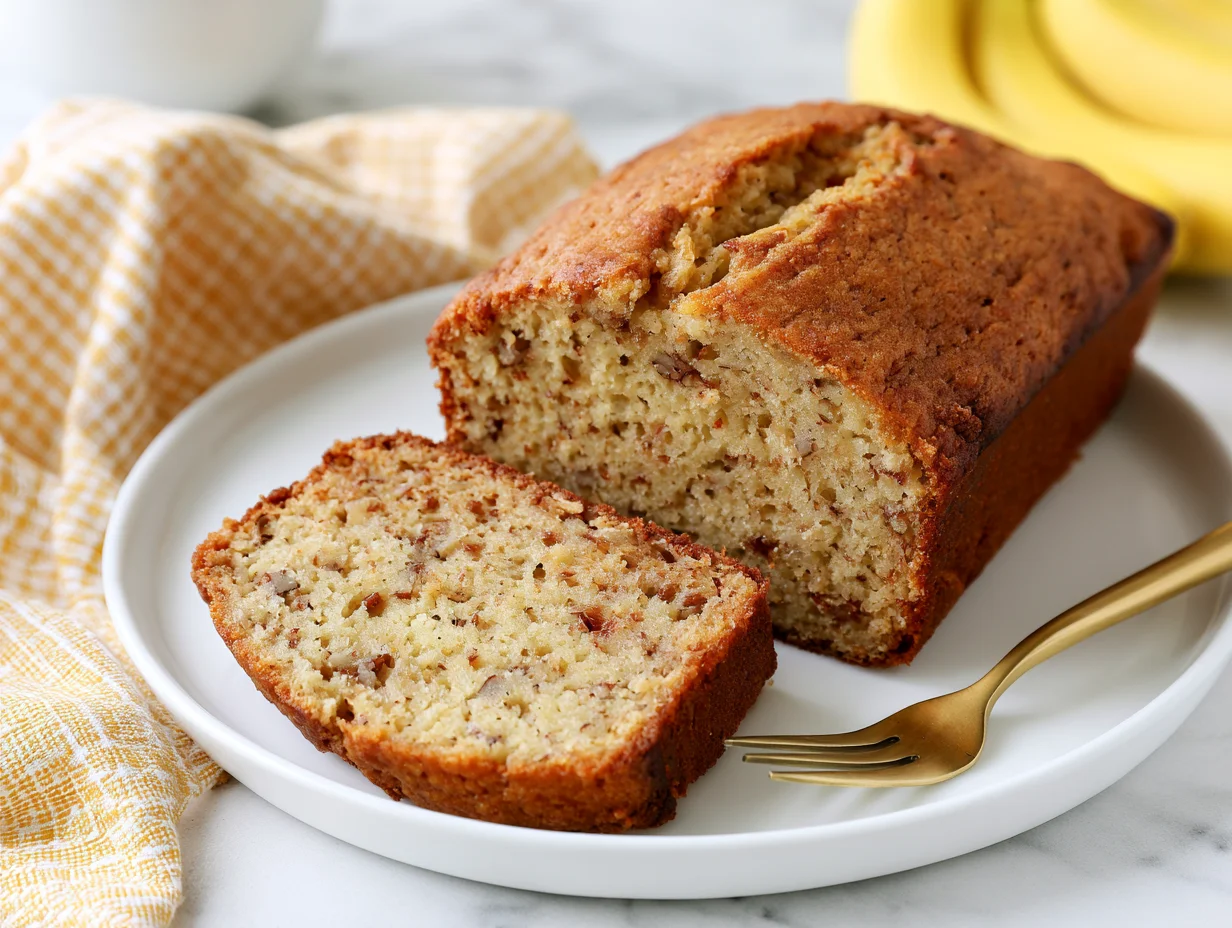
There is something quietly powerful about a loaf of banana bread cooling on the counter. It fills the kitchen with a warm, sweet fragrance that feels like a promise — the kind that never disappoints. This vegan banana bread recipe delivers on that promise every single time, without any eggs, butter, or dairy in sight.
What makes this recipe special is not just that it is plant-based — it is that it genuinely does not taste like a compromise. The crumb is soft and moist, the flavor is deep and naturally sweet, and the texture holds up whether you enjoy it fresh from the oven or two days later. This is the kind of bread that wins over skeptics.
I developed this recipe after years of testing plant-based baking, and the goal was always the same: create something that stands on its own merits, not just as a “vegan version” of a classic. Every ingredient here has a purpose, and every step has been refined so you get consistent results without guesswork.
Whether you are baking for a crowd, meal-prepping snacks for the week, or simply making the most of some overly ripe bananas sitting on your counter, this recipe is for you. It is straightforward, forgiving, and absolutely delicious.
Ingredients You’ll Need
Picture a recipe where your pantry does most of the heavy lifting — no specialty store runs, no obscure ingredients, just thoughtful everyday staples that come together into something genuinely extraordinary.
One of the things I love about this recipe is that it uses simple pantry ingredients. You probably already have most of them in your kitchen.
Base Ingredients
- 3 large overripe bananas, mashed (about 1½ cups)
- 1¾ cups all-purpose flour
- ½ cup coconut sugar (or light brown sugar)
- ⅓ cup melted coconut oil
- ¼ cup unsweetened almond milk (or any plant milk)
- 1 tablespoon ground flaxseed mixed with 3 tablespoons water (flax egg)
- 1 teaspoon pure vanilla extract
- 1 teaspoon baking soda
- 1½ teaspoons baking powder
- ½ teaspoon ground cinnamon
- ¼ teaspoon fine sea salt
Optional Add-ins
- ½ cup dairy-free chocolate chips
- ⅓ cup roughly chopped walnuts or pecans
- 1 teaspoon espresso powder (deepens banana flavor)
- ¼ cup shredded unsweetened coconut
- ½ teaspoon ground nutmeg
Step-by-Step Instructions
Step 1: Prepare Your Flax Egg and Oven
Start by making your flax egg. In a small bowl, combine 1 tablespoon of ground flaxseed with 3 tablespoons of water. Stir well and set aside for 10 minutes to thicken into a gel. This simple mixture acts as your binder, replacing a conventional egg beautifully. While the flax egg sets, preheat your oven to 350°F (175°C) and grease a standard 9×5-inch loaf pan lightly with coconut oil or line it with parchment paper for easy removal.
Step 2: Mash the Bananas
Peel your three overripe bananas and place them into a large mixing bowl. Using a fork or a potato masher, mash them thoroughly until very few lumps remain. The riper the bananas, the sweeter and more flavorful your bread will be — look for heavily speckled or nearly black skins. This is your natural sweetener, your moisture, and your flavor foundation all in one. Do not rush this step; a smooth, even mash makes a significant difference in the final texture of the loaf.
Step 3: Combine the Wet Ingredients
Into the mashed bananas, add the melted coconut oil, almond milk, coconut sugar, vanilla extract, and the prepared flax egg. Whisk everything together until the mixture is smooth, uniform, and slightly glossy. You want all the wet ingredients fully incorporated before introducing the dry ones. This step is where the loaf picks up its richness and depth. Take a moment to taste the batter at this stage — it should smell intoxicatingly good, like a ripe fruit smoothie with warmth underneath.
Step 4: Add the Dry Ingredients
Sift the all-purpose flour, baking soda, baking powder, cinnamon, and sea salt directly into the wet mixture. Using a rubber spatula or a wooden spoon, fold everything together gently using slow, deliberate strokes. Stop mixing the moment you no longer see streaks of flour. Overmixing develops gluten and leads to a dense, rubbery loaf — something we want to avoid entirely. If you are adding any optional mix-ins such as chocolate chips or walnuts, fold them in during the last few strokes of mixing.
Step 5: Pour, Top, and Bake
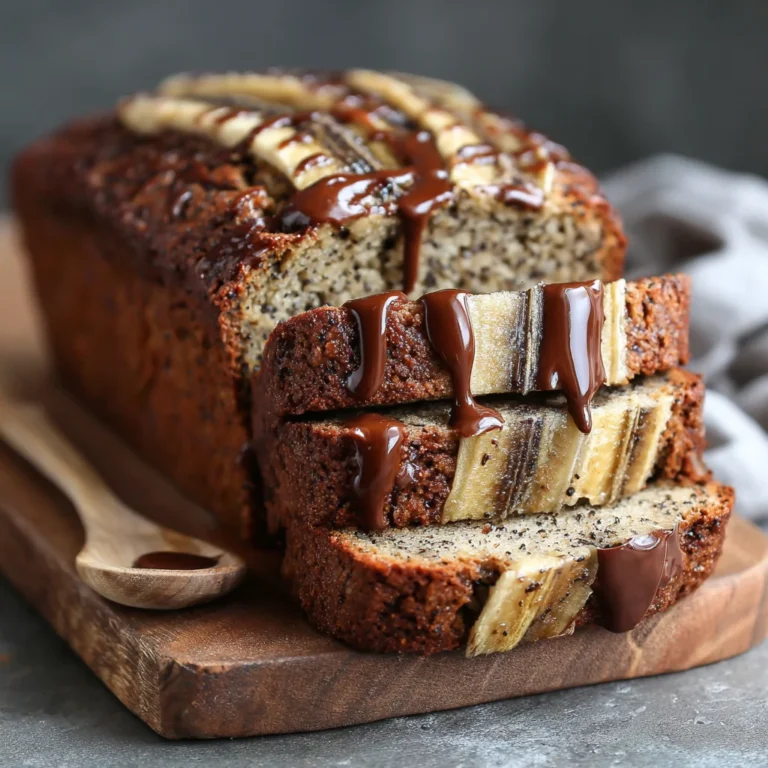
Transfer the batter into your prepared loaf pan and spread it evenly to the edges. If you would like a bakery-style presentation, press a halved banana lengthwise on top of the batter before it goes in the oven — it caramelizes beautifully during baking. Place the pan in the center rack of your preheated oven. Bake for 55 to 65 minutes, or until a toothpick inserted into the center comes out clean or with just a couple of moist crumbs. Begin checking at the 50-minute mark.
Step 6: Cool Before Slicing
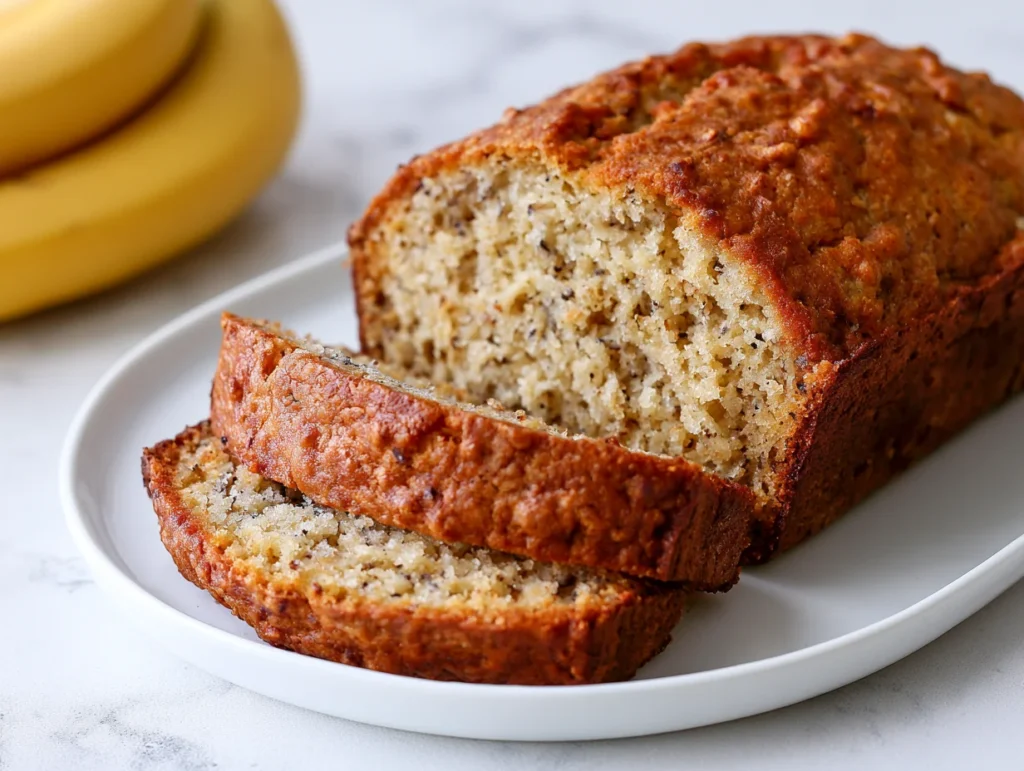
Once baked, remove the loaf from the oven and allow it to rest in the pan for 10 full minutes. Then carefully transfer it to a wire cooling rack. Resist the urge to slice immediately — cutting a hot loaf causes it to crumble and the interior to turn gummy. Allow the bread to cool for at least 30 to 45 minutes before slicing. This resting period allows the structure to set and the flavors to settle fully. Your patience will be rewarded with clean, even slices and a perfectly cohesive crumb.
Cook Time
Total
75 to 80 minutes (including prep and cooling time before slicing)
Prep
15 minutes (including flax egg rest time)
Bake
55 to 65 minutes at 350°F (175°C)
Servings
This loaf is generous and satisfying, making it ideal for households, brunches, or a week of wholesome snacking. The recipe yields a standard loaf that slices cleanly and holds its shape well even after days of storage, which makes portioning effortless and practical.
Makes approximately 10 to 12 slices, depending on how thick you prefer your cuts. For a light breakfast, a single slice is perfectly satisfying. For a more substantial snack alongside nut butter or a cup of coffee, two slices hit the mark.
If you are baking for a larger gathering or want to stock your freezer, the recipe doubles easily. Simply use two loaf pans and extend the bake time by 5 to 8 minutes, checking for doneness with a toothpick. The batter scales up without any adjustments needed to ratios or technique.
Common Mistakes in This Recipe
One of the most frequent errors home bakers make with vegan banana bread is using bananas that are not ripe enough. Firm or lightly yellowed bananas lack both the natural sugar content and the moisture needed to create that signature soft, sweet crumb. The result is a loaf that tastes bland and dry.
Another common mistake is overmixing the batter. Once the dry ingredients meet the wet, the goal is to fold, not whisk. Aggressive or prolonged mixing creates gluten strands that tighten the loaf and produce a chewy, dense texture that is far from pleasant.
Skipping or rushing the flax egg is also a problem many first-time vegan bakers encounter. If the flax mixture has not had at least 8 to 10 minutes to fully hydrate and gel, it will not bind the batter effectively, causing the loaf to crumble when sliced.
Finally, pulling the bread from the oven too early is a surprisingly common misstep. The outside may look golden and fully cooked while the center remains underdone. Always use a toothpick or thin skewer to test the center, and never rely solely on visual cues.
Solutions to Common Mistakes
The fix for under-ripe bananas is simple: patience. Place unpeeled bananas on a baking sheet and roast them in a 300°F oven for 15 to 20 minutes until the skins turn black and the fruit softens completely. This method rapidly intensifies sweetness and creates the ideal baking banana.
To avoid overmixing, switch from a whisk to a rubber spatula the moment you begin combining wet and dry ingredients. Count your strokes if needed — 12 to 15 gentle folds is all you need. Stop at the first sign of an even batter, even if you spot a tiny streak or two of flour.
For the flax egg, set a timer. Mix it before you do anything else in the recipe, and give it the full 10 minutes. A properly gelled flax egg will be thick, sticky, and slightly translucent — if it still looks watery, give it 2 more minutes.
For underbaking, use a light-colored metal loaf pan, which distributes heat more evenly than dark or glass pans. If the top is browning too quickly, loosely tent it with foil at the 40-minute mark and continue baking until the center tests clean.
Nutritional Information (approx. per serving)
- Calories: 210 kcal
- Total Fat: 8g (of which saturated fat: 6g)
- Carbohydrates: 34g
- Dietary Fiber: 2g
- Natural Sugars: 14g
- Protein: 3g
- Sodium: 180mg
- Potassium: 220mg
- Vitamin B6: 12% of Daily Value
- Magnesium: 8% of Daily Value
- Iron: 6% of Daily Value
Bananas are one of the most nutrient-dense fruits available, and in this recipe they do more than sweeten — they provide a meaningful dose of potassium, which supports heart function and muscle health. The natural sugars in ripe bananas come packaged with fiber, which slows the blood sugar response compared to refined sugar.
Coconut oil, used here in modest quantity, contains medium-chain triglycerides that the body processes differently from long-chain fats, making them a more readily available energy source. Flaxseed adds a small but valuable contribution of omega-3 fatty acids and lignans, which support hormonal balance and digestive health.
Ground cinnamon, though used in a small amount, carries a notable benefit: it has been studied for its role in improving insulin sensitivity. Combined with the fiber from bananas and flaxseed, this loaf has a more balanced glycemic profile than many conventional baked goods.
Storage Instructions
Once your banana bread has cooled completely, wrap it tightly in plastic wrap or place it in an airtight container. Stored at room temperature, it will stay moist and delicious for up to three days. Avoid storing it uncovered, as exposure to air will cause the surface to dry out quickly and the crumb to harden.
For longer storage, refrigerate the wrapped loaf for up to one week. Cold temperatures do slow moisture migration, though the bread may firm up slightly in the fridge. To restore its fresh-baked softness, warm individual slices in a toaster or microwave for 15 to 20 seconds before eating.
Banana bread freezes exceptionally well, which makes it one of the most practical bakes for meal prep. Slice the cooled loaf, wrap each slice individually in parchment followed by plastic wrap, and store in a zip-top freezer bag. Frozen slices keep well for up to three months without any loss of flavor or quality.
To thaw, place frozen slices on the counter for 30 to 45 minutes at room temperature, or warm them directly from frozen in a toaster oven at 325°F for 8 to 10 minutes. Label your freezer bag with the date so you always know exactly how long it has been stored.
Suggestions
This banana bread is wonderful on its own, but a few simple additions can take it from everyday snack to a genuine centerpiece. Serve thick slices with a generous spread of almond butter or cashew cream cheese for a protein-rich breakfast that will keep you satisfied through the morning.
For a dessert presentation, warm slices lightly and top them with a scoop of dairy-free vanilla ice cream and a drizzle of date caramel or maple syrup. The contrast of warm bread against cold ice cream creates a combination that feels genuinely indulgent while remaining entirely plant-based.
To build a weekend brunch spread, serve the loaf alongside fresh seasonal fruit, coconut yogurt, and a pot of good coffee or herbal tea. Cut the bread into thicker slices and allow guests to top their own — it turns a simple loaf into an interactive and memorable meal.
If you enjoy experimenting with flavor, try swapping the cinnamon for cardamom and adding a teaspoon of orange zest to the batter. The result is a more aromatic, almost floral variation that pairs beautifully with chai tea in the autumn and early winter months.
Seasonal Relevance
This vegan banana bread recipe is genuinely a year-round bake, but certain seasons make it feel especially timely. In the colder months of autumn and winter, the warm spiced aroma that fills the kitchen as it bakes creates an atmosphere of comfort that no candle can quite replicate. It is the kind of recipe you return to when the weather turns.
During spring and early summer, the recipe adapts beautifully to lighter variations. Reduce the cinnamon, fold in fresh blueberries or diced strawberries, and serve it at room temperature with fresh fruit on the side. The banana base is neutral enough to absorb seasonal additions without losing its identity.
Overripe bananas, the essential starting point for this recipe, tend to accumulate quickly in warmer months when fruit ripens faster. Rather than discarding them, peel and freeze them individually. A stash of frozen ripe bananas means this loaf is always just 15 minutes of prep away, regardless of the season.
This recipe also travels well to seasonal gatherings — summer picnics, autumn potlucks, holiday brunches. It slices cleanly, holds its texture without refrigeration for several hours, and appeals to eaters across all dietary preferences, making it one of the most universally welcomed bakes you can bring to a table.
Final Words
If you have made it to the end of this recipe, you already know this is not your average banana bread. It is a recipe built with intention — every ingredient measured, every step considered, every detail refined through real experience in the kitchen. The result is a loaf that earns its place on your regular baking rotation.
What I find most rewarding about this particular recipe is how accessible it is. You do not need professional equipment, specialty ingredients, or advanced baking skills. What you need is a bowl, a fork, a loaf pan, and a handful of ripe bananas that would otherwise go to waste. The simplicity is part of the beauty.
Vegan baking sometimes carries the unfair reputation of being complicated or second-best. This loaf challenges that perception directly. It is rich, moist, deeply flavorful, and structurally sound — in short, it is everything a great banana bread should be, with nothing you do not need.
I hope you bake it, share it, and make it your own. Add your favorite mix-ins, experiment with the spices, and let the recipe grow with you. The best food is always the kind that carries a little personal history. Consider this your starting point.
Frequently Asked Questions
Can I make this banana bread gluten-free?
Yes. Substitute the all-purpose flour with a 1:1 gluten-free baking blend that contains xanthan gum. Avoid single-grain flours like almond or oat alone, as they alter the structure significantly. The texture will be slightly denser but still moist and very satisfying.
How do I know my banana bread is fully baked without cutting it open?
Insert a thin toothpick or skewer into the center of the loaf at the 55-minute mark. If it comes out clean or with only a few moist crumbs — not wet batter — the bread is done. The top should be deep golden brown and spring back gently when lightly pressed.
Can I reduce the sugar in this recipe?
Yes, you can reduce the coconut sugar by up to 2 tablespoons without affecting the structure. Because overripe bananas provide significant natural sweetness on their own, the loaf will still taste satisfying. Avoid cutting the sugar by more than a quarter, as it also contributes to moisture and browning.
Vegan Banana Bread Recipe
10
servings15
minutes1
hour5
minutes210
kcal1
hour20
minutesA soft, moist, and naturally sweet vegan banana bread made with simple pantry staples — no eggs, no dairy, no compromise. Perfect for breakfast, snacking, or meal prep, this plant-based loaf delivers real bakery-quality flavor every single time.
Ingredients
Base Ingredients:
3 large overripe bananas, mashed (about 1½ cups)
1¾ cups all-purpose flour
½ cup coconut sugar (or light brown sugar)
⅓ cup melted coconut oil
¼ cup unsweetened almond milk (or any plant milk)
1 tablespoon ground flaxseed mixed with 3 tablespoons water (flax egg)
1 teaspoon pure vanilla extract
1 teaspoon baking soda
1½ teaspoons baking powder
½ teaspoon ground cinnamon
¼ teaspoon fine sea salt
Optional Add-ins:
½ cup dairy-free chocolate chips
⅓ cup roughly chopped walnuts or pecans
1 teaspoon espresso powder
¼ cup shredded unsweetened coconut
½ teaspoon ground nutmeg
Directions
- Mix 1 tablespoon ground flaxseed with 3 tablespoons water and let it rest for 10 minutes until it forms a thick gel. Preheat your oven to 350°F (175°C) and grease or line a 9×5-inch loaf pan with parchment paper.
- Mash 3 overripe bananas in a large bowl until smooth with very few lumps remaining.
- Add melted coconut oil, almond milk, coconut sugar, vanilla extract, and the prepared flax egg to the mashed bananas. Whisk until the mixture is fully combined and smooth.
- Sift in the flour, baking soda, baking powder, cinnamon, and salt. Fold gently with a spatula until just combined. Do not overmix. Fold in any optional add-ins at this stage.
- Pour batter into the prepared loaf pan. Optionally, press a halved banana on top for a bakery-style finish.
- Bake for 55 to 65 minutes or until a toothpick inserted in the center comes out clean. Begin checking at the 50-minute mark.
- Cool in the pan for 10 minutes, then transfer to a wire rack. Allow the loaf to rest for at least 30 to 45 minutes before slicing.
Recipe Video
Notes
- Always use heavily speckled or nearly black bananas for the best sweetness and moisture.
- Do not skip the flax egg rest time — it needs the full 10 minutes to gel and bind the batter properly.
- Fold the batter gently and stop mixing as soon as the flour disappears to avoid a dense loaf.
- If the top browns too fast, loosely tent the pan with foil at the 40-minute mark and continue baking.
- For gluten-free, swap all-purpose flour with a 1:1 gluten-free baking blend containing xanthan gum.
- Slices freeze well for up to 3 months — wrap individually in parchment and store in a zip-top bag.
- Warm refrigerated or frozen slices for 15 to 20 seconds in the microwave to restore fresh-baked softness.