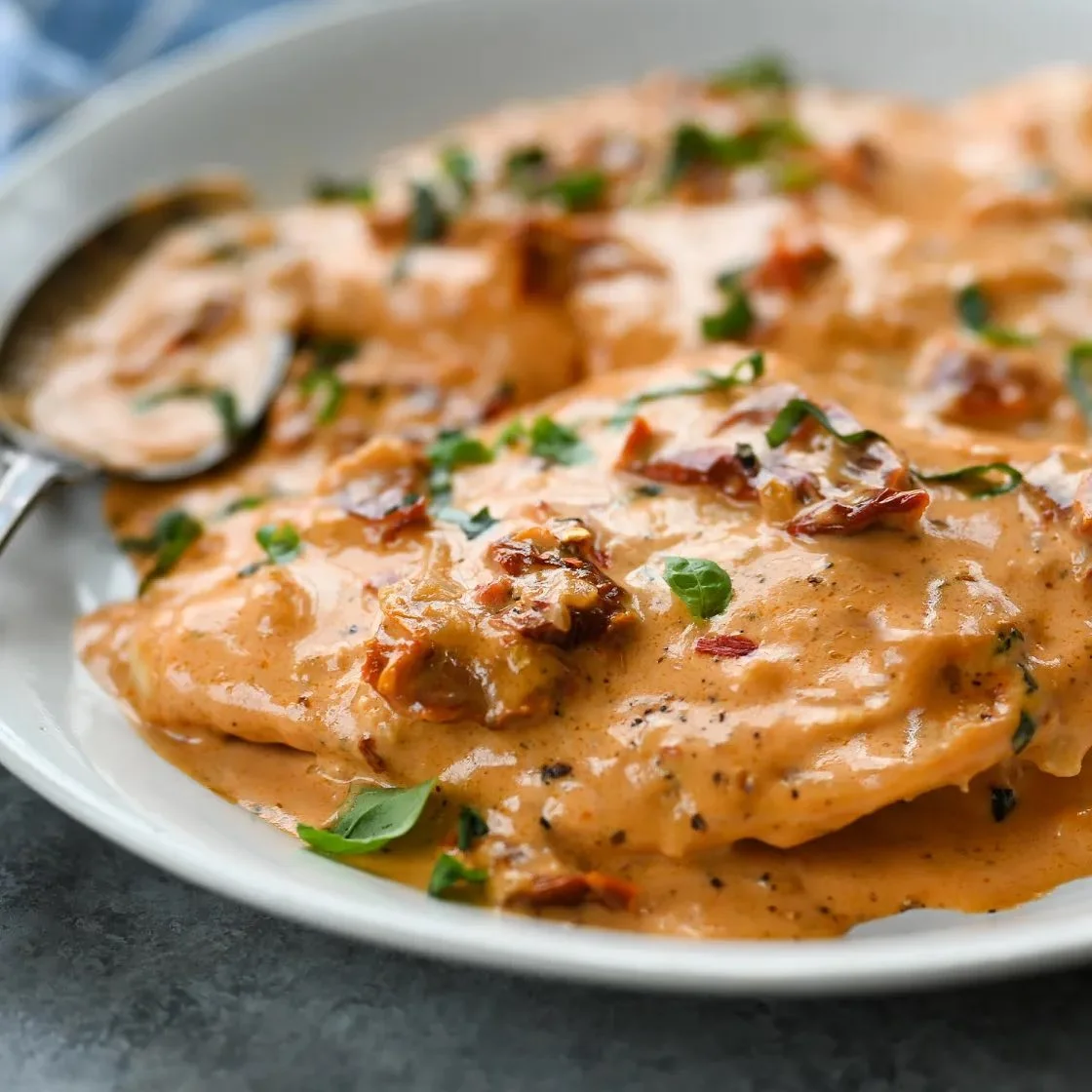
There is a reason butter chicken has traveled from a small kitchen in Old Delhi to nearly every corner of the globe. It is not just a curry — it is a masterclass in balance, where smoky char, tangy tomatoes, and silky cream come together in a single spoonful. Most restaurant versions lean heavily on shortcuts, and the difference shows.
This recipe strips away the guesswork. I have spent years testing ratios of butter to cream, tomato to spice, and char to smoothness until the flavor matched what I remember eating in Punjab. The result is a version you can make on a weeknight without sacrificing depth.
What sets this apart is the two-stage cooking method: marinating and grilling the chicken separately from building the sauce. Skipping this step is why so many homemade versions taste flat. Here, every layer earns its place.
By the end of this article, you will have a foolproof method, a clear ingredient list, and enough insider knowledge to make butter chicken that rivals your favorite restaurant — right from your own stove.
Ingredients You’ll Need
Great butter chicken is not about a long shopping list — it is about a handful of ingredients working in harmony, each one chosen with intention. Once you see how simple this build really is, you will understand why the flavor runs so deep.
One of the things I love about this recipe is that it uses simple pantry ingredients. You probably already have most of them in your kitchen.
Base Ingredients
- 500 g boneless chicken thighs, cut into bite-sized pieces
- 1 cup plain yogurt
- 2 tablespoons lemon juice
- 1 tablespoon ginger-garlic paste
- 2 teaspoons Kashmiri red chili powder
- 1 teaspoon garam masala
- 1 teaspoon ground cumin
- 4 tablespoons unsalted butter
- 1 large onion, finely chopped
- 4 large tomatoes, pureed
- 1 tablespoon ginger-garlic paste (for the sauce)
- 1 cup heavy cream
- 1 tablespoon honey or sugar
- Salt, to taste
- Fresh coriander, for garnish
Optional Add-ins
- 1 teaspoon dried fenugreek leaves (kasuri methi)
- 1/2 teaspoon smoked paprika
- 2 tablespoons cashew paste
- 1 green chili, slit
- 1/4 teaspoon nutmeg powder
- 1 tablespoon tomato paste, for deeper color
Step-by-Step Instructions
Marinate the Chicken
Combine yogurt, lemon juice, ginger-garlic paste, chili powder, cumin, and a pinch of salt in a large bowl. Add the chicken pieces and coat thoroughly, massaging the marinade into the meat. Cover and refrigerate for at least two hours, though overnight yields far more tender, flavorful results. This step tenderizes the chicken while infusing it with the smoky, tangy base notes that define authentic butter chicken. Do not rush this stage — the marination is where much of the dish’s character is built before any cooking begins.
Char the Chicken
Heat a grill pan or skillet until very hot, then sear the marinated chicken in batches without overcrowding. Cook each side for three to four minutes until charred edges form and the interior stays juicy. This char mimics the tandoor’s smoky effect, a hallmark of restaurant-style butter chicken. Avoid boiling the chicken in sauce from raw — searing first locks in flavor and prevents a watery, flat-tasting curry later in the process.
Build the Base Sauce
In the same pan, melt butter and sauté chopped onions until soft and golden, about six minutes. Stir in ginger-garlic paste and cook for one minute until fragrant. Pour in the pureed tomatoes and simmer uncovered for fifteen minutes, stirring occasionally, until the mixture thickens and the raw tomato smell disappears completely. This slow reduction concentrates sweetness and acidity, forming the foundation that will carry every other flavor in the finished dish.
Blend for Silkiness
Allow the tomato-onion base to cool slightly, then blend it into a smooth, lump-free puree using a hand blender or countertop blender. Strain through a sieve if you prefer an ultra-silky, restaurant-style texture. This step is often skipped at home, but it is precisely what separates a rustic curry from the velvety consistency associated with authentic butter chicken. Return the puree to low heat before proceeding.
Finish with Cream and Butter
Stir the seared chicken into the sauce, then add cream, honey, garam masala, and crushed kasuri methi. Simmer gently for ten minutes, allowing the chicken to soak up the sauce without overcooking. Adjust salt and sweetness to taste. Swirl in the remaining butter just before serving for a glossy finish. Garnish with fresh coriander and a light drizzle of cream for a polished, professional presentation.
Cook Time
Total
45 minutes (plus marination time)
Prep
15 minutes
Bake
20 minutes (stovetop simmer and char)
Servings
This recipe makes approximately 4 generous servings, ideal for a family dinner or a small gathering with friends. Each portion pairs beautifully with steamed basmati rice, garlic naan, or a simple cucumber salad to balance the richness of the sauce.
If you are cooking for a larger group, the recipe scales easily. Simply double the ingredients while keeping the marination time and searing technique the same, since these steps directly affect texture and flavor.
Leftovers reheat exceptionally well, making this a smart make-ahead option for busy weeks or meal-prepped lunches without any noticeable drop in quality or taste.
Common Mistakes in This Recipe
The most frequent mistake is skipping or shortening the marination time. Chicken that sits for only twenty minutes never develops the tenderness or depth of flavor that a proper overnight soak provides, leaving the final dish tasting one-dimensional despite a rich sauce.
Another common error is boiling the chicken directly in the sauce instead of searing it first. This produces pale, rubbery meat and prevents the smoky char that defines authentic butter chicken, resulting in a curry that tastes more like a mild tomato stew than the real thing.
Many home cooks also add cream too early, letting it simmer for extended periods. This causes the sauce to split or turn grainy, ruining the silky texture that should coat each bite of chicken evenly.
Finally, using canned tomato puree without adjusting acidity is a frequent oversight. Unbalanced sweetness or excess tang throws off the entire flavor profile, making the dish taste flat or overly sharp instead of harmoniously rich.
Solutions to Common Mistakes
Always marinate the chicken for a minimum of two hours, ideally overnight in the refrigerator. This single change dramatically improves texture and flavor absorption, and it costs nothing extra beyond a little planning ahead of time.
To avoid rubbery chicken, sear it separately in a hot pan before combining it with the sauce. This locks in juices, creates a smoky crust, and replicates the tandoor effect without needing specialized equipment at home.
Add cream only in the final few minutes of cooking, over low heat, and stir gently rather than boiling vigorously. This preserves a smooth, glossy consistency instead of a curdled or separated sauce.
If your tomatoes taste too acidic, balance with a touch of honey or sugar, tasting as you go. Adjusting gradually prevents an overly sweet outcome while still correcting sharpness effectively.
Nutritional Information (approx. per serving)
- Calories: 420 kcal
- Protein: 28 g
- Fat: 30 g
- Carbohydrates: 9 g
- Fiber: 2 g
- Sodium: 480 mg
Butter chicken, despite its indulgent reputation, offers a solid protein punch thanks to the chicken thighs, supporting muscle repair and satiety. When portioned mindfully alongside rice or bread, it can comfortably fit into a balanced weekly meal rotation.
The tomatoes used in the sauce are rich in lycopene, an antioxidant linked to heart health and reduced inflammation. Cooking them down, as this recipe does, actually increases lycopene availability compared to eating tomatoes raw.
Ginger and garlic, present in the marinade and sauce, bring digestive and anti-inflammatory benefits that complement the richness of the cream and butter, helping offset some of the dish’s heaviness.
Yogurt in the marinade contributes probiotics and calcium, while also tenderizing the chicken naturally without needing artificial tenderizers or excess salt, making this a more wholesome version of a beloved classic.
Storage Instructions
Butter chicken stores exceptionally well, making it a strong candidate for meal prep or planned leftovers. Allow the curry to cool completely to room temperature before transferring it into an airtight container, which helps prevent condensation and preserves the sauce’s texture.
Refrigerated, it stays fresh for up to four days. The flavors typically deepen by the second day, as the spices continue to meld with the cream and tomato base, making leftovers arguably even better than the first serving.
For longer storage, freeze the curry in a freezer-safe container for up to two months. Thaw overnight in the refrigerator rather than at room temperature to maintain food safety and preserve texture.
When reheating, use low heat on the stovetop and add a small splash of cream or water to loosen the sauce, since it naturally thickens further after chilling.
Suggestions
Pair this butter chicken with warm garlic naan or buttery basmati rice to soak up every bit of the velvety sauce. A side of cooling cucumber raita balances the richness beautifully and adds textural contrast to the meal.
For a lighter twist, serve it over cauliflower rice or alongside a simple green salad, which keeps the meal satisfying without adding extra heaviness to an already rich main dish.
If you enjoy heat, add extra green chilies or a dash of cayenne when finishing the sauce. This gives the dish a spicier edge without disrupting its signature creamy balance.
Consider making a double batch and freezing half in individual portions. This turns one cooking session into several ready-to-eat meals, perfect for busy weeknights when time is limited.
Seasonal Relevance
Butter chicken shines particularly during colder months, when its rich, warming spices and creamy texture feel especially comforting. It pairs naturally with the coziness of winter evenings and gatherings around the table.
During monsoon season, the dish’s bold spices and hearty texture make it a popular comfort food choice, offering warmth and satisfaction on cool, rainy days when lighter meals feel insufficient.
In summer, it remains a favorite for special occasions and celebrations, though many cooks lighten the cream slightly to keep the dish from feeling overly heavy in warmer weather.
Regardless of season, butter chicken’s popularity around festive occasions, family dinners, and dinner parties keeps it a year-round staple in many households, adaptable to whatever the calendar brings.
Final Words
Butter chicken earns its global reputation not through complexity, but through careful technique applied to a handful of quality ingredients. Mastering the marination, char, and sauce-building process transforms an ordinary weeknight dinner into something genuinely restaurant-worthy.
This recipe reflects years of refinement, distilled into a method that respects both tradition and practicality. It is designed to be repeatable, forgiving, and adaptable to whatever ingredients you already have available.
I encourage you to treat this as a foundation rather than a rigid formula. Adjust spice levels, creaminess, and richness to suit your own palate, and make the dish truly your own over time.
Cooking butter chicken at home connects you to a rich culinary tradition while giving you full control over quality and freshness. Few dishes reward careful technique so generously with flavor.
Frequently Asked Questions
Can I use chicken breast instead of thighs for this recipe?
Yes, though thighs are recommended for their higher fat content, which keeps the meat tender during searing and simmering. Breast meat works but requires careful monitoring to avoid drying out during the cooking process.
Is there a dairy-free version of butter chicken?
Yes, substitute heavy cream with coconut cream and use a plant-based butter alternative. The flavor profile shifts slightly toward a subtle coconut note but remains rich, creamy, and satisfying overall.
Why does restaurant butter chicken taste smokier than mine?
Restaurants often use a tandoor or charcoal smoking technique called dhungar. At home, achieving a strong char through high-heat searing gets you remarkably close without specialized equipment or open-flame smoking methods.