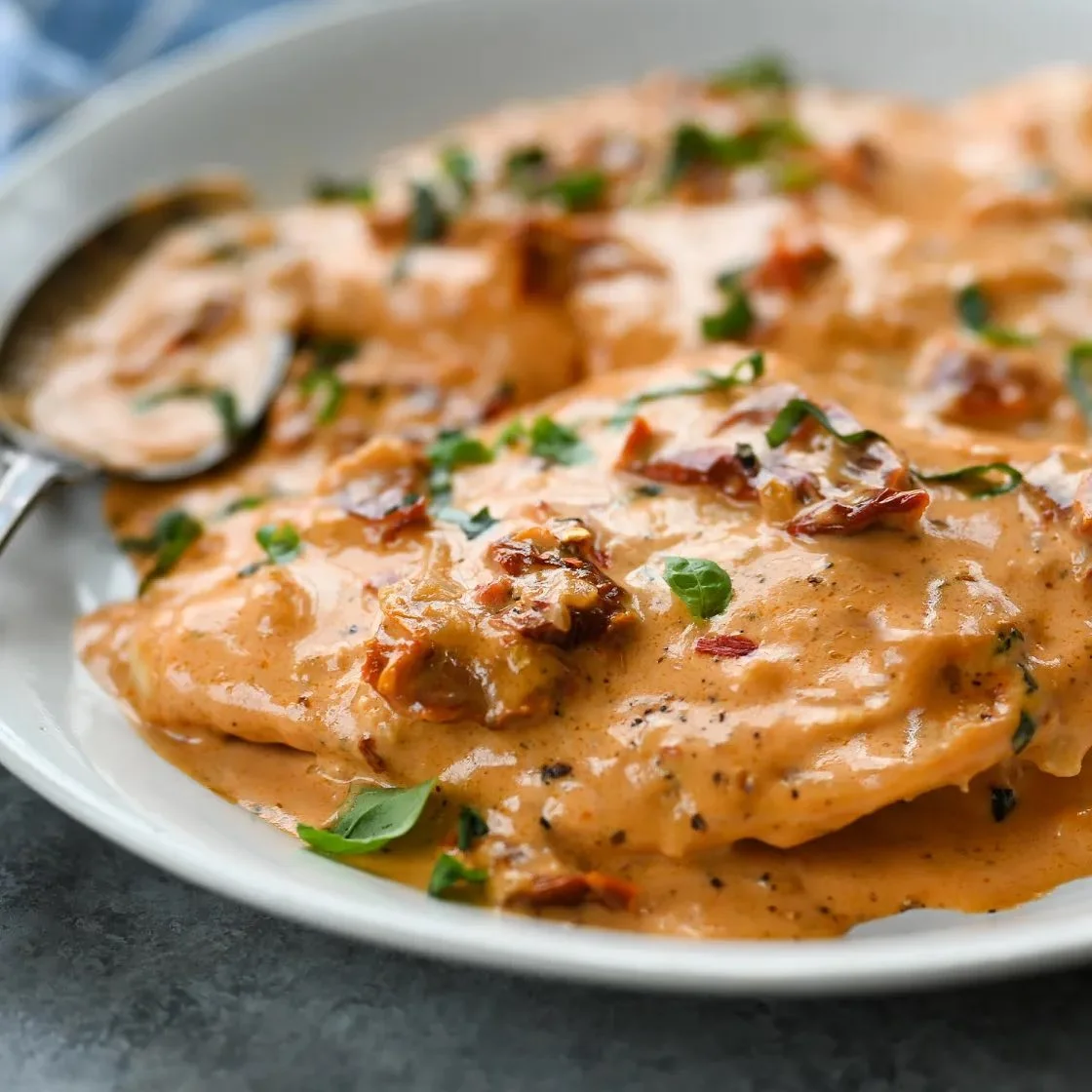
There is a reason orange chicken outsells nearly every other dish on a Chinese-American takeout menu, and it has nothing to do with luck. It is the contrast: shattering, golden batter against a glossy, citrus-laced sauce that clings to every bite. Most home versions fall flat because the chicken turns soggy the moment sauce touches it. This recipe fixes that problem for good.
I developed this version after years of ordering the same dish and wondering why my kitchen attempts never matched the restaurant crunch. The answer turned out to be technique, not mystery ingredients. A proper double-fry method and a sauce that reduces to the right thickness make all the difference.
What you get here is real orange flavor, not the neon-orange sugar syrup found in mass-produced versions. Fresh zest and juice do the heavy lifting, balanced against rice vinegar, garlic, and a touch of heat. The chicken stays audibly crispy for a solid ten minutes after saucing, which is exactly what you want at the dinner table.
This is a weeknight-friendly recipe that still feels like a restaurant achievement. Follow the steps in order, respect the resting times, and you will land a dish that outperforms takeout on flavor, freshness, and texture every single time.
Ingredients You’ll Need
Great orange chicken lives or dies by what’s in your pantry right now, and the good news is you are probably closer to making this tonight than you think.
Base Ingredients
- 1.5 lbs boneless, skinless chicken thighs, cut into bite-sized pieces
- 3/4 cup cornstarch
- 1/4 cup all-purpose flour
- 2 large eggs, beaten
- 1 teaspoon salt
- 1/2 teaspoon black pepper
- Vegetable oil, for frying
- 2/3 cup fresh orange juice
- 1 tablespoon orange zest
- 1/4 cup rice vinegar
- 3 tablespoons soy sauce
- 1/3 cup brown sugar
- 3 cloves garlic, minced
- 1 tablespoon fresh ginger, grated
- 1 tablespoon cornstarch mixed with 2 tablespoons water
Optional Add-ins
- 1/2 teaspoon red chili flakes, for heat
- 1 tablespoon sesame oil, for aroma
- 2 green onions, sliced, for garnish
- 1 teaspoon toasted sesame seeds, for garnish
- 1/4 teaspoon five-spice powder, for depth
Step-by-Step Instructions
Prepare the Chicken
Pat the chicken pieces completely dry with paper towels; moisture is the enemy of crispiness. Season lightly with salt and pepper. In one bowl, whisk the eggs. In another, combine cornstarch and flour. Dip each chicken piece into egg, then dredge thoroughly in the cornstarch mixture, pressing gently so the coating adheres. Set the coated pieces on a wire rack for five minutes before frying so the coating sets properly and won’t slide off in the hot oil.
Fry Twice for Maximum Crunch
Heat vegetable oil to 350°F in a deep pan. Fry the chicken in batches for three to four minutes until pale gold, then remove to a rack. Let the oil come back to temperature and fry everything a second time for two minutes until deep golden and audibly crisp. This double-fry method drives out excess moisture, giving you that signature restaurant-style shell that holds up beautifully once sauced.
Build the Sauce
In a saucepan over medium heat, combine orange juice, zest, rice vinegar, soy sauce, brown sugar, garlic, and ginger. Bring to a gentle simmer, stirring occasionally, for about three minutes until the sugar dissolves fully. Stir the cornstarch slurry once more, then pour it in while whisking continuously. Continue cooking for one to two minutes until the sauce thickens enough to coat the back of a spoon.
Toss and Serve Immediately
Working quickly, add the fried chicken directly into the sauce, tossing gently with a spatula to coat every piece evenly without breaking the crust. This should take no more than thirty seconds. Transfer to a serving platter immediately. Garnish with sliced green onions and toasted sesame seeds. Serve right away over steamed rice while the coating is still at its crispiest peak.
Cook Time
Total:
45 minutes
Prep:
20 minutes
Bake:
25 minutes (frying and sauce combined)
Servings
This recipe makes approximately 4 generous servings, perfect for a family dinner or a small gathering where everyone wants seconds. Each portion pairs naturally with a base of steamed jasmine rice or lo mein noodles, letting the sauce spread its flavor across the whole plate.
If you’re cooking for a larger crowd, the recipe scales cleanly. Simply double the chicken, egg wash, and cornstarch coating, but build the sauce in two separate batches rather than one large pot. This keeps the reduction time accurate and prevents an overly thin or overly thick finish.
For meal prep, portion the fried chicken and sauce separately into containers. Reheating them apart and combining just before eating preserves far more crunch than storing them pre-tossed, which is worth the extra five minutes of effort.
Common Mistakes in This Recipe
The single biggest mistake is skipping the double fry. A single fry leaves internal moisture trapped under the crust, and that moisture escapes as steam the moment the hot chicken hits the sauce, softening it within minutes. Another frequent error is overcrowding the frying pan, which drops the oil temperature and produces greasy, pale coating instead of a crisp golden shell.
Many home cooks also rush the sauce, pulling it off the heat before the cornstarch slurry has fully thickened it. A thin sauce slides right off the chicken instead of clinging to it. On the opposite end, some let the sauce reduce too long, turning it sticky and overly sweet rather than glossy and balanced.
Finally, letting the chicken sit in the sauce before serving is a common misstep. Even perfectly fried chicken will lose its crunch if it sits tossed in sauce for more than a few minutes, so timing the final toss matters as much as the frying itself.
Solutions to Common Mistakes
Always fry in small batches, giving each piece enough space for oil to circulate freely, and use a thermometer to keep the oil steady at 350°F. This single habit solves both the greasy coating issue and the double-fry timing problem in one move.
For the sauce, test its thickness by coating a spoon and running a finger through it; if the line holds clearly, it’s ready. If it’s too thin, simmer another thirty seconds. If it thickens too fast, remove from heat immediately rather than continuing to stir over the burner.
Time your frying and sauce-making so they finish within a minute or two of each other. This way, the chicken goes straight from the rack into the sauce without a long wait, preserving maximum crispness.
Serve immediately after tossing, plated and ready, rather than leaving the dish to rest on the stovetop. Guests should be seated before the final toss happens, not after.
Nutritional Information (approx. per serving)
- Calories: 410 kcal
- Protein: 27g
- Carbohydrates: 38g
- Fat: 16g
- Sugar: 14g
- Sodium: 620mg
- Fiber: 1g
Beyond flavor, this dish delivers a solid protein base from the chicken thighs, which support muscle repair and keep you satisfied longer than leaner cuts alone. The orange juice and zest contribute real vitamin C, a nutrient that supports immune function and skin health, something the artificial versions of this dish never offer.
Garlic and ginger, both featured prominently in the sauce, bring natural anti-inflammatory compounds that have been studied for supporting digestion and circulation. Using fresh aromatics instead of powdered substitutes means you get more of these benefits per serving.
Because the sauce is made from scratch, you control the sugar content directly, which is a meaningful advantage over restaurant versions that often rely on high-fructose corn syrup. Reducing the brown sugar slightly, if desired, lowers the sugar count without compromising the sauce’s structure.
Pairing this dish with steamed vegetables or a side salad rounds out the meal with added fiber and micronutrients, making it easier to enjoy as part of a balanced dinner rather than an occasional indulgence.
Storage Instructions
Store leftover chicken and sauce in separate airtight containers in the refrigerator for up to three days. Keeping them apart is the single most important habit for preserving texture, since sauce left touching the coating overnight will soften it considerably by the next day.
To reheat, warm the chicken pieces in an air fryer or a 400°F oven for six to eight minutes until the exterior crisps back up. Avoid the microwave for this step, as it steams the coating rather than restoring its crunch.
The sauce reheats easily in a small saucepan over low heat, stirring until it loosens back to its original glossy consistency. If it has thickened too much in the fridge, a teaspoon of water whisked in will bring it back to the right texture.
Freezing is possible for the fried chicken alone; lay pieces on a tray to freeze individually before transferring to a bag, which prevents clumping. The sauce is best made fresh, as citrus flavor dulls noticeably after freezing and thawing.
Suggestions
Serve this dish over steamed jasmine rice for a classic pairing, or swap in cauliflower rice for a lighter, lower-carb version that still soaks up the sauce beautifully. Either base lets the orange glaze take center stage without competing for attention.
A side of quick-pickled cucumbers or a simple sesame slaw adds welcome acidity and crunch that cuts through the richness of the fried chicken, balancing the meal rather than overwhelming it with sweetness.
For a spicier take, increase the chili flakes in the sauce or add a small spoonful of chili garlic paste while simmering. This turns the dish into a closer cousin of General Tso’s chicken while keeping the citrus notes intact.
If you’re hosting, consider serving the chicken family-style on a large platter with extra sauce on the side, letting guests add more to taste. It keeps the presentation impressive without extra kitchen work.
Seasonal Relevance
Orange chicken naturally shines in the colder months, when citrus fruit is at its peak and prices at the market drop noticeably. Winter oranges tend to be juicier and more fragrant, which translates directly into a brighter, more vibrant sauce than what you’d get from off-season fruit.
That said, this dish works comfortably year-round as a reliable weeknight dinner or a Lunar New Year centerpiece, when citrus dishes are traditionally served for good fortune and prosperity in many households.
In summer, lightening the sauce slightly with an extra splash of fresh orange juice and serving the chicken alongside a cold noodle salad keeps the meal feeling appropriate for warmer weather without losing its identity.
Whatever the season, sourcing firm, fragrant oranges with tight skin will give you noticeably better zest and juice than pre-bottled juice ever could, and that freshness is what separates a good version of this recipe from a forgettable one.
Final Words
This orange chicken recipe rewards patience in exactly the places that matter: drying the chicken properly, frying it twice, and timing the sauce so it thickens without overcooking. None of these steps are difficult, but skipping any one of them noticeably changes the outcome.
What makes this version worth returning to is the balance it strikes. It is sweet without being cloying, tangy without being sharp, and crispy in a way that actually lasts through the meal instead of collapsing under the sauce within minutes.
Once you’ve made it a few times, the technique becomes second nature, and you’ll likely find yourself skipping takeout menus altogether in favor of this homemade version, which costs less and tastes noticeably fresher.
Keep this recipe in your regular rotation, adjust the heat and sweetness to your household’s taste over time, and don’t be surprised when it becomes one of the most requested dinners at your table.
Frequently Asked Questions
Can I use chicken breast instead of thighs?
Yes, chicken breast works fine, though thighs stay juicier during the double fry. If using breast, cut pieces slightly larger and watch the frying time closely, since leaner meat dries out faster than thigh meat under high heat.
Why did my sauce turn out too thin even after adding the cornstarch slurry?
The slurry likely wasn’t fully dissolved before adding, or the sauce wasn’t simmered long enough afterward. Always whisk the slurry right before pouring it in, and let the sauce bubble for a full one to two minutes.
Can I bake the chicken instead of frying it?
Yes, though the crunch will be noticeably lighter. Bake coated pieces at 425°F on a wire rack for about 20 minutes, flipping halfway, then toss with the finished sauce just before serving for the best possible texture.