Decadent Chocolate Mousse Recipe
There is a particular kind of silence that falls over a table when chocolate mousse is served. It is the silence of anticipation, the pause before a spoon breaks through that impossibly light surface into something rich, cool, and velvety underneath. This is not the mousse from a plastic cup. This is the real version, the one French pastry chefs have guarded for generations.
Chocolate mousse looks intimidating because of its reputation. People imagine tempering chocolate, whipping cream to exact stages, folding without deflating air. The truth is gentler. With the right technique and a little patience, this dessert comes together with nothing more than a bowl, a whisk, and good chocolate.
What sets a great mousse apart is texture, not complexity. Air is the secret ingredient here. Properly whipped egg whites and cream create that signature cloud-like bite, while quality dark chocolate delivers the deep, almost bittersweet backbone that makes this dessert feel indulgent rather than cloying.
This recipe walks through every stage, from melting chocolate correctly to folding technique, so the result is glossy, stable, and restaurant-worthy. Whether this is a first attempt or a tenth, the method below removes the guesswork and delivers consistent results every time.
Ingredients You’ll Need
Great mousse begins long before the whisk touches the bowl; it starts with choosing components that actually deserve to be in a dessert this simple, because when a recipe has so few ingredients, each one carries real weight.
Base Ingredients
- 200g dark chocolate (60-70% cocoa)
- 4 large eggs, separated
- 50g granulated sugar
- 1 cup heavy whipping cream
- 1 tablespoon unsalted butter
- 1 teaspoon vanilla extract
- A pinch of salt
Optional Add-ins
- 1 tablespoon espresso powder
- 2 tablespoons orange zest
- 1 tablespoon dark rum or Grand Marnier
- 1/4 teaspoon cinnamon
- 2 tablespoons cocoa nibs for garnish
Step-by-Step Instructions
Melt the Chocolate
Chop the chocolate into small, even pieces so it melts smoothly without scorching. Place it in a heatproof bowl set over a pan of barely simmering water, making sure the bowl does not touch the water. Add the butter and stir gently until fully melted and glossy. Remove from heat immediately once smooth. Let it cool slightly for about five minutes so it does not cook the egg yolks when combined in the next step. A double boiler prevents burning and keeps the chocolate’s flavor clean and rich.
Combine Yolks and Chocolate
In a separate bowl, whisk the egg yolks with vanilla extract until slightly pale and thickened. Slowly pour the warm melted chocolate into the yolks, whisking constantly to prevent curdling. The mixture should turn into a thick, smooth, dark paste. This step builds the rich base flavor of the mousse. If using espresso powder, orange zest, or liqueur, fold it in now while the mixture is still warm and easy to incorporate evenly throughout.
Whip the Cream
In a chilled bowl, whip the heavy cream until soft peaks form, meaning it holds shape but the tip gently folds over. Avoid overwhipping, as stiff, grainy cream will make the mousse heavy rather than airy. Set the whipped cream aside in the refrigerator while preparing the egg whites. Keeping everything cold at this stage matters significantly, since warm cream loses structure quickly and won’t hold the delicate air pockets needed for that signature mousse texture later.
Whisk the Egg Whites
Using a clean, grease-free bowl, beat the egg whites with a pinch of salt until foamy. Gradually add the sugar, continuing to whip until glossy stiff peaks form. The peaks should stand upright without collapsing. This meringue-like base is what gives mousse its airy lift. Take care not to overbeat past stiff peaks, as the whites can turn dry and clumpy, making them far more difficult to fold smoothly into the chocolate base.
Fold Everything Together
Gently fold one-third of the whipped cream into the chocolate mixture to loosen it. Then fold in the remaining cream in two additions, using a spatula with a light, sweeping motion. Repeat this same gentle folding process with the egg whites, working in batches. Stop folding the moment no streaks remain. Overmixing deflates the air bubbles that give mousse its signature texture, so patience and a light hand here matter enormously.
Chill and Set
Divide the mousse evenly into serving glasses or ramekins. Cover each one with plastic wrap, pressing it lightly against the surface to prevent a skin from forming. Refrigerate for at least four hours, though overnight chilling produces the best texture and flavor development. The mousse needs this time to firm up properly and develop that signature melt-in-the-mouth consistency. Patience at this final stage is what separates good mousse from truly exceptional mousse.
Cook Time
Total:
4 hours 30 minutes (includes chilling time)
Prep:
30 minutes
Bake:
No baking required
Servings
This recipe makes approximately 6 servings when portioned into standard dessert glasses or ramekins, each holding roughly half a cup of mousse. It is generous enough to feel indulgent without being overwhelming, striking that balance between a satisfying dessert and a rich finish to a meal.
For dinner parties or holiday gatherings, this recipe scales beautifully. Doubling the batch easily serves a table of twelve, and the mousse holds well in the refrigerator for several days, making it an excellent make-ahead option for entertaining without last-minute stress.
Smaller shot glasses or espresso cups work wonderfully for portion control at larger gatherings, stretching the same batch to eight or nine elegant, bite-sized servings, perfect for dessert tables alongside other sweets.
Common Mistakes in This Recipe
The most frequent error happens at the chocolate-melting stage. Many home cooks melt chocolate too quickly over direct heat, causing it to seize into a grainy, unusable paste instead of staying smooth and glossy. Another common misstep involves adding warm chocolate directly into cold whipped cream, which causes the chocolate to harden into small unpleasant flecks throughout the mousse rather than blending seamlessly into a unified mixture.
Overwhipping cream and egg whites ranks as another major pitfall. Cream whipped past soft peaks turns grainy and buttery, while egg whites beaten too far become dry, clumped, and resistant to folding evenly. Folding technique itself trips up many bakers too, since aggressive stirring instead of gentle folding deflates all the carefully built air, leaving a dense, flat mousse rather than the light, cloud-like texture this dessert is known for. Skipping adequate chilling time is the final common mistake.
Solutions to Common Mistakes
Always melt chocolate slowly using a double boiler with gently simmering water, never direct heat, and stir frequently for even, controlled melting. Let the melted chocolate cool for several minutes before combining it with other ingredients, ensuring temperatures are closer when mixed so nothing seizes or hardens unexpectedly.
When whipping cream, stop at soft peaks that gently fold over rather than stand stiffly upright, checking frequently rather than walking away from the mixer. The same careful attention applies to egg whites; stop the moment glossy, stiff peaks form and resist the urge to keep whipping for extra volume.
For folding, use a wide rubber spatula and a gentle figure-eight motion, cutting through the center and sweeping around the bowl’s edge. Work in small batches rather than dumping everything in at once.
Finally, commit to the full chilling window, ideally overnight, resisting the temptation to serve early before the structure fully sets.
Nutritional Information (approx. per serving)
- Calories: 320 kcal
- Protein: 6g
- Carbohydrates: 18g
- Sugar: 14g
- Total Fat: 25g
- Saturated Fat: 14g
- Cholesterol: 145mg
- Fiber: 2g
Dark chocolate, the star of this recipe, contains flavonoids and antioxidants that have been associated with cardiovascular benefits when consumed in moderation. Choosing chocolate with 60-70% cocoa content also means less added sugar compared to milk chocolate versions, making this dessert a slightly more balanced indulgence than many alternatives on a dessert menu.
Eggs contribute high-quality protein along with choline, a nutrient that supports brain and nervous system function. The healthy fats found in both eggs and cream contribute to satiety, meaning a single modest serving of this rich mousse genuinely satisfies a sweet craving far more effectively than larger portions of lighter, less satisfying desserts.
Because this recipe relies on whole, simple ingredients without preservatives, stabilizers, or artificial flavorings, it offers more transparency and nutritional value than most store-bought or pre-packaged mousse cups. Portion control remains key, given the dessert’s richness and calorie density per serving.
For those mindful of cholesterol intake, enjoying this as an occasional treat rather than a regular habit allows the dessert’s genuine pleasures to be appreciated without dietary concern, particularly when paired with an otherwise balanced, varied diet.
Storage Instructions
Chocolate mousse stores exceptionally well in the refrigerator, making it an ideal make-ahead dessert for entertaining. Once set, cover each individual serving tightly with plastic wrap or transfer to an airtight container, and the mousse will remain fresh and delicious for up to four days without any noticeable decline in texture or flavor.
Avoid leaving mousse uncovered in the refrigerator, as it readily absorbs surrounding odors from other foods, which can dull its rich chocolate flavor considerably. Always press plastic wrap directly against the surface before sealing the container to prevent a dry skin from forming on top.
Freezing is possible but changes the texture noticeably upon thawing, since the delicate air structure built through whipping does not always survive the freeze-thaw cycle perfectly. If freezing is necessary, use airtight individual containers and thaw slowly in the refrigerator overnight rather than at room temperature.
Never store mousse at room temperature for longer than two hours, as the dairy and egg content require consistent refrigeration to remain food-safe. Always serve chilled directly from the refrigerator for the best texture and food safety.
Suggestions
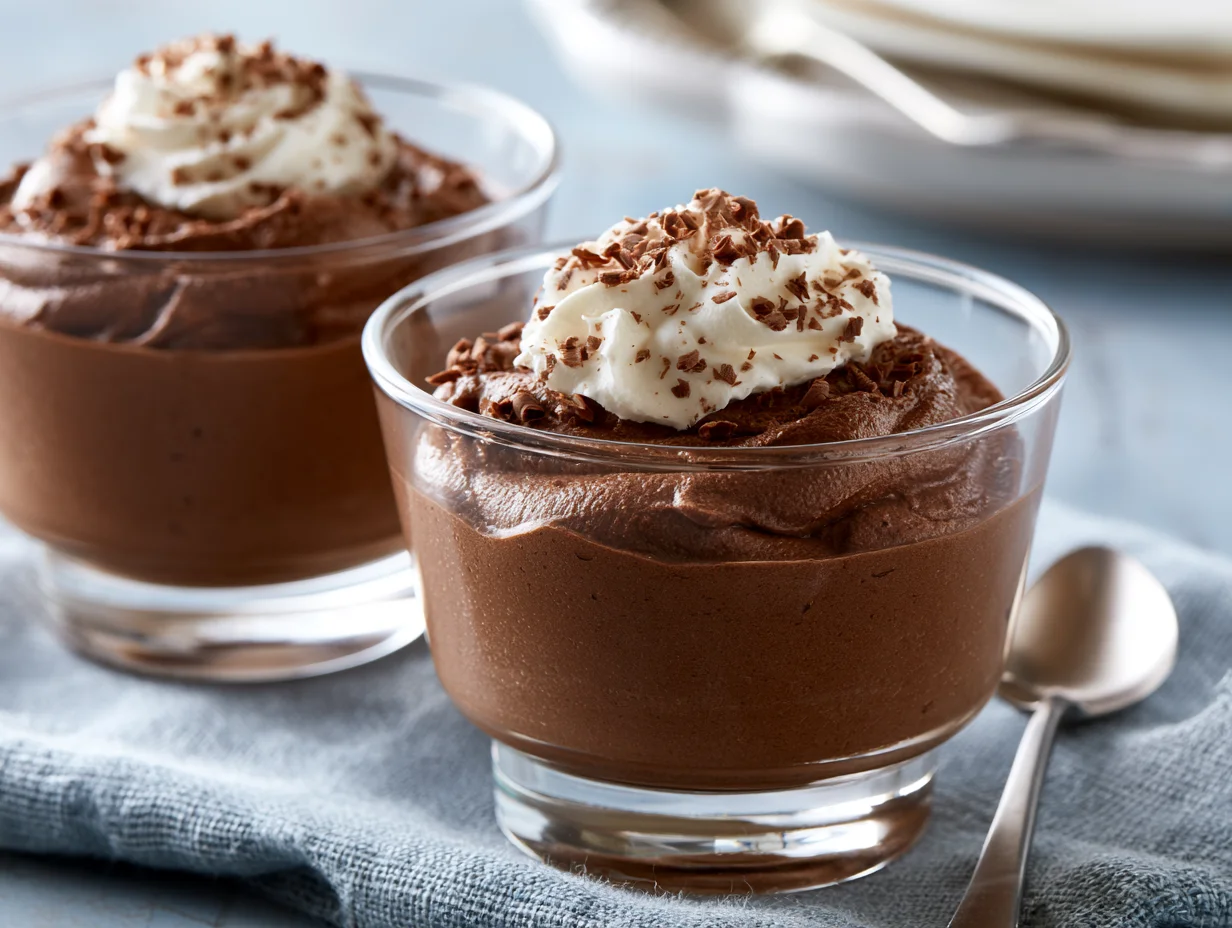
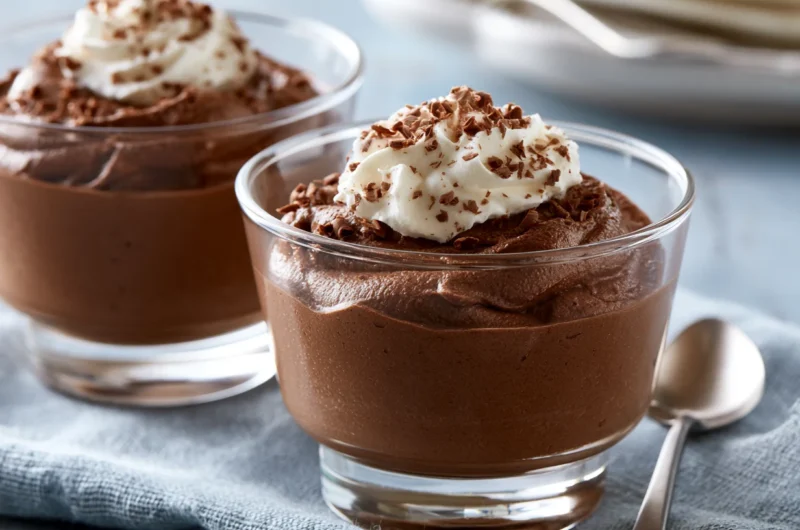
Fresh raspberries or strawberries cut beautifully through the richness of this mousse, their bright acidity balancing the deep chocolate flavor perfectly. A light dusting of cocoa powder or shaved chocolate curls on top adds visual elegance with almost no additional effort required before serving to guests.
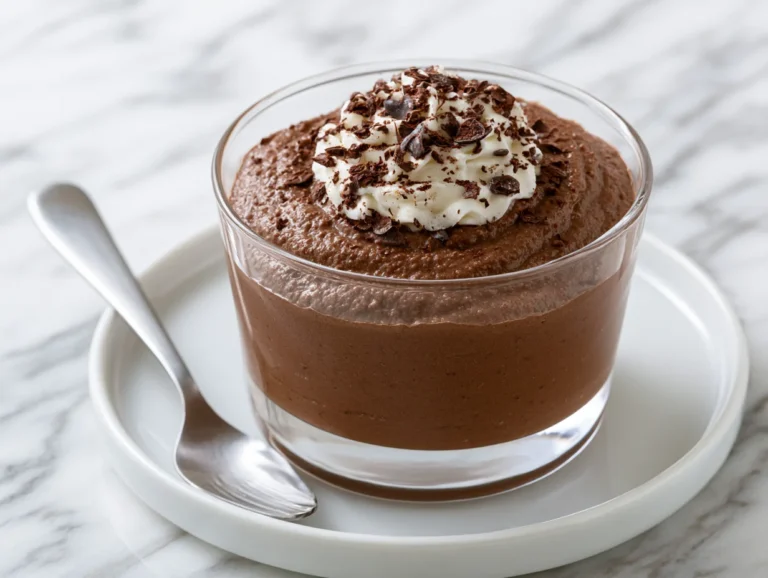
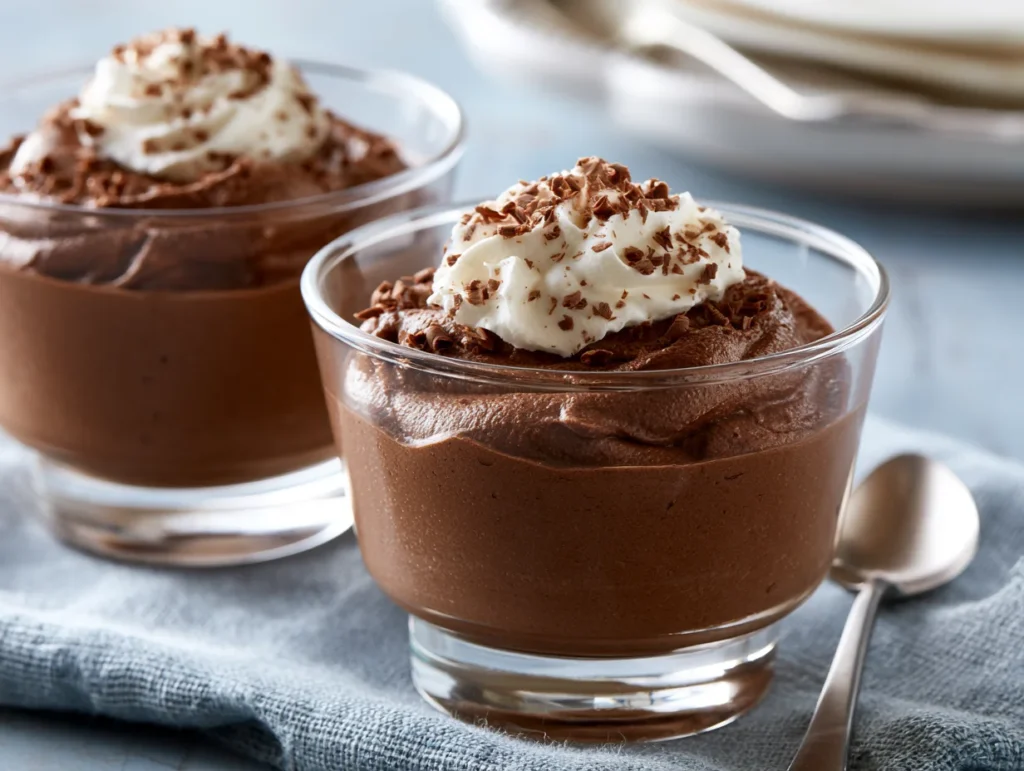
For an elevated presentation, serve the mousse in clear glassware so the smooth, glossy layers are visible, then top with a small dollop of lightly sweetened whipped cream just before serving rather than during the chilling stage.
Pairing this dessert with a small espresso or a glass of dessert wine, such as port or a late-harvest Riesling, creates a sophisticated finish to a dinner party that feels intentional rather than simply sweet for the sake of sweetness.
Crushed hazelnuts, toasted almonds, or a sprinkle of flaky sea salt on top introduce texture contrast, turning a simple chocolate mousse into something that feels genuinely composed and restaurant-quality at home.
Seasonal Relevance
Chocolate mousse holds a special place during the colder months, particularly around Christmas, New Year’s Eve, and Valentine’s Day, when rich, indulgent desserts feel especially fitting for celebratory gatherings and intimate dinners shared with loved ones.
During autumn, warming spices like cinnamon or a splash of orange liqueur can be folded into the base, aligning the dessert with seasonal flavor trends while keeping the core technique exactly the same throughout the year.
In warmer months, this mousse remains relevant as a make-ahead dessert for outdoor entertaining, since it requires no oven and holds its texture well when kept properly chilled, making it practical even during summer dinner parties or barbecues.
Its versatility across seasons, paired with fresh berries in summer or citrus zest in winter, ensures this recipe never feels out of place on a seasonal dessert table, regardless of the time of year it is served.
Final Words
Mastering chocolate mousse is less about complicated technique and more about respecting a few key moments: gentle melting, careful folding, and patient chilling. Once those fundamentals are understood, this dessert becomes a reliable favorite that can be returned to again and again with confidence and consistent results.
This recipe rewards attention to detail rather than advanced culinary skill, which is exactly what makes it so valuable for home cooks looking to expand their dessert repertoire with something that genuinely impresses guests without demanding professional training or specialized equipment.
The beauty of mousse lies in its adaptability. Once the base technique feels comfortable, experimenting with flavors, from espresso to citrus to liqueur, becomes an enjoyable way to personalize the dessert for different occasions, seasons, and personal preferences over time.
Ultimately, a well-made chocolate mousse speaks for itself. Its texture, its richness, and its simplicity make it a dessert worth mastering, one that will likely become a requested favorite among family and friends for years to come.
Frequently Asked Questions
Can I make chocolate mousse without raw eggs?
Yes, pasteurized eggs are a safe substitute and behave identically in whipping and folding. Alternatively, a stabilized whipped cream base without eggs can be used, though the texture will be slightly denser and less airy than the traditional egg-based version.
Why did my mousse turn out runny instead of set?
Runny mousse usually means insufficient chilling time or overmixing that deflated the air structure. Ensure cream and egg whites are whipped to proper peaks, fold gently, and always allow a minimum of four hours refrigeration before serving for proper setting.
Can I use milk chocolate instead of dark chocolate?
Yes, though the mousse will taste noticeably sweeter and less intense. If substituting, consider reducing the added sugar slightly to balance the extra sweetness already present in milk chocolate, keeping the final flavor from becoming overly cloying or one-dimensional.
Decadent Chocolate Mousse Recipe
6
servings30
minutes320
kcal30
minutesIngredients
Base Ingredients:
200g dark chocolate (60-70% cocoa)
4 large eggs, separated
50g granulated sugar
1 cup heavy whipping cream
1 tablespoon unsalted butter
1 teaspoon vanilla extract
A pinch of salt
Optional Add-ins:
1 tablespoon espresso powder
2 tablespoons orange zest
1 tablespoon dark rum or Grand Marnier
1/4 teaspoon cinnamon
2 tablespoons cocoa nibs for garnish
Directions
- Melt the chocolate with butter over a double boiler until smooth and glossy; let cool slightly.
- Whisk egg yolks with vanilla, then slowly combine with warm melted chocolate, whisking constantly.
- Whip heavy cream to soft peaks and refrigerate until needed.
- Beat egg whites with a pinch of salt, gradually adding sugar until glossy stiff peaks form.
- Fold whipped cream into the chocolate mixture in batches, then gently fold in the egg whites.
- Divide into serving glasses, cover, and refrigerate for at least 4 hours or overnight.
Recipe Video
Notes
- Use 60-70% cocoa dark chocolate for the best flavor balance.
- Always melt chocolate slowly to avoid seizing.
- Stop whipping cream and egg whites at the peak stage to avoid a dense texture.
- Fold gently to preserve airiness; do not stir.
- Overnight chilling gives the best texture and flavor development.
- Store covered in the refrigerator for up to 4 days.