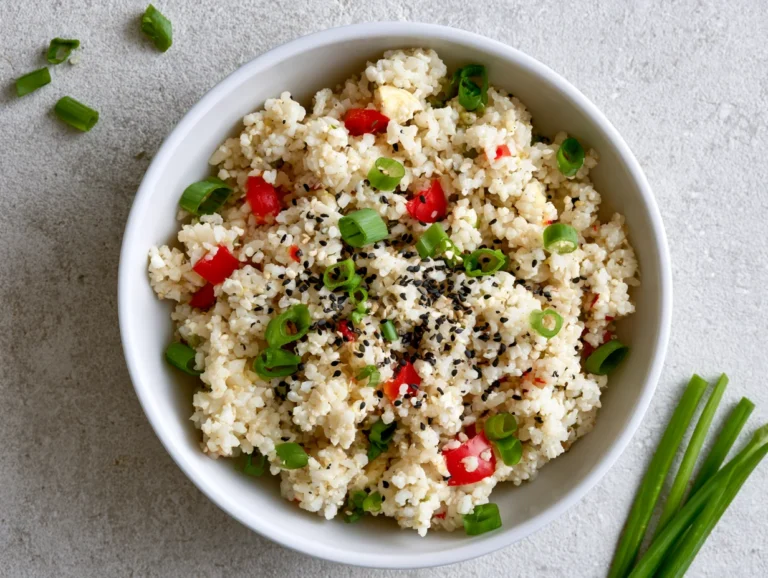
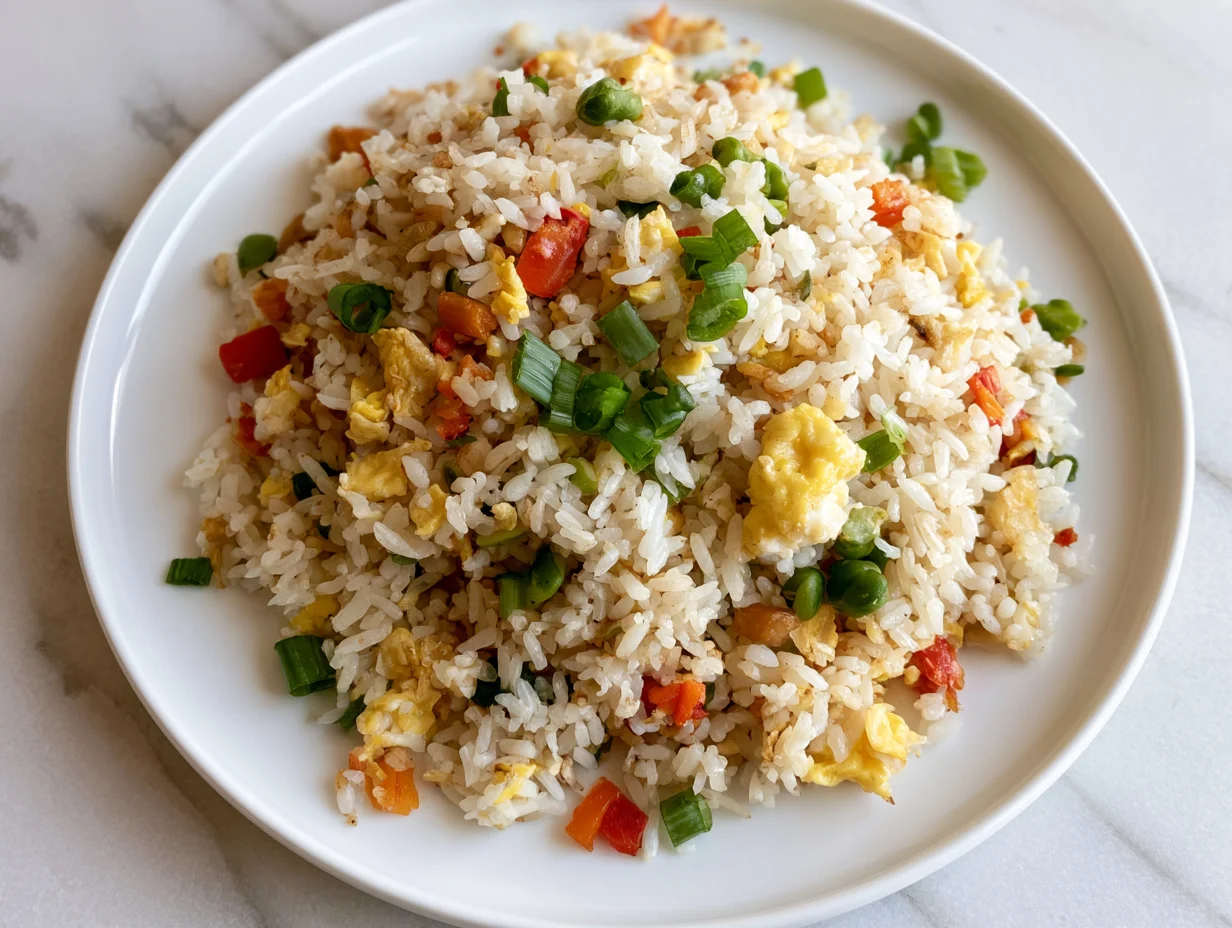
Classic Egg Fried Rice Recipe
Egg fried rice is the dish that quietly separates a confident cook from a nervous one. It looks simple on paper, yet the difference between a soggy, clumpy pan and a plate of glossy, individually separated grains comes down to a handful of details most recipes skip entirely.
This version strips away the guesswork. No fancy equipment, no rare ingredients, and no vague instructions like “cook until done.” Just a clear, tested method built around real restaurant technique, scaled for a home stove.
What makes egg fried rice so valuable is its flexibility. It rescues leftover rice, uses whatever vegetables are sitting in your fridge, and comes together faster than delivery ever could.
By the end of this article, you’ll understand exactly why your fried rice has been turning out mushy, and precisely how to fix it for good.
Ingredients You’ll Need
Forget long shopping lists and obscure sauces hiding in the back of an Asian grocery aisle — this recipe is built on ingredients that already live in your kitchen, working together in a way most people never think to combine.
One of the things I love about this recipe is that it uses simple pantry ingredients. You probably already have most of them in your kitchen.
Base Ingredients
- 3 cups cooked and cooled jasmine rice (preferably a day old)
- 3 large eggs, lightly beaten
- 3 tablespoons vegetable oil, divided
- 1/2 cup carrots, finely diced
- 1/2 cup frozen green peas
- 1/3 cup white onion, diced
- 3 cloves garlic, minced
- 3 stalks green onion, sliced, white and green parts separated
- 3 tablespoons light soy sauce
- 1 teaspoon sesame oil
- 1/2 teaspoon white pepper
- 1/2 teaspoon salt, adjusted to taste
Optional Add-ins
- 1 cup cooked chicken breast, diced
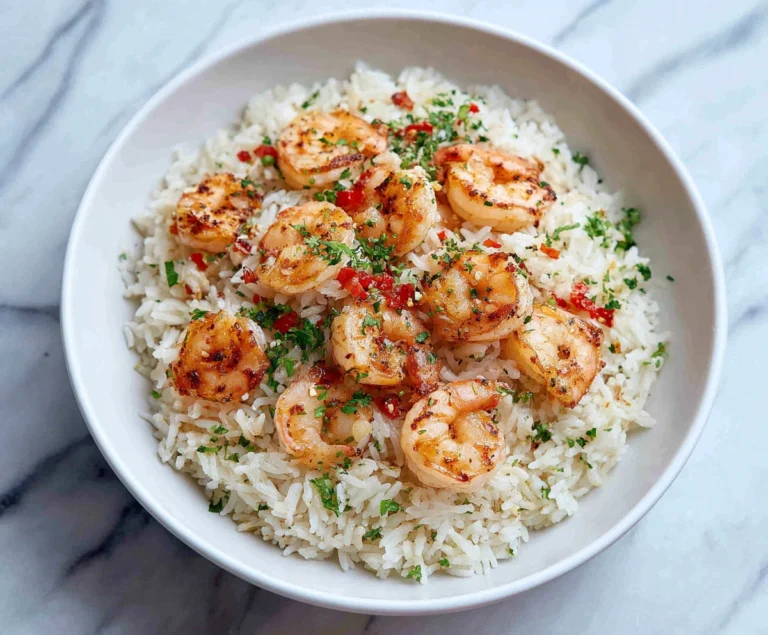
- 1/2 cup cooked shrimp, peeled and deveined
- 1/2 cup char siu (Chinese barbecue pork), diced
- 1/4 cup red bell pepper, diced
- 1 tablespoon oyster sauce
- 1 teaspoon chili garlic sauce
- 2 tablespoons fresh cilantro, chopped
- 1/4 cup roasted cashews
Step-by-Step Instructions
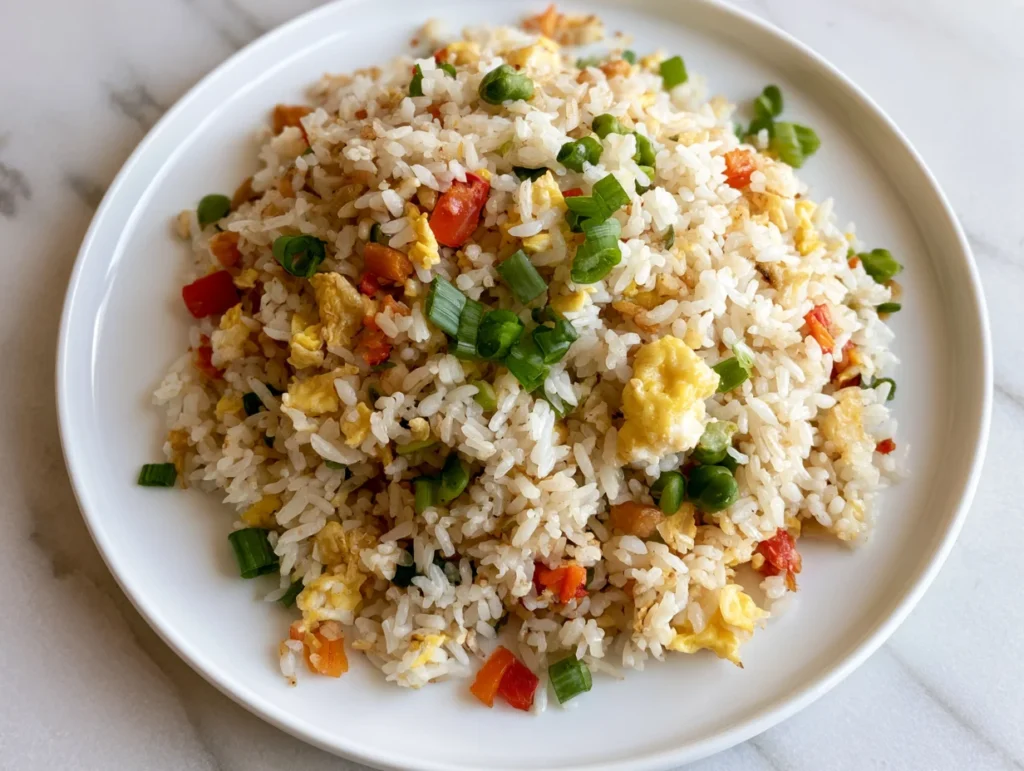
Prepare the Rice
Start with cold, day-old rice straight from the fridge. Freshly cooked rice holds too much moisture and turns gluey the moment it hits a hot pan. If you only have fresh rice, spread it on a tray and chill it uncovered for 30 minutes. Break up any clumps with your fingers before cooking so every grain can move freely and fry independently instead of steaming together in one dense block.
Scramble the Eggs
Heat 1 tablespoon of oil in a wok or wide skillet over high heat until it shimmers. Pour in the beaten eggs and let them sit undisturbed for ten seconds before stirring gently to form large, soft curds. Remove the eggs immediately once just set and transfer them to a separate plate. Overcooking here makes the eggs rubbery, so pull them off the heat slightly earlier than feels natural.
Sauté the Aromatics and Vegetables
In the same pan, add the remaining oil along with the diced onion, garlic, and the white parts of the green onion. Stir constantly over high heat for about 30 seconds until fragrant but not browned. Add the carrots and peas, cooking for two minutes until just tender. High heat throughout this stage is essential, since it builds the smoky depth that defines authentic fried rice rather than a steamed vegetable medley.
Combine Rice and Vegetables
Add the cold rice directly into the pan, breaking apart any remaining clumps with your spatula. Toss continuously, pressing the rice against the hot surface to encourage light charring in spots. This contact with direct heat is what creates that signature smoky aroma professional kitchens call “wok hei.” Keep the rice moving every few seconds so it crisps evenly without sticking or scorching on one side.
Add Soy Sauce and Seasoning
Drizzle the soy sauce around the edges of the pan rather than directly on top, allowing it to caramelize slightly before mixing through. Add the sesame oil, white pepper, and salt, tossing to coat every grain evenly. Taste at this point and adjust seasoning gradually, since soy sauce brands vary significantly in saltiness. The rice should look glossy, not wet, with each grain visibly separate and lightly browned.
Fold in Eggs and Finish
Return the scrambled eggs to the pan along with the green parts of the scallions. Fold everything together gently for 30 seconds, just enough to redistribute the eggs without breaking them into tiny fragments. Remove from heat immediately to prevent overcooking. Serve hot, straight from the pan, while the rice still holds its crisp edges and the aroma is at its absolute peak.
Cook Time
Total
25 minutes
Prep
15 minutes
Bake
Not applicable — this dish is cooked entirely on the stovetop and requires no baking or oven time.
Servings
This recipe makes approximately 4 generous servings as a main course, or 6 smaller portions when served as a side dish alongside other mains. Each serving lands at roughly 1 to 1.5 cups, which is enough to satisfy without overwhelming a plate that already includes protein or vegetables.
If you’re meal-prepping for the week, this batch divides cleanly into four airtight containers, giving you a ready-to-reheat lunch that actually tastes better the second day, once the flavors have had time to settle into the rice.
For larger gatherings, the recipe scales easily. Doubling the ingredients works well as long as you cook in batches, since overcrowding the pan is the single biggest reason home cooks end up with steamed rather than properly fried rice.
Common Mistakes in This Recipe
The most common mistake is using freshly cooked, warm rice straight off the stove. Warm rice carries excess moisture that turns the entire dish gummy and clumped instead of light and separated, no matter how skillfully the rest of the steps are executed.
A close second is overcrowding the pan. Cramming all the rice in at once drops the pan’s temperature instantly, causing the rice to steam in its own moisture rather than fry against direct heat.
Many cooks also scramble the eggs directly with the rice from the start, which results in unevenly distributed, overcooked egg bits instead of distinct, fluffy curds folded through the finished dish.
Finally, pouring soy sauce directly over the rice in one spot creates patches that are far too salty next to bland, under-seasoned areas, leading to an inconsistent bite throughout the entire plate.
Solutions to Common Mistakes
Always cook your rice a day ahead and refrigerate it uncovered or loosely covered overnight. This single step does more for texture than any other adjustment, allowing excess starch and moisture to fully escape before cooking.
Use a wide pan or wok and cook in two batches if needed, rather than forcing everything into one crowded pot. Maintaining high, consistent heat matters more than saving a few minutes of cooking time.
Scramble eggs separately first, then set them aside before cooking the rice. Folding them back in during the final step keeps the curds intact, soft, and visually appealing throughout the dish.
Pour soy sauce around the edges of the hot pan rather than directly onto the rice, letting it sizzle briefly before tossing everything together for even, balanced seasoning in every bite.
Nutritional Information (approx. per serving)
- Calories: 310 kcal
- Protein: 9 g
- Carbohydrates: 42 g
- Fat: 11 g
- Fiber: 2 g
- Sodium: 540 mg
- Sugar: 2 g
Beyond being satisfying, this dish delivers genuine nutritional value when built around whole ingredients. The eggs contribute high-quality protein along with choline, which supports brain and liver function, making this far more substantial than a typical side of plain rice.
The vegetables folded throughout, particularly carrots and peas, add fiber, vitamin A, and plant-based antioxidants that help round out an otherwise carbohydrate-heavy plate into something genuinely balanced.
Using day-old rice doesn’t just improve texture; it also slightly lowers the glycemic impact compared to freshly cooked rice, since cooling and reheating rice increases its resistant starch content.
Portion control comes naturally here too, since the protein and fiber from eggs and vegetables create real satiety, meaning you’re less likely to overeat compared to a bowl of plain steamed rice alone.
Storage Instructions
Allow the fried rice to cool completely at room temperature for no longer than one hour before transferring it to the refrigerator. Leaving it out longer encourages bacterial growth, particularly given the eggs and any added protein in the mix.
Store the cooled rice in an airtight container in the refrigerator for up to four days. Keeping it sealed tightly prevents it from absorbing other odors from your fridge while also locking in moisture for a better reheated texture.
For longer storage, portion the rice into freezer-safe bags or containers and freeze for up to two months. Flattening the bags before freezing helps the rice thaw faster and more evenly when you’re ready to use it.
Reheat directly from cold using a hot skillet with a small splash of oil, tossing constantly until heated through. Microwaving works in a pinch, but a hot pan will always restore more of the original texture and char.
Suggestions
Pair this fried rice with a protein like grilled chicken thighs, pan-seared shrimp, or crispy tofu to turn it from a side dish into a complete, satisfying meal without much additional effort.
A fried egg on top, with a runny yolk broken over the rice just before serving, adds richness and visual appeal that elevates the entire plate well beyond its humble ingredient list.
For extra heat, serve alongside chili oil, sriracha, or a quick cucumber salad dressed with rice vinegar to cut through the richness and add a refreshing, crunchy contrast.
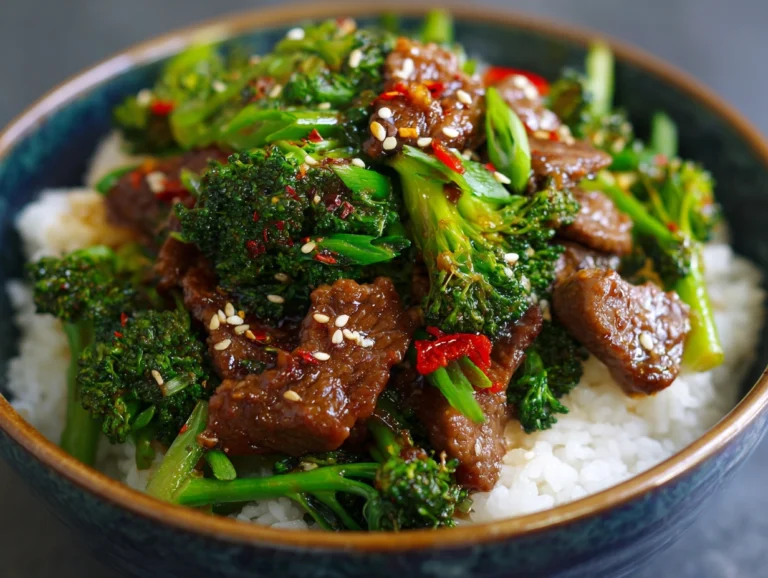
If you’re cooking for a crowd, this recipe works beautifully as part of a larger spread, sitting comfortably next to dumplings, spring rolls, or a simple stir-fried green vegetable like bok choy.
Seasonal Relevance
Egg fried rice genuinely works year-round, but it shines particularly in colder months when a hot, savory, comforting plate feels far more appealing than something light or chilled.
During spring and summer, swapping in seasonal vegetables like fresh peas, sweet corn, or diced zucchini keeps the dish feeling bright and current rather than locked into one rigid version.
It’s also a natural fit for post-holiday cooking, when leftover roast chicken, ham, or turkey can be diced and folded in, turning festive leftovers into something entirely new and exciting.
Because it relies on pantry staples and day-old rice, this recipe also holds up well during busy back-to-school weeks or any stretch where quick, dependable dinners matter more than elaborate ones.
Final Words
Mastering egg fried rice isn’t about chasing complicated techniques; it’s about respecting a few non-negotiable details, like using cold rice and keeping your pan genuinely hot throughout the entire cooking process.
Once you’ve made it a handful of times, this recipe stops being a “recipe” altogether and becomes instinct, the kind of dish you can throw together from memory using whatever happens to be in your fridge.
It’s also remarkably forgiving for experimentation. Once the core technique clicks, you can swap proteins, vegetables, and sauces freely without ever compromising the texture that makes this dish worth making in the first place.
Keep this method in your regular rotation, and you’ll likely find yourself reaching for it far more often than takeout menus, both for the flavor and for how little effort it actually demands.
Frequently Asked Questions
Can I use a non-stick pan instead of a wok?
Yes, a wide non-stick or stainless steel skillet works fine. You may get slightly less charring than a traditional wok provides, but maintaining high heat and avoiding overcrowding will still produce excellent, well-separated fried rice with minimal sticking or clean-up.
Why does restaurant fried rice taste different from homemade?
Restaurant kitchens use extremely powerful burners that achieve a smoky char called “wok hei,” difficult to replicate at home. Using the highest heat your stove allows, working in smaller batches, and not overcrowding the pan gets you noticeably closer to that signature flavor.
What’s the best way to reheat leftover fried rice without it turning mushy?
Reheat in a hot, lightly oiled skillet over medium-high heat, tossing frequently rather than letting it sit still. Avoid covering the pan, since trapped steam softens the grains. This method restores crisp edges far better than microwaving alone.
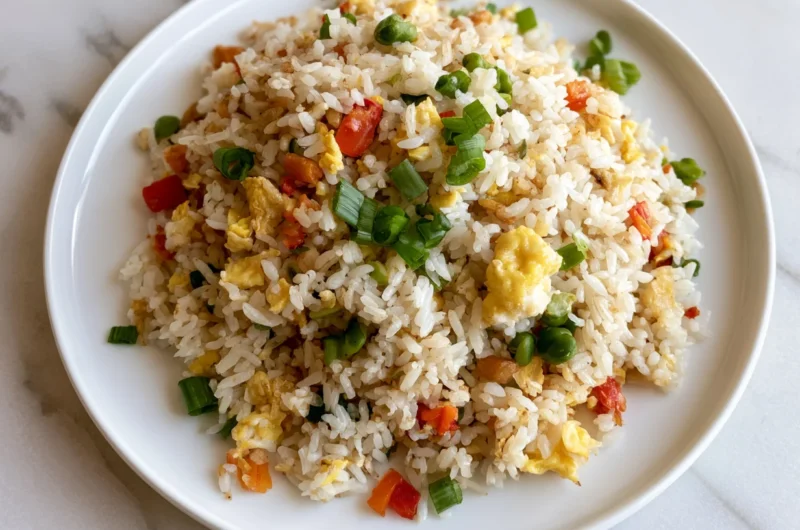
Classic Egg Fried Rice Recipe
4
servings15
minutes10
minutes310
kcal25
minutesA quick, smoky, restaurant-style egg fried rice made with day-old jasmine rice, fluffy scrambled eggs, and crisp vegetables. Ready in 25 minutes, it’s the perfect way to turn leftover rice into a satisfying weeknight meal.
Ingredients
Base Ingredients
3 cups cooked and cooled jasmine rice (preferably a day old)
3 large eggs, lightly beaten
3 tablespoons vegetable oil, divided
1/2 cup carrots, finely diced
1/2 cup frozen green peas
1/3 cup white onion, diced
3 cloves garlic, minced
3 stalks green onion, sliced, white and green parts separated
3 tablespoons light soy sauce
1 teaspoon sesame oil
1/2 teaspoon white pepper
1/2 teaspoon salt, adjusted to taste
Optional Add-ins
1 cup cooked chicken breast, diced
1/2 cup cooked shrimp, peeled and deveined
1/2 cup char siu (Chinese barbecue pork), diced
1/4 cup red bell pepper, diced
1 tablespoon oyster sauce
1 teaspoon chili garlic sauce
2 tablespoons fresh cilantro, chopped
1/4 cup roasted cashews
Directions
- Use cold, day-old rice; break up any clumps before cooking.
- Heat 1 tbsp oil and scramble the eggs into soft curds; remove and set aside.
- Sauté onion, garlic, and white scallion parts for 30 seconds, then add carrots and peas; cook 2 minutes.
- Add the cold rice, tossing and pressing against the hot pan to crisp it.
- Drizzle soy sauce around the pan edges; add sesame oil, white pepper, and salt; toss to coat.
- Fold in the scrambled eggs and green scallion tops; toss 30 seconds and serve hot.
Recipe Video
Notes
- Always use chilled, day-old rice — fresh rice releases too much moisture and turns gummy.
- Cook in a wide pan or wok over high heat; avoid overcrowding to prevent steaming instead of frying.
- Scramble eggs separately and fold them in at the end for soft, distinct curds.
- Pour soy sauce around the pan edges, not directly on the rice, for even seasoning.
- Store in an airtight container in the fridge for up to 4 days, or freeze for up to 2 months.