Comforting Chicken Stew Recipe
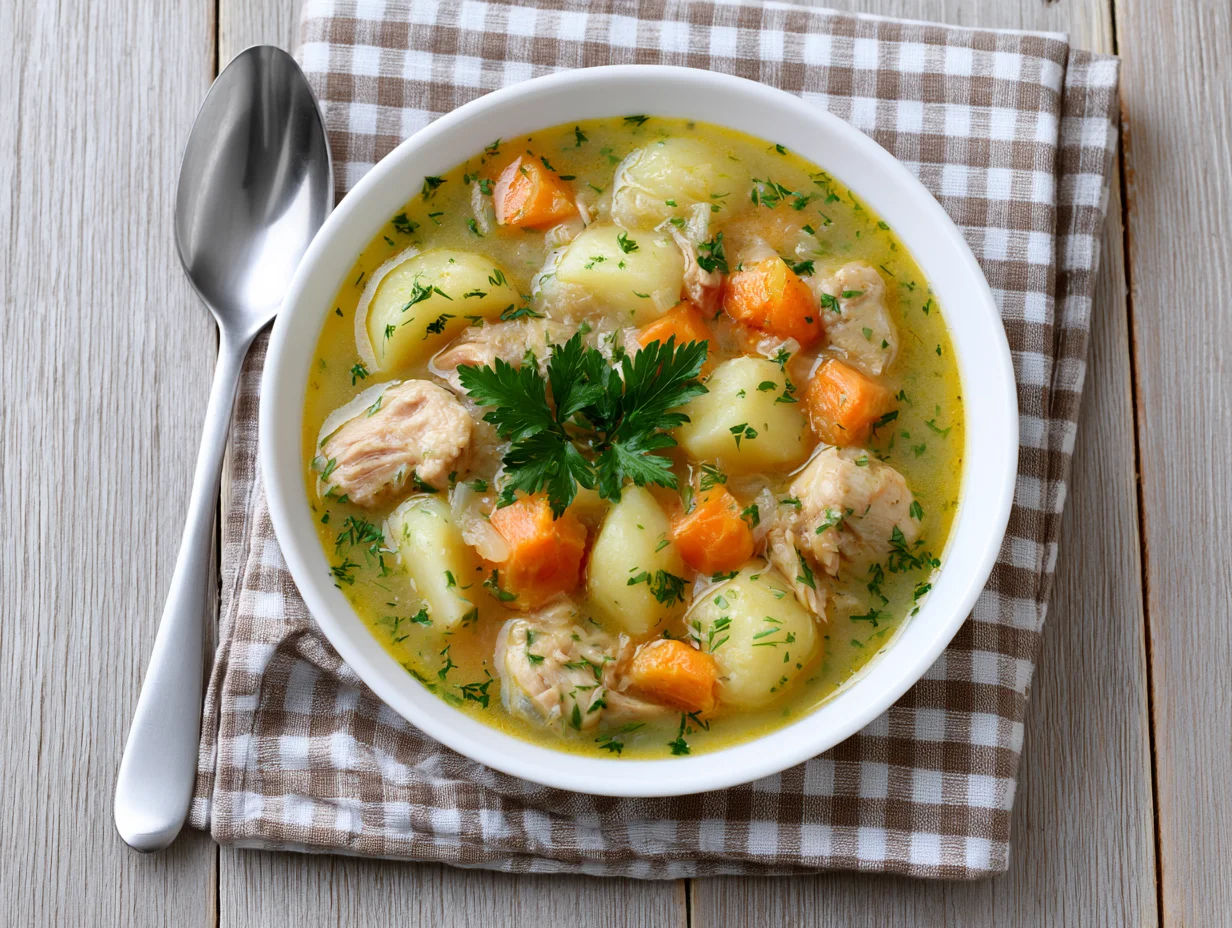
Few dishes carry the weight of comfort quite like a slow-simmered chicken stew. It is the meal that fills a kitchen with warmth before a single bowl is served, the aroma alone signaling that something good is on its way. This recipe captures that exact feeling, built on technique that has been passed down through generations of home cooks.
Chicken stew often gets dismissed as basic, but a truly great version requires real understanding of layering flavor. Searing the chicken properly, building a deep base with aromatics, and allowing the broth to reduce slowly are what separate a forgettable pot from one that disappears within minutes of being served.
This is not a rushed weeknight shortcut dressed up as a stew. It is a method-driven recipe designed to extract maximum flavor from humble ingredients, using time and patience as the real seasoning. The result is a broth that coats the spoon and chicken that falls apart at the gentlest touch.
Below is a complete walkthrough, from browning technique to the exact simmer time needed for tender, fall-apart chicken. Whether this is a Sunday dinner staple or a meal prepped for a busy week ahead, this recipe delivers consistent, deeply satisfying results every single time.
Ingredients You’ll Need
There is something deeply satisfying about a recipe that turns humble staples into a dish this rich and layered, and this stew proves that comfort food doesn’t need anything exotic to taste extraordinary.
One of the things I love about this recipe is that it uses simple pantry ingredients. You probably already have most of them in your kitchen.
Base Ingredients
- 2 lbs bone-in, skin-on chicken thighs
- 2 tablespoons olive oil
- 1 large yellow onion, diced
- 3 cloves garlic, minced
- 3 medium carrots, sliced
- 2 celery stalks, sliced
- 3 medium potatoes, cubed
- 4 cups chicken broth
- 2 tablespoons tomato paste
- 2 bay leaves
- 1 teaspoon dried thyme
- Salt and black pepper, to taste
- 2 tablespoons all-purpose flour
Optional Add-ins
- 1 cup frozen peas
- 1/2 cup dry white wine
- 1 teaspoon smoked paprika
- 1/4 cup fresh parsley, chopped
- 1 tablespoon Worcestershire sauce
Step-by-Step Instructions
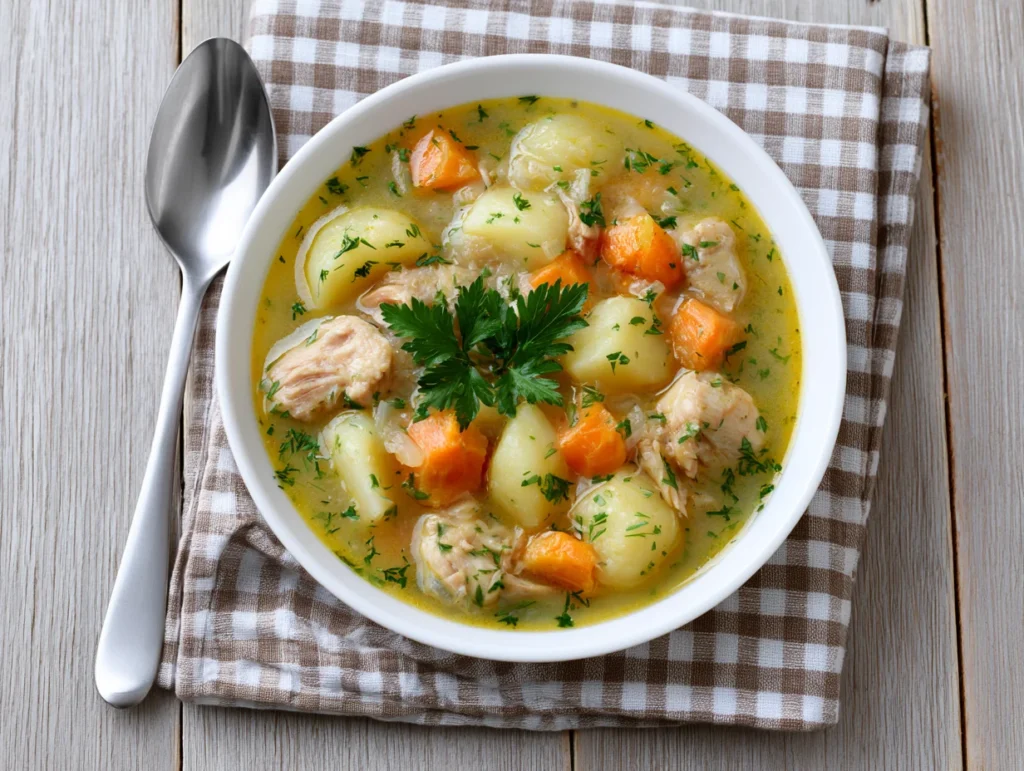
Sear the Chicken
Pat the chicken thighs completely dry and season generously with salt and pepper. Heat olive oil in a large heavy-bottomed pot over medium-high heat until shimmering. Place the chicken skin-side down and sear for five to six minutes until deeply golden, then flip and sear another three minutes. Remove the chicken and set aside on a plate. This step builds a flavorful fond at the bottom of the pot, which becomes the foundation of the entire stew’s depth.
Build the Aromatic Base
Lower the heat to medium and add the diced onion to the same pot, scraping up any browned bits left behind. Cook for three to four minutes until softened and translucent. Add the minced garlic, carrots, and celery, stirring frequently for another five minutes. Stir in the tomato paste and cook for one minute until it darkens slightly and becomes fragrant. This deepens the stew’s color and adds a subtle sweetness that balances the savory broth beautifully.
Thicken and Deglaze
Sprinkle the flour evenly over the vegetables and stir continuously for one minute to cook off the raw taste. If using wine, pour it in now and scrape the pot well, letting it reduce by half. This step prevents a thin, watery stew and instead builds a broth with real body. The flour also helps the sauce cling to each spoonful of chicken and vegetables, giving the final dish its signature comforting, hearty texture.
Simmer the Stew
Return the seared chicken to the pot along with any accumulated juices. Pour in the chicken broth, then add bay leaves and dried thyme. Bring the mixture to a gentle boil, then immediately reduce to a low simmer. Cover partially and let it cook for 35 to 40 minutes, stirring occasionally. The chicken should become tender enough to shred easily with a fork, and the broth should noticeably thicken and deepen in color throughout this process.
Add the Potatoes
Add the cubed potatoes to the pot during the last 20 minutes of simmering, ensuring they are fully submerged in the broth. Potatoes added too early can turn mushy, while those added too late won’t cook through properly. Stir gently every few minutes to prevent sticking at the bottom. Once the potatoes are fork-tender, the stew has reached the right consistency, with a broth that has reduced just enough to feel rich without becoming overly thick.
Finish and Serve
Remove the bay leaves and shred the chicken directly in the pot using two forks, or leave it in larger pieces depending on preference. Stir in the frozen peas and let them warm through for two minutes. Taste and adjust seasoning with additional salt, pepper, or Worcestershire sauce if needed. Garnish generously with fresh chopped parsley before serving. Let the stew rest for five minutes off the heat, allowing the flavors to settle and meld together fully.
Cook Time
Total:
1 hour 15 minutes
Prep:
20 minutes
Bake:
No baking required
Servings
This recipe makes approximately 6 generous servings, each portioned into a deep bowl with plenty of broth, chicken, and vegetables in every spoonful. It is hearty enough to stand alone as a complete meal without needing additional sides.
For larger families or meal prepping throughout the week, this stew scales easily by doubling the ingredients in a larger pot, though simmer time may need to extend slightly to properly cook the increased volume of vegetables and chicken.
Leftovers actually improve significantly overnight, as the flavors continue to develop and deepen in the refrigerator, making this an excellent dish to prepare a day ahead of serving for gatherings or busy weeknight dinners.
Common Mistakes in This Recipe
The most common mistake happens at the searing stage, where many home cooks skip browning the chicken entirely or rush through it over heat that isn’t hot enough. This results in pale, steamed chicken instead of the deeply golden crust that builds genuine flavor throughout the stew. Overcrowding the pot during searing is a related issue, as it traps steam and prevents proper browning altogether.
Another frequent error involves adding all the vegetables at the same time, particularly potatoes, which causes uneven cooking. Potatoes added too early disintegrate into the broth, while delicate vegetables like peas turn gray and mushy if simmered for the full cooking time. Many cooks also under-season early in the process and only adjust at the very end, missing the opportunity to build layered flavor throughout cooking. Rushing the simmer time remains a final common pitfall.
Solutions to Common Mistakes
Always preheat the pot thoroughly before adding the chicken, and work in batches if necessary to avoid overcrowding, ensuring each piece has direct contact with the hot surface for proper browning and flavor development.
Stagger vegetable additions based on cooking time. Hardier vegetables like carrots and celery can go in early, while potatoes should be added partway through simmering, and delicate additions like peas belong only in the final few minutes of cooking.
Season in stages rather than all at once. Add a light seasoning when searing the chicken, more when building the aromatic base, and a final taste-and-adjust pass right before serving to ensure balanced, well-rounded flavor throughout.
Resist the urge to rush the simmer. Allowing the full cooking time lets collagen in the chicken break down properly, resulting in tender meat and a noticeably richer, more flavorful broth overall.
Nutritional Information (approx. per serving)
- Calories: 380 kcal
- Protein: 28g
- Carbohydrates: 26g
- Sugar: 4g
- Total Fat: 17g
- Saturated Fat: 4g
- Cholesterol: 95mg
- Fiber: 4g
This stew delivers a substantial amount of protein per serving, largely thanks to bone-in chicken thighs, which also contribute richer flavor and more nutrients than leaner cuts. Protein plays an essential role in muscle maintenance and helps create the lasting satiety that makes this dish so satisfying as a complete meal.
The vegetable base contributes meaningful fiber and micronutrients, with carrots providing beta-carotene and potatoes offering potassium and vitamin C, both of which support immune function and overall cellular health throughout the body.
Because the broth is built from real ingredients rather than processed bases, sodium content can be controlled more precisely than with canned or pre-packaged stew alternatives, making this a genuinely better option for those monitoring salt intake.
The combination of protein, complex carbohydrates, and slow-cooked vegetables makes this stew a genuinely balanced, one-pot meal rather than an indulgence, suitable for regular rotation within a varied, health-conscious diet.
Storage Instructions
This chicken stew stores exceptionally well, making it an ideal candidate for meal prep or planned leftovers throughout the week. Once cooled to room temperature, transfer it to an airtight container and refrigerate for up to four days without any significant loss in flavor or texture.
Avoid leaving the stew at room temperature for extended periods before refrigerating, as this increases food safety risk given the chicken and broth base. Cooling it in shallow containers speeds up the process and helps the stew chill more evenly and safely.
Freezing works wonderfully for this recipe, particularly before adding potatoes, since they can turn grainy after thawing. Freeze the stew in airtight, portion-sized containers for up to three months, then thaw overnight in the refrigerator before reheating gently on the stovetop.
When reheating, warm the stew slowly over medium-low heat, stirring occasionally and adding a splash of broth if it has thickened too much during storage. Avoid microwaving at full power, as it can cause uneven heating and toughen the chicken slightly.
Suggestions
A thick slice of crusty bread or warm dinner rolls makes the perfect companion to this stew, ideal for soaking up every last bit of the rich, flavorful broth left at the bottom of the bowl.
For a lighter accompaniment, a simple green salad with a sharp vinaigrette provides welcome acidity that balances the stew’s heartiness, cutting through the richness without competing with its deep, savory flavor profile.
Serving the stew over a bed of buttery mashed potatoes or steamed rice transforms it into an even more substantial meal, perfect for colder evenings when extra comfort and heartiness are exactly what’s needed.
A sprinkle of freshly grated parmesan or a dollop of sour cream just before serving adds richness and a subtle tang, elevating the presentation while introducing another layer of flavor to each spoonful.
Seasonal Relevance
Chicken stew is a quintessential cold-weather dish, finding its natural home during the fall and winter months when warm, slow-cooked meals feel especially comforting after a long, chilly day spent outdoors or at work.
During autumn, this recipe pairs naturally with seasonal root vegetables like parsnips or turnips, which can be added alongside the carrots and potatoes for an even heartier, more harvest-inspired version of the dish.
In winter, this stew becomes a reliable centerpiece for holiday gatherings or simple Sunday dinners, often served alongside crusty bread and a roaring fire, embodying everything comfort food is meant to represent.
While less common in warmer months, a lighter version with reduced broth and fresh spring vegetables can extend this recipe’s relevance into spring, proving its versatility extends well beyond the traditional cold-weather season.
Final Words
Mastering this chicken stew comes down to respecting a handful of key techniques: proper searing, staggered vegetable timing, and patience during the simmer. Once these fundamentals click, this recipe becomes a dependable favorite that can be returned to throughout the colder months with complete confidence.
This dish rewards those willing to slow down rather than rush through dinner preparation. The extra time invested in browning the chicken and building flavor in stages pays off significantly in the final bowl, creating something far more memorable than a quick one-pot shortcut.
What makes this stew so valuable is its adaptability. Once the base technique feels familiar, swapping vegetables, adjusting seasoning, or experimenting with different herbs becomes an easy way to make the recipe feel new again across different seasons and occasions.
Ultimately, a well-made chicken stew is the definition of comfort on a spoon. Its richness, heartiness, and simplicity make it a dish worth returning to again and again, especially on the nights that call for something genuinely nourishing.
Frequently Asked Questions
Can I use chicken breast instead of thighs in this recipe?
Yes, though thighs are recommended for richer flavor and better texture after long simmering. If using breast meat, reduce the simmer time slightly to prevent it from drying out, since breast meat cooks faster and has less fat to keep it tender.
Can this stew be made in a slow cooker instead?
Absolutely. Sear the chicken and sauté the aromatics first for flavor, then transfer everything to a slow cooker with the broth. Cook on low for six to seven hours, adding potatoes and peas during the final hour for best texture.
Why is my stew broth too thin?
Thin broth usually means the flour wasn’t cooked long enough, or the stew didn’t simmer uncovered long enough to reduce. Try simmering uncovered for the final 10 minutes, or whisk in a small cornstarch slurry to thicken it further.

Comforting Chicken Stew Recipe
6
servings20
minutes55
minutes380
kcal1
hour15
minutesA rich, slow-simmered chicken stew loaded with tender chicken, hearty vegetables, and a deeply flavorful broth. The ultimate cold-weather comfort food, perfect for Sunday dinners or easy weeknight meal prep.
Ingredients
Base Ingredients:
2 lbs bone-in, skin-on chicken thighs
2 tablespoons olive oil
1 large yellow onion, diced
3 cloves garlic, minced
3 medium carrots, sliced
2 celery stalks, sliced
3 medium potatoes, cubed
4 cups chicken broth
2 tablespoons tomato paste
2 bay leaves
1 teaspoon dried thyme
Salt and black pepper, to taste
2 tablespoons all-purpose flour
Optional Add-ins:
1 cup frozen peas
1/2 cup dry white wine
1 teaspoon smoked paprika
1/4 cup fresh parsley, chopped
1 tablespoon Worcestershire sauce
Directions
- Pat chicken dry, season, and sear in olive oil until golden on both sides; set aside.
- Sauté onion, garlic, carrots, and celery in the same pot, then stir in tomato paste.
- Sprinkle in flour, stir to cook off the raw taste, and deglaze with wine if using.
- Return chicken to the pot, add broth, bay leaves, and thyme; simmer 35-40 minutes.
- Add potatoes during the last 20 minutes of simmering until fork-tender.
- Shred or chunk the chicken, stir in peas, adjust seasoning, and garnish with parsley before serving.
Recipe Video
Notes
- Sear chicken in batches to avoid overcrowding the pot.
- Add potatoes later in cooking to prevent them from turning mushy.
- Season in stages for the most balanced flavor.
- Stew tastes even better the next day as flavors continue to develop.
- Freeze without potatoes for best texture after thawing.
- Reheat gently on the stovetop, adding extra broth if needed.