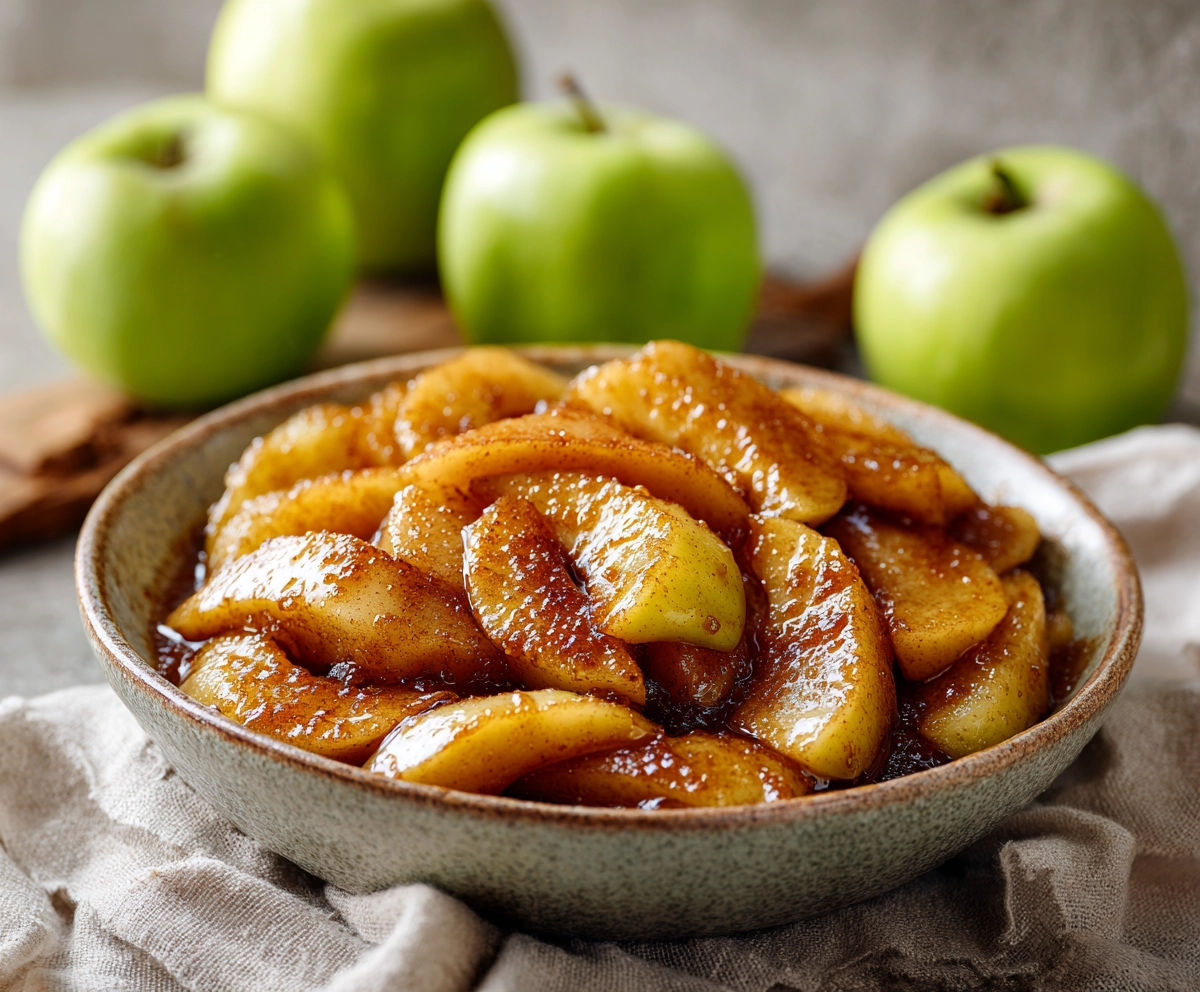
Cracker Barrel Fried Apples
Over the years, I have learned that simple recipes reveal skill more clearly than complex ones, and fried apples are a perfect example. When I prepare them, my focus stays on balance, not excess. Each slice should remain tender, coated in a smooth glaze, and gently spiced without losing its natural identity. Many versions miss that mark by rushing the process or relying too heavily on sugar. My approach is more controlled. I choose the right apples, manage heat carefully, and build the glaze gradually so it complements rather than dominates. The result is a dish that feels warm, clean, and consistent every time. When handled with attention, these fried apples move beyond a basic side and become something that reflects technique, patience, and a clear understanding of how ingredients should work together.
Where Texture and Balance Often Fail
In my experience, most issues begin with how the apples are handled during cooking. I often see them left on heat for too long, which causes them to break down completely. At that point, the dish loses its structure and becomes overly soft. Another mistake I notice is poor ingredient balance. Adding too much sugar creates a heavy coating that masks the natural taste of the apples. Using the wrong apple variety also leads to problems. Softer apples release too much moisture and collapse quickly, while firmer ones hold their shape. I have also seen high heat used at the start, which cooks the outer layer too fast and leaves the inside uneven. These small decisions affect the final dish more than expected. Without control, the result lacks both texture and clarity in taste.
My Approach for Perfectly Tender Slices
When I make fried apples, I start with structure in mind. I select firm apples that can handle heat without losing their shape. Each slice is cut evenly so they cook at the same rate. I melt the butter gently and allow it to coat the apples without overwhelming them. Sugar and spices are added in measured amounts, building depth gradually instead of all at once. I keep the heat moderate and steady, allowing the apples to soften naturally. Stirring is done carefully to protect the slices from breaking. Timing is where precision matters most. I remove the apples once they are tender but still intact. Letting them rest briefly allows the glaze to settle and thicken. This method gives me a result that is soft, balanced, and consistent every time I prepare it.
Ingredients List
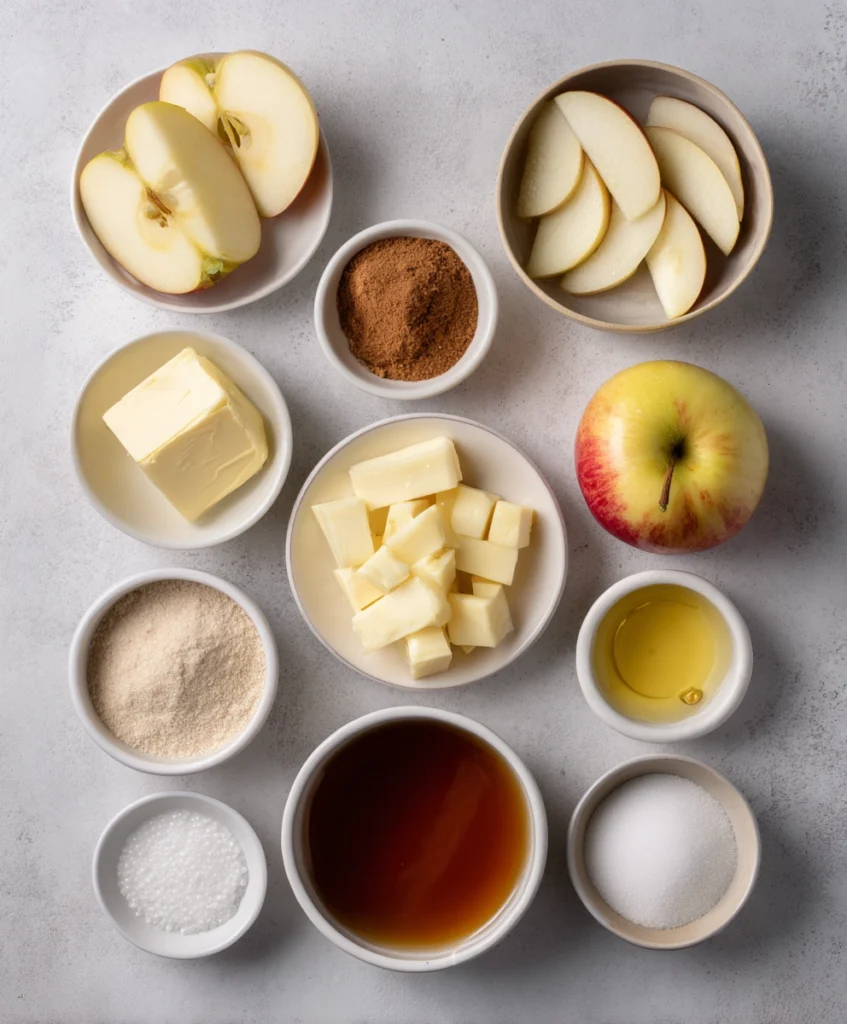
Base Ingredients:
- Apples, peeled and sliced
- Butter
- Brown sugar
- White sugar
- Cinnamon
- Nutmeg
- Lemon juice
Optional Add-ins:
- Vanilla extract
- Apple cider
- Maple syrup
- Pinch of salt
Step-by-Step Instructions
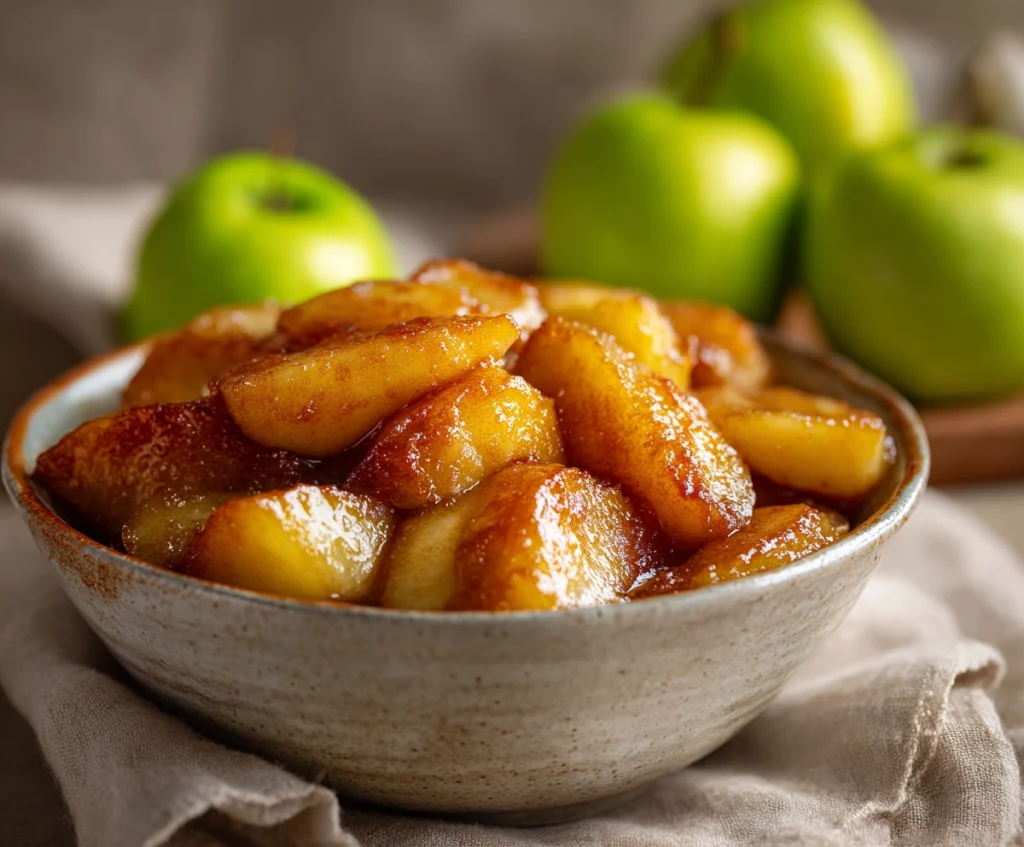
Prepare the Apples
I begin by selecting apples that feel firm and fresh, as they hold their shape better during cooking. After peeling them carefully, I slice each one evenly so the pieces cook at the same pace. Uneven slices often lead to inconsistent texture, which I always avoid. I place the slices in a bowl and add a small amount of lemon juice. This step helps maintain their color and adds a slight brightness to the final dish. I take my time here because preparation defines the outcome. When the slices are uniform and properly handled, they respond better to heat. This ensures that each piece softens evenly without breaking apart, giving the dish a clean and consistent structure from start to finish.
Build the Base
I melt butter over medium heat, allowing it to warm slowly without turning too dark. Once melted, I add the apple slices and coat them gently, making sure each piece is lightly covered. I then introduce brown sugar, white sugar, cinnamon, and nutmeg in controlled amounts. I never add everything at once. Instead, I build the mixture gradually so the flavors blend naturally. Stirring is done with care to keep the slices intact. As the apples begin to soften, they release their own juices, which combine with the butter and sugar to form a smooth base. I keep the heat steady throughout this stage. Too much heat would rush the process and affect texture. Controlled cooking allows the base to develop evenly and properly.
Cook with Control
At this stage, I focus on texture more than time. I let the apples cook gently, turning them only when needed. Frequent stirring can break the slices, so I handle them carefully. As the mixture heats, the glaze begins to thicken and coat each piece evenly. If the mixture feels too thick, I add a small amount of liquid such as apple cider to maintain balance. I watch closely as the apples soften, making sure they remain intact. The goal is to reach a point where they are tender but still hold their shape. Once that balance is achieved, I remove them from heat immediately. This prevents overcooking and keeps the dish controlled. Careful cooking at this stage ensures the final result looks clean and feels well structured.
Finish and Rest
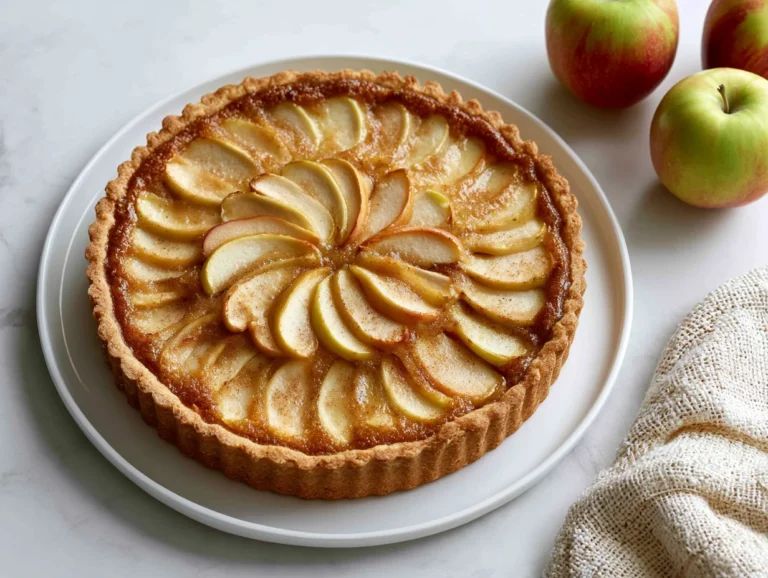
Once the apples are off the heat, I allow them to rest in the pan for a short time. This step helps the glaze settle and naturally thicken without additional cooking. I avoid serving them immediately because the texture continues to improve during this resting period. I check the balance of sweetness and spice, adjusting slightly if needed. When transferring them to a serving dish, I do so gently to keep the slices intact. Presentation matters, so I arrange them in a way that highlights their glossy finish. This final step completes the process. Proper resting and careful handling ensure the apples maintain their texture and deliver a smooth, balanced result that reflects the effort put into each stage.
Cook Time
Total: 25 minutes
Prep: 10 minutes
Bake: 15 minutes
Servings
When I prepare this dish, I focus on creating portions that feel balanced and consistent. Typically, it serves four people comfortably, depending on how it is presented. I make sure each serving includes evenly coated slices with a proper amount of glaze. Consistency is important, so I keep portion sizes uniform across the plate. Serving them warm enhances both their texture and aroma, making the dish more inviting. They pair easily with a range of meals, which adds to their versatility. I also pay attention to presentation, arranging the slices neatly so they look as good as they taste. With thoughtful portioning, each serving delivers the same level of quality and balance that I aim for every time I make this recipe.
Makes approximately 4 servings
Nutritional Information (approx. per serving)
- Calories: 180 to 220 kcal
- Carbohydrates: 35 grams
- Fat: 6 grams
- Fiber: 3 grams
- Sugar: 25 grams
From a nutritional perspective, I see this dish as a balanced combination of natural fruit and gentle sweetness. Apples provide fiber, which supports digestion and adds a sense of fullness. The butter contributes a small amount of fat that enhances texture and helps carry the spices evenly. When sugar is used in moderation, the dish remains satisfying without becoming too heavy. It works well as a side or a light addition to a meal. I always consider portion control to maintain balance. When prepared with care, it offers both comfort and nourishment, making it a reliable option that fits into a thoughtful approach to everyday meals.
Storage Instructions
I store any leftover fried apples in an airtight container once they have cooled completely. Keeping them refrigerated helps preserve both freshness and texture. When reheating, I use gentle heat to avoid breaking down the apples further. If needed, I add a small amount of liquid to bring back the glaze and prevent dryness. I never use high heat for reheating, as it softens the apples too much. For short term storage, they hold well for a few days without losing quality. Freezing is possible, though it may slightly change the texture after thawing. With proper handling, the apples remain enjoyable and maintain their balance even after being stored.
Suggestions
When I serve fried apples, I keep the presentation simple and clean. I prefer serving them warm, allowing their natural aroma to come through. They pair well with a variety of dishes, adding a soft and slightly sweet element without overpowering the meal. Sometimes, I add a small touch of vanilla at the end for extra depth. I also pay attention to plating, arranging the slices neatly to highlight their texture. Keeping the dish simple allows its quality to stand out. Small adjustments can be made based on preference, but I always maintain balance as the priority. With careful serving, the dish feels complete and thoughtfully prepared, making it suitable for both everyday meals and more refined settings.
Seasonal Relevance
In my kitchen, I adapt this recipe slightly depending on the season. During cooler months, I lean into its warmth, allowing the spices to feel more pronounced and comforting. Apples are at their best during this time, which improves both texture and taste. In warmer seasons, I adjust by reducing sweetness slightly and serving the dish at a lower temperature. This keeps it lighter while still enjoyable. Seasonal ingredients can also be added in small amounts to bring variation without changing the core method. This flexibility allows the recipe to remain useful throughout the year. No matter the season, the goal stays the same. Maintain balance, preserve texture, and deliver a consistent result.
Conclusion
Fried apples may seem simple, but in my experience, they require careful attention to detail to achieve the right result. Each step, from selecting the apples to controlling the heat, plays a role in the final texture. I focus on balance rather than excess, allowing the natural qualities of the ingredients to come through. When prepared with patience, the dish delivers soft slices with a smooth, even glaze. It is a recipe I return to often because it remains reliable and adaptable. Whether served as a side or enjoyed on its own, it consistently provides a comforting and well structured result. With practice, the process becomes natural, and the outcome reflects that control and precision.
Frequently Asked Questions
What apples give the best results for this recipe?
I always choose firm varieties such as Granny Smith or Honeycrisp. They hold their shape during cooking and do not break down easily. Softer apples tend to release too much moisture and lose structure, which affects the final texture of the dish.
Can I reduce the sugar in this recipe?
Yes, I often adjust sugar based on preference. Reducing it slightly allows the natural sweetness of the apples to come through more clearly. The key is to maintain balance so the glaze still forms properly without becoming too thin or lacking depth.
How do I keep the apples from sticking to the pan?
Using enough butter and maintaining moderate heat prevents sticking. I also avoid leaving the apples unattended for too long. Gentle stirring helps ensure they cook evenly without attaching to the surface or breaking apart during the process.
Can I prepare this dish ahead of time?
Yes, I prepare it in advance when needed and store it properly. Reheating should be done gently to maintain texture. Adding a small amount of liquid during reheating helps restore the glaze and keeps the apples from drying out.
Is it necessary to add spices like cinnamon and nutmeg?
I always recommend them because they add depth and warmth to the dish. However, they can be adjusted based on preference. The goal is to enhance the apples without overpowering their natural taste, keeping the overall balance intact.
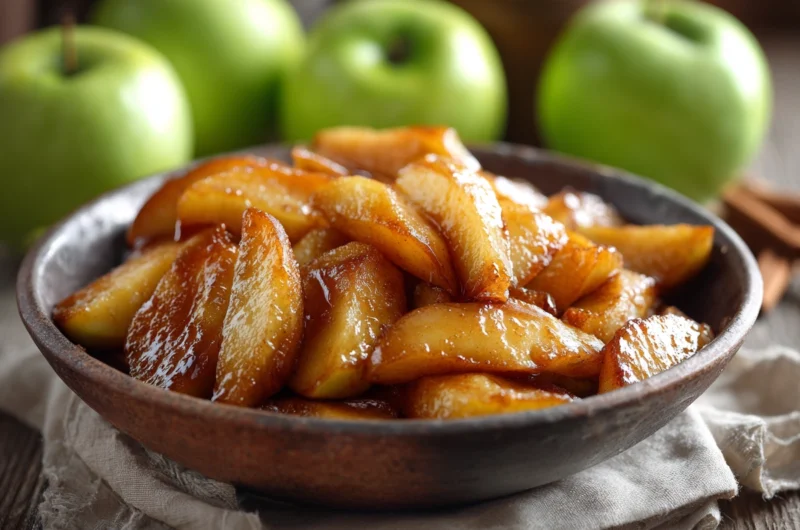
Cracker Barrel Fried Apples
4
servings10
minutes15
minutes900
kcal25
minutesSoft and tender fried apples cooked in a smooth buttery glaze with balanced sweetness and warm spices. Each slice holds its shape while delivering a rich, comforting texture. A simple yet refined copycat recipe that recreates the classic homestyle dish with consistent results.
Ingredients
4 apples, peeled and sliced
3 tablespoons butter
1/4 cup brown sugar
2 tablespoons white sugar
1/2 teaspoon cinnamon
1/4 teaspoon nutmeg
1 tablespoon lemon juice
Optional: 1 teaspoon vanilla extract, 1/4 cup apple cider, 1 tablespoon maple syrup, pinch of salt
Directions
- Peel and slice apples evenly, then toss lightly with lemon juice.
- Melt butter in a pan over medium heat and add apple slices.
- Add brown sugar, white sugar, cinnamon, and nutmeg gradually while stirring gently.
- Cook over moderate heat, stirring occasionally until apples soften and release juices.
- Allow mixture to thicken into a smooth glaze while keeping slices intact.
- Remove from heat once apples are tender but still hold shape, then let rest briefly before serving.
Recipe Video
Notes
- Use firm apples for better structure during cooking.
- Avoid high heat to prevent uneven texture and over softening.
- Do not overcook, as apples should remain tender but intact.
- Allow resting time for the glaze to thicken naturally before serving.