
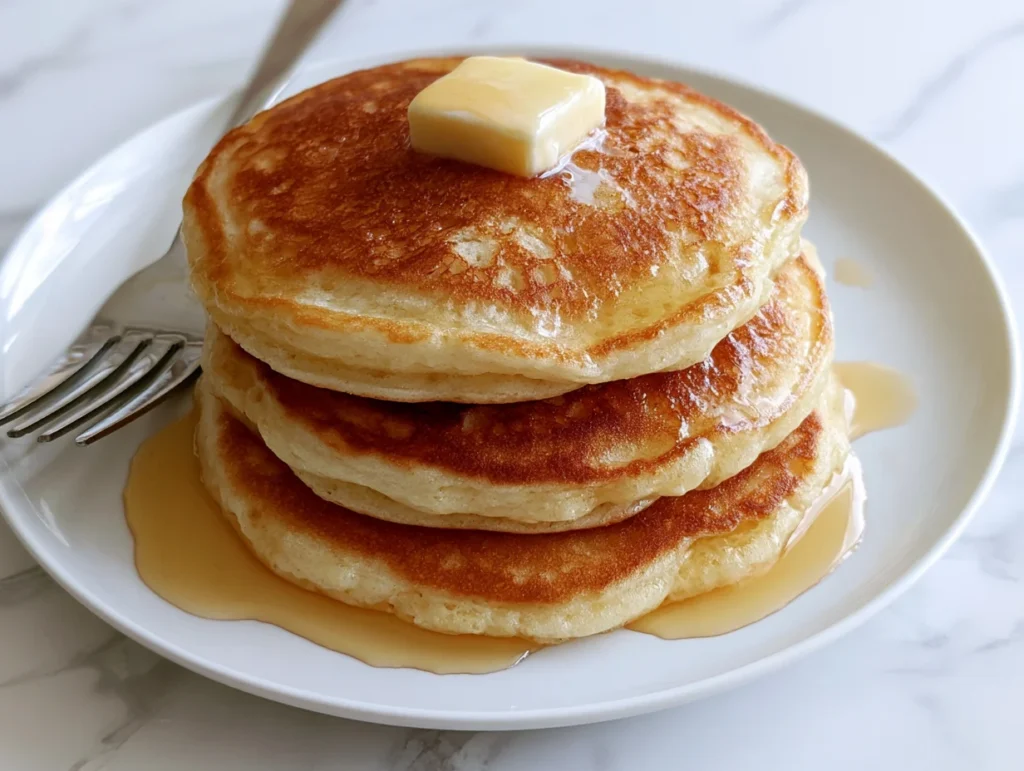
If you are searching for the best Gluten-Free Pancakes Recipe that delivers fluffy texture, rich flavor, and dependable results every single time, this recipe deserves a permanent place in your breakfast rotation. These homemade pancakes are soft, golden, and perfectly balanced, offering the same comforting experience as classic diner-style pancakes without relying on traditional wheat flour.
Many gluten-free breakfast recipes struggle with dry texture or bland flavor, but this recipe solves those common issues with a carefully tested ingredient balance. The combination of gluten-free flour, eggs, milk, and precise leavening creates pancakes that are light, airy, and beautifully tender inside while developing crisp golden edges during cooking.
One of the reasons this recipe performs exceptionally well for modern home cooks is its versatility. These pancakes fit seamlessly into gluten-free lifestyles while also working as a healthier breakfast option for busy families, meal prep routines, and weekend brunch menus. The ingredients are practical, affordable, and easy to find in most grocery stores.
Whether you want a quick breakfast idea, a family-friendly brunch recipe, or a high-protein gluten-free breakfast that feels indulgent without being heavy, these fluffy gluten-free pancakes consistently deliver premium homemade flavor and texture.
Ingredients You’ll Need
The secret behind these restaurant-style gluten-free pancakes is using simple pantry staples in the right proportions to create soft centers, golden surfaces, and rich homemade flavor.
Base Ingredients:
- 1 ½ cups gluten-free all-purpose flour blend
- 2 tablespoons granulated sugar
- 1 tablespoon baking powder
- ½ teaspoon baking soda
- ¼ teaspoon fine sea salt
- 2 large eggs
- 1 ¼ cups whole milk or unsweetened almond milk
- 3 tablespoons melted unsalted butter or coconut oil
- 1 teaspoon pure vanilla extract
- 1 tablespoon fresh lemon juice
Optional Add-ins:
- ½ teaspoon ground cinnamon
- ½ cup fresh blueberries
- ¼ cup mini chocolate chips
- 1 sliced banana
- 2 tablespoons chopped pecans or walnuts
- Pure maple syrup for serving
- Fresh strawberries or raspberries
- Whipped cream for topping
Step-by-Step Instructions
Prepare the Dry Mixture Correctly
In a large mixing bowl, whisk together the gluten-free flour blend, sugar, baking powder, baking soda, and sea salt until fully combined. Properly distributing the leavening agents ensures the pancakes rise evenly and develop a fluffy texture. If the flour contains lumps, sift it before mixing because gluten-free flour blends can compact during storage. Using a high-quality gluten-free all-purpose flour blend with xanthan gum improves structure and prevents crumbly pancakes. This dry mixture creates the foundation for light, soft pancakes that cook evenly while maintaining a tender homemade texture throughout every bite.
Whisk the Wet Ingredients Thoroughly
In a separate bowl, whisk together the eggs, milk, melted butter, vanilla extract, and lemon juice until smooth and silky. The lemon juice reacts naturally with the baking soda, helping create airy pancakes with excellent rise and soft texture. Allow the melted butter to cool slightly before mixing to prevent scrambling the eggs. Whisking the wet ingredients thoroughly creates a consistent liquid base that blends smoothly into the flour mixture. This step also improves flavor distribution, ensuring every pancake has balanced richness, moisture, and subtle vanilla flavor from edge to center.
Combine the Batter Without Overmixing
Pour the wet ingredients into the bowl of dry ingredients and stir gently until just combined. Avoid aggressive mixing because overworked gluten-free batter can become dense and heavy after cooking. Small lumps in the batter are completely normal and actually help preserve softness. Allow the pancake batter to rest for 5 minutes before cooking so the flour absorbs the liquid fully and thickens naturally. If using blueberries, bananas, cinnamon, or chocolate chips, fold them in carefully after resting. Properly rested batter creates pancakes with superior texture, structure, and even browning during cooking.
Cook Until Golden and Fluffy
Preheat a nonstick skillet or griddle over medium heat and lightly grease it with butter or cooking spray. Pour approximately ¼ cup of batter for each pancake onto the hot surface. Cook for 2 to 3 minutes until bubbles form on top and the edges appear slightly dry. Flip carefully and cook the second side until golden brown and cooked through. Avoid pressing down with a spatula because it removes air and reduces fluffiness. Serve immediately with maple syrup, fresh berries, or whipped cream for the best breakfast experience and restaurant-quality presentation.
Cook Time
Total:
25 minutes
Prep:
10 minutes
Bake:
15 minutes
Servings
This recipe makes approximately 4 servings, depending on pancake size and the toppings served alongside them. It is ideal for family breakfasts, weekend brunches, or healthy meal prep routines.
The recipe typically yields about 8 medium pancakes with soft centers and beautifully golden edges. Each serving feels satisfying while still remaining light enough for a balanced breakfast.
For larger gatherings, the recipe doubles easily without changing texture or consistency. These pancakes also freeze exceptionally well, making them a practical option for busy weekday mornings and quick reheatable breakfasts.
Common Mistakes in This Recipe
One common mistake is overmixing the batter after combining the wet and dry ingredients. Excess stirring removes air from the mixture and often produces dense pancakes instead of fluffy ones.
Cooking pancakes over heat that is too high is another frequent problem. The exterior browns too quickly while the inside remains undercooked and gummy.
Many people skip resting the batter before cooking. Gluten-free flour blends require time to absorb moisture properly for better consistency and structure.
Using expired baking powder or baking soda also affects texture significantly. Weak leavening agents reduce rise and prevent the pancakes from becoming soft and airy.
Solutions to Common Mistakes
Mix the batter only until the ingredients come together. Leaving a few lumps in the mixture helps maintain lighter texture and softer pancakes after cooking.
Always use medium heat instead of high heat. Moderate cooking temperature allows the pancakes to cook evenly while developing a rich golden surface.
Rest the batter for at least 5 minutes before pouring it onto the skillet. This improves hydration and creates more stable, tender gluten-free pancakes.
Check the freshness of your baking powder and baking soda regularly. Fresh leavening ingredients are essential for achieving thick, fluffy homemade pancakes with reliable rise.
Nutritional Information (approx. per serving)
- Calories: 290
- Protein: 8g
- Carbohydrates: 34g
- Fiber: 3g
- Fat: 13g
- Saturated Fat: 5g
- Sugar: 8g
- Sodium: 320mg
These gluten-free pancakes provide balanced carbohydrates and protein, helping support steady morning energy levels and longer-lasting fullness after breakfast.
Using almond milk or coconut oil can reduce dairy content while still maintaining rich flavor and excellent pancake texture throughout the recipe.
Fresh berries and bananas add natural sweetness, fiber, antioxidants, and important vitamins without relying heavily on processed toppings or refined sugar.
Because this recipe avoids traditional wheat flour, it works well for gluten-sensitive individuals while still delivering classic homemade pancake flavor and comforting texture.
Storage Instructions
Allow the pancakes to cool completely before storing them to prevent trapped steam from creating excess moisture and soggy texture inside containers.
Place leftover pancakes in airtight containers and refrigerate for up to 4 days. Separate layers with parchment paper to keep them from sticking together.
For longer storage, freeze the pancakes individually on a baking tray before transferring them into freezer-safe bags for up to 2 months.
Reheat the pancakes in a toaster, skillet, or oven for the best texture. This method helps restore slightly crisp edges while keeping the inside soft and fluffy.
Suggestions
Serve these fluffy gluten-free pancakes with warm maple syrup, fresh berries, and whipped cream for a premium breakfast presentation that feels restaurant-quality.
For a more filling breakfast, pair the pancakes with scrambled eggs, turkey sausage, or Greek yogurt to increase protein and overall meal balance.
Add blueberries, cinnamon, bananas, or chocolate chips directly into the batter for flavor variations that keep the recipe exciting throughout the year.
If preparing breakfasts ahead of time, freeze individual pancake portions for quick weekday meals that reheat beautifully while maintaining excellent texture and flavor.
Seasonal Relevance
These homemade gluten-free pancakes work perfectly throughout every season because they pair easily with fresh fruits, warm spices, and seasonal breakfast toppings.
During spring and summer, strawberries, blueberries, peaches, and raspberries create fresh, vibrant pancake combinations with natural sweetness and bright flavor.
Fall versions become especially comforting when topped with cinnamon apples, chopped pecans, or maple syrup for cozy breakfast flavor on cooler mornings.
In winter, warm berry sauces, chocolate chips, and whipped cream transform these pancakes into rich, comforting breakfasts perfect for holiday mornings and weekend brunches.
Final Words
This Gluten-Free Pancakes Recipe proves that gluten-free breakfasts can be every bit as fluffy, flavorful, and satisfying as traditional homemade pancakes.
The recipe combines practical ingredients, reliable cooking techniques, and balanced flavor to create a breakfast that feels both comforting and premium at the same time.
Its versatility makes it valuable for family breakfasts, healthy meal prep, weekend brunches, and gluten-free lifestyles focused on quality homemade food.
Once you experience the soft texture, golden edges, and rich flavor of these pancakes fresh from the skillet, they quickly become one of those dependable breakfast recipes worth making repeatedly throughout the year.
Frequently Asked Questions
Can I use oat flour instead of gluten-free flour blend?
Yes, but the texture may change slightly because oat flour absorbs liquid differently. For the fluffiest pancakes, use a balanced gluten-free all-purpose flour blend containing starches and xanthan gum. If using oat flour alone, you may need additional eggs or starch for better structure.
Why do gluten-free pancakes sometimes taste gritty?
Gritty texture usually happens when the batter is not rested long enough before cooking. Gluten-free flour needs time to absorb liquid properly. Allowing the batter to sit for at least 5 minutes helps soften the flour and creates smoother, more tender pancakes with improved consistency.
Can I make these pancakes dairy-free as well?
Absolutely. Replace whole milk with almond milk, oat milk, or coconut milk, and substitute butter with coconut oil or vegan butter. These changes maintain excellent flavor and fluffy texture while creating dairy-free gluten-free pancakes suitable for additional dietary preferences.
