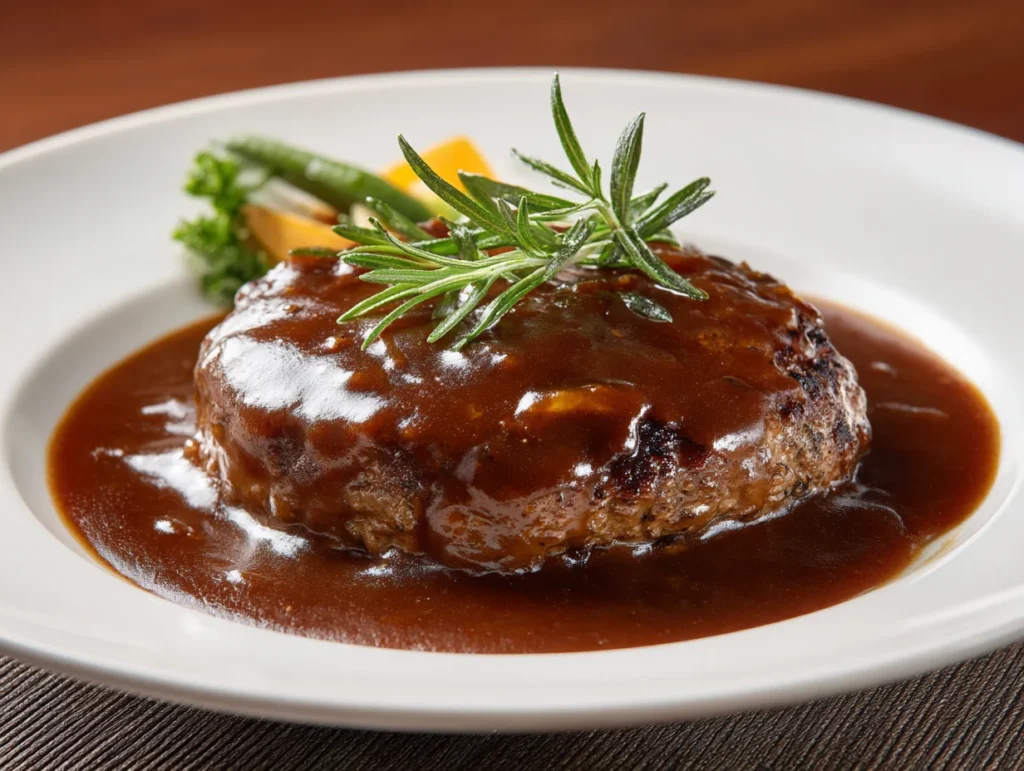
Hamburger Steak with Rich Gravy is a classic culinary preparation that reflects the essence of homestyle comfort cooking elevated through professional technique. At its core, it transforms simple ground beef into a structured, steak like presentation enriched with a deeply savory onion based gravy.
This dish represents the balance between simplicity and refinement, where technique matters as much as ingredients. The combination of caramelized aromatics, properly seared beef, and slow simmered gravy creates a layered flavor profile that feels both familiar and sophisticated.
It is a recipe that demonstrates how thoughtful execution can elevate everyday ingredients into a restaurant quality experience. When prepared with precision, it delivers tenderness, richness, and depth that resonate with traditional cooking while maintaining a modern, refined culinary identity.
? If you love hearty beef dinners, you’ll also enjoy our Creamy Ground Beef Stroganoff Made in Just 30 Minutes.
Common Mistake in Hamburger Steak Preparation
One of the most frequently observed errors in preparing hamburger steak lies in the handling of the ground beef mixture. Many cooks unintentionally overwork the meat during mixing, assuming it enhances flavor distribution. In reality, excessive handling compresses the proteins, resulting in a dense and firm texture rather than a tender, steak like consistency.
Another critical mistake is excessive pressure while forming patties, which eliminates the internal air structure necessary for juiciness. Additionally, skipping the resting phase before cooking prevents proper binding and stability. High heat cooking is also commonly misapplied, causing the exterior to overbrown while the interior remains unevenly cooked.
These procedural oversights collectively diminish the intended balance of texture and moisture, leading to a final dish that lacks the refined tenderness expected from a well executed hamburger steak.
Solution to Common Mistake in This Recipe
Correcting these issues requires a disciplined and minimalistic approach to handling the meat. The ground beef should be combined only until the ingredients are evenly incorporated, preserving its natural texture. When shaping patties, light and controlled pressure should be applied to maintain internal softness and prevent compaction.
Allowing the formed patties to rest under refrigeration is essential, as it stabilizes structure and improves cooking performance. Temperature control is equally significant; medium heat ensures gradual caramelization without compromising internal juiciness. A steady cooking process allows the surface to develop a rich crust while maintaining tenderness inside.
Avoiding frequent flipping further supports crust formation and moisture retention. Through these refinements, the hamburger steak achieves its intended balance of succulence, structural integrity, and depth of flavor, reflecting a more professional standard of preparation.
Ingredients List

Base Ingredients:
- Ground beef (80 20 ratio preferred)
- Finely chopped onion
- Garlic, finely minced
- Egg for binding
- Breadcrumbs for structure
- Salt
- Black pepper
- Worcestershire sauce
- Cooking oil or butter
Optional Add-ins:
- Dijon mustard for subtle sharpness
- Fresh parsley for aroma and color
- Sliced mushrooms for umami depth
- Smoked paprika for warmth
- Beef broth for enriched gravy base
Step-by-Step Instructions
Prepare and Mix the Beef
The preparation begins with selecting properly chilled ground beef to maintain structural integrity during handling. In a mixing bowl, combine the beef with finely chopped aromatics, binding agents, and seasoning components. The process must be executed with restraint, ensuring that the mixture remains loose rather than compacted.
Overmixing at this stage compromises texture and results in a dense final product. Once homogenized, portion the mixture evenly and shape into oval or round patties using minimal pressure. The objective is to maintain a natural, airy structure within each patty. After shaping, refrigeration for a brief resting period allows proteins to settle and enhances stability during cooking. This foundational step determines the final tenderness and should be approached with precision and care.
? For another rich and comforting beef meal, try our Classic Stroganoff Recipe with Tender Beef and Creamy Sauce
Sear the Hamburger Steaks
Heat control plays a defining role in the searing stage. A heavy skillet is brought to medium heat, allowing oil or butter to reach optimal temperature before introducing the patties. Each piece is placed carefully to ensure even contact with the cooking surface. The initial sear should remain undisturbed to allow proper crust development, which is essential for flavor formation. Flipping is done only once the surface achieves a deep golden brown color.
Excess handling during this stage disrupts crust integrity and moisture retention. The objective is to create a controlled Maillard reaction that enhances depth and complexity. Once adequately seared, the patties are temporarily removed, as they will complete their cooking process within the gravy, ensuring tenderness and flavor integration.
Prepare the Rich Onion Gravy
The same pan is utilized to retain the concentrated flavor deposits formed during searing. Butter is introduced, followed by slow cooking of onions until they reach a caramelized state, releasing natural sweetness and depth. A light flour base is incorporated to establish structure for the gravy, carefully cooked to eliminate raw taste.
Gradual addition of beef broth ensures smooth emulsification while continuous stirring prevents lump formation. Seasoning is adjusted with restraint, allowing the natural richness of the reduced stock and onions to dominate. The gravy is then gently simmered to achieve a balanced, velvety consistency. This stage defines the character of the dish, as it transforms simple pan residues into a cohesive, flavorful sauce that complements the beef.
Simmer and Finish the Dish
The seared patties are reintroduced into the prepared gravy, ensuring they are partially submerged to absorb flavor uniformly. The heat is reduced to a gentle simmer, allowing slow and controlled cooking. This phase is critical for tenderization and flavor integration, as the meat gradually absorbs the essence of the gravy. Occasional spooning of sauce over the patties enhances surface flavor penetration.
The covered simmering process ensures moisture retention while preventing excessive evaporation. As the dish completes, the gravy thickens naturally, enveloping the hamburger steaks in a cohesive coating. The final result should present a balance of tenderness, richness, and depth, reflecting a carefully controlled cooking progression.
Cook Time
Total: 50 minutes
Prep: 20 minutes
Bake: Not applicable
Servings
This preparation is designed to serve approximately four individuals, offering a balanced portion of protein and gravy per serving. It is structured to function as a complete main course, particularly when paired with starch based accompaniments such as mashed potatoes or rice. The portioning ensures both satisfaction and moderation, making it suitable for family meals or shared dining settings. When properly executed, the dish maintains consistency in texture and flavor across servings, allowing each plate to reflect the same level of culinary refinement and depth.
Nutritional Information (approx. per serving)
- Calories: 420 kcal
- Protein: 28 g
- Fat: 28 g
- Carbohydrates: 10 g
- Fiber: 1.5 g
- Sodium: 620 mg
Hamburger steak with rich gravy provides a substantial source of dietary protein and essential micronutrients, particularly iron and vitamin B12 derived from beef. These elements contribute to energy production and metabolic support. The inclusion of onions introduces antioxidants and mild digestive benefits. When consumed in balanced portions, this dish supports satiety and nutritional adequacy within a comfort food framework. Its composition reflects a blend of nourishment and indulgence, making it suitable for both occasional enjoyment and structured meal planning.
? Looking for a simple homemade beef dinner idea? Check out our Easy Ground Beef Recipes for Dinner.
Storage Instructions
Proper storage is essential to preserve both flavor integrity and food safety. Once the dish has cooled to room temperature, it should be transferred into airtight containers to minimize exposure to air and moisture loss. Refrigeration is recommended within a short window after cooking to maintain quality. The dish retains optimal freshness for several days under controlled refrigeration conditions. For extended preservation, freezing is appropriate, provided the gravy and meat are stored together to prevent texture separation. Reheating should be performed gently over low heat, with the addition of a small amount of liquid to restore original consistency. This ensures that the dish retains its intended richness and structural balance upon reheating.
Suggestions
From a culinary pairing perspective, this dish benefits greatly from simple, absorbent side preparations. Mashed potatoes remain the most traditional accompaniment, providing a neutral base that highlights the richness of the gravy. Alternatively, buttered rice or lightly seasoned noodles offer effective contrasts in texture. Incorporating lightly cooked vegetables introduces balance and freshness to the overall plate composition. For enhanced depth, mushrooms may be integrated into the gravy to amplify umami character. The dish also adapts well to mild seasoning variations, allowing subtle personalization without compromising its core identity. Proper plating and immediate serving further elevate the dining experience.
Seasonal Relevance
Hamburger steak with rich gravy holds particular prominence during cooler seasons, where its warm and hearty composition aligns with seasonal dietary preferences. Autumn and winter highlight its comforting nature, making it a frequent choice for family oriented meals. During warmer months, it may still be enjoyed when paired with lighter accompaniments such as salads or steamed vegetables. Its adaptability across seasons demonstrates its versatility as a foundational comfort dish. The richness of the gravy and the warmth of the preparation naturally align with colder climates, while its balanced structure allows year round consumption with appropriate adjustments.
Hamburger steak with rich gravy exemplifies the transformation of modest ingredients into a refined culinary preparation through technique and control. The success of this dish depends on precision at every stage, from meat handling to gravy development. When executed correctly, it delivers a harmonious balance of tenderness, depth, and richness. It stands as a representation of classic comfort cuisine elevated through disciplined cooking methodology. The result is a dish that is both familiar and professionally structured, offering consistency, satisfaction, and enduring appeal in every serving.
? If you enjoy steak-style dishes, you’ll love our Easy Sirloin Steak Tips Tender and Juicy.
Frequently Asked Questions
1. Can alternative meats be used for this recipe?
Yes, alternative meats such as ground turkey or chicken can be used, though adjustments in fat content may be required. Leaner meats may need additional binding agents or fat sources to maintain juiciness and prevent dryness during cooking.
2. Is it necessary to use a cast iron skillet?
While not mandatory, a cast iron skillet is highly recommended due to its superior heat retention and even searing capability. However, any heavy bottom pan that distributes heat evenly can also produce satisfactory results.
3. How can the flavor of the gravy be intensified?
Flavor can be enhanced by extending the caramelization of onions, using quality beef stock, and incorporating concentrated reductions. A small amount of soy sauce or mushroom extract can also deepen the overall umami profile.
4. What causes the gravy to become lumpy?
Lumps typically form when flour is added too quickly or liquids are not incorporated gradually. Continuous whisking during liquid addition ensures a smooth texture and prevents clumping of starch particles.
5. Can this dish be prepared in advance?
Yes, it can be prepared ahead of time and stored appropriately. In fact, resting allows flavors to develop further. Gentle reheating ensures the texture and taste remain close to freshly cooked quality.
