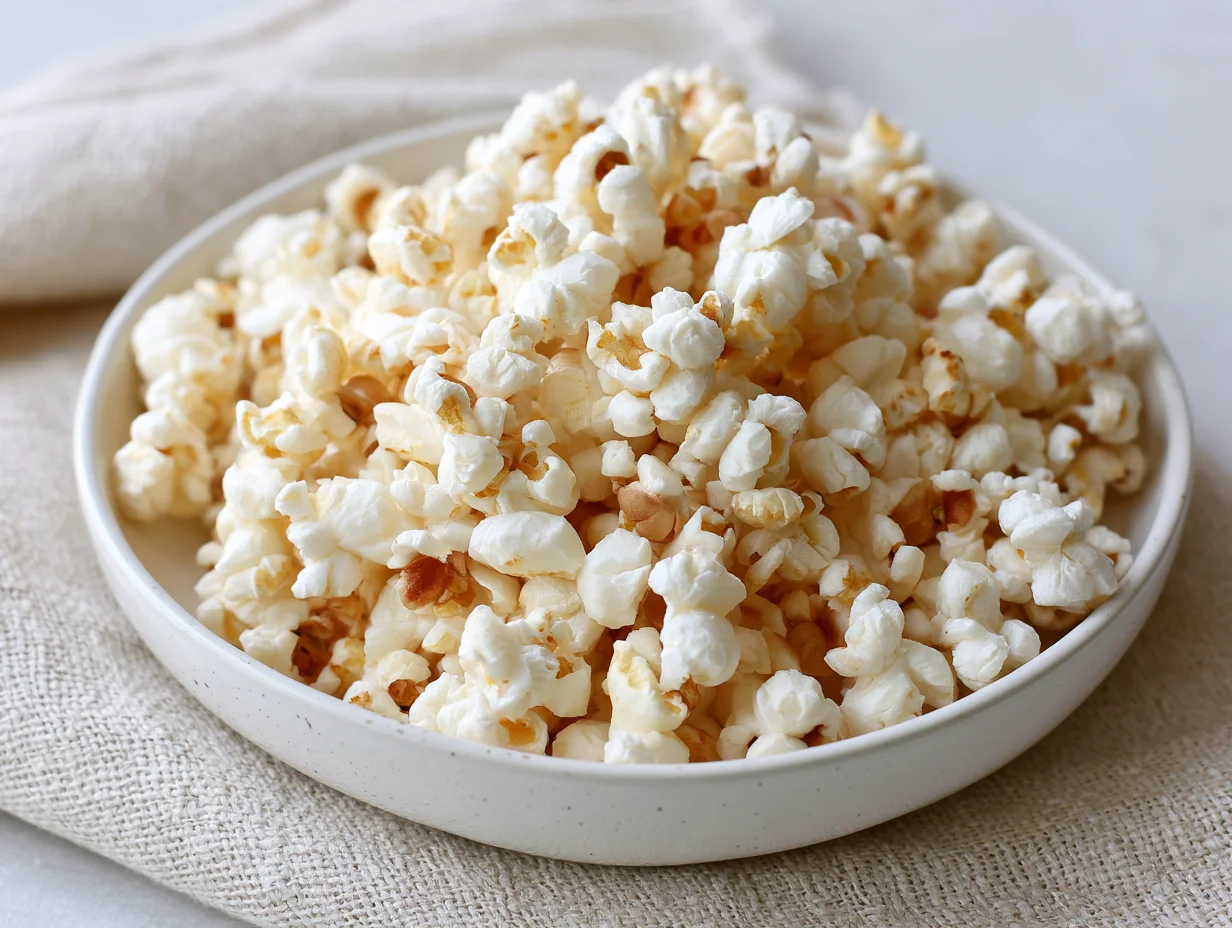
Popcorn is one of the most underrated healthy snacks when prepared the right way. This healthy homemade popcorn recipe transforms a simple pantry staple into a light, crunchy, and satisfying treat that fits perfectly into balanced eating habits. When made on the stovetop with minimal oil and clean seasoning, it becomes a smart alternative to processed snack foods.
Unlike store-bought microwave popcorn loaded with artificial flavors, preservatives, and excess sodium, homemade popcorn gives you full control over ingredients. You can keep it simple, lightly salted, or elevate it with herbs and spices while maintaining its nutritional value.
What makes this recipe especially appealing is its versatility. It works as a quick evening snack, movie-night favorite, or even a light appetizer for gatherings. With just a few minutes of preparation, you get a fresh batch of warm, airy popcorn that feels both comforting and wholesome.
If you are searching for healthy snack ideas, low-calorie homemade treats, or easy stovetop popcorn recipes, this version delivers crunch, flavor, and simplicity in every bite.
Ingredients You’ll Need
The beauty of homemade popcorn lies in how a handful of simple ingredients can turn into a warm, crunchy snack that feels both comforting and clean.
One of the things I love about this recipe is that it uses simple pantry ingredients. You probably already have most of them in your kitchen.
Base Ingredients:
- 1/2 cup popcorn kernels
- 2 tablespoons coconut oil or olive oil
- 1/2 teaspoon sea salt
- 1 tablespoon melted butter (optional)
- 1 teaspoon nutritional yeast (optional for cheesy flavor)
Optional Add-ins:
- 1/2 teaspoon smoked paprika
- 1/4 teaspoon chili powder
- 1 teaspoon garlic powder
- 1 teaspoon onion powder
- 1 tablespoon grated Parmesan cheese
- 1 teaspoon dried herbs (oregano or thyme)
Step-by-Step Instructions
Heat the Oil Properly
Place a heavy-bottomed pot over medium heat and add coconut oil or olive oil. Allow the oil to heat for about 1 to 2 minutes until it becomes warm but not smoking.
Proper oil temperature is essential because it ensures even popping and prevents burning. To test readiness, add a single popcorn kernel to the pot. Once it pops, the oil is perfectly heated. This step builds the foundation for fluffy, evenly cooked popcorn with minimal unpopped kernels and balanced texture throughout the batch.
Add Popcorn Kernels and Cover
Add the remaining popcorn kernels to the pot in an even layer. Quickly cover with a lid to trap heat and steam, which helps the kernels pop efficiently.
Gently shake the pot every few seconds to prevent burning and ensure even heat distribution. You will hear rapid popping within a minute or two. Keep the lid slightly ajar to allow steam to escape while maintaining heat. This balance prevents soggy popcorn and ensures a light, crisp texture.
Allow Full Popping Process
Continue cooking until the popping slows to 2–3 seconds between pops. This indicates that most kernels have fully popped.
Avoid removing the lid too early, as unpopped kernels may remain at the bottom. At the same time, prevent overcooking, which can lead to burnt popcorn. Once popping slows, immediately remove the pot from heat to stop further cooking and preserve freshness and crunch.
Season and Serve Fresh
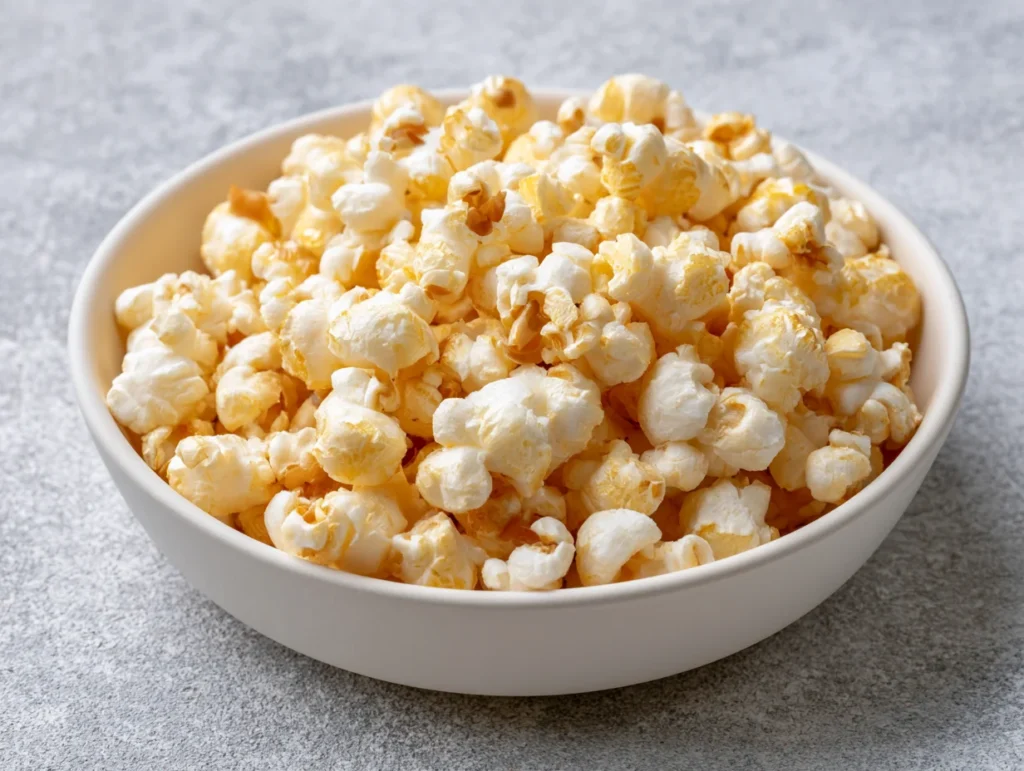
Carefully transfer the popcorn into a large bowl. Add salt, melted butter, or your preferred seasonings while the popcorn is still warm.
Toss gently to distribute flavors evenly without crushing the kernels. Serve immediately for best texture and taste. Fresh homemade popcorn delivers the perfect balance of light crunch, warm aroma, and customizable seasoning, making it ideal for healthy snacking or casual entertaining.
Cook Time
Total:
10 minutes
Prep:
2 minutes
Bake:
8 minutes
Servings
This recipe makes approximately 4 servings, depending on portion size and whether it is enjoyed as a light snack or shared during gatherings.
Each serving provides a satisfying volume of popcorn that feels light yet filling, making it ideal for movie nights, afternoon cravings, or healthy snacking routines.
For larger groups, the recipe can easily be doubled without changing the cooking method. It remains one of the most cost-effective and versatile snack recipes for both everyday use and entertaining guests.
Common Mistakes in This Recipe
One common mistake is using too high heat, which causes kernels to burn before fully popping and results in uneven texture.
Another issue is adding too many kernels at once, which overcrowds the pot and prevents even heat distribution during cooking.
Some people remove the lid too early, causing steam loss and leaving many kernels unpopped.
Over-seasoning immediately after cooking can also lead to uneven flavor distribution and soggy texture if not mixed properly.
Solutions to Common Mistakes
Use medium heat consistently to allow kernels to pop evenly without burning or overheating the oil.
Cook in batches if needed to avoid overcrowding the pot and ensure every kernel has enough space to pop properly.
Keep the lid slightly ajar and shake the pot occasionally to maintain airflow and prevent steam buildup.
Add seasoning gradually while tossing the popcorn so flavor spreads evenly without weighing down the texture.
Nutritional Information (approx. per serving)
- Calories: 120
- Protein: 3g
- Carbohydrates: 15g
- Fiber: 3g
- Fat: 6g
- Saturated Fat: 2g
- Sodium: 180mg
- Iron: 6% DV
- Magnesium: 8% DV
Popcorn is naturally a whole grain, making it a good source of dietary fiber that supports digestion and satiety.
When prepared with minimal oil and salt, it becomes a low-calorie snack suitable for balanced eating plans.
Healthy fats from olive or coconut oil contribute flavor while keeping the snack light and satisfying.
Because it is unprocessed when homemade, it avoids artificial additives commonly found in packaged snack foods.
Storage Instructions
Homemade popcorn is best enjoyed fresh to maintain its crisp texture and light crunch.
If storing, place cooled popcorn in an airtight container at room temperature for up to 2 days.
Avoid refrigeration, as moisture can soften the popcorn and reduce its crispness.
For best results, reheat briefly in a dry pan to restore light crunch before serving again.
Suggestions
Serve this healthy popcorn as a movie-night snack, afternoon treat, or light appetizer for casual gatherings.
For a healthier twist, season with herbs, nutritional yeast, or light spices instead of heavy butter or cheese.
Pair it with herbal tea, infused water, or low-calorie beverages for a balanced snack experience.
You can also create sweet versions using cinnamon and a light drizzle of honey for variety.
Seasonal Relevance
This popcorn recipe is ideal year-round because it requires only basic pantry ingredients and minimal preparation time.
During summer, it serves as a light, crunchy snack for indoor movie nights or quick gatherings.
In colder months, warm freshly popped popcorn becomes a comforting snack for cozy evenings at home.
Because it is simple and versatile, it fits easily into everyday snacking habits regardless of season.
Final Words
This healthy homemade popcorn recipe proves that simple ingredients can create satisfying, flavorful snacks without relying on processed alternatives.
Its light texture, customizable seasoning, and quick preparation make it a reliable choice for everyday snacking.
Whether you are focused on clean eating or just want a quick snack, this recipe delivers both convenience and taste.
Once you prepare it at home, it quickly becomes a go-to option for healthier snacking that never feels boring or heavy.
Frequently Asked Questions
What is the healthiest oil to use for homemade popcorn?
Olive oil and coconut oil are both excellent choices for healthy popcorn preparation. They provide good flavor while keeping the snack light. Olive oil offers heart-healthy fats, while coconut oil adds a subtle richness that enhances the overall taste without requiring heavy seasoning.
Can I make popcorn without oil?
Yes, you can make air-popped popcorn using a popcorn machine or microwave air popper. However, stovetop popcorn with a small amount of oil provides better flavor and texture. Oil helps distribute heat evenly and ensures more kernels pop completely and consistently.
Why is my popcorn turning out chewy instead of crispy?
Chewy popcorn usually results from trapped steam or excess moisture. To fix this, keep the lid slightly open during cooking and transfer popcorn immediately after popping. Allowing steam to escape helps maintain a light, crisp texture instead of soggy or chewy kernels.
