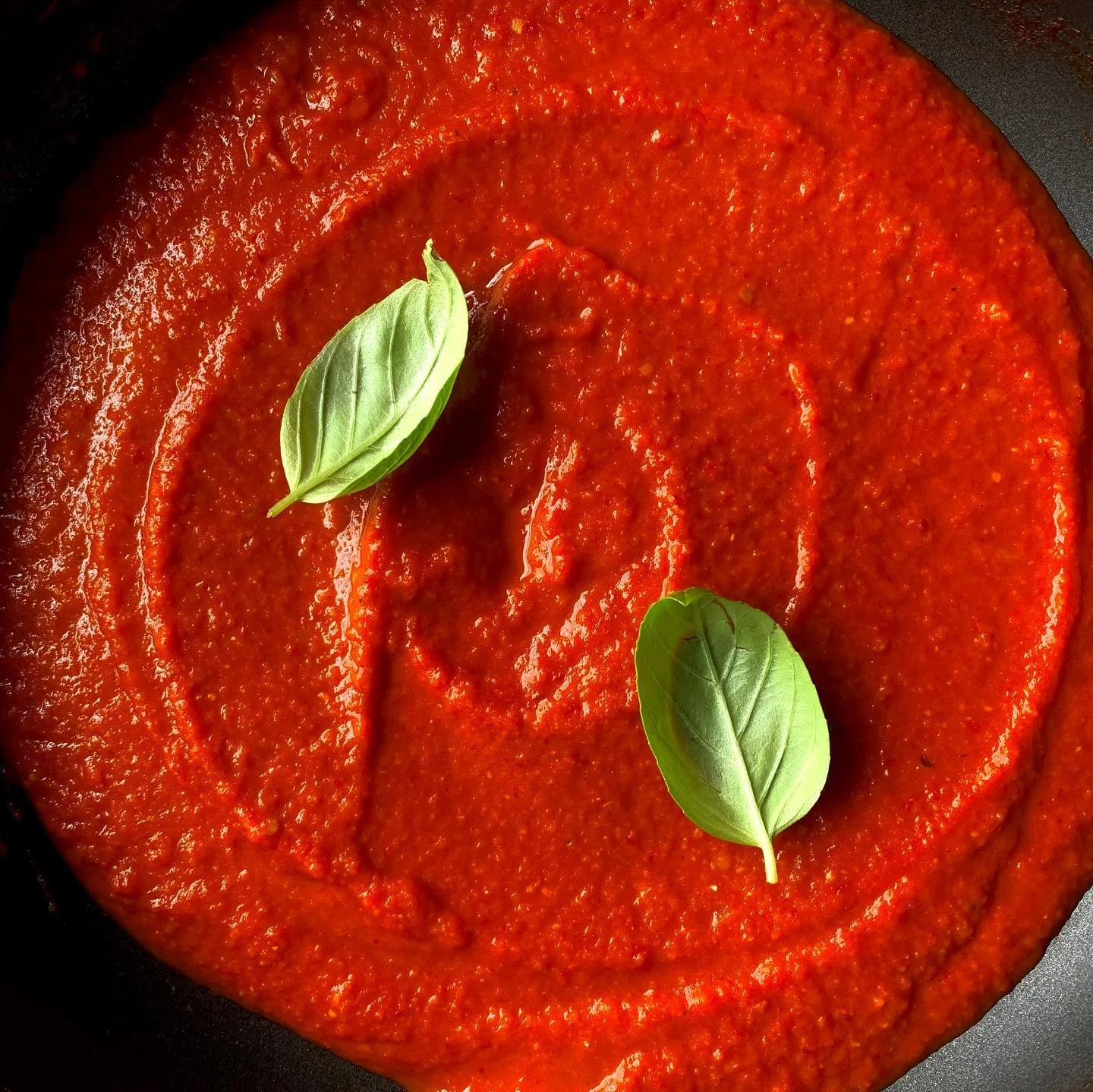
There is a moment every home cook remembers: the first time a simple pot of tomatoes, garlic, and olive oil turned into something that tasted like it came from a small trattoria in Naples. That moment usually happens with a good homemade pasta sauce, and it rarely happens by accident. It happens because someone finally stopped relying on a jar.
This recipe is built on technique, not shortcuts. We are talking about layering flavor slowly, letting acidity and sweetness balance each other, and finishing with just enough richness to coat every strand of pasta. Nothing here is complicated, but everything matters.
What makes this sauce different from the version most people grew up with is patience. A rushed sauce tastes like tomatoes. A properly made sauce tastes like a finished dish, deep, rounded, and unmistakably homemade.
By the end of this article, you will have a reliable, restaurant-quality pasta sauce recipe you can make from memory. No guesswork, no bland results, just a sauce worth returning to again and again.
Ingredients You’ll Need
Great sauce starts with a short, honest ingredient list, and this one proves that flavor has nothing to do with complexity. One of the things I love about this recipe is that it uses simple pantry ingredients. You probably already have most of them in your kitchen.
Base Ingredients
- 2 tablespoons olive oil
- 4 cloves garlic, minced
- 1 small yellow onion, finely chopped
- 28 ounces canned crushed tomatoes
- 2 tablespoons tomato paste
- 1 teaspoon salt
- 1/2 teaspoon black pepper
- 1 teaspoon sugar
- 1/2 cup fresh basil, chopped
- 1/4 cup grated Parmesan cheese
Optional Add-ins
- 1/2 teaspoon red pepper flakes
- 1/4 cup red wine
- 1/2 teaspoon dried oregano
- 2 tablespoons unsalted butter
- 1/4 cup heavy cream
- 1/2 pound ground beef or Italian sausage
Step-by-Step Instructions
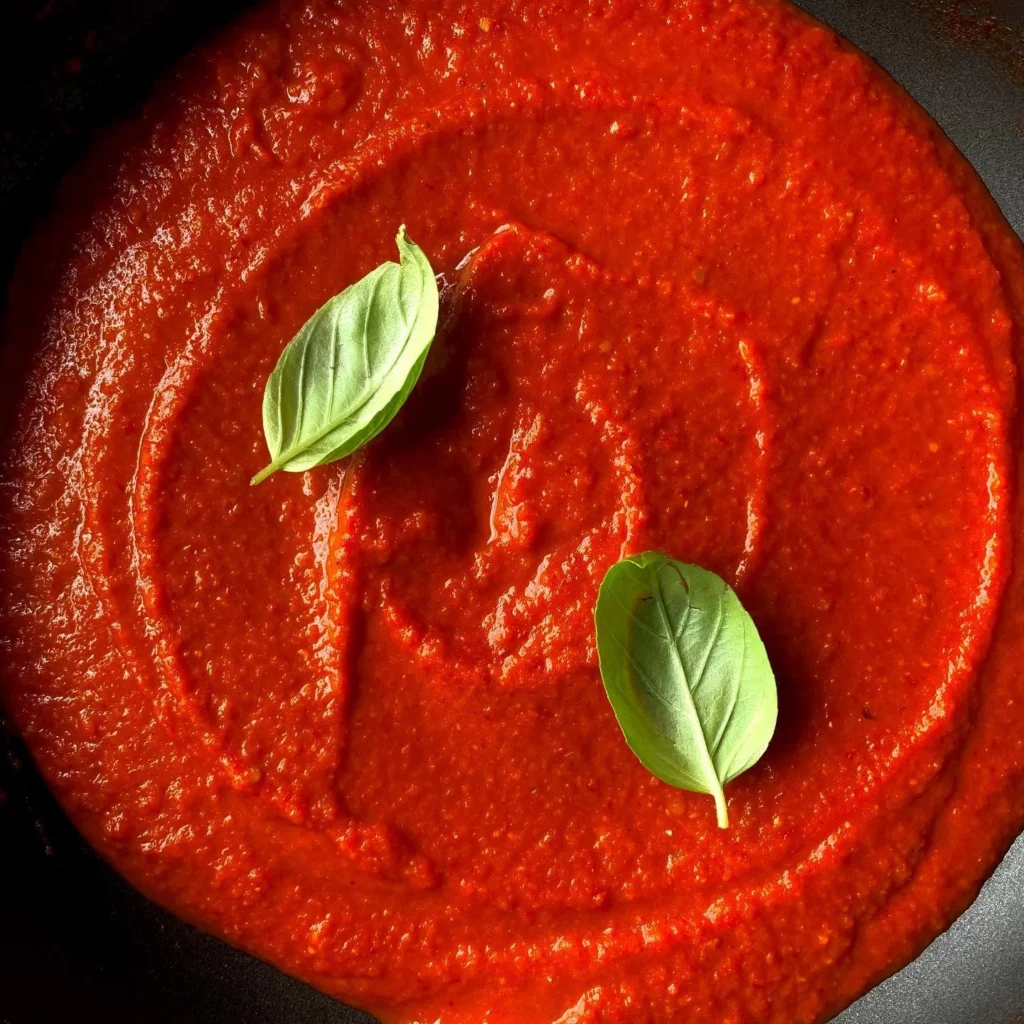
Step 1: Build the Base
Warm the olive oil in a heavy-bottomed saucepan over medium heat. Add the chopped onion and cook for about four minutes, stirring occasionally, until it turns soft and translucent. Add the minced garlic and cook for another thirty seconds, just until fragrant. Do not let the garlic brown, as it will turn bitter and affect the entire pot. This slow start is what separates a flat sauce from one with real depth.
Step 2: Deepen the Flavor
Stir in the tomato paste and cook it for one to two minutes, pressing it into the oil so it caramelizes slightly. This step concentrates the tomato flavor before any liquid is added. If using red wine, pour it in now and let it simmer for a minute to cook off the sharp alcohol taste. This small addition builds complexity that plain tomatoes alone cannot achieve.
Step 3: Simmer the Sauce
Pour in the crushed tomatoes, then add salt, pepper, sugar, and oregano if using. Stir everything together and bring it to a gentle simmer. Reduce the heat to low, partially cover the pot, and let it cook for twenty-five to thirty minutes, stirring occasionally. The sauce should thicken slightly and deepen in color. Taste halfway through and adjust seasoning as needed.
Step 4: Finish and Serve
Stir in the fresh basil, butter, or cream if using, and let the sauce sit off heat for five minutes. This resting period allows the flavors to settle and round out. Toss with freshly cooked pasta, top with grated Parmesan, and serve immediately while everything is hot and glossy.
Cook Time
Total:
40 minutes
Prep:
10 minutes
Bake:
Not applicable
Servings
This recipe makes approximately 4 servings, perfect for a weeknight dinner or a small gathering. Each serving generously coats about two cups of cooked pasta, giving you a satisfying, restaurant-style portion without excess.
If you are cooking for a larger group, this sauce doubles or triples cleanly without losing its balance of acidity and richness. Simply extend the simmer time slightly to allow the larger volume to reduce properly.
For meal prep purposes, this batch also divides well into individual portions, making it a practical option for those who like to cook once and eat well throughout the week.
Common Mistakes in This Recipe
The most frequent mistake is rushing the simmer. Many home cooks pull the sauce off the heat after ten minutes, before the tomatoes have had time to mellow and concentrate, which leaves the sauce tasting sharp and unfinished.
Another common issue is burning the garlic. Because garlic cooks quickly, even thirty extra seconds over high heat can turn it bitter, and that bitterness spreads through the entire pot.
Over-salting early is another trap. Canned tomatoes vary in sodium content, so adding a large amount of salt before tasting can easily push the sauce too far.
Finally, skipping the sugar or a pinch of baking soda when tomatoes taste overly acidic is a missed opportunity to balance the final flavor properly.
Solutions to Common Mistakes
To avoid an unfinished taste, always simmer for the full twenty-five to thirty minutes on low heat. This gives the tomatoes time to break down and the flavors time to merge properly.
Keep the heat moderate when cooking garlic, and stir constantly. Removing the pan from heat the moment it becomes fragrant prevents scorching and preserves its natural sweetness.
Season gradually. Add salt in small increments, tasting after each simmer interval, so the final result stays balanced rather than overly salty or flat.
If the sauce tastes too acidic, add sugar half a teaspoon at a time, or a small pinch of baking soda, and taste again before adjusting further.
Nutritional Information (approx. per serving)
- Calories: 180 kcal
- Protein: 4g
- Carbohydrates: 14g
- Fat: 12g
- Fiber: 3g
- Sodium: 480mg
This sauce delivers a meaningful dose of lycopene, an antioxidant found in cooked tomatoes that becomes more bioavailable through the simmering process used here. Regular consumption of lycopene-rich foods has been associated with supporting heart health and reducing oxidative stress in the body.
Olive oil contributes heart-healthy monounsaturated fats, which support balanced cholesterol levels when used as part of a varied diet. Garlic and onion, beyond flavor, bring natural compounds linked to immune support and mild anti-inflammatory benefits.
Fresh basil adds more than aroma. It contains essential oils with antioxidant properties, while Parmesan contributes calcium and protein in modest, satisfying amounts.
Compared to most store-bought jarred sauces, this homemade version contains significantly less added sugar and sodium, giving you more control over what actually ends up on your plate.
Storage Instructions
Once cooled to room temperature, transfer the sauce into an airtight container and store it in the refrigerator for up to five days. Cooling it fully before sealing prevents condensation from thinning the sauce or encouraging early spoilage.
For longer storage, this sauce freezes exceptionally well. Portion it into freezer-safe containers or bags, leaving a small gap for expansion, and freeze for up to three months without a noticeable drop in quality.
When reheating from frozen, thaw the sauce overnight in the refrigerator before warming it gently on the stovetop over low heat, stirring occasionally to restore its original texture.
Avoid reheating the same portion multiple times, as repeated heating and cooling cycles can degrade both flavor and food safety over time.
Suggestions
This sauce works beautifully beyond traditional spaghetti. Try it layered into baked ziti, spread over homemade pizza, or spooned generously into a classic lasagna for added depth.
For a heartier version, brown ground beef or Italian sausage before adding the onions, letting the meat’s rendered fat become the flavor base for the entire sauce.
Pair the finished dish with a simple green salad dressed in lemon and olive oil, along with crusty bread for soaking up any extra sauce left on the plate.
If you prefer a smoother, restaurant-style finish, blend the sauce briefly with an immersion blender before adding the basil, creating a silky texture that clings beautifully to pasta.
Seasonal Relevance
While canned tomatoes make this recipe reliable year-round, late summer offers the best opportunity to use fresh, ripe tomatoes at their peak, resulting in an even brighter, more vibrant sauce.
During colder months, this sauce becomes a comforting staple, easily doubled and frozen in batches to have homemade dinners ready on busy winter evenings.
Fresh basil is most fragrant and affordable in the warmer months, so stock up during summer and consider freezing extra portions in oil for use throughout the year.
Regardless of season, this recipe adapts easily, making it a dependable choice whether you are cooking with garden tomatoes in July or pantry staples in January.
Final Words
A great pasta sauce is not about following a recipe exactly once and moving on. It is about understanding why each step matters, so you can recreate it confidently, season after season.
This recipe rewards patience over speed, and once you taste the difference a proper simmer makes, jarred sauces become much harder to justify buying again.
Keep this method in your regular rotation, adjust it to your taste over time, and let it become the base for countless family dinners.
Cooking well often comes down to mastering a few dependable recipes, and this pasta sauce deserves a permanent place among them.
Frequently Asked Questions
Can I make this sauce without canned tomatoes?
Yes, use about two pounds of fresh, ripe tomatoes, blanched, peeled, and crushed by hand. The cooking time may increase slightly since fresh tomatoes hold more water than canned ones.
Why does my sauce taste bitter?
Bitterness usually comes from burnt garlic or overcooked tomato paste. Keep the heat moderate during those early steps and stir frequently to prevent scorching, which is the most common cause.
Can this sauce be made in a slow cooker?
Yes, combine all base ingredients and cook on low for four to five hours. Add fresh basil and any dairy near the end to preserve their flavor and texture properly.
