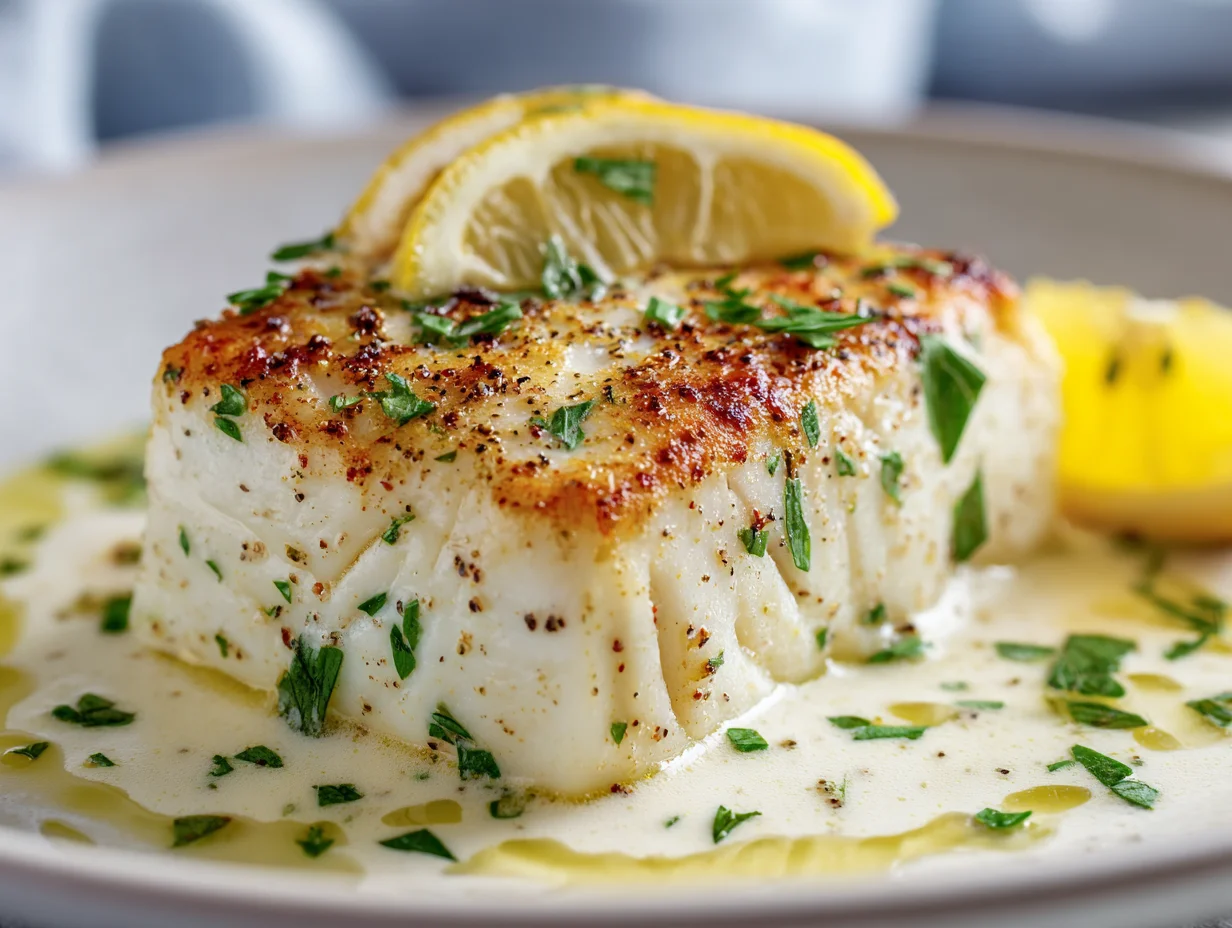
I’ve cooked halibut in professional kitchens and at home for years, and I can tell you this,getting it perfectly juicy is not about luck, it’s about control. Halibut is a beautifully delicate fish, but it can turn dry in minutes if you don’t treat it right.
That’s exactly why I created this keto baked halibut recipe. It’s simple, precise, and designed to give you consistent, restaurant-quality results every single time. I focus on moisture retention, balanced seasoning, and exact cooking temperature so you don’t have to guess.
Whether you’re cooking for yourself or serving guests, this method ensures your halibut stays tender, flavorful, and perfectly aligned with your keto lifestyle.
? If you enjoy seafood dinners, you’ll definitely love our Easy Ciopinno Seafood Stew for a rich and comforting coastal meal experience.
The Overcooking Trap That Ruins Halibut Every Time
I see this mistake all the time people leave halibut in the oven too long because they’re afraid it’s undercooked. I’ve done it myself early in my career, and the result is always the same: dry, tough fish that loses its natural beauty.
Halibut doesn’t need aggressive cooking; it needs attention. Another issue I often notice is skipping fat. When you don’t use enough oil or butter, the fish has no protection against heat.
High temperatures also work against you, cooking the outside too fast while drying everything out. And then there’s under-seasoning, which makes the dish taste flat. These small mistakes add up quickly and completely change the final result.
My Proven Method to Keep Halibut Moist and Tender
Here’s exactly how I fix those mistakes in my kitchen. First, I always bake halibut at 375°F—this gives me control and even cooking. I never skip fat; a good drizzle of olive oil or melted butter creates a barrier that locks in moisture.
I also loosely cover the fish with foil at the beginning to trap steam. One technique I rely on heavily is using a thermometer. When the internal temperature hits 130–135°F, I pull it out immediately. Trust me, this makes all the difference.
I also let it rest for a few minutes,this step is non-negotiable if you want juicy fish. Finally, I layer flavors with lemon, garlic, and herbs so every bite feels complete.
Ingredients List
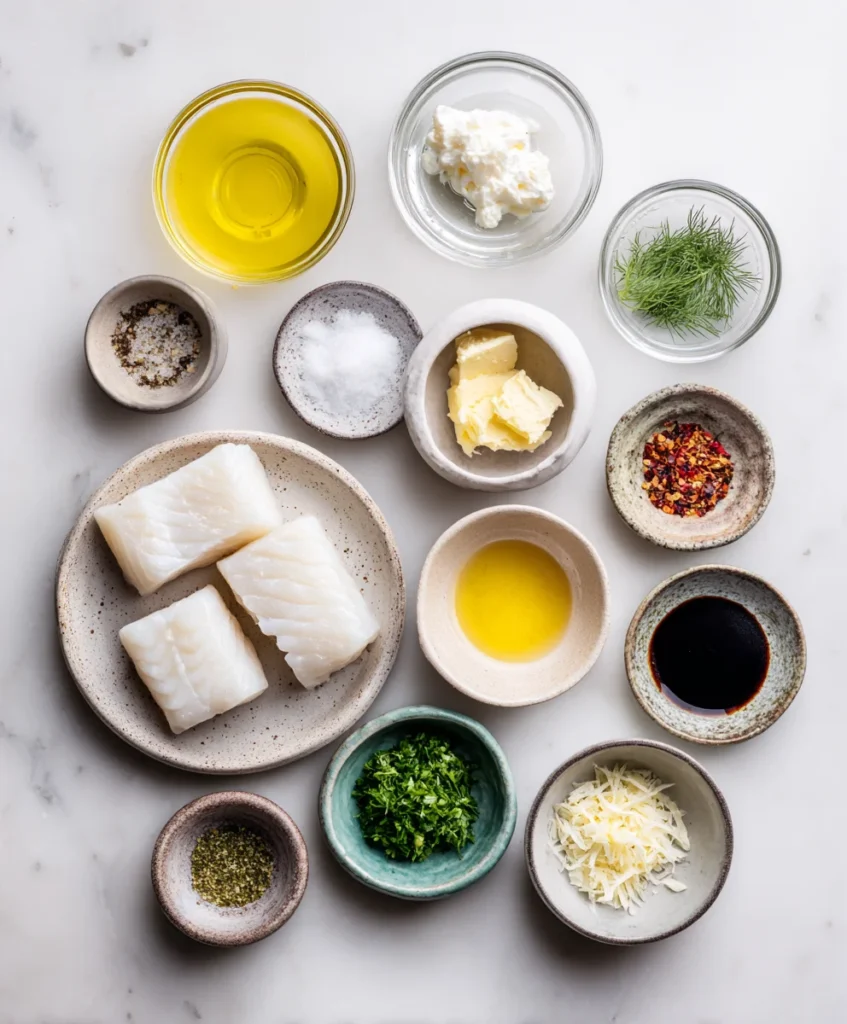
Base Ingredients:
- Fresh halibut fillets
- Olive oil or melted butter
- Garlic cloves (minced)
- Fresh lemon juice
- Sea salt
- Black pepper
- Paprika
Optional Add-ins:
- Fresh parsley or dill
- Lemon zest
- Grated Parmesan cheese
- Red chili flakes
- Capers
- Asparagus or zucchini
Step-by-Step Instructions

I Start by Preparing the Fish Correctly
The first thing I always do is pat the halibut completely dry. This step might seem small, but it’s critical. If the surface is wet, seasoning won’t stick properly, and the texture suffers. I place the fillets on a lined tray with enough space between them.
Then I drizzle olive oil evenly and gently rub it in. This not only adds flavor but also protects the fish during baking. I season generously,salt, pepper, paprika making sure every inch is covered. Then I add minced garlic and a squeeze of fresh lemon juice. I let the fish sit for about 10 minutes so it can absorb all those flavors before it even goes into the oven.
? Looking for another quick and healthy fish option? Try our Air Fryer Salmon Bites for a crispy, protein-packed keto-friendly dish.
I Control the Baking Process Carefully
I always preheat my oven to 375°F,no guessing here. Once it’s ready, I place the tray in the center rack. For the first half of the cooking time, I loosely cover the fish with foil. This is one of my go-to techniques because it traps steam and keeps the halibut from drying out.
After about 6–7 minutes, I remove the foil to let the top develop a light finish. I never walk away during this stage because halibut cooks fast. I watch for the flesh to turn opaque and gently flake. I also avoid opening the oven too often,it disrupts the temperature and affects consistency.
I Finish with Resting and Flavor Balance
As soon as the halibut is done, I take it out and let it rest for a few minutes. I’ve learned that this step is just as important as cooking itself. Resting allows the juices to settle, which keeps the fish moist when you cut into it. I usually finish with freshly chopped herbs like parsley or dill.
Then I add a final light squeeze of lemon juice,it brightens everything. When I serve it, I pair it with simple keto sides like roasted vegetables. Presentation matters to me, so I keep it clean and fresh. The result is always a tender, flavorful dish that feels both light and satisfying.
Cook Time
Total: 25 minutes
Prep: 10 minutes
Bake: 15 minutes
Servings
When I make this recipe, it usually serves about four people comfortably. I like this portion size because it’s perfect for a family meal or even meal prep for the next day. Each serving gives a solid amount of protein without being too heavy, which is exactly what I look for in a keto dish. If I’m cooking for more people, I simply increase the number of fillets and keep the same method. The balance in this recipe makes it easy to scale without losing quality. It’s one of those dishes I rely on when I want something dependable, healthy, and consistently good every time.
Nutritional Information (approx. per serving)
- Calories: 280 kcal
- Protein: 32g
- Fat: 16g
- Carbohydrates: 2g
- Fiber: 0g
- Net Carbs: 2g
- Omega-3 Fatty Acids: High
From my perspective, this is one of the cleanest keto meals you can prepare. You’re getting high-quality protein and essential omega-3 fats, which I always prioritize for overall health. It keeps you full without weighing you down. I also like that it supports energy levels and fits perfectly into a low-carb routine. It’s simple, but nutritionally very powerful.
? For a restaurant-style seafood experience at home, don’t miss our Perfect Swordfish Steak that delivers bold flavor and perfect texture.
Storage Instructions
When I have leftovers, I make sure to store them properly so the texture stays intact. I place the halibut in an airtight container and refrigerate it within two hours of cooking. In my experience, it stays good for up to two days. When reheating, I avoid high heat because that’s the fastest way to dry it out. Instead, I warm it gently in the oven or a covered pan. Sometimes I add a small amount of butter or olive oil to bring back moisture. I personally don’t recommend freezing this dish because the texture changes too much after thawing. Keeping it simple and fresh always gives the best results.
Suggestions
If I want to elevate this dish, I pair it with sides that complement its light flavor. Garlic butter asparagus is one of my favorites, and cauliflower mash works beautifully too. Sometimes I add a light lemon butter sauce for extra richness without adding carbs. If I’m in the mood for a slight crisp, I broil it for a minute or two at the end,but I watch it very closely. I also like experimenting with herbs depending on what I have available. Presentation is something I never ignore; a few fresh herbs and lemon slices can make a big difference. Small details like these turn a simple meal into something memorable.
Seasonal Relevance
I personally enjoy cooking halibut the most during its peak season in late spring and summer. That’s when the flavor feels the freshest and the texture is at its best. During warmer months, I pair it with lighter vegetables like zucchini or greens. But I still make this recipe year-round because good-quality halibut is usually available frozen.
In colder months, I adjust the sides to something more comforting, like creamy cauliflower dishes. What I like most is how adaptable this recipe is,it fits every season with just a few small changes. That flexibility makes it a staple in my kitchen.
For me, this keto baked halibut is all about precision and respect for the ingredient. I don’t overcomplicate it,I just focus on doing the basics extremely well. When you control the temperature, use the right amount of fat, and avoid overcooking, the results speak for themselves. It’s a recipe I trust because it delivers every time. Whether you’re new to cooking or experienced, this method will help you get consistent, high-quality results. Once you try it this way, it’s hard to go back. It’s simple, clean, and exactly how halibut should be enjoyed.
? If you want a complete seafood dinner pairing, check out our Healthy Fish Taco Sauce to elevate your fish dishes with fresh, zesty flavor.
Frequently Asked Question
1. Can I marinate halibut before baking?
I usually avoid long marinades because halibut is delicate. A short 10–15 minute seasoning with lemon, garlic, and oil works best. This keeps the texture intact while still adding flavor without overpowering the fish.
2. What temperature is too high for baking halibut?
Anything above 400°F starts to risk drying out the fish quickly. I always stick to 375°F because it gives me better control and consistent results without overcooking the outer layer.
3. Can I use ghee instead of butter?
Yes, I’ve used ghee many times and it works perfectly. It adds a slightly deeper flavor and still provides the fat needed to keep the halibut moist during baking.
4. How thick should halibut fillets be?
I prefer fillets that are about 1 to 1.5 inches thick. This thickness allows even cooking and helps prevent the fish from drying out too quickly in the oven.
5. Can I add a crust to this recipe?
Yes, but I keep it keto-friendly. A light Parmesan and herb topping works well. I apply it during the last few minutes of baking so it forms a slight crust without burning.