Moist German Chocolate Cake Recipe
There are cakes you make to fill a plate, and then there are cakes you make to fill a room with silence — the kind that falls over a table the moment someone takes their first bite. German Chocolate Cake is the latter.
Despite its name, this cake has American roots, born from a recipe using a sweet baking chocolate created by Sam German in the 1850s. It rose to national fame in 1957 when a Dallas homemaker’s recipe was published in a Texas newspaper, and the country has never quite gotten over it. Nor should it.
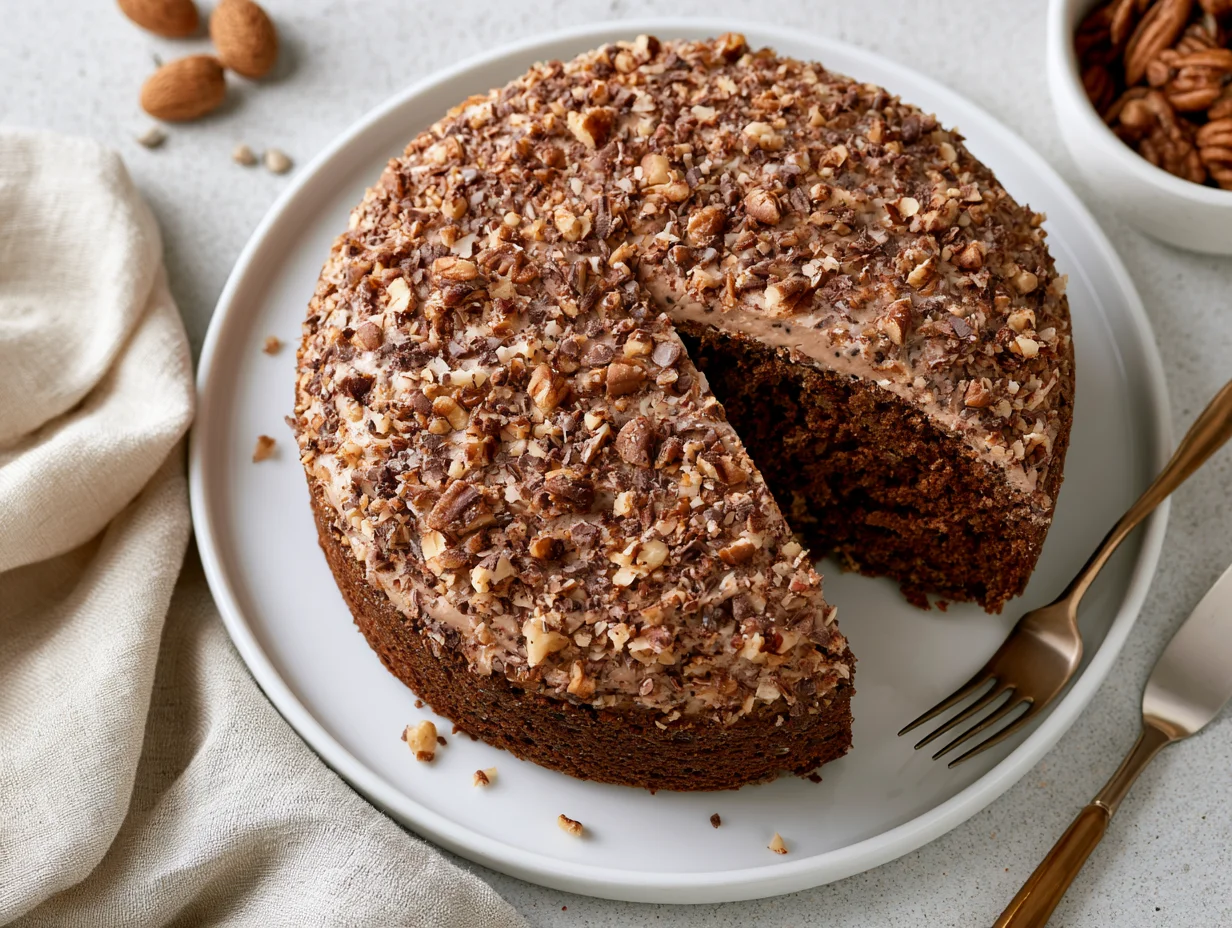
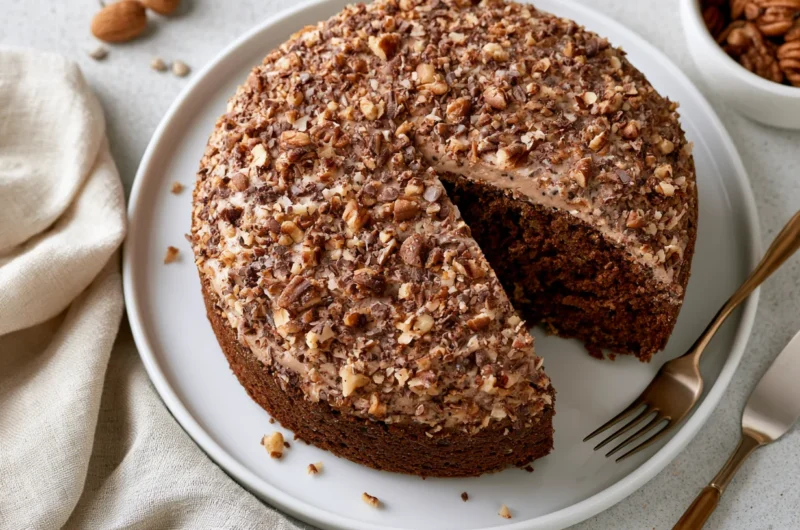
What sets this cake apart is not just its deep, rich chocolate layers — it’s the iconic coconut-pecan frosting that crowns each tier. Buttery, caramelized, chewy, and nutty all at once, that frosting is a textural experience in its own right. It’s the kind of detail that turns a good cake into a legendary one.
This recipe has been tested, refined, and tested again. Every measurement, every technique, every timing note exists for a reason. Whether you’re baking this for a birthday, a holiday gathering, or a quiet Sunday afternoon, you’re about to make something genuinely worth remembering.
Ingredients You’ll Need
This cake doesn’t ask for anything exotic or fussy — just quality staples that, when handled with care, produce a result that tastes like it came from a professional bakery.
One of the things I love about this recipe is that it uses simple pantry ingredients. You probably already have most of them in your kitchen.
Base Ingredients:
- 2 cups all-purpose flour
- 2 cups granulated sugar
- 3/4 cup unsweetened cocoa powder
- 2 tsp baking soda
- 1 tsp baking powder
- 1 tsp fine sea salt
- 2 large eggs, room temperature
- 1 cup buttermilk, room temperature
- 1 cup strong brewed coffee, cooled
- 1/2 cup vegetable oil
- 2 tsp pure vanilla extract
- 4 oz Baker’s German’s Sweet Chocolate, melted and cooled
For the Coconut-Pecan Frosting:
- 1 cup evaporated milk
- 1 cup granulated sugar
- 3 large egg yolks, lightly beaten
- 1/2 cup unsalted butter
- 1 tsp pure vanilla extract
- 1 1/3 cups sweetened shredded coconut
- 1 cup toasted pecans, roughly chopped
Optional Add-ins:
- 1/2 tsp espresso powder (deepens chocolate flavor without a coffee taste)
- 1/4 cup sour cream (adds extra moisture and a subtle tang)
- 1/2 tsp cinnamon (adds warmth and complexity to the batter)
- 1 tbsp dark rum (enhances the caramel notes in the frosting)
- 1/4 cup mini chocolate chips (folded into the batter for extra richness)
Step-by-Step Instructions
Step 1: Prepare Your Pans and Preheat
Preheat your oven to 350°F (175°C). Grease three 9-inch round cake pans, line each with a parchment paper circle, then grease the parchment as well. This double-preparation step is what guarantees clean, perfect release every single time — skip it and you risk a torn layer. Lightly dust the pans with cocoa powder instead of flour to keep the edges dark and beautiful. Set pans aside.
Step 2: Melt the German Chocolate
Break the 4 oz of Baker’s German’s Sweet Chocolate into pieces and melt it using a double boiler or in 30-second microwave intervals, stirring between each. Do not rush this — gentle, even heat prevents scorching. Once fully melted and silky smooth, set it aside to cool to room temperature. Adding hot chocolate directly to your batter can begin cooking the eggs prematurely, which you absolutely want to avoid.
Step 3: Mix the Dry Ingredients
In a large mixing bowl, whisk together the flour, sugar, cocoa powder, baking soda, baking powder, and salt until fully combined and no lumps remain. Whisking dry ingredients separately ensures even distribution of leavening agents throughout the batter, which directly affects how evenly your cake rises in the oven. Good baking starts here — don’t rush this step or skip the sifting if your cocoa powder looks clumpy.
Step 4: Combine the Wet Ingredients
In a separate bowl or large measuring jug, whisk together the eggs, buttermilk, cooled coffee, vegetable oil, vanilla extract, and cooled melted chocolate. The coffee amplifies the cocoa flavor without making the cake taste like coffee — it’s one of the most important tricks in a chocolatier’s playbook. Make sure all wet ingredients are at room temperature before combining. Cold eggs or buttermilk can cause the batter to curdle or bake unevenly.
Step 5: Make the Batter
Pour the wet ingredients into the dry ingredients and gently fold or stir until just combined. Use a rubber spatula and mix with broad, deliberate strokes. A few thin streaks of flour are fine — overmixing develops gluten and leads to a dense, tough cake rather than the light, pillowy crumb you’re after. If using any optional add-ins like espresso powder or sour cream, fold them in at this stage. The batter will be noticeably thin — that’s exactly right.
Step 6: Bake the Cake Layers
Divide the batter evenly among the three prepared pans. Use a kitchen scale for precision if you have one. Gently tap each pan on the counter two or three times to release any large air bubbles. Place all three pans in the oven on the same rack if possible, or stagger them if needed. Bake for 30 to 35 minutes, or until a toothpick inserted in the center comes out with just a few moist crumbs — not wet batter, not bone dry.
Step 7: Cool the Cake Layers
Remove the pans from the oven and allow the layers to cool in the pans for exactly 10 minutes — no more, no less. Then carefully run a thin knife or offset spatula around the edges and invert onto wire cooling racks. Peel off the parchment paper immediately. Allow the layers to cool completely — at least 1 hour — before frosting. Frosting a warm cake causes the frosting to melt and slide, ruining both the texture and the presentation you’ve worked so hard to achieve.
Step 8: Make the Coconut-Pecan Frosting
In a medium saucepan over medium heat, combine the evaporated milk, sugar, egg yolks, and butter. Stir constantly as it cooks — do not walk away. After 10 to 12 minutes the mixture will thicken noticeably, turning golden and fragrant. It should coat the back of a spoon and hold a line when you run your finger through it. Remove from heat and stir in vanilla, toasted coconut, and pecans. Let it cool to a spreadable consistency before using.
Step 9: Assemble and Frost the Cake
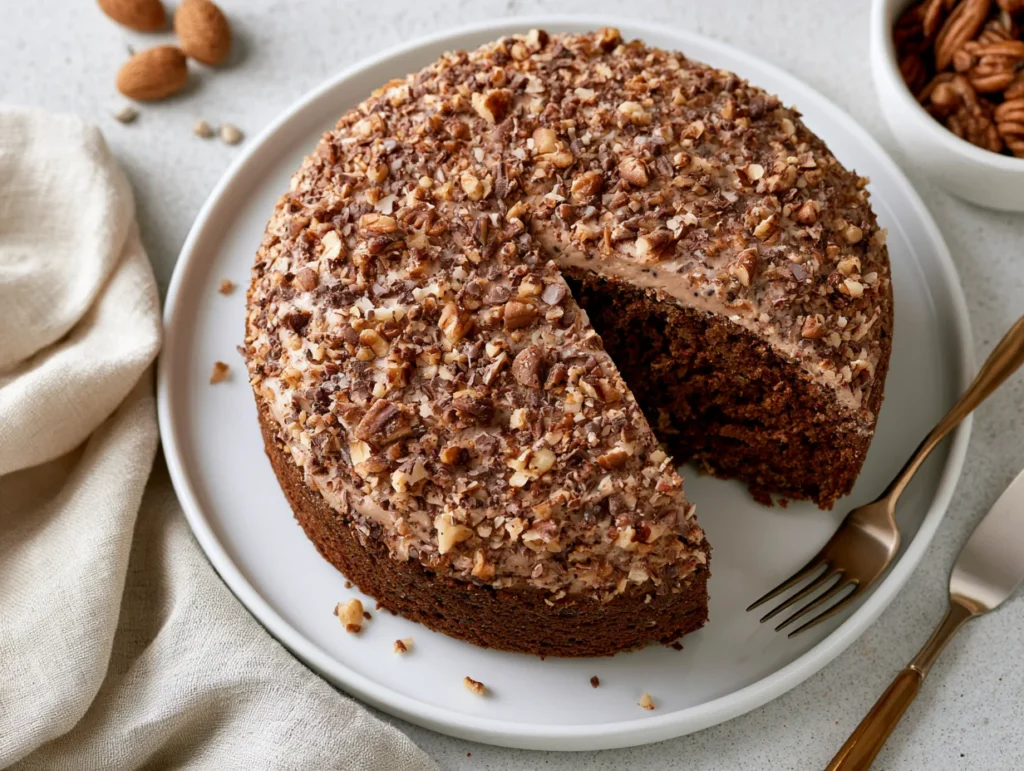
Place the first cake layer on your serving plate or cake board. Spread a generous, even layer of the coconut-pecan frosting on top — about one-third of the frosting. The frosting goes between and on top of the layers only; the sides of a classic German Chocolate Cake are traditionally left unfrosted, revealing the dramatic contrast between the dark chocolate cake and the golden coconut frosting. Repeat with the second and third layers. Finish with the remaining frosting on top, spreading it to the edges for a full, abundant crown.
Cook Time
Total:
Approximately 1 hour 50 minutes (including cooling time)
Prep:
20 minutes
Bake:
30 to 35 minutes
Servings
This recipe yields one three-layer, 9-inch round cake. At standard slice sizes — which, in my experience, are rarely standard once people have their first taste — this cake serves comfortably between 12 and 16 people.
Makes approximately 12 to 16 slices, depending on how generously you cut.
For smaller gatherings, leftovers keep beautifully (see Storage Instructions below), so don’t worry about having extra. If you’re baking for a larger crowd of 20 or more, a simple 1.5x batch divided into four layers or a sheet cake format works extremely well with this recipe.
Common Mistakes in This Recipe
The single most common error bakers make with this cake is overbaking. Because this batter is naturally thin and moist, many home bakers leave it in the oven past the right point, fearing the center is underdone. The result is a dry, crumbly cake that tastes nothing like it should.
Another frequent mistake is adding hot melted chocolate directly into the cold wet ingredients. This creates uneven pockets of cocoa that never fully incorporate and can partially cook the eggs before the batter even hits the oven.
Skipping the buttermilk and substituting regular milk is a compromise that costs you more than you might expect. Buttermilk reacts with the baking soda to create a tender, open crumb and a slightly deeper flavor. Without it, the texture turns flat and the layers lose their characteristic softness.
Finally, many bakers underestimate the frosting. Pulling it off the heat too early — before it properly thickens — leaves you with a runny topping that soaks into the cake rather than sitting on top of it, which completely changes the texture of the finished layers.
Solutions to Common Mistakes
To avoid overbaking, begin checking the cake at the 28-minute mark. Use a toothpick and look for moist crumbs — not wetness, not clean. Pull it the moment those crumbs appear. Residual heat will finish the job.
For the chocolate, always let it cool until it’s barely warm to the touch before mixing it into your wet ingredients. Five to ten extra minutes of patience here protects your eggs and ensures a smooth, uniform batter.
If you don’t have buttermilk on hand, make a quick substitute: add 1 tablespoon of white vinegar or lemon juice to a measuring cup, then fill to the 1-cup line with whole milk. Let it sit for 5 minutes until it curdles slightly. This mimics buttermilk’s acidity well enough for this recipe.
For the frosting, keep the heat at medium and stir constantly. The moment it thickens enough to coat the back of a spoon and holds a clean line when you drag a finger through it, remove it immediately. Let it cool for at least 30 minutes before spreading — patience here is everything.
Nutritional Information (approx. per serving)
- Calories: 520 kcal
- Total Fat: 27g
- Saturated Fat: 11g
- Cholesterol: 90mg
- Sodium: 380mg
- Total Carbohydrates: 66g
- Dietary Fiber: 3g
- Total Sugars: 48g
- Protein: 7g
- Calcium: 8% DV
- Iron: 12% DV
- Potassium: 280mg
Pecans, one of the key components in the frosting, are rich in heart-healthy monounsaturated fats and contain meaningful amounts of magnesium, zinc, and vitamin E. Eaten in moderation, they contribute genuine nutritional value alongside their flavor.
The cocoa in this recipe delivers a dose of flavanols — plant-based compounds associated with improved circulation and reduced oxidative stress. The darker and less processed the cocoa, the greater the benefit, which is why quality cocoa powder matters.
Eggs supply complete protein along with choline, a nutrient that supports brain function and liver health. They also contribute to the structure and richness of the cake in ways that no substitute fully replicates.
Coffee, used here as a liquid in the batter, brings more than flavor. It contains antioxidants and has been shown in research to support cognitive function and metabolic health. At the amounts used in baking, it contributes benefit without perceptible taste.
Storage Instructions
Once assembled, this cake keeps beautifully at room temperature for up to two days, covered loosely with a cake dome or a large bowl. The coconut-pecan frosting actually improves slightly on day two as the flavors meld and settle into the layers.
For longer storage, refrigerate the cake — tightly covered with plastic wrap or in an airtight container — for up to five days. Remove it from the refrigerator at least 30 to 45 minutes before serving to allow it to come to room temperature. Cold cake has a denser, less pleasant texture, and the frosting loses some of its chewiness when served straight from the fridge.
Individual slices freeze exceptionally well. Wrap each piece in a double layer of plastic wrap, then place in a zip-lock freezer bag. Frozen slices keep for up to two months with no noticeable drop in quality. Thaw overnight in the refrigerator, then bring to room temperature before eating.
Unfrosted cake layers can also be made ahead: wrap each cooled layer tightly in plastic wrap and freeze for up to one month. When ready to assemble, thaw at room temperature for one to two hours, frost, and serve. This is an excellent strategy for holiday baking when oven time is at a premium.
Suggestions
This cake pairs beautifully with a scoop of vanilla bean ice cream or a dollop of lightly sweetened whipped cream. The cool, neutral dairy balances the richness of both the chocolate cake and the caramelized coconut frosting — it’s a combination that feels effortlessly composed without requiring any additional effort.
For a more elegant plating at dinner parties, serve individual slices on chilled plates with a small drizzle of salted caramel sauce around the base. A few extra toasted pecan halves placed beside the slice add texture and signal to guests exactly what they’re about to enjoy.
If you want to lean into the chocolate even further, add a simple chocolate ganache drip along the outer edges of the top layer before applying the coconut-pecan frosting. Use a ratio of equal parts heavy cream and good-quality dark chocolate, melted together and allowed to cool until pourable. The contrast is visually striking and flavor-forward.
For a more casual presentation — say, a backyard gathering or a family birthday — this recipe also works beautifully as a sheet cake baked in a 9×13 pan. The bake time adjusts to approximately 35 to 40 minutes, and the full batch of frosting spreads perfectly across the surface. It’s easier to transport, easier to slice, and every bit as delicious.
Seasonal Relevance
German Chocolate Cake is one of those rare recipes that belongs to every season, though it earns its place on the table in a slightly different way depending on the time of year. In the warmer months, it’s a showstopper at outdoor birthday parties and backyard celebrations — the frosting holds well in moderate heat, and the individual layers make it easy to pre-slice and serve.
In autumn, the toasted pecan and caramelized coconut frosting takes on new resonance alongside the flavors of the season. It pairs naturally with a table set for Thanksgiving, and the deep chocolate notes feel right at home next to spiced ciders and harvest-flavored desserts.
During winter holidays, this cake becomes a centerpiece. Its three-layer height, dramatic appearance, and the visual contrast of dark chocolate against golden frosting make it as impressive to look at as it is to eat. It photographs beautifully for holiday tables and holds up well during the longer periods between preparation and serving that holiday entertaining often demands.
In spring, it’s an ideal choice for Easter gatherings and end-of-school celebrations. Make it the day before to let the flavors develop, and you’ll arrive at the party with a dessert that tastes like it took far more effort than it actually did — which is, perhaps, the highest compliment a recipe can earn.
Final Words
German Chocolate Cake has held its place in the American baking canon for nearly seventy years, and it has done so honestly — not through trend or novelty, but through sheer, consistent deliciousness. This is a cake that rewards the baker with exactly what they put into it.
If this is your first time making it, take your time with the frosting. It’s the soul of the recipe. Rushing the stovetop process is the one mistake that will matter most, and those extra ten minutes of careful stirring will pay off in every single bite.
If you’ve made German Chocolate Cake before and want to take it further, try substituting the vegetable oil with browned butter, or toasting the flour lightly in a dry pan before mixing. These are small changes that add layers of nutty depth without altering the structure or moisture of the finished cake.
Baking this recipe is an act of care — for whoever you’re sharing it with, and for yourself. There’s something deeply satisfying about pulling three perfect layers from the oven, about spooning that glossy, aromatic frosting between them, and about serving something that you built entirely from scratch. This cake is worth every step.
Frequently Asked Questions
Can I make German Chocolate Cake without coffee in the batter?
Yes, you can substitute the brewed coffee with an equal amount of hot water. The cake will still be moist and rich, but the coffee acts as a flavor enhancer that deepens the chocolate notes without leaving a coffee taste. Skipping it produces a slightly flatter-tasting result, but it remains a solid, delicious cake.
Why is my coconut-pecan frosting runny instead of thick?
The frosting was likely pulled from the heat too early. It needs a full 10 to 12 minutes of constant stirring over medium heat before it reaches the right consistency. Let it cool for at least 30 to 45 minutes before spreading — it thickens significantly as it cools and will set to a perfectly spreadable texture if given enough time.
Can I use Dutch-process cocoa instead of natural cocoa powder?
You can, but it will change the chemistry slightly. Dutch-process cocoa is alkalized, which means it won’t react with the baking soda the same way natural cocoa does. To compensate, add a teaspoon of cream of tartar or reduce the baking soda by a quarter teaspoon. The flavor will be slightly smoother and less sharp, which some bakers actually prefer in a layered cake like this.
Moist German Chocolate Cake Recipe
12
servings20
minutes30
minutes520
kcal50
minutesA deeply moist, three-layer German Chocolate Cake crowned with a rich coconut-pecan frosting. Bold chocolate flavor, tender crumb, and a caramelized topping that turns every slice into a memorable, bakery-worthy experience from your own kitchen.
Ingredients
Base ingredients
2 cups all-purpose flour
2 cups granulated sugar
¾ cup unsweetened cocoa powder
2 tsp baking soda
1 tsp baking powder
1 tsp fine sea salt
2 large eggs, room temperature
1 cup buttermilk, room temperature
1 cup strong brewed coffee, cooled
½ cup vegetable oil
2 tsp pure vanilla extract
4 oz Baker’s German’s Sweet Chocolate, melted and cooled
Coconut-Pecan Frosting
1 cup evaporated milk
1 cup granulated sugar
3 large egg yolks, lightly beaten
½ cup unsalted butter
1 tsp pure vanilla extract
1⅓ cups sweetened shredded coconut
1 cup toasted pecans, roughly chopped
Optional add-ins
½ tsp espresso powder
¼ cup sour cream
½ tsp cinnamon
1 tbsp dark rum
¼ cup mini chocolate chips
Directions
- Preheat oven to 350°F (175°C). Grease and line three 9-inch round pans with parchment, then dust with cocoa powder.
- Melt Baker’s German’s Sweet Chocolate gently using a double boiler or microwave in 30-second intervals. Set aside to cool to room temperature.
- In a large bowl, whisk together flour, sugar, cocoa powder, baking soda, baking powder, and salt until fully combined.
- In a separate bowl, whisk eggs, buttermilk, cooled coffee, vegetable oil, vanilla extract, and cooled melted chocolate until smooth.
- Pour wet ingredients into dry and fold gently until just combined — do not overmix. Batter will be thin; this is correct.
- Divide batter evenly among the three pans. Tap pans on the counter to release air bubbles. Bake 30–35 minutes until a toothpick comes out with moist crumbs.
- Cool layers in pans for 10 minutes, then invert onto wire racks. Peel off parchment and cool completely (at least 1 hour) before frosting.
- Make the frosting: combine evaporated milk, sugar, egg yolks, and butter in a saucepan over medium heat. Stir constantly for 10–12 minutes until thickened. Remove from heat and stir in vanilla, coconut, and pecans. Cool to spreadable consistency.
- Assemble the cake: spread frosting between each layer and on top. Leave the sides unfrosted for the classic German Chocolate presentation.
Recipe Video
Notes
- Always let the melted chocolate cool to near room temperature before adding it to the wet ingredients — hot chocolate can partially cook the eggs.
- Brewed coffee deepens the chocolate flavor without making the cake taste like coffee. Substitute with hot water if needed, but the flavor will be slightly flatter.
- Do not skip the buttermilk — it reacts with baking soda to create a tender crumb. No buttermilk? Add 1 tbsp white vinegar to a cup of whole milk and let sit 5 minutes.
- Begin checking the cake at 28 minutes. Look for moist crumbs on the toothpick — not wet batter, not completely clean. Residual heat finishes the job.
- The frosting thickens significantly as it cools. Let it rest at least 30–45 minutes before spreading for the best texture and hold.
- Unfrosted cake layers can be wrapped tightly and frozen for up to one month — a great make-ahead strategy for holiday baking.
- For a sheet cake version, bake in a 9×13 pan for 35–40 minutes. The full frosting batch spreads perfectly across the surface.