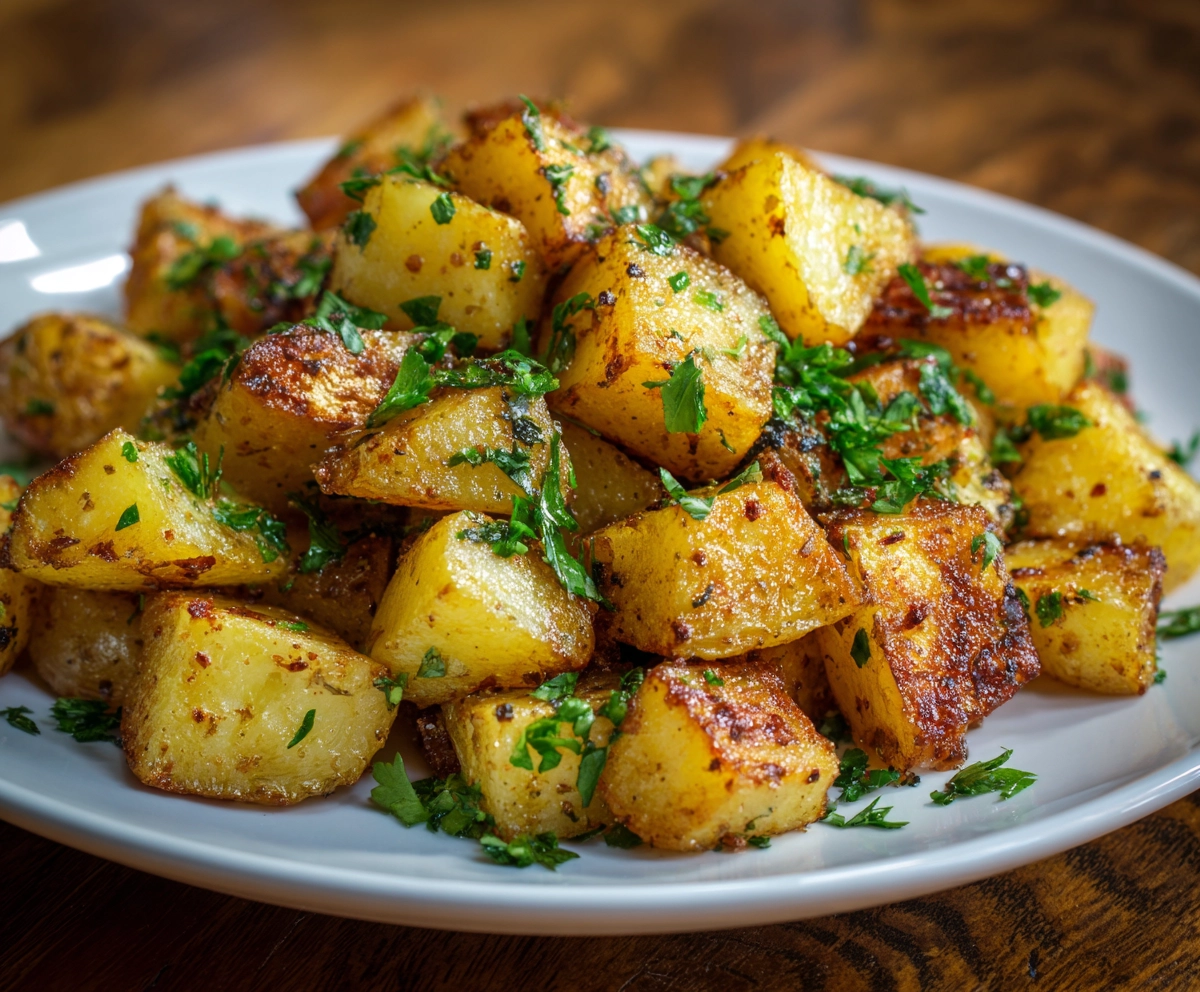
Pan Fried Diced Potatoes Crispy and Golden
A hot skillet, a handful of simple ingredients, and the right technique can turn ordinary potatoes into something truly satisfying. Pan fried diced potatoes are one of those dishes that seem effortless, yet the difference between average and exceptional comes down to detail. I have made these countless times, and every batch teaches the same lesson: control the heat, respect the process, and do not rush. Crisp edges with a soft center are not accidental. They come from intention, patience, and a few small adjustments that most home cooks overlook. Once you understand how moisture, spacing, and timing work together, the result becomes consistent every time. A well made pan of golden potatoes can stand beside any main dish and still hold its own on the plate.
Where Crispness Fails Most Often
One mistake I see again and again is overcrowding the pan. It feels harmless at first, but the moment too many potatoes go in, steam takes over and the crisp texture disappears. I have made that mistake myself, expecting a quick fix, only to end up with soft and uneven pieces. Another issue comes from cutting potatoes in different sizes. Smaller cubes cook faster and burn, while larger ones stay underdone. Timing also plays a role. Stirring too often prevents the surface from developing that golden crust. Salt added too early draws out moisture and slows down browning. Low heat only makes things worse by extending cooking time without building texture. Each of these small missteps adds up, turning what should be crisp and golden into something dull and inconsistent.
How to Achieve Even Golden Perfection
The shift happens when you start treating each step with intention. I always begin by cutting potatoes into uniform cubes, because even size means even cooking. After rinsing, I take time to dry them properly. That step alone makes a noticeable difference. A hot pan is non negotiable, so I let it heat before adding oil. Once the potatoes go in, I resist the urge to move them too soon. Letting them sit allows the first layer to crisp properly. I turn them gently, giving each side the same attention. Salt goes in at the end to keep the surface dry during cooking. It is a simple rhythm, but it works every time. When done right, each piece develops a golden crust while staying soft inside, creating the balance that defines a well cooked pan of potatoes.
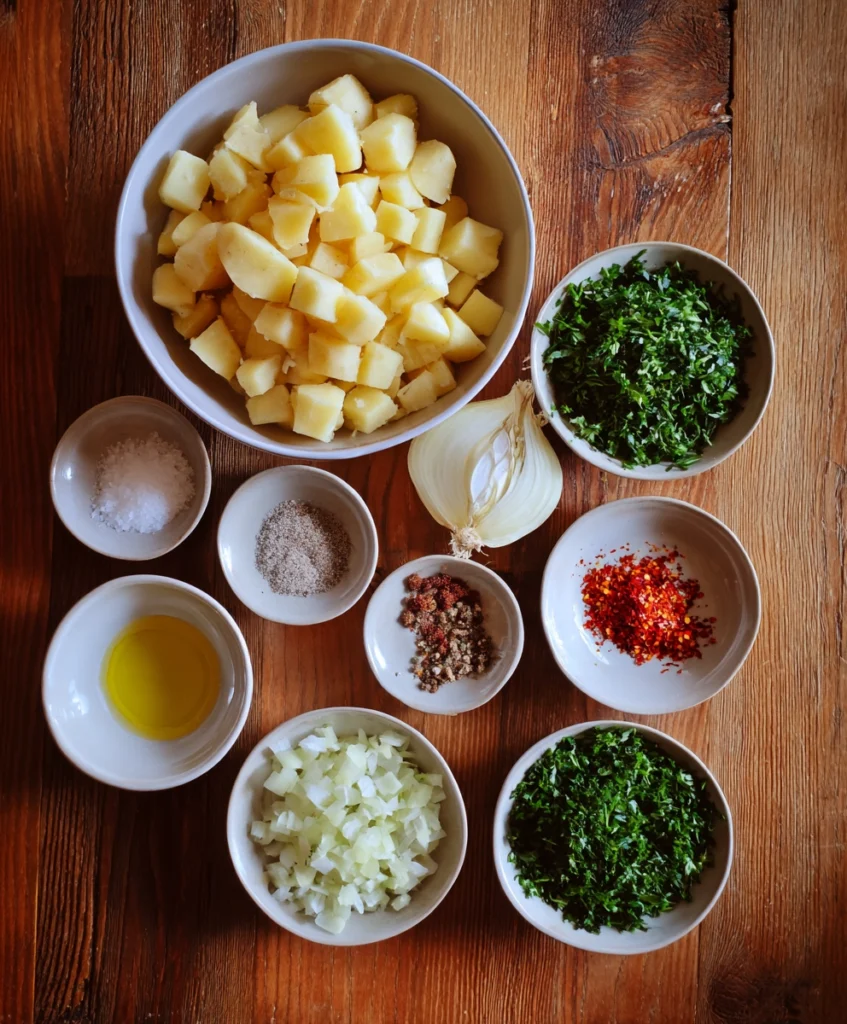
Ingredients List
Base Ingredients:
- 4 medium potatoes peeled and diced
- 3 tablespoons cooking oil
- 1 teaspoon salt
- 1 2 teaspoon black pepper
Optional Add-ins:
- 1 teaspoon paprika
- 1 teaspoon garlic powder
- 1 tablespoon chopped fresh parsley
- 1 small onion finely chopped
- 1 2 teaspoon chili flakes
Step-by-Step Instructions
Step 1: Prepare the Potatoes
I start by peeling and cutting the potatoes into even cubes, making sure each piece is close in size. That consistency saves trouble later. Once cut, I rinse them under cold water to remove excess starch. It is a small step, but it prevents sticking and helps with browning. After rinsing, I spread them out and dry them completely using a clean towel. Moisture is the biggest obstacle when aiming for crisp edges, so I never skip this part. While the potatoes dry, I place a heavy skillet on the stove and let it warm slowly. Rushing into cooking without proper prep usually leads to uneven results. Taking a few extra minutes here sets the foundation for a batch that cooks evenly and develops the right texture from the start.
Step 2: Heat the Pan and Oil
Once the pan is heated, I add the oil and let it warm until it lightly shimmers. That visual cue tells me the pan is ready. Adding potatoes too early is a common mistake, and I avoid it because it leads to soggy results. I place the potatoes in a single layer, making sure they are not crowded. Space allows heat to circulate and prevents steaming. I do not touch them right away. Letting them sit undisturbed is key to building that first golden layer. It takes patience, but it pays off. The sound of gentle sizzling tells me everything is on track. A properly heated pan combined with restraint in the first few minutes creates the base for even cooking and a crisp finish.
Step 3: Cook and Develop the Crust
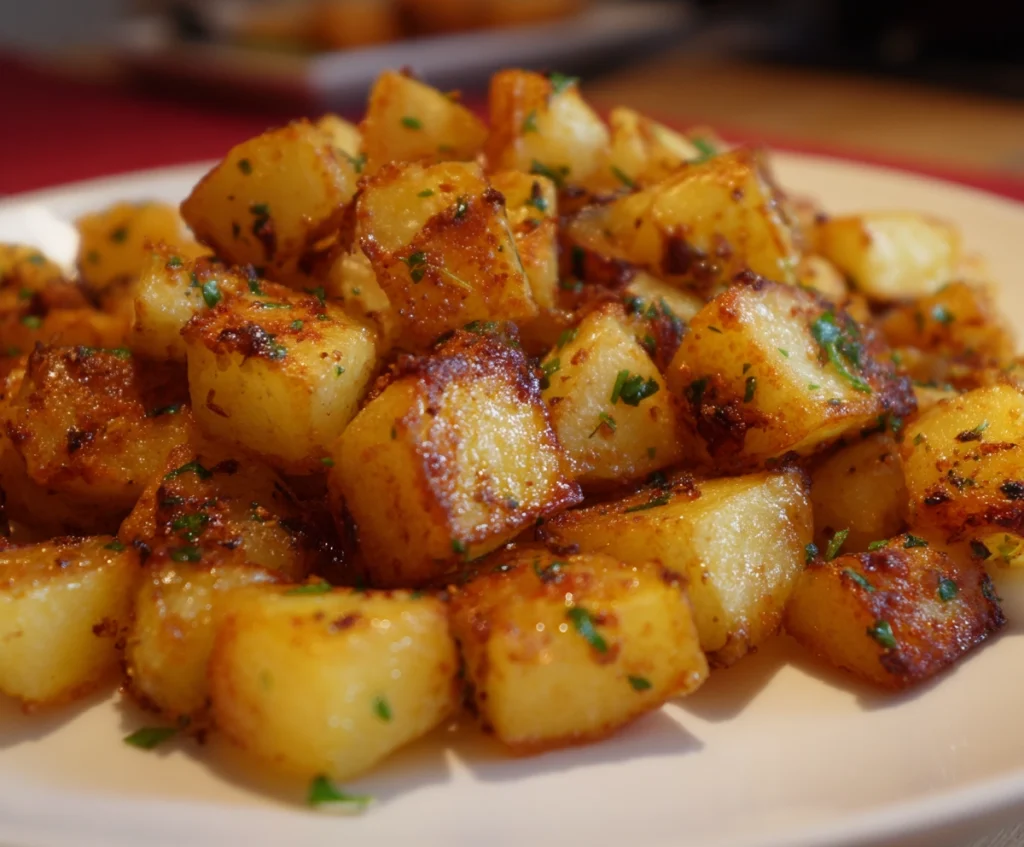
After a few minutes, I gently turn the potatoes using a spatula. I avoid stirring too much because constant movement breaks the crust before it forms. Each side needs time in contact with the pan. I continue cooking on medium high heat, flipping occasionally to ensure even browning. The color gradually deepens, and the edges begin to crisp. I keep an eye on spacing, adjusting if needed to prevent overcrowding. Cooking time depends on the size of the cubes, but I focus more on texture than the clock. When done correctly, every piece should have a golden exterior while staying soft inside. It is a steady process that rewards patience and attention rather than speed.
Step 4: Season and Finish
When the potatoes are fully cooked and crisp, I lower the heat slightly and add seasoning. Salt and pepper go in at this stage to avoid drawing out moisture earlier. If I am using spices or herbs, I add them now so they blend without burning. I toss everything gently, making sure the coating is even without damaging the crisp surface. A quick final cook of a couple of minutes helps everything come together. I remove the pan from heat once the color is deep and even. Serving them right away keeps the texture at its best. That final step, simple as it seems, makes all the difference between good and truly satisfying results.
Cook Time
Total: 30 minutes
Prep: 10 minutes
Bake: 20 minutes
Servings
When I prepare this recipe at home, it comfortably serves four people as a side dish. Portion size depends on how it is served, whether alongside breakfast eggs or part of a larger dinner. I like to keep servings balanced so everyone gets a good share without excess. Adjusting quantities is easy, but maintaining the same cooking method ensures consistent results regardless of batch size.
Makes approximately 4 servings
Nutritional Information (approx. per serving)
- Calories: 220 to 250
- Carbohydrates: 30 grams
- Protein: 3 grams
- Fat: 10 grams
- Fiber: 3 grams
Potatoes offer steady energy through complex carbohydrates, and when cooked with controlled oil, they remain satisfying without feeling heavy. I often pair them with lighter dishes to maintain balance. They also provide important nutrients like potassium and vitamin C. With the right technique, you get both comfort and nourishment in a simple, reliable dish.
Storage Instructions
I always let the potatoes cool completely before storing them. Placing them in a container while still warm creates moisture, which softens the crisp texture. Once cooled, I transfer them into an airtight container and refrigerate for up to three days. When reheating, I prefer using a skillet instead of a microwave. A quick toss in a hot pan brings back some of the crisp edges, while the microwave tends to make them soft. I avoid freezing because it changes the texture too much. Keeping them dry and properly stored helps maintain their quality for short term use without losing their character.
Suggestions
I enjoy serving these potatoes with eggs in the morning or alongside grilled meats for dinner. Adding fresh herbs at the end brings a light contrast to the crisp texture. Sometimes I pair them with a simple dip or yogurt based sauce for extra richness. Changing the seasoning keeps the recipe interesting without altering the method. No matter how I serve them, I rely on the same technique because it consistently delivers the right texture. Small adjustments in spices or pairings allow the dish to fit different meals while keeping its core appeal intact.
Seasonal Relevance
I find pan fried diced potatoes suitable throughout the year. During colder months, they bring warmth and pair well with hearty meals. In warmer seasons, I lighten them with fresh herbs and simple seasoning to match the rest of the plate. Potatoes are always available, which makes this recipe dependable regardless of season. I often adapt the herbs and sides based on what is fresh at the time. That flexibility keeps the dish relevant and easy to include in everyday cooking.
Conclusion
Over time, I have learned that great results come from small details done right. Pan fried diced potatoes may seem simple, but they reward careful attention. Even cutting, proper heat, and patience create a texture that stands out. I rely on this method because it works consistently, whether cooking for myself or serving others. Once you understand the rhythm, it becomes second nature. The result is a dish that feels both comforting and well crafted without requiring complicated steps.
Frequently Asked Questions
Can I skip rinsing the potatoes?
Skipping rinsing leaves excess starch on the surface, which can cause sticking and uneven browning. I always rinse them quickly under cold water and dry them well. It improves texture and helps achieve a cleaner, more consistent crisp finish during cooking.
What oil works best for frying potatoes?
I prefer oils with a moderate smoke point such as vegetable or sunflower oil. They heat evenly and allow proper browning without burning. Choosing the right oil helps maintain steady cooking temperature and supports the development of a crisp outer layer.
How do I prevent uneven cooking?
Cutting potatoes into uniform pieces is the most important step. Uneven sizes cook at different speeds, leading to mixed textures. I also avoid overcrowding and maintain consistent heat so every piece gets equal exposure to the pan surface.
Can I add vegetables to the pan?
Yes, but I add them near the end of cooking. Ingredients like onions or peppers cook faster and can burn if added too early. Adding them later keeps their texture intact while allowing the potatoes to develop a proper crust first.
Why are my potatoes not turning golden?
Lack of heat or excess moisture usually causes this issue. I make sure the pan is hot before adding oil and dry the potatoes thoroughly. Giving them time without stirring also allows the surface to brown properly and develop a golden color.
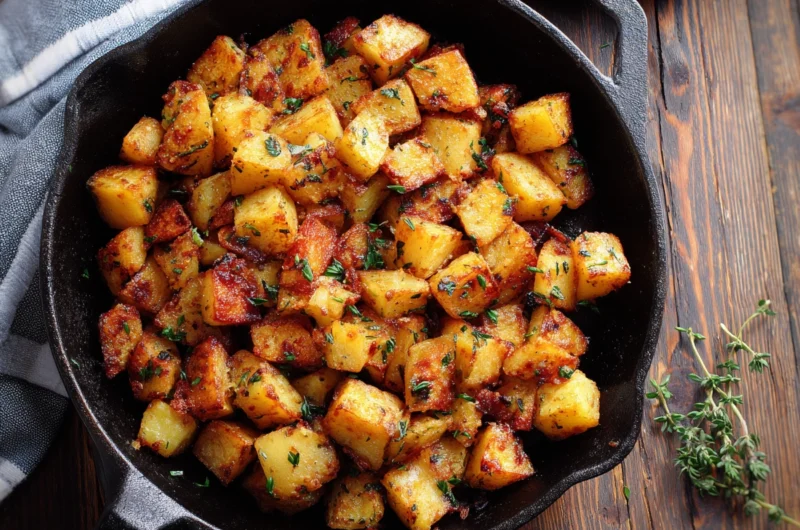
Pan Fried Diced Potatoes Crispy and Golden
4
servings10
minutes20
minutes880
kcal30
minutesPan fried diced potatoes prepared with a controlled cooking method that focuses on crisp texture and even browning. Each piece develops a golden outer layer while staying soft inside. The process relies on proper heat management, spacing, and timing rather than complicated ingredients. A reliable side dish that pairs easily with breakfast, lunch, or dinner meals.
Ingredients
4 medium potatoes peeled and diced
3 tablespoons cooking oil
1 teaspoon salt
1 2 teaspoon black pepper
1 teaspoon paprika optional
1 teaspoon garlic powder optional
1 tablespoon fresh parsley optional
1 small onion finely chopped optional
1 2 teaspoon chili flakes optional
Directions
- Peel and dice the potatoes into evenly sized cubes. Rinse lightly under cold water and dry completely to remove excess moisture.
- Heat a large skillet over medium heat and add oil. Allow the oil to warm until it begins to shimmer slightly.
- Add the potatoes in a single layer, ensuring they are not overcrowded. Let them cook undisturbed for several minutes to develop a golden crust.
- Turn the potatoes gently and continue cooking, flipping occasionally to ensure even browning on all sides.
- Once the potatoes are crisp and golden, reduce heat slightly and add salt, pepper, and optional seasonings. Toss gently to coat evenly.
- Cook for another two minutes, then remove from heat and serve warm.
Recipe Video
Notes
- Cutting potatoes evenly ensures consistent cooking and prevents uneven texture.
- Drying the potatoes properly is essential for achieving a crisp surface.
- Avoid overcrowding the pan to prevent steaming instead of frying.
- Add salt toward the end to maintain a dry surface during cooking.
- Serve immediately for the best texture and overall experience