Vegan Garlic Bread Recipe
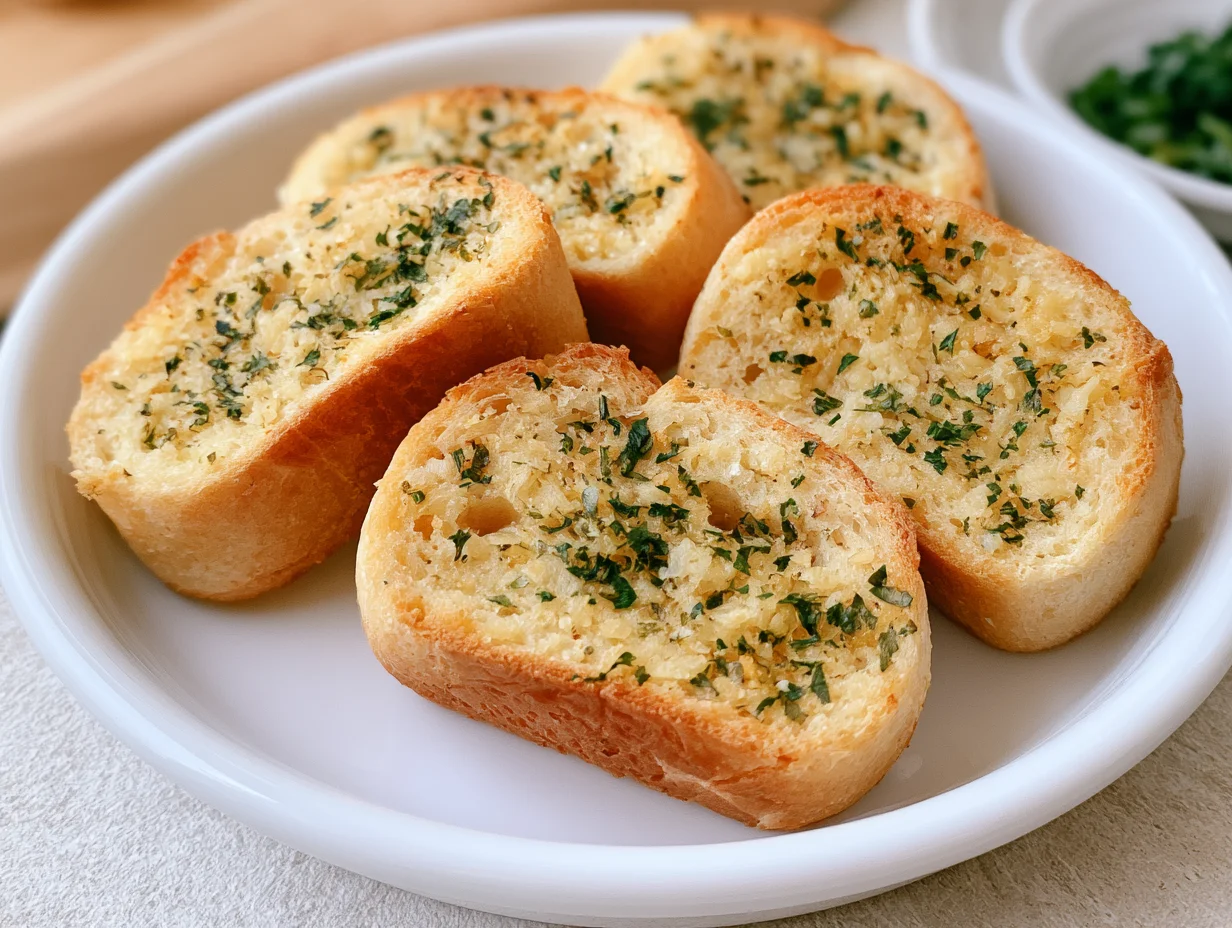
There is something deeply satisfying about pulling a tray of golden, garlicky bread from the oven — that unmistakable aroma that fills every corner of your kitchen and signals that something truly good is about to happen. This vegan garlic bread recipe delivers exactly that experience, without a single drop of dairy or animal product.
I have been cooking plant-based food professionally for years, and garlic bread is one of those recipes that people always assume requires butter to be truly great. It does not. With the right fat, the right technique, and a handful of simple ingredients, you can create a loaf that is crispy on the outside, soft and pillowy inside, and absolutely loaded with rich, roasted garlic flavor.
What makes this recipe stand apart from the dozens of versions floating around online is the method. We are not just spreading something on bread and toasting it. We are building layers — infused oil, fresh garlic, herbs, and a careful bake — that result in something restaurant-quality coming right out of your home oven.
Whether you are serving it alongside pasta, using it to mop up a hearty soup, or eating it straight off the baking sheet (no judgment), this vegan garlic bread will earn a permanent place in your weekly rotation. Let us get into it.
Ingredients You’ll Need
You only need one bowl, one baking tray, and about ten minutes of actual hands-on time — the rest is all oven magic.
One of the things I love about this recipe is that it uses simple pantry ingredients. You probably already have most of them in your kitchen.
Base Ingredients:
- 1 large French baguette or Italian loaf (about 400g)
- 4 tablespoons good-quality extra virgin olive oil
- 4 large garlic cloves, finely minced or pressed
- 2 tablespoons vegan butter (such as Earth Balance or Miyoko’s)
- 2 tablespoons fresh flat-leaf parsley, finely chopped
- 1/2 teaspoon sea salt
- 1/4 teaspoon black pepper, freshly ground
- 1/4 teaspoon garlic powder (for depth alongside fresh garlic)
Optional Add-ins:
- 1/4 teaspoon red chili flakes (for gentle heat)
- 1 teaspoon fresh lemon zest (brightens the entire flavor profile)
- 2 tablespoons nutritional yeast (adds a savory, cheesy undertone)
- 1 tablespoon fresh rosemary, finely chopped (pairs beautifully with garlic)
- 1/4 teaspoon smoked paprika (adds a subtle warmth and color)
Step-by-Step Instructions
Step 1: Preheat and Prepare Your Bread
Set your oven to 375°F (190°C) and allow it to fully preheat while you prepare everything else. Take your baguette or Italian loaf and slice it lengthwise down the center, so you have two long halves. Place them cut-side up on a large baking sheet lined with parchment paper or foil. This setup ensures even heat distribution and prevents the bottom from over-browning before the top has had its moment.
Step 2: Make the Garlic Oil Base
In a small saucepan over low heat, warm the olive oil for about 60 seconds. Add the minced garlic and let it gently cook for 1 to 2 minutes — you want it fragrant and just barely golden, not browned. Remove from heat immediately and stir in the vegan butter until fully melted and combined. This step is where the flavor foundation is built. Letting the garlic bloom in warm oil unlocks its full aromatic potential in a way that raw garlic simply cannot replicate.
Step 3: Season the Spread
Into your garlic oil mixture, stir in the sea salt, black pepper, garlic powder, and chopped fresh parsley. If you are adding any optional ingredients — nutritional yeast, lemon zest, chili flakes — fold them in now as well. Give everything a good stir so the herbs and seasoning are evenly distributed throughout the oil. Taste the mixture. Adjust salt if needed. This spread should taste bold on its own, because the bread will absorb and mellow it significantly during baking.
Step 4: Apply and Bake
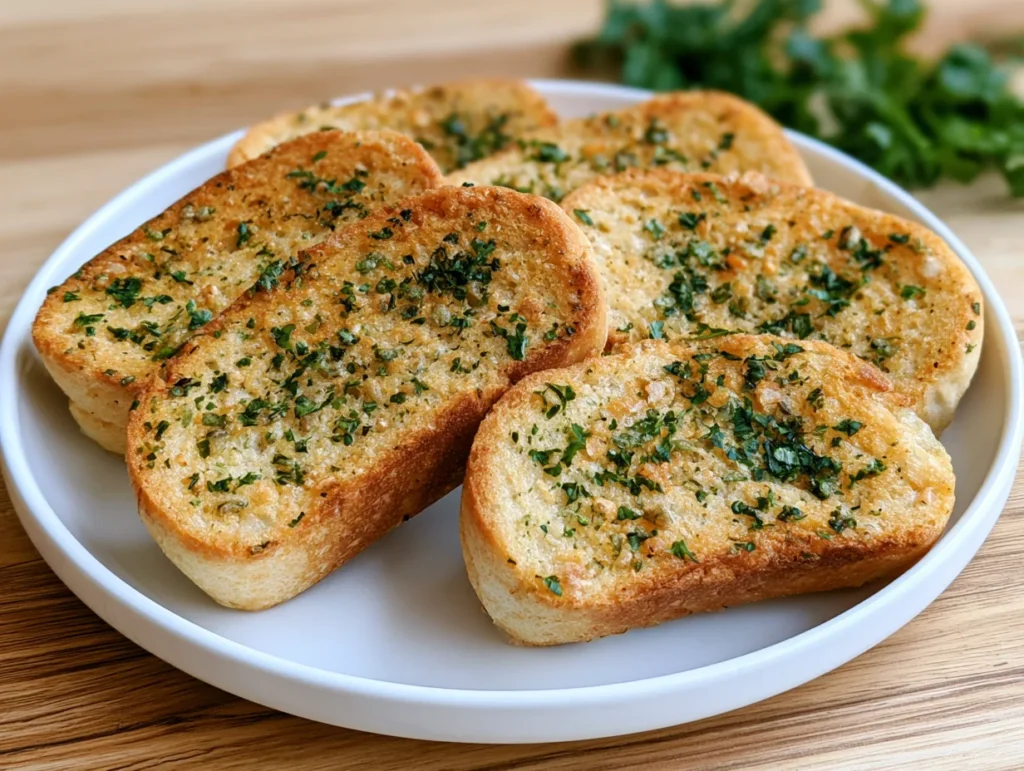
Using a pastry brush or the back of a spoon, generously spread the garlic mixture across both cut halves of the bread, making sure to reach all the way to the edges and into any nooks in the crumb. Every inch of surface should be covered. Slide the tray into the center rack of your preheated oven and bake uncovered for 12 to 15 minutes, until the edges are golden and the top looks glossy and slightly crisped. If you want a deeper crunch, switch to broil for the final 1 to 2 minutes — but watch it closely, as garlic burns quickly under high heat.
Step 5: Slice and Serve
Remove the tray from the oven and allow the bread to rest for 2 minutes before cutting. This short rest lets the oil settle back into the crumb rather than running off when sliced. Use a sharp serrated knife to cut into individual portions and serve immediately. Vegan garlic bread is at its absolute best when eaten hot, fresh from the oven, with that perfect contrast between the crackling crust and the soft, herb-loaded interior.
Cook Time
Total:
25 minutes
Prep:
10 minutes
Bake:
12 to 15 minutes
Servings
This recipe yields generous portions for a shared table. Depending on how the loaf is sliced and what it is being served alongside, it comfortably feeds a crowd without feeling stingy.
Makes approximately 6 to 8 servings when used as a side dish alongside pasta, soup, or salad. If you are serving it as a standalone appetizer or snack, plan for 4 servings. The recipe scales easily — simply double the garlic oil mixture for two loaves, keeping all ratios the same.
For smaller households, half a baguette works perfectly. Prepare the full garlic oil recipe and use what you need. Any leftover garlic oil can be stored in a jar in the refrigerator for up to three days and used on roasted vegetables, grain bowls, or sautéed mushrooms.
Common Mistakes in This Recipe
Garlic burns faster than most people expect. One of the most frequent errors home cooks make with this recipe is heating the garlic over too-high a flame. Once garlic turns dark brown, it shifts from aromatic and savory to acrid and bitter — and that bitterness will permeate every bite of the bread.
Another common problem is under-seasoning the garlic spread itself. The oil and butter mixture needs to be boldly seasoned before it touches the bread, because the bread absorbs and dilutes the flavors significantly during baking. Many people taste the spread, think it is salty enough, and end up with bland bread after baking.
Spreading the garlic mixture unevenly is a more subtle mistake, but one that results in inconsistent bites — some sections rich and flavorful, others dry and plain. Every edge and crevice of the cut surface deserves full coverage.
Finally, skipping the resting step after the bread comes out of the oven causes the garlic oil to run off when you slice it, leaving the bread drier than intended. Those two minutes of patience make a real, measurable difference in the final texture and flavor distribution.
Solutions to Common Mistakes
To avoid burning the garlic, always use low heat and keep a close eye on the saucepan. The moment you see the garlic begin to turn just barely golden and smell fragrant, remove the pan from heat. Residual heat in the oil will finish the job gently without scorching.
For properly seasoned bread, build the flavor intentionally. Season the garlic oil with confidence — then taste before spreading. If it does not make you want to eat it by the spoonful, add more salt. The bread will thank you.
Even coverage comes down to using the right tool and taking your time. A pastry brush is ideal because its bristles push the oil into the surface rather than just glossing the top. If you do not have one, use the back of a spoon in small circular motions to work the mixture deep into the crumb.
As for resting, simply set a two-minute timer the moment the tray comes out of the oven. Use that time to set the table, plate your other dishes, or slice fresh herbs for garnish. By the time the timer goes off, your bread is perfectly settled and ready to be cut cleanly and served beautifully.
Nutritional Information (approx. per serving)
- Calories: 210 kcal
- Total Fat: 11g
- Saturated Fat: 2g
- Carbohydrates: 24g
- Dietary Fiber: 1.5g
- Sugars: 1g
- Protein: 4g
- Sodium: 310mg
- Vitamin C: 4% DV
- Iron: 8% DV
- Calcium: 3% DV
Olive oil, the primary fat in this recipe, is rich in monounsaturated fatty acids and polyphenols, both of which are associated with reduced inflammation and improved cardiovascular health. Unlike butter, it contributes heart-healthy fats without cholesterol.
Garlic is one of the most well-documented functional foods in the culinary world. It contains allicin, a sulfur compound that has demonstrated antimicrobial and immune-supportive properties in numerous studies. Even after cooking, garlic retains meaningful amounts of its beneficial compounds.
Fresh parsley contributes more than color. It is a meaningful source of vitamin K, vitamin C, and antioxidants that support cellular health and normal immune function. For a garnish-sized addition, its nutritional contribution is genuinely worth noting.
This recipe is entirely plant-based, making it suitable for vegan, dairy-free, and egg-free diets. When made with a certified gluten-free loaf, it also accommodates gluten-sensitive eaters — a flexibility that makes it one of the more inclusive crowd-pleasing dishes in your repertoire.
Storage Instructions
Vegan garlic bread is best consumed on the day it is made. Like most bread-based dishes, it is at peak quality when freshly baked, with that contrast of crisp exterior and soft, oil-saturated crumb fully intact.
If you have leftovers, allow the bread to cool completely before wrapping. Store individual pieces in an airtight container or wrap tightly in foil. Keep at room temperature for up to one day, or refrigerate for up to three days. Avoid storing uncovered, as the bread will dry out quickly and lose its pleasant texture.
To reheat, wrap the pieces in foil and warm them in a 350°F (175°C) oven for 8 to 10 minutes. This method revives the bread much more effectively than a microwave, which makes the crust soft and chewy rather than crisp. If you prefer a very crunchy exterior, unwrap the foil for the final 2 minutes of reheating.
For longer storage, vegan garlic bread freezes well. Wrap individual slices tightly in foil, then place them in a freezer-safe bag. Freeze for up to one month. Reheat directly from frozen at 375°F (190°C) for 12 to 15 minutes, wrapped in foil, until heated through. The texture will be very close to freshly baked.
Suggestions
This garlic bread pairs exceptionally well with pasta dishes — particularly tomato-based sauces like marinara, arrabbiata, or a hearty vegan Bolognese. The richness of the oil-soaked bread cuts through acidic sauces beautifully and makes every bite feel more complete.
For a more elevated serving idea, slice the baked garlic bread into thick fingers and arrange them around a bowl of warm roasted tomato soup or a creamy white bean bisque. The bread becomes both a utensil and a dish in its own right, which guests always appreciate.
You can also use this recipe as a base for bruschetta. After baking, top the garlic bread halves with diced ripe tomatoes, fresh basil, a drizzle of balsamic glaze, and a pinch of flaky salt. It transforms a simple side into a genuine appetizer that works for dinner parties as well as casual weeknight meals.
If you want to make it more of a meal on its own, pile the hot garlic bread with sautéed white beans, wilted spinach, and a squeeze of lemon. It reads like a complete, satisfying open-faced sandwich and requires minimal additional prep — making it an excellent quick-dinner option on busy nights.
Seasonal Relevance
Though garlic bread works in every season, it is particularly well-suited to autumn and winter cooking. During the colder months, it serves as the perfect accompaniment to warming soups, stews, and braises — the kinds of meals that define cold-weather comfort food and that always benefit from something sturdy to soak up the broth.
In spring and early summer, this recipe lends itself well to lighter preparations. Pair it with fresh green salads, chilled gazpacho, or grilled vegetable platters. The garlic and herb profile complements the brightness of seasonal produce without overpowering it.
During summer, garlic bread translates naturally to outdoor cooking. You can adapt this recipe for the grill — simply prepare the garlic oil as instructed, brush it onto the bread, and grill cut-side down over medium heat for 3 to 4 minutes until char marks appear and the edges crisp up. The smoky undertone from the grill takes the flavor in an entirely different, equally delicious direction.
In the depths of winter, consider adding roasted garlic instead of raw sautéed garlic for an even deeper, more caramelized flavor. Roasted garlic spreads like butter and has a sweeter, mellower character that feels especially cozy when the temperature drops and you want something deeply satisfying on the table.
Final Words
Great garlic bread is not complicated — but it is intentional. Every step in this recipe, from blooming the garlic gently in warm oil to that two-minute rest before slicing, exists for a reason. When you follow the process with care, the results are consistently excellent, and that is what separates a recipe worth returning to from one you try once and forget.
The fact that this version is entirely plant-based says something important about where vegan cooking is right now. You are not compromising on flavor or texture to eat without animal products. You are simply choosing better ingredients and a more thoughtful approach — and the bread on your table reflects that choice beautifully.
I encourage you to make this recipe your own over time. Try the optional add-ins. Experiment with different loaves. Test it on the grill in summer and under the broiler in winter. A recipe like this is a foundation, not a fixed formula, and the best version is the one that fits your kitchen, your preferences, and your table.
If you make this vegan garlic bread, I would genuinely love to know how it turned out. Cooking is always better when it is shared — and that goes for the recipes as much as the meals themselves. Leave a comment, share it with someone who loves garlic, and come back whenever you need a reliable, crowd-pleasing recipe that never lets you down.
Frequently Asked Questions
Can I make the garlic oil mixture ahead of time?
Yes, absolutely. Prepare the garlic oil up to 24 hours in advance and store it in a sealed jar in the refrigerator. When ready to use, gently rewarm it in a small saucepan over low heat for about 60 seconds until it returns to a spreadable, liquid consistency, then proceed with the recipe as written.
What type of bread works best for this recipe?
A French baguette or Italian ciabatta-style loaf gives the best results — both have an open crumb that absorbs the garlic oil well and a crust that crisps beautifully in the oven. Sourdough is also an excellent choice and adds a pleasant tang that complements the richness of the garlic and olive oil spread.
Can I use garlic powder instead of fresh garlic?
You can, though the flavor will be noticeably milder and less complex. If substituting entirely, use 1 teaspoon of garlic powder in place of the four fresh cloves. For the best results, use both — fresh garlic for brightness and intensity, and garlic powder for an additional layer of depth, exactly as this recipe does.
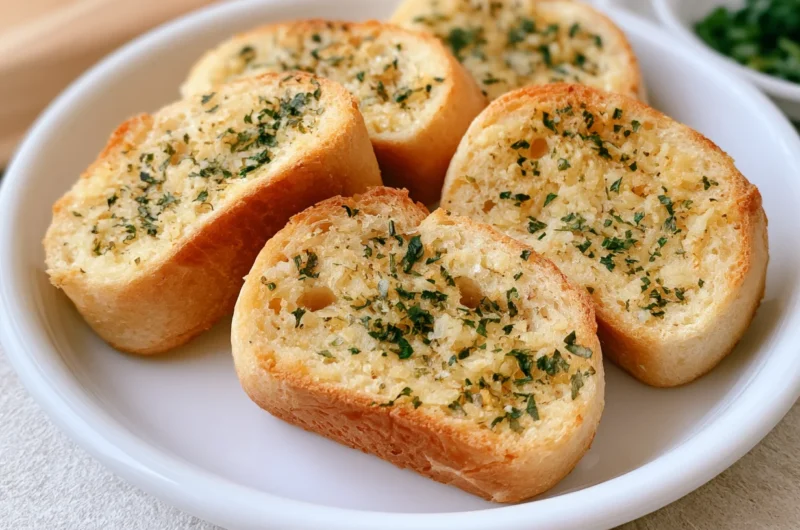
Vegan Garlic Bread Recipe
6
servings10
minutes15
minutes210
kcal25
minutesThis vegan garlic bread is crispy on the outside, soft and herb-loaded inside, and made entirely without dairy. Infused garlic olive oil and fresh parsley make every bite bold, satisfying, and completely plant-based.
Ingredients
Base Ingredients:
1 large French baguette or Italian loaf (about 400g)
4 tablespoons extra virgin olive oil
4 large garlic cloves, finely minced or pressed
2 tablespoons vegan butter
2 tablespoons fresh flat-leaf parsley, finely chopped
1/2 teaspoon sea salt
1/4 teaspoon black pepper, freshly ground
1/4 teaspoon garlic powder
Optional Add-ins:
1/4 teaspoon red chili flakes
1 teaspoon fresh lemon zest
2 tablespoons nutritional yeast
1 tablespoon fresh rosemary, finely chopped
1/4 teaspoon smoked paprika
Directions
- Preheat oven to 375°F (190°C). Slice the baguette lengthwise into two halves and place cut-side up on a parchment-lined baking sheet.
- Warm olive oil in a small saucepan over low heat. Add minced garlic and cook for 1–2 minutes until fragrant. Remove from heat and stir in vegan butter until fully melted.
- Add sea salt, black pepper, garlic powder, and chopped parsley to the garlic oil. Stir well to combine. Add any optional ingredients at this stage.
- Brush the garlic mixture generously over both cut halves of the bread, covering all edges and surface area evenly.
- Bake for 12–15 minutes until edges are golden and the top looks glossy and slightly crisped. For extra crunch, broil for a final 1–2 minutes.
- Remove from oven, rest for 2 minutes, then slice and serve hot.
Recipe Video
Notes
- Do not rush the garlic in the pan — low and slow heat brings out its full flavor without any bitterness.
- Always season the garlic oil boldly before spreading, as the bread absorbs and mellows the flavor during baking.
- A pastry brush gives the most even coverage; work the oil into the crevices of the crumb for best results.
- For a grilled version, brush prepared garlic oil on the bread and grill cut-side down over medium heat for 3–4 minutes.
- Leftovers reheat best in a foil-wrapped oven at 350°F (175°C) for 8–10 minutes — avoid the microwave.
- The garlic oil can be made up to 24 hours ahead and refrigerated; rewarm gently before use.
- For a gluten-free version, substitute with a certified gluten-free loaf — all other ingredients remain the same.