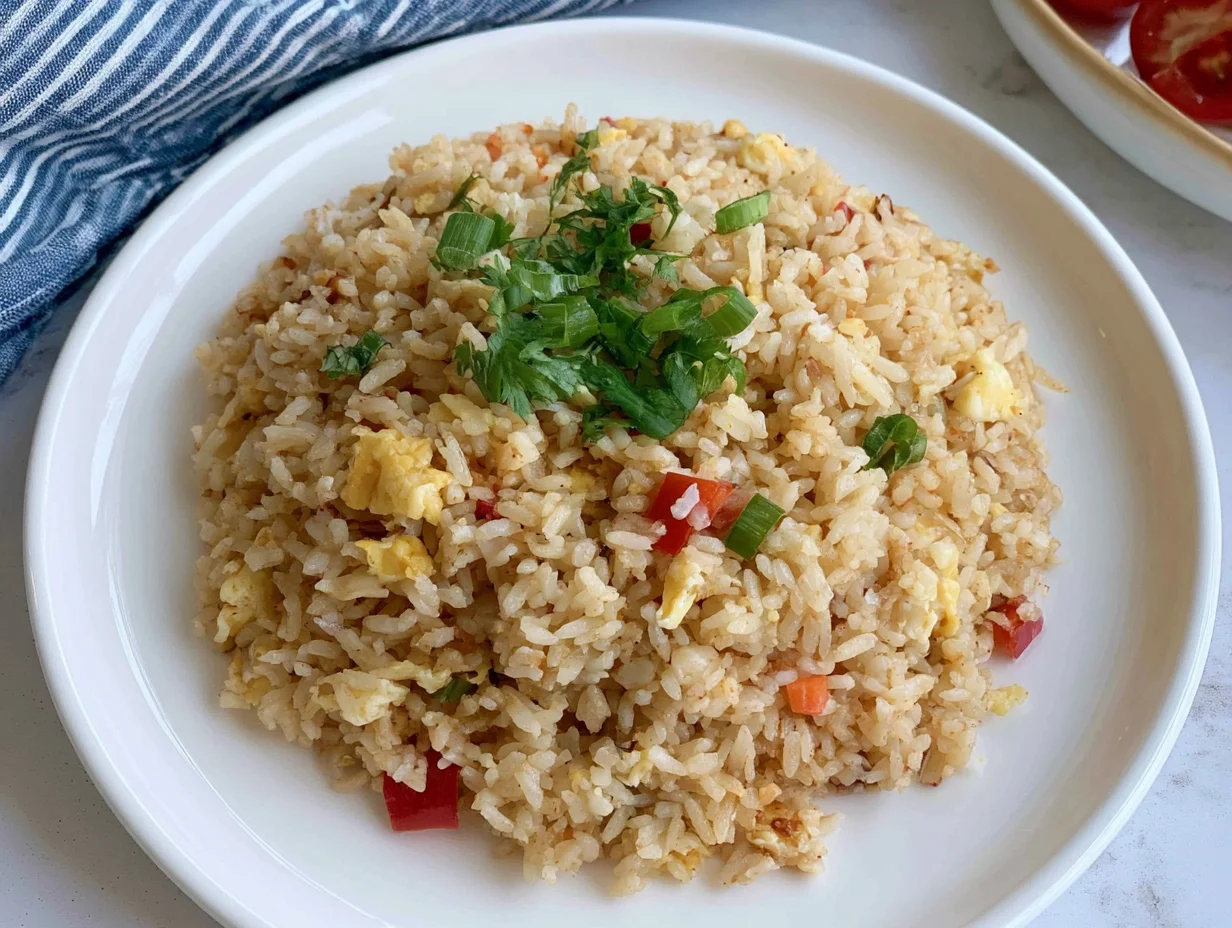
Quick & Easy Fried Rice Recipe
There’s a reason fried rice survives in every culture that touches a wok or a skillet: it’s forgiving, fast, and built entirely around what you already have. This isn’t a recipe that demands a special trip to the store. It’s the dish you make on a Tuesday night when the fridge looks unpromising and dinner needs to happen in fifteen minutes.
What separates restaurant-quality fried rice from the sad, soggy version most home cooks end up with comes down to a handful of technical details — not fancy ingredients. Rice temperature, pan heat, and timing matter far more than any secret sauce.
This recipe walks through exactly how to get those details right, using a method that works whether you’re cooking for one or feeding a hungry family. No specialty equipment, no hard-to-find ingredients, no wasted time.
By the end, you’ll have a dish that tastes like it came from a late-night noodle shop, made entirely in your own kitchen, in under thirty minutes, using ingredients that were probably already sitting in your pantry and fridge.
Ingredients You’ll Need
Great fried rice isn’t about a long shopping list — it’s about knowing how to make a handful of humble ingredients perform above their weight class. This version leans on that idea completely, turning leftover rice and a few fridge staples into something that tastes deliberate, not thrown together.
One of the things I love about this recipe is that it uses simple pantry ingredients. You probably already have most of them in your kitchen.
Base Ingredients
- 3 cups cooked and chilled white rice (day-old preferred)
- 2 tablespoons vegetable oil or sesame oil
- 2 large eggs, lightly beaten
- 1/2 cup diced carrots
- 1/2 cup frozen peas
- 1/2 cup diced yellow onion
- 3 cloves garlic, minced
- 3 tablespoons soy sauce
- 1 teaspoon oyster sauce
- 2 green onions, thinly sliced
- 1/2 teaspoon white pepper
- Salt, to taste
Optional Add-ins
- 1 cup diced cooked chicken, shrimp, or tofu
- 1/2 cup diced bell peppers
- 1/4 cup corn kernels
- 1 teaspoon grated fresh ginger
- 1 teaspoon chili garlic sauce
- 1 tablespoon toasted sesame seeds
- 1 teaspoon rice vinegar
Step-by-Step Instructions
Step 1: Prep the Rice
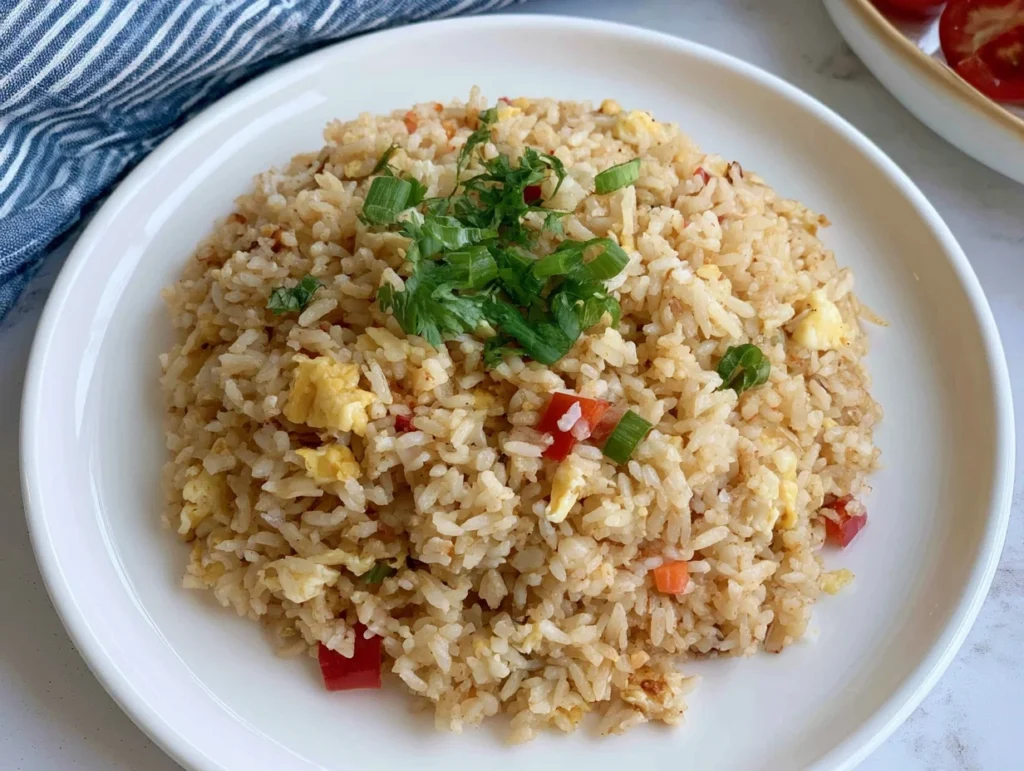
Start with cold, day-old rice — this is non-negotiable for texture. Freshly cooked rice holds too much moisture and turns mushy in the pan. Break up any clumps with your fingers or a fork before cooking so each grain separates cleanly once it hits the heat. If you only have fresh rice, spread it on a tray and chill it in the freezer for fifteen minutes to firm it up first.
Step 2: Scramble the Eggs
Heat one tablespoon of oil in a large wok or skillet over medium-high heat. Pour in the beaten eggs and let them sit undisturbed for a few seconds before scrambling gently. Cook just until set but still slightly soft, then transfer to a plate immediately. Overcooking here makes the eggs rubbery, so pull them off the heat a touch earlier than feels natural.
Step 3: Sauté the Aromatics and Vegetables
Add the remaining oil to the same pan and raise the heat to high. Toss in the onion and carrots first, since they take longest to soften, stirring frequently for about two minutes. Add the garlic and peas, cooking for another minute until fragrant. Keep everything moving constantly — fried rice depends on high heat and motion, not slow simmering.
Step 4: Add the Rice
Push the vegetables to one side and add the chilled rice directly to the hot pan. Use a spatula to break up any remaining clumps, then stir everything together so the rice picks up the oil and aromatics evenly. Let it sit untouched for thirty seconds at a time between stirs — this brief contact with the hot pan surface is what creates that slightly crisp, toasted edge.
Step 5: Season and Finish
Return the scrambled eggs to the pan along with your protein, if using. Drizzle in the soy sauce and oyster sauce around the edges of the pan rather than directly on top, letting it sizzle before tossing through. Add white pepper and adjust salt to taste. Finish with sliced green onions and serve immediately while everything is still sizzling hot.
Cook Time
Total:
25 minutes
Prep:
10 minutes
Bake:
Not applicable (stovetop recipe)
Servings
This recipe makes approximately 4 generous servings as a main dish, or 6 smaller servings when paired as a side alongside protein or another main course. It’s an easy recipe to scale — simply double the rice and seasoning proportionally if you’re cooking for a larger group or want leftovers for the next day’s lunch.
Because fried rice reheats so well, many home cooks intentionally make a larger batch. The texture actually holds up better than most stir-fries, since the rice doesn’t continue absorbing moisture the way noodles or pasta dishes tend to.
Portion size naturally varies depending on whether this is served as a standalone meal or alongside dumplings, spring rolls, or a protein-forward dish, so feel free to adjust based on your menu.
Common Mistakes in This Recipe
The single most common mistake is using freshly cooked, warm rice straight off the stove. Warm rice carries excess surface moisture that turns the entire dish gummy and clumped the moment it hits the pan, no matter how skilled the stir-frying technique is.
A close second is overcrowding the pan. Home stovetops don’t generate the intense heat of restaurant burners, so piling in too much rice and too many vegetables at once causes everything to steam instead of fry, leaving the dish pale and soft rather than lightly crisp.
Many cooks also add soy sauce too early or pour it directly over the rice in one spot, which leads to uneven seasoning, with some bites tasting salty and others bland.
Finally, overcooking the eggs before combining them with the rice results in dry, rubbery curds instead of soft, tender ribbons throughout the dish.
Solutions to Common Mistakes
Always cook your rice the day before, or at minimum several hours ahead, and refrigerate it uncovered for thirty minutes to let excess moisture escape. This single step solves the gummy texture problem almost entirely.
To avoid overcrowding, cook in batches if your pan is smaller than 12 inches, or use a wok, which is designed for high-heat, high-volume stir-frying. Keep the heat on high throughout rather than dialing it down.
Add soy sauce by drizzling it around the pan’s edges rather than pouring it centrally, allowing it to caramelize slightly before being tossed through evenly.
Pull eggs from the heat while they still look slightly underdone, since residual heat finishes the cooking process after they’re removed from the pan.
Nutritional Information (approx. per serving)
- Calories: 320 kcal
- Protein: 9g
- Carbohydrates: 42g
- Fat: 12g
- Fiber: 2g
- Sodium: 580mg
- Sugar: 3g
This dish offers a balanced combination of complex carbohydrates and protein, making it a satisfying option that keeps energy levels steady rather than causing a quick spike and crash. The vegetables contribute meaningful fiber, vitamin A, and antioxidants, particularly from the carrots and peas, supporting digestion and overall immune function.
Eggs add a complete protein source along with choline, which plays a role in brain health. Using a moderate amount of oil keeps fat content reasonable while still delivering the rich, satisfying mouthfeel that makes fried rice so craveable.
Because the recipe is easy to customize, it adapts well to higher-protein diets by adding lean chicken, shrimp, or tofu, or to lower-sodium needs by reducing the soy sauce slightly. This flexibility makes it a practical, repeatable addition to a balanced weekly meal rotation rather than an occasional indulgence.
Storage Instructions
Leftover fried rice stores exceptionally well, making it one of the better make-ahead options for busy weeknights. Transfer cooled rice to an airtight container and refrigerate for up to four days without significant loss in texture or flavor.
For longer storage, fried rice freezes well for up to two months. Portion it into individual freezer-safe bags or containers before freezing, which makes reheating single servings far more convenient than thawing one large block.
When reheating, use a hot skillet with a small splash of water or oil rather than a microwave alone, which tends to leave the rice unevenly heated and slightly dry in spots. A quick toss over medium-high heat for two to three minutes restores much of the original texture.
Avoid leaving cooked rice at room temperature for more than two hours, since rice is particularly susceptible to bacterial growth when held in the temperature danger zone for extended periods.
Suggestions
Pair this fried rice with a protein-forward side like teriyaki salmon, crispy tofu, or grilled chicken skewers to round out the meal into something more substantial. The neutral, savory base of the rice complements bolder, sauce-heavy proteins particularly well.
For a lighter accompaniment, serve alongside a simple cucumber salad or steamed broccoli with sesame oil, which adds freshness and crunch without competing with the rice’s flavor profile.
If you’re hosting, this recipe also works beautifully as part of a larger spread alongside dumplings, spring rolls, or a hot and sour soup, turning a simple weeknight dish into a full takeout-style meal at home.
Consider keeping chili oil, extra soy sauce, and toasted sesame seeds on the table so guests can adjust seasoning to their own preference, since everyone’s tolerance for salt and heat varies.
Seasonal Relevance
Fried rice is genuinely a year-round dish, but it shines particularly in colder months when a hot, savory, stovetop meal feels especially comforting after a long day. Its quick cooking time also makes it a practical choice during busy holiday seasons when time in the kitchen is limited.
In warmer months, this recipe adapts easily by leaning into lighter add-ins like fresh peas, snap peas, or a squeeze of lime at the end, brightening the dish for spring and summer appetites.
It’s also a smart choice immediately following major holiday meals, since it’s one of the best ways to repurpose leftover roasted chicken, turkey, or ham into something that feels entirely new rather than reheated.
Because the core technique stays the same regardless of season, this is a recipe worth mastering once and returning to repeatedly throughout the year.
Final Words
Fried rice rewards technique far more than it rewards fancy ingredients, which is exactly what makes it such a valuable recipe to genuinely master rather than simply follow once. Once the rice-chilling and high-heat principles click, this becomes a dish you can make confidently without measuring anything.
It’s also one of the most practical ways to reduce food waste in a home kitchen, turning leftover rice, half-used vegetables, and small portions of protein into a meal that tastes intentional rather than improvised.
Don’t be afraid to make this recipe your own. The base method stays consistent, but the specific vegetables, proteins, and seasonings can shift based on what’s actually in your kitchen that day.
Keep this one in regular rotation. Few dishes offer this much flavor, flexibility, and speed for so little effort.
Frequently Asked Questions
Can I use brown rice instead of white rice for this recipe? Yes, brown rice works well and adds extra fiber and a slightly nutty flavor. Make sure it’s fully cooked and chilled beforehand, following the same day-old rice principle, since the moisture issue applies equally to both rice varieties.
Why does restaurant fried rice taste different from homemade versions? Restaurants use extremely high-heat burners that home stoves can’t replicate, creating a smoky flavor called wok hei. You can get closer by using a well-seasoned wok, working in smaller batches, and keeping the heat as high as your stove allows.
Is this recipe naturally gluten-free? Not by default, since regular soy sauce contains wheat. Substitute tamari or a certified gluten-free soy sauce alternative, and double-check that your oyster sauce is also labeled gluten-free, as formulations vary between brands.
Quick & Easy Fried Rice Recipe
4
servings10
minutes25
minutes320
kcal35
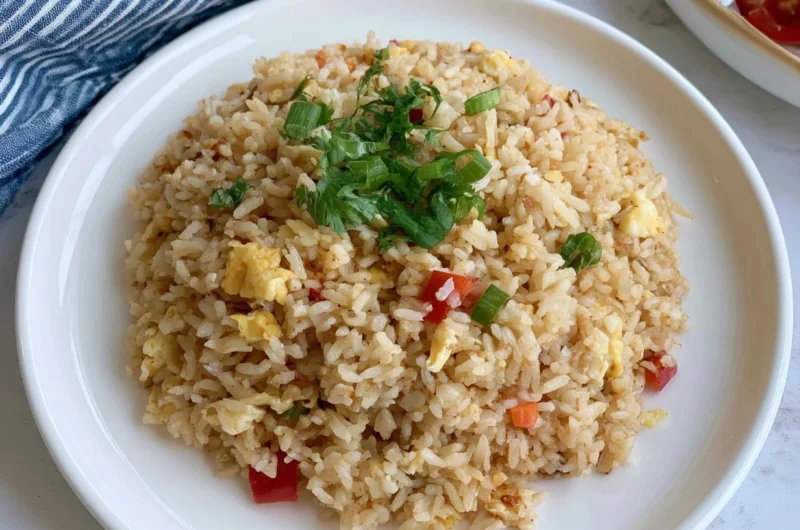
minutesA fast, flavorful fried rice made with chilled rice, scrambled eggs, and crisp vegetables. Ready in under 30 minutes, this takeout-style favorite uses simple pantry staples for a satisfying, restaurant-quality dinner anytime.
Ingredients
Base Ingredients
3 cups cooked and chilled white rice (day-old preferred)
2 tablespoons vegetable oil or sesame oil
2 large eggs, lightly beaten
1/2 cup diced carrots
1/2 cup frozen peas
1/2 cup diced yellow onion
3 cloves garlic, minced
3 tablespoons soy sauce
1 teaspoon oyster sauce
2 green onions, thinly sliced
1/2 teaspoon white pepper
Salt, to taste
Optional Add-ins
1 cup diced cooked chicken, shrimp, or tofu
1/2 cup diced bell peppers
1/4 cup corn kernels
1 teaspoon grated fresh ginger
1 teaspoon chili garlic sauce
1 tablespoon toasted sesame seeds
1 teaspoon rice vinegar
Directions
- Use cold, day-old rice; break up clumps before cooking.
- Heat 1 tablespoon oil in a wok over medium-high heat; scramble eggs until just set, then remove.
- Add remaining oil; sauté onion and carrots for 2 minutes.
- Add garlic and peas; cook 1 minute until fragrant.
- Push vegetables aside; add chilled rice, breaking up clumps and stirring to coat in oil.
- Let rice sit briefly between stirs to lightly crisp.
- Return eggs and protein (if using) to the pan.
- Drizzle soy sauce and oyster sauce around the pan edges; toss to combine.
- Season with white pepper and salt to taste.
- Top with green onions and serve immediately.
Recipe Video
Notes
- Day-old, chilled rice is essential — fresh rice releases too much moisture and turns mushy.
- Cook on high heat throughout; avoid overcrowding the pan to prevent steaming.
- Add soy sauce around the pan edges, not directly on top, for even seasoning.
- Pull eggs off heat slightly underdone; residual heat finishes cooking them.
- Leftovers keep in the fridge for up to 4 days or freezer for up to 2 months.
- Reheat in a hot skillet with a splash of oil or water for best texture.