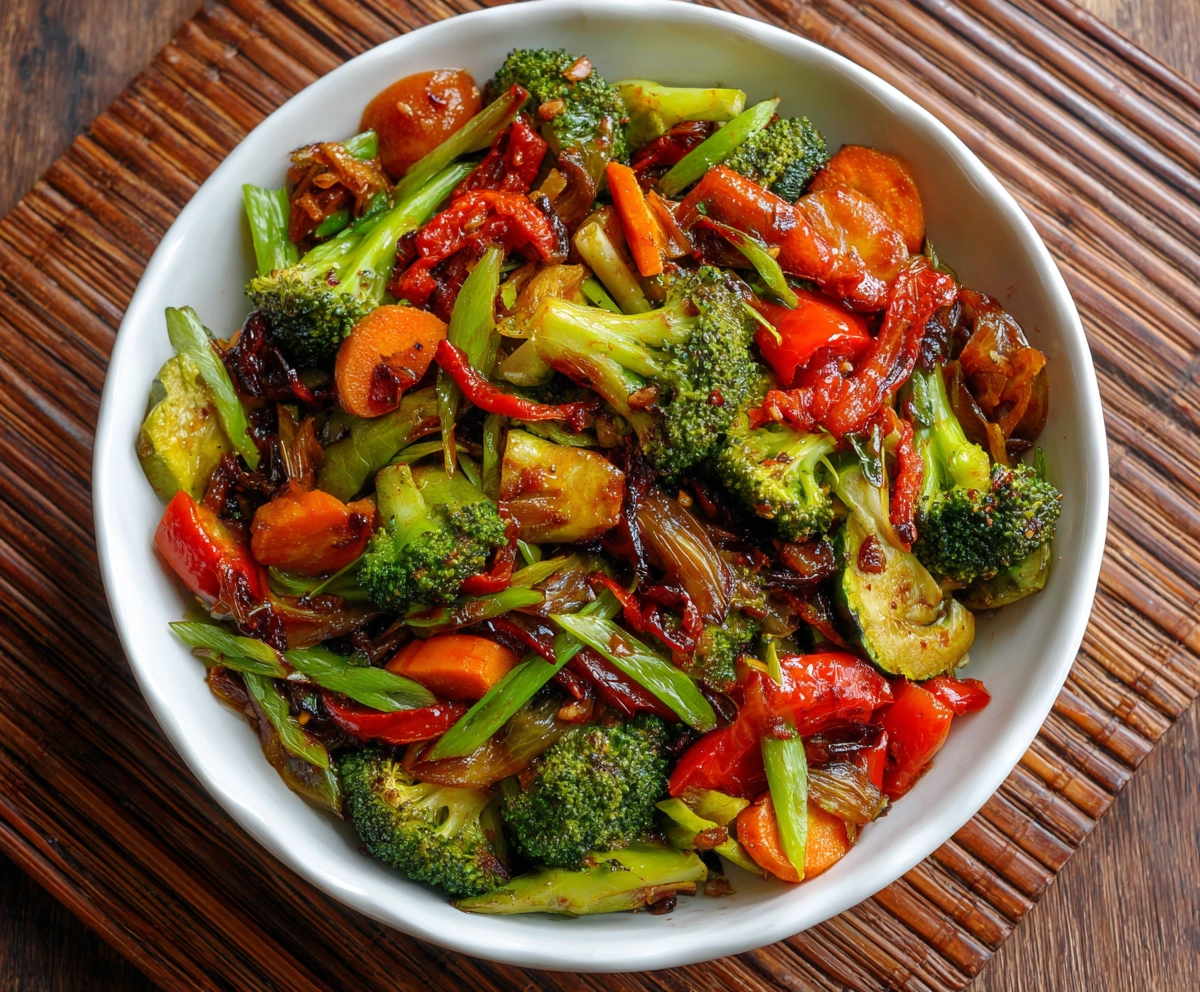
Looking for a fast, healthy, and vibrant meal that you can whip up in under 20 minutes? This Quick Veggie Stir-Fry Recipe is packed with fresh vegetables, bold flavors, and optional plant-based proteins or nuts. Perfect for busy weeknights, meal prep, or a nutrient-rich lunch, it’s colorful, crunchy, and incredibly versatile.
Whether you’re a beginner in the kitchen or an experienced cook, this stir-fry will show you how to balance flavors, textures, and colors while keeping it healthy and satisfying.
Why This Veggie Stir-Fry Works
This veggie stir-fry comes together quickly while still delivering fresh flavor, vibrant color, and satisfying texture in every bite. Cooking the vegetables over high heat helps keep them crisp, colorful, and full of natural flavor instead of becoming soft or overcooked. The result is a light yet comforting dish that feels fresh, wholesome, and incredibly easy to enjoy any day of the week.
Packed with colorful vegetables, this stir-fry is naturally rich in fiber, vitamins, and antioxidants, making it a healthy option for quick lunches or dinners. It is also incredibly versatile and can be served with rice, noodles, quinoa, or lettuce wraps depending on your preference. Even better, it stores well for meal prep, making busy weekday meals simple, fresh, and satisfying.
Ingredients & What They Do
Each ingredient serves a purpose, enhancing flavor, texture, and nutrition:
- Bell Peppers – 1 cup, sliced – Adds color, sweetness, and vitamin C, making your stir-fry visually vibrant.
- Broccoli – 1 cup, florets – High in fiber and antioxidants, adds crunch and substance to the dish.
- Carrots – 1/2 cup, sliced – Adds natural sweetness and beta-carotene for eye health.
- Snap Peas / Green Beans – 1/2 cup – Adds bright green color and fresh crunch.
- Garlic – 2 cloves, minced – Infuses aroma and flavor while providing antioxidants.
- Ginger – 1 tsp, minced – Adds warmth, aids digestion, and has anti-inflammatory benefits.
- Soy Sauce / Tamari – 2 tbsp – Brings umami, balances flavors, and can be substituted with low-sodium or gluten-free options.
- Sesame Oil – 1 tsp – Provides a nutty aroma and healthy fats.
- Optional Add-ins: Tofu for protein, cashews for crunch, mushrooms for umami, chili flakes for heat.
Step-by-Step Instructions
Step 1: Prep the Vegetables
Slice all vegetables evenly so they cook at the same speed and keep a balanced texture. For firmer vegetables like broccoli or carrots, quickly blanching them for 1–2 minutes helps them cook faster while staying crisp and colorful.
Step 2: Heat the Pan Properly
Place a wok or large skillet over high heat before adding ingredients. A hot pan helps sear the vegetables quickly, keeping them vibrant, slightly crisp, and full of flavor instead of soft or watery.
Step 3: Cook the Aromatics
Add sesame oil, then sauté garlic and ginger for about 30 seconds until fragrant. This creates a flavorful base that gives the stir-fry its rich savory taste.
Step 4: Stir-Fry the Vegetables
Start with harder vegetables like broccoli and carrots since they need slightly more cooking time. After a few minutes, add softer vegetables like bell peppers or snap peas. Stir constantly so everything cooks evenly while staying crisp-tender.
Step 5: Add the Sauce
Pour in soy sauce or tamari and toss everything quickly so the vegetables are evenly coated. You can also add chili flakes, oyster sauce, or sesame seeds for extra flavor and depth.
Step 6: Add Protein or Crunch
For a more filling stir-fry, add tofu, tempeh, or cashews. Lightly toasting them in the pan adds extra texture and makes the dish more satisfying.
Step 7: Serve Immediately
Serve the stir-fry hot over rice, noodles, quinoa, or enjoy it on its own. Freshly cooked stir-fry has the best flavor, texture, and vibrant color.
Common Mistakes to Avoid
One of the biggest stir-fry mistakes is overcrowding the pan. Too many vegetables at once release excess moisture, causing them to steam instead of becoming crisp and lightly caramelized. Cooking in batches and using high heat helps keep the vegetables vibrant, flavorful, and perfectly crisp-tender.
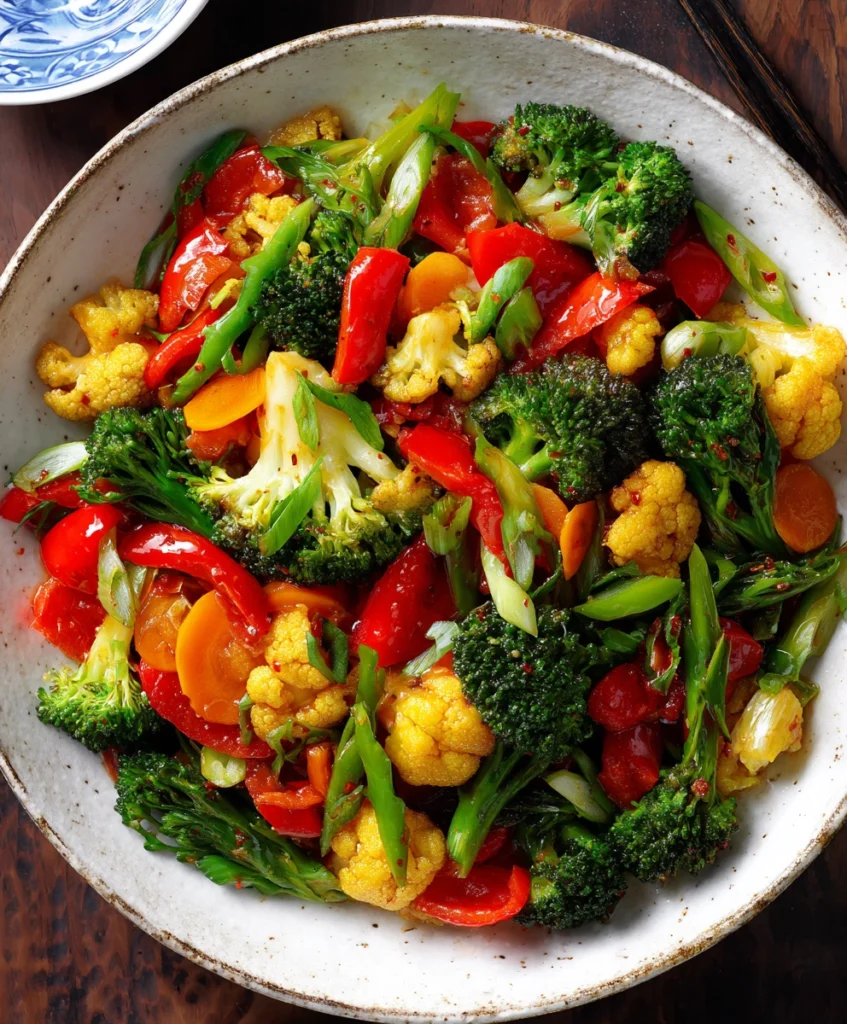
Overcooking is another common issue that can leave vegetables soft and soggy instead of fresh and colorful. Uneven slicing can also cause some vegetables to cook too quickly while others stay undercooked. Cutting everything into similar sizes helps create even cooking and better texture in every bite.
Secrets to Perfect Stir-Fry
The secret to a great stir-fry is cooking everything quickly over high heat. This helps the vegetables stay colorful, crisp, and full of natural flavor instead of becoming soft or overcooked. Fresh garlic and ginger also make a huge difference, adding bold aroma and rich flavor that powdered versions simply cannot match.
For the best texture, add sauces toward the end of cooking so the vegetables stay crisp and evenly coated instead of soggy. A quick toss in the sauce is enough to bring all the flavors together while keeping the stir-fry fresh and vibrant.
Fun Variations & Pairings
This veggie stir-fry is easy to customize based on what you are craving or what you already have in your kitchen. Add tofu, tempeh, or edamame for extra plant-based protein and a more filling meal. If you enjoy spice, mix in chili flakes, sriracha, or fresh chilies for extra heat and bold flavor.
For added crunch and texture, top the stir-fry with toasted cashews, peanuts, or sesame seeds. Serve it over rice, quinoa, soba noodles, or even lettuce wraps for a fresh and satisfying meal that works perfectly for lunch or dinner.
Nutritional Value & Health Benefits
Approximate Per Serving
- Calories: 180 kcal
- Carbohydrates: 15 g
- Protein: 6 g
- Fat: 10 g
- Fiber: 5 g
This veggie stir-fry is packed with fiber, vitamins, and antioxidants from fresh vegetables, making it a light yet satisfying meal. Plant-based protein and heart-healthy fats help support energy levels, digestion, and overall wellness while keeping the dish balanced and nourishing.
Conclusion
This Quick Veggie Stir-Fry is fresh, colorful, and packed with flavor while still being incredibly easy to make. With crisp vegetables, bold aromatics, and endless customization options, it is the kind of healthy meal that works perfectly for busy weeknights, meal prep, or quick lunches. Every bowl feels light, satisfying, and full of vibrant texture and flavor.
One of the best things about stir-fry is how flexible it is. You can mix and match vegetables, sauces, proteins, and toppings to create something new every time while still keeping the recipe simple and nourishing. Serve it with rice, noodles, quinoa, or enjoy it on its own for a wholesome meal that comes together fast.
Try this recipe tonight and experiment with your favorite vegetables, spices, and toppings to make it completely your own. Once you see how quick and delicious homemade stir-fry can be, it may become one of your favorite go-to meals for busy days.
Frequently Asked Questions
Can I Make This Stir-Fry Ahead of Time?
Yes, this stir-fry works well for meal prep and can be stored in the refrigerator for a few days. For the best texture, reheat quickly over high heat so the vegetables stay slightly crisp instead of becoming soft.
Which Vegetables Cook the Fastest and Slowest?
Soft vegetables like bell peppers, mushrooms, and snap peas cook very quickly, while firmer vegetables like carrots and broccoli need more time. Slicing everything evenly helps the vegetables cook consistently and keeps the texture balanced.
Can I Substitute Soy Sauce for a Gluten-Free Option?
Absolutely. Tamari is a great gluten-free alternative that provides the same rich, savory flavor as soy sauce. Coconut aminos can also be used for a slightly sweeter and lower-sodium option.
How Do I Keep the Vegetables Crisp and Colorful?
Cook the vegetables over high heat and stir-fry them quickly to help maintain their crunch and vibrant color. Avoid overcrowding the pan, as too many vegetables at once can release moisture and make them steam instead of sear.
Can I Make the Stir-Fry Spicier or More Kid-Friendly?
Yes, the spice level is very easy to adjust depending on your preference. Add chili flakes, sriracha, or fresh chilies for extra heat, or keep it mild by reducing spices and removing chili seeds for a more family-friendly version.
