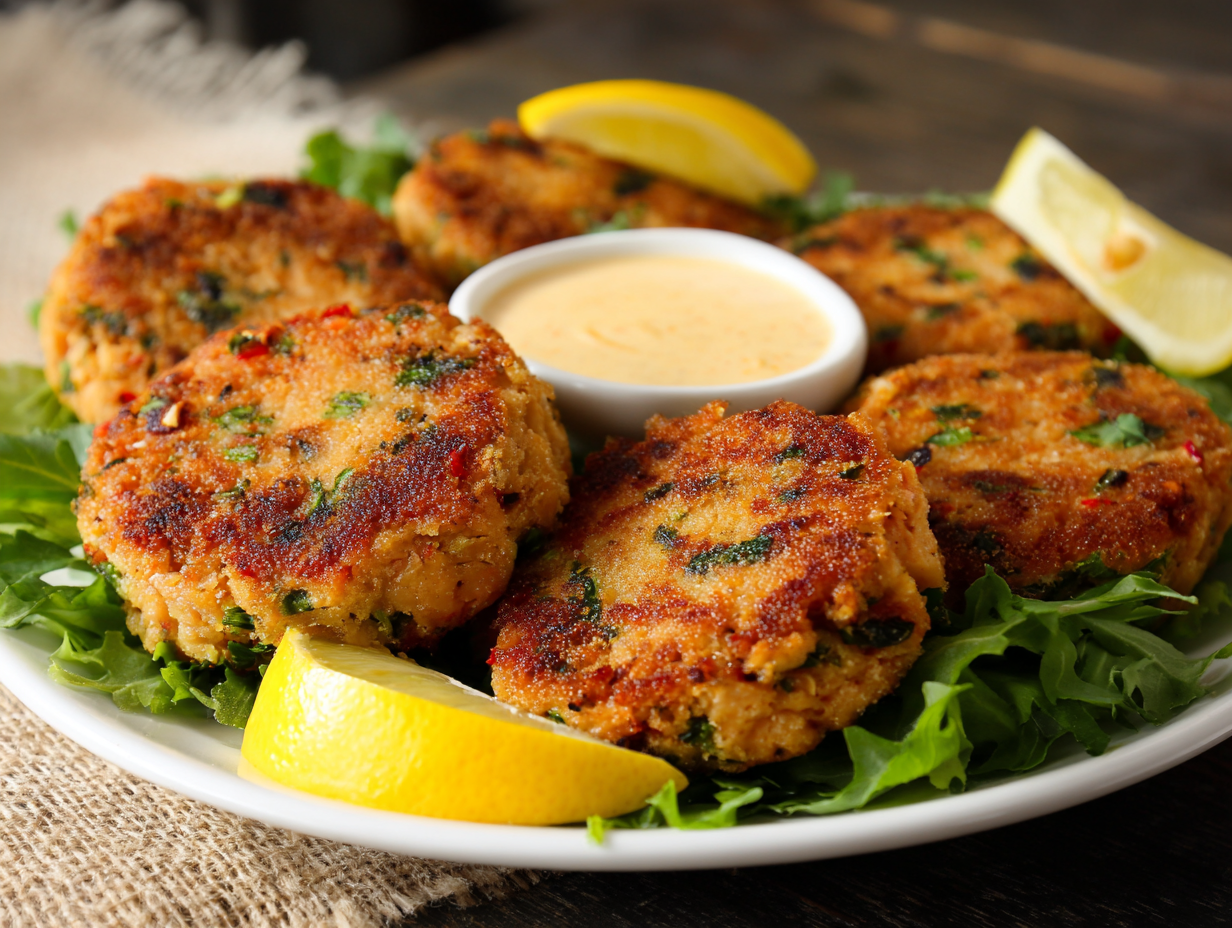
There’s something deeply satisfying about a salmon patty that turns out just right,crispy on the outside, tender on the inside, and sturdy enough to hold together from pan to plate. Over the years, I’ve tested countless variations of this recipe, and I can confidently say that the difference between a good patty and a great one lies in technique, not just ingredients.
Many home cooks struggle with patties that fall apart or lack that golden crust, but with the right approach, it becomes incredibly simple. In this guide, I’m sharing my personal method for making salmon patties that consistently deliver both texture and flavor.
These are the same principles I rely on in my own kitchen,practical, reliable, and designed to help you cook with confidence.
? If you enjoy seafood-based dishes, don’t miss our Air Fryer Salmon Bites for a quick and crispy alternative.
The Overlooked Mixing Errors That Ruin Texture
In my experience, one of the biggest mistakes people make with salmon patties happens right at the mixing stage. It’s easy to either overmix or undermix the ingredients, and both can lead to disappointing results. When the mixture is overworked, the salmon breaks down too much, resulting in dense, heavy patties instead of light and flaky ones.
On the other hand, if the ingredients aren’t combined properly, the binding agents like eggs and breadcrumbs don’t distribute evenly, which causes the patties to fall apart during cooking. I’ve also seen many cooks ignore moisture control,either adding too many dry ingredients or not draining the salmon properly.
This imbalance affects both texture and structure. Getting this step right is crucial, and it sets the foundation for everything that follows.
My Proven Fix for Perfectly Bound Patties
Whenever I prepare salmon patties, I focus on balance and control. I start by ensuring the salmon is properly drained and gently flaked,never mashed. Then I add just enough binding ingredients to hold everything together without overpowering the fish.
I mix the ingredients with a light hand, just until combined, so the texture stays intact. One step I never skip is chilling the patties before cooking. This simple pause allows the mixture to firm up, making it far easier to handle and cook.
When it comes to frying, I always use a properly heated pan and resist the urge to flip too soon. Letting the crust develop naturally is key. These small but intentional steps are what consistently give me patties that hold together beautifully and taste exceptional.
Ingredients List
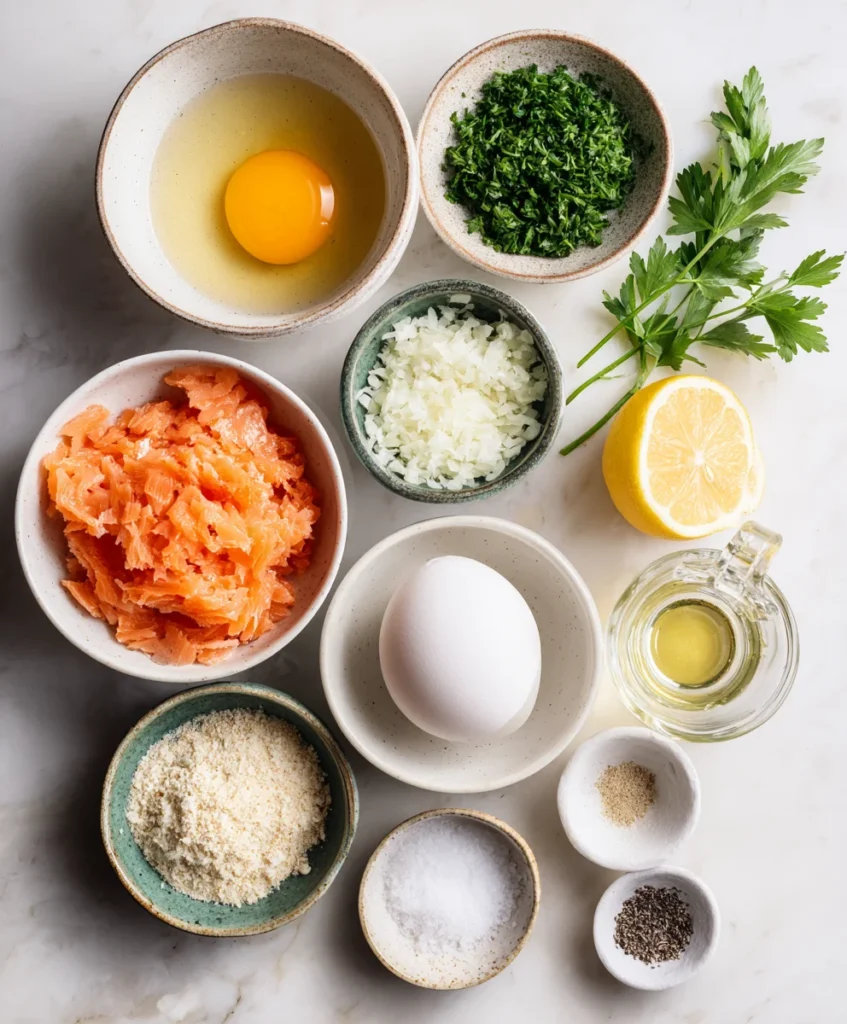
Base Ingredients:
- Fresh or canned salmon (boneless and skinless)
- Eggs
- Breadcrumbs or crushed crackers
- Finely chopped onion
- Garlic (minced)
- Fresh parsley
- Lemon juice
- Salt
- Black pepper
- Cooking oil (for frying)
Optional Add-ins:
- Dijon mustard
- Worcestershire sauce
- Red chili flakes
- Green onions
- Dill or other fresh herbs
- Grated parmesan cheese
- Lemon zest
Step-by-Step Instructions
Prepare the Salmon Mixture
When I begin this recipe, I always start with properly prepared salmon. If I’m using canned salmon, I make sure it’s completely drained,this step alone prevents many texture issues later. I gently flake the fish with a fork, keeping some small chunks for a better bite. Then I add onions, garlic, parsley, and a squeeze of fresh lemon juice to brighten the flavor.
I crack in the eggs and mix lightly before gradually adding breadcrumbs. I never dump everything in at once; instead, I watch the consistency carefully. The mixture should feel moist but hold its shape when pressed. Seasoning comes last, allowing me to adjust precisely. This step is all about control,taking a few extra moments here makes a noticeable difference in the final result.
? For a perfect pairing, try our Healthy Fish Taco Sauce to add a fresh and tangy flavor to your salmon patties.
Shape and Chill the Patties
Once the mixture feels just right, I divide it into even portions and shape them into patties by hand. I aim for a consistent thickness so they cook evenly. I press them gently,just enough to hold together without making them dense. After shaping, I always place them on a tray and refrigerate for at least 20 to 30 minutes.
This is a step I never skip because it makes a huge difference in how the patties behave in the pan. Chilling helps the binding ingredients set and gives the patties structure. It also enhances the flavor as everything settles together. By the time they’re ready to cook, they feel firm and easy to handle, which reduces the risk of breaking during frying.
Cook to Crispy Perfection
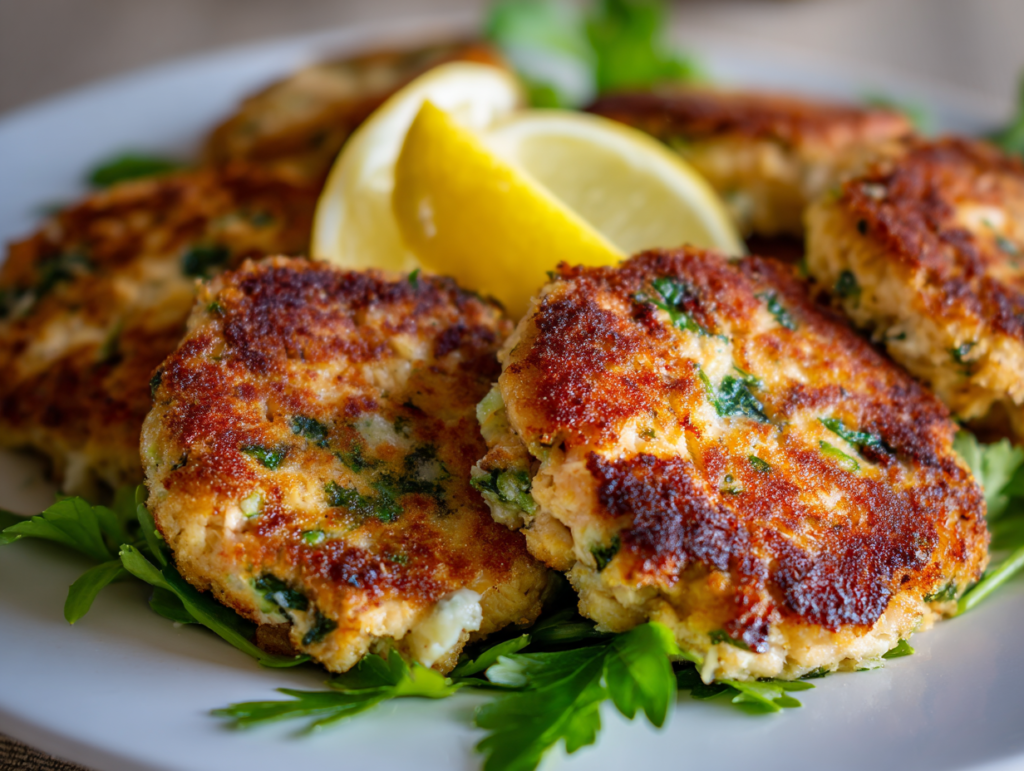
Cooking is where everything comes together, and I pay close attention to heat and timing. I heat a pan over medium heat and add just enough oil to coat the surface. Once the oil is hot, I carefully place the patties in the pan, making sure not to overcrowd them. I let them cook undisturbed for several minutes,this is how I get that beautiful golden crust.
I never rush this part or flip them too early. When they release easily from the pan, I know they’re ready to turn. After flipping, I cook them until both sides are evenly crisp and the inside is heated through. Once done, I transfer them to a paper towel-lined plate. The result is exactly what I aim for,crispy, flavorful patties that hold together perfectly.
Cook Time
Total: 40 minutes
Prep: 20 minutes
Bake: 20 minutes
Servings
When I make this recipe, it typically yields about four to six servings, depending on how large I shape the patties. I usually serve two patties per person, which feels like a satisfying portion without being too heavy. This recipe is easy to scale, whether I’m cooking for myself or preparing a meal for guests. I also appreciate how versatile it is,I can serve these patties as a main dish, in sandwiches, or alongside simple sides like salads or vegetables. The consistency of the recipe means each serving turns out just as good as the last. It’s one of those reliable dishes I return to often because it delivers both flavor and balance every time.
Makes approximately 8–10 patties
Nutritional Information (approx. per serving)
- Calories: 250–300
- Protein: 18–22g
- Fat: 14–18g
- Carbohydrates: 10–12g
- Fiber: 1–2g
- Sodium: 300–400mg
From a nutritional standpoint, I consider salmon patties a smart choice. They’re rich in protein, which helps keep you full and supports muscle health. The natural omega-3 fatty acids in salmon are something I always value for heart and brain health. I also like that this recipe allows me to control the ingredients, avoiding unnecessary additives. By incorporating fresh herbs and simple seasonings, I can enhance both flavor and nutritional value. It’s a balanced dish that doesn’t feel like a compromise,you get both taste and nourishment in every bite, which is exactly what I look for in everyday cooking.
? Looking for a complete seafood dinner idea? Check out our Easy Seafood Week Night Dinners for more inspiration.
Storage Instructions
Whenever I have leftovers, I make sure to store them properly to maintain their quality. I let the patties cool completely before placing them in an airtight container and refrigerating them. They usually stay fresh for up to three days. If I want to keep them longer, I freeze them individually first, then transfer them to a sealed bag. This way, they don’t stick together and are easy to reheat later. When reheating, I prefer using a pan rather than a microwave because it helps bring back that crisp texture. I warm them over medium heat until heated through. Proper storage not only preserves flavor but also makes these patties a convenient option for quick meals later on.
Suggestions
In my kitchen, I like to serve salmon patties with something that complements their richness. A light, tangy sauce,like a lemon yogurt dip or a simple garlic aioli,works beautifully. I also enjoy pairing them with fresh salads for a balanced meal. If I’m in the mood for something more filling, I’ll turn them into salmon burgers with soft buns and crisp toppings. Sometimes, I experiment with spices to change the flavor profile slightly, adding a bit of heat or smokiness. For a healthier option, I occasionally bake them instead of frying, though I do miss that classic crispness. The beauty of this recipe is its flexibility,it adapts easily to different tastes and occasions.
Seasonal Relevance
One reason I keep coming back to this recipe is its year-round versatility. In the summer, I like serving these patties with fresh greens and citrus-based sides for a lighter meal. During colder months, I pair them with warm, comforting sides like roasted vegetables or mashed potatoes. Since canned salmon is always available, I’m not limited by seasonality, which makes this dish incredibly practical. I also enjoy incorporating seasonal herbs whenever possible, as they bring a fresh dimension to the flavor. This adaptability allows me to use the same core recipe in different ways throughout the year, keeping it interesting while still relying on a method I trust.
For me, salmon patties are a perfect example of how simple ingredients can come together to create something truly satisfying. With the right technique, they become more than just a quick meal,they turn into a dish you can rely on and feel confident serving. By paying attention to details like mixing, chilling, and cooking, I’m able to achieve consistent results every time. This recipe reflects the way I approach cooking: practical, thoughtful, and focused on quality. Whether you’re new to making salmon patties or looking to improve your method, these steps will help you get there. Once you’ve mastered it, you’ll find yourself returning to this recipe again and again.
? These patties go great with sides like our Air Fryer Smashed Potatoes for a crispy and satisfying combo.
Frequently Asked Questions
1. Can I air-fry salmon patties instead of frying them in oil?
Yes, I’ve tried air-frying, and it works well. Lightly brush the patties with oil and cook them in a preheated air fryer until golden and crisp. While the texture is slightly different from pan-frying, it’s a great option for reducing oil without sacrificing too much crispness.
2. What type of salmon gives the best flavor?
In my experience, wild-caught salmon offers a richer, more robust flavor compared to farmed varieties. However, good-quality canned salmon also works very well. The key is ensuring it’s properly drained and handled carefully to maintain the right texture in the patties.
3. Can I add vegetables to the mixture?
Yes, I often add finely chopped vegetables like bell peppers or spinach. The key is to keep them finely diced and not too watery. This way, they enhance flavor and nutrition without affecting the structure of the patties.
4. How can I make the patties gluten-free?
To make them gluten-free, I simply replace breadcrumbs with gluten-free alternatives like almond flour or certified gluten-free oats. The binding still works effectively, and the texture remains satisfying with only a slight variation.
5. Can I cook these patties without oil?
It’s possible to cook them on a non-stick surface with minimal oil, but I find that a small amount of oil helps develop the best crust. Without it, the patties may lack that signature crispiness that makes them so enjoyable.