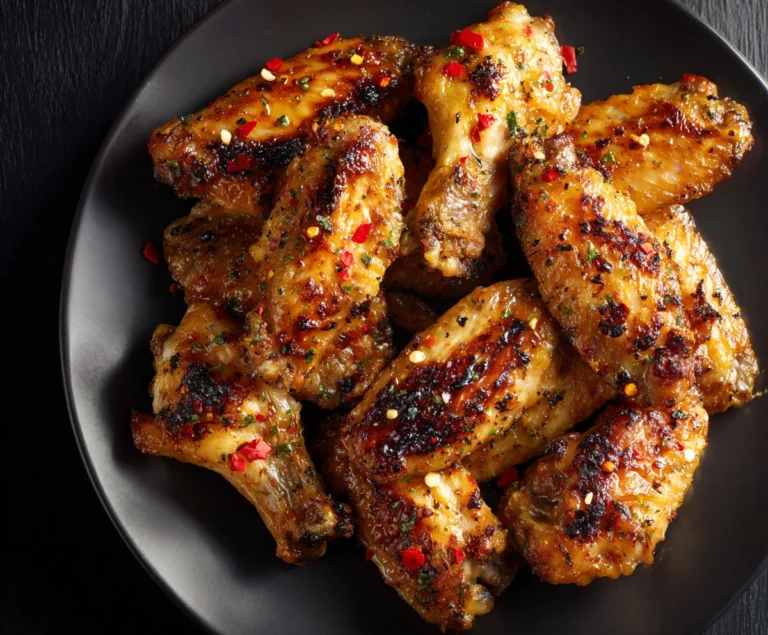
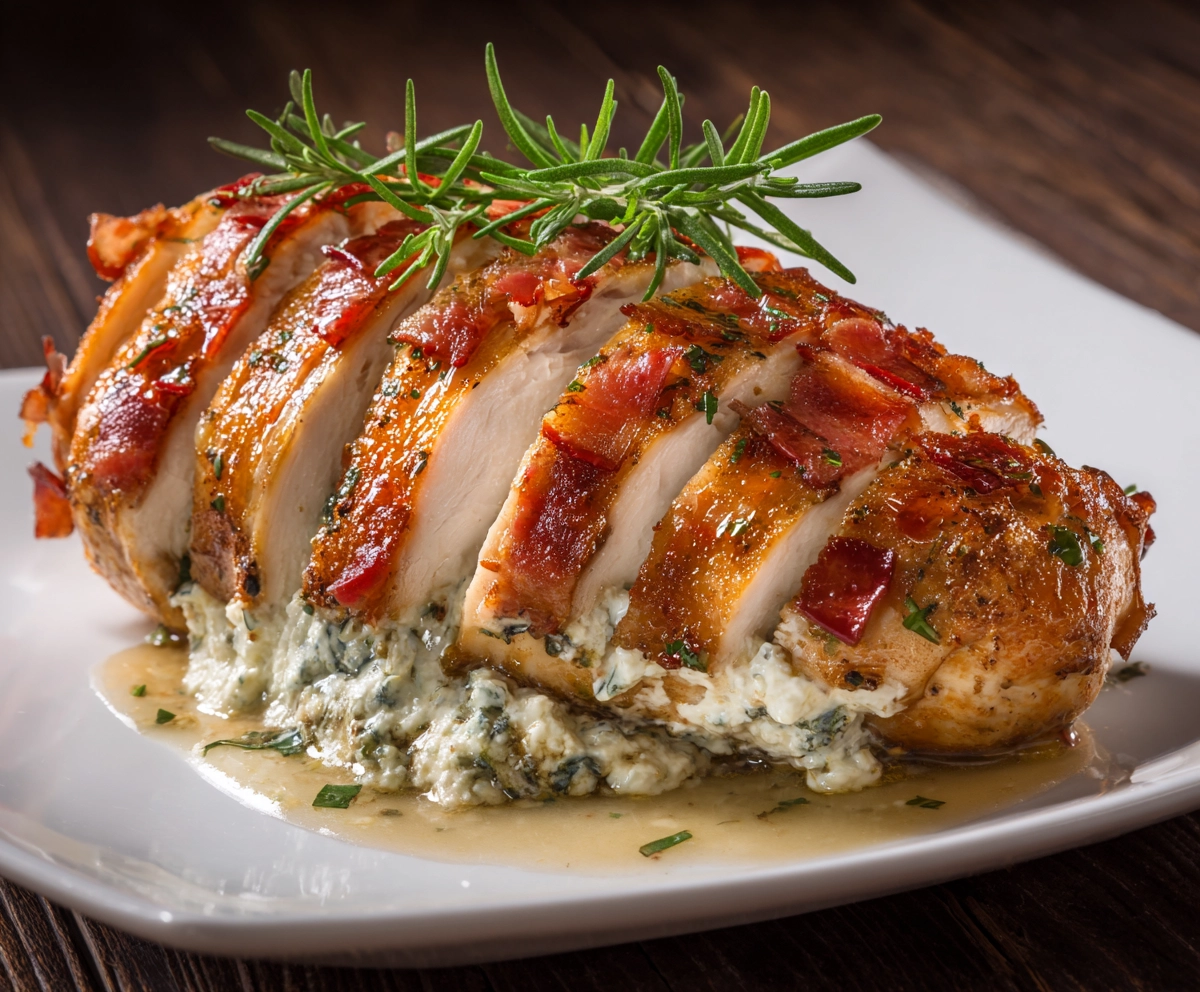
Stuffed Chicken Breast That Stays Juicy
Years in the kitchen have taught me that a well made stuffed chicken breast is less about complexity and more about control. A clean cut, a balanced filling, and steady heat create a result that feels refined without being difficult. Many recipes promise moisture, yet few explain how to truly hold it inside the meat. My approach focuses on technique that respects the natural texture of the chicken while building depth through simple ingredients. Each step has a purpose, from shaping the pocket to allowing proper resting time. When handled with care, the chicken stays tender, the filling remains rich, and every slice looks as good as it tastes. Follow this method with patience, and the result will consistently deliver a dish that feels composed, satisfying, and reliable on any table.
Where Most Home Cooks Lose the Juiciness
In my experience, dryness usually comes from impatience or poor structure. Many cut the chicken too deeply, which creates an opening that cannot hold the filling during cooking. Once the seal breaks, moisture escapes quickly. I often see people rush into high heat, thinking it will lock in juices, but it does the opposite. The outside browns too fast while the inside struggles to cook evenly. Then the chicken stays on heat longer than it should, and the texture becomes tight and dry. Skipping resting time is another issue I notice often. Cutting immediately after cooking releases juices onto the board instead of keeping them inside the meat. Even the filling can cause problems when it is too loose or overloaded. Small mistakes like these may seem minor, but together they affect the final result more than most expect.
Precision Technique for Perfect Moisture Retention
My method begins with restraint and attention. I cut a pocket that is deep but controlled, leaving enough structure to hold the filling naturally. The filling itself stays balanced, never excessive, so the chicken closes without force. If needed, I secure it gently, keeping everything in place. Cooking starts at a moderate level of heat. I allow the surface to develop color slowly, then reduce intensity or move to the oven to finish evenly. I never rely only on time. Internal temperature guides the process, ensuring the chicken is cooked through without being pushed too far. Resting is not optional in my kitchen. It allows the juices to settle back into the meat. When done correctly, the result is consistent. The chicken remains tender, the filling stays where it belongs, and the dish presents itself with quiet confidence.
Ingredients List
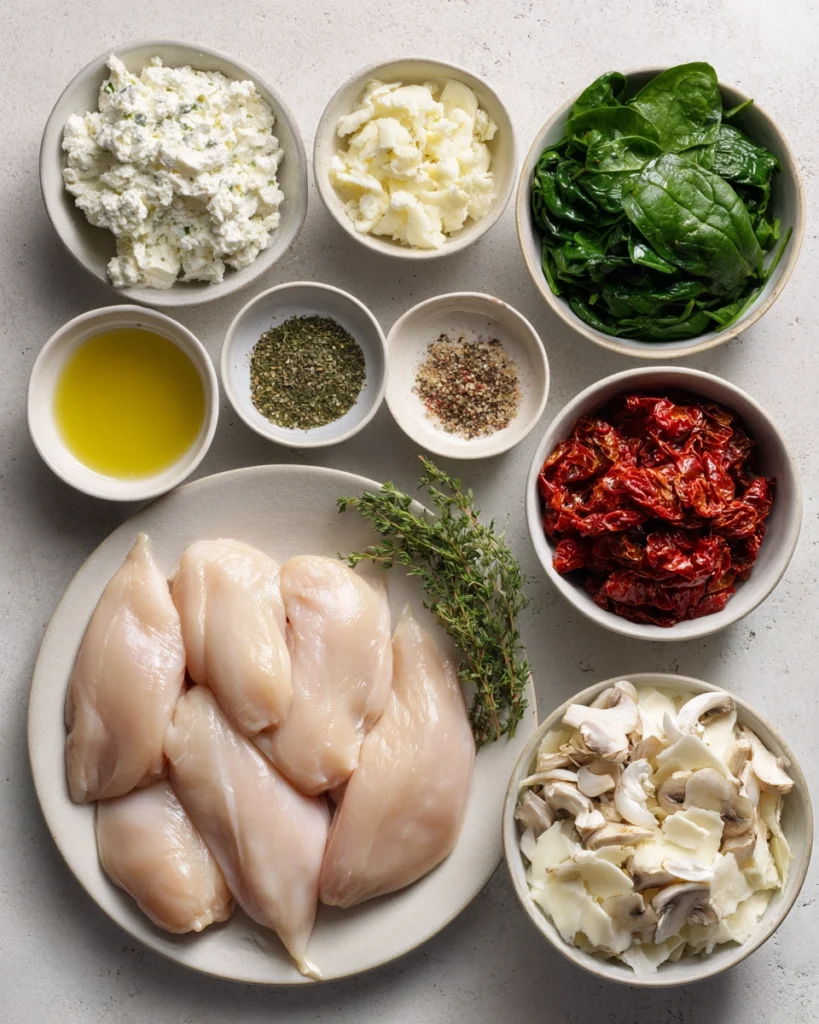
Base Ingredients:
- Chicken breasts
- Cream cheese
- Garlic, finely minced
- Spinach, chopped
- Olive oil
- Salt
- Black pepper
- Paprika
Optional Add-ins:
- Mushrooms, finely chopped
- Sun dried tomatoes
- Mozzarella cheese
- Fresh herbs such as parsley or thyme
- Chili flakes for mild heat
Step-by-Step Instructions
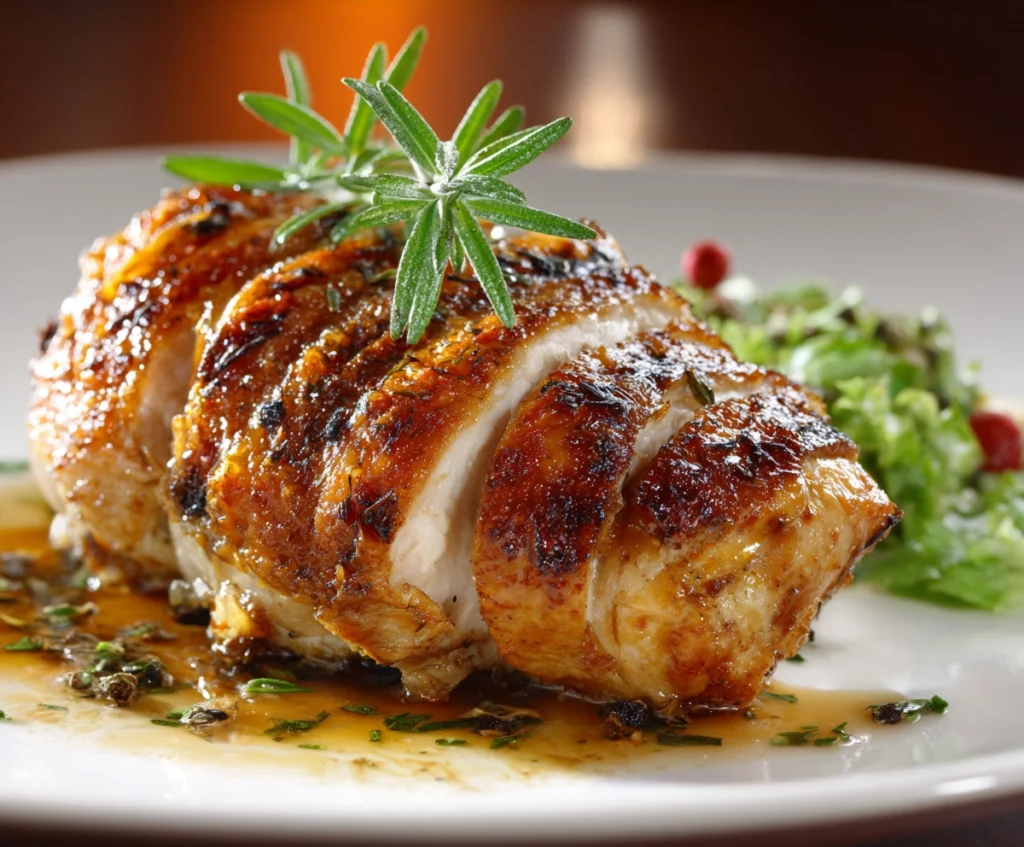
Prepare the Chicken
I begin by selecting chicken breasts that are similar in size so they cook evenly. Each piece goes onto a clean surface where I carefully cut a pocket along the side, making sure not to slice all the way through. The goal is to create space for the filling while keeping the structure intact. I season lightly with salt, pepper, and paprika, keeping it balanced rather than heavy. Patting the chicken dry helps it brown better later. I avoid overhandling, as that can affect texture. Letting the chicken sit briefly at room temperature supports even cooking once it hits the pan. Every step here builds the foundation. When the chicken is prepared correctly, it responds better to heat and holds moisture more effectively throughout the cooking process.
Prepare the Filling
In my kitchen, I keep the filling simple but structured. Cream cheese forms the base, providing a smooth texture that stays stable during cooking. I mix in garlic and chopped spinach, ensuring everything blends evenly without becoming too loose. If I add extras like mushrooms or sun dried tomatoes, I keep them finely chopped so they integrate well. I always taste the mixture and adjust seasoning carefully. The filling should support the chicken, not overpower it. I avoid adding excess liquid, as that weakens the structure and increases the risk of leakage. A well balanced filling stays in place and cooks evenly. When done right, it creates a center that feels rich yet controlled, adding depth without compromising the integrity of the dish.
Stuff and Seal
Filling the chicken requires a steady hand. I spoon the mixture into the pocket, distributing it evenly without forcing too much inside. Overfilling is one of the quickest ways to lose control during cooking. Once filled, I gently press the edges together to restore the natural shape of the chicken. If the opening feels loose, I secure it with toothpicks. The goal is to create a clean seal that holds during cooking. I then brush the surface lightly with olive oil, preparing it for even browning. Every piece gets a quick check before it goes into the pan. Proper sealing makes a noticeable difference. It keeps the filling contained and allows the chicken to cook evenly, resulting in a finished dish that looks composed and feels well executed.
Cook to Perfection
Cooking is where everything comes together. I heat the pan to a moderate level and place the chicken without moving it too soon. Letting it sit allows a proper surface to form. I turn it carefully once it develops a golden color. After that, I reduce the heat or transfer it to the oven to finish cooking evenly. I never press down on the chicken, as that forces juices out. Instead, I let the heat do its work gradually. I monitor the internal temperature closely and remove it as soon as it reaches the correct point. Resting follows immediately after. That pause is essential. It allows the juices to settle and keeps the meat tender. When sliced, the chicken should hold its shape, with a filling that remains intact and a texture that feels soft and balanced.
Cook Time
Total: 35 minutes
Prep: 15 minutes
Bake: 20 minutes
Servings
From my experience, this recipe comfortably serves four portions when prepared with medium sized chicken breasts. Each serving offers a complete balance of protein and filling, making it suitable for both everyday meals and small gatherings. I focus on keeping portion sizes consistent so each plate reflects the same quality. When sliced properly, each serving shows a clean layer of filling inside, which enhances presentation. Pairing it with light sides helps maintain balance without overwhelming the dish. Adjustments can be made based on appetite, but consistency in size ensures even cooking. Serving matters just as much as preparation. When done thoughtfully, each plate feels intentional and complete, delivering the same level of satisfaction from the first serving to the last.
Makes approximately 4 servings
Nutritional Information (approx. per serving)
- Calories: 320 to 380 kcal
- Protein: 30 grams
- Fat: 18 grams
- Carbohydrates: 5 grams
- Fiber: 1 gram
From a nutritional standpoint, I value this dish for its balance. It delivers a strong protein base, which supports muscle maintenance and keeps meals satisfying. The inclusion of spinach adds essential nutrients that contribute to overall wellness. Moderate fat content provides richness without making the dish overly heavy. When prepared with care, it fits well into a structured eating plan. I often recommend it to those seeking a meal that feels complete without unnecessary complexity. It offers both nourishment and satisfaction, making it a reliable option for consistent meal planning while still feeling refined and thoughtfully prepared.
Storage Instructions
I always recommend storing leftover stuffed chicken in an airtight container as soon as it cools down. It should be refrigerated within two hours to maintain quality and safety. Keeping it separate from strong odors helps preserve its original aroma. When reheating, I use moderate heat and cover the dish to retain moisture. High heat tends to dry the chicken, so patience is important even during reheating. I avoid reheating multiple times, as that reduces both texture and overall quality. If freezing is needed, I prefer doing it before cooking, but cooked portions can also be stored if wrapped properly. Labeling with dates helps track freshness. Proper storage ensures the dish remains enjoyable even after the first serving.
Suggestions
When I serve this dish, I keep the sides simple and balanced. Light vegetables or soft grains work well alongside it, allowing the chicken to remain the focus. Presentation matters, so I often slice the chicken at an angle to reveal the filling. It adds visual appeal without extra effort. Adjusting herbs or spices can bring variation without changing the core method. I also consider a light sauce when needed, something that complements rather than covers the dish. Fresh ingredients always make a noticeable difference. Small details in plating and pairing elevate the entire experience. With thoughtful choices, the dish moves beyond a simple meal and becomes something that feels carefully prepared and well considered.
Seasonal Relevance
I have found this recipe to be adaptable throughout the year. In cooler months, I lean toward richer additions like mushrooms or extra cheese for warmth and depth. During warmer seasons, I prefer lighter fillings with fresh herbs and vegetables. Seasonal ingredients bring variety without changing the core technique. Cooking methods can also shift slightly. Oven use feels more natural in colder weather, while lighter stovetop cooking works well in warmer conditions. Adjusting seasoning based on the season keeps the dish interesting over time. Its flexibility makes it a dependable choice, no matter the time of year, while still delivering the same level of consistency and quality.
Conclusion
Cooking stuffed chicken breast well comes down to discipline and attention. Every step has a role, from cutting the pocket to allowing the chicken to rest. When handled with care, the result is a dish that feels balanced and complete. I rely on simple techniques rather than shortcuts, because consistency matters more than speed. Over time, the process becomes second nature, and the results speak for themselves. Each serving reflects control, patience, and a clear understanding of the method. Whether prepared for a quiet meal or a special occasion, it delivers reliability and satisfaction. With practice, it becomes one of those recipes you return to with confidence, knowing it will perform exactly as expected.
Frequently asked questions
What is the best way to prevent stuffing from leaking during cooking?
I keep the filling balanced and avoid overstuffing. A properly cut pocket that is not sliced through completely holds the mixture better. If needed, I secure the opening gently. Controlled heat also helps maintain structure, preventing the filling from escaping during cooking.
Can stuffed chicken breast be prepared in advance?
I often prepare it a few hours ahead by stuffing the chicken and storing it in the refrigerator. It should remain covered to maintain freshness. Cooking just before serving gives the best texture and ensures the chicken retains its moisture and structure.
How do you know when the chicken is fully cooked without drying it?
I rely on internal temperature rather than guessing. Once it reaches the correct level, I remove it immediately from heat. Resting afterward helps retain moisture. Overcooking is avoided by monitoring closely rather than extending cooking time unnecessarily.
Is it possible to cook stuffed chicken breast without an oven?
Yes, I cook it entirely on the stovetop when needed. I begin with moderate heat for browning, then reduce heat and cover the pan to finish cooking slowly. This approach keeps the chicken moist while ensuring it cooks evenly throughout.
What type of filling works best for beginners?
I recommend starting with a cream cheese based filling combined with garlic and spinach. It holds together well and stays stable during cooking. Its texture makes it easier to handle, reducing the risk of leakage and helping achieve consistent results.

Stuffed Chicken Breast That Stays Juicy
4
servings15
minutes20
minutes1400
kcal35
minutesJuicy stuffed chicken breast prepared with a balanced filling that stays sealed and tender during cooking. Each piece is carefully cooked to maintain moisture while delivering a rich and satisfying center. Ideal for both everyday meals and special occasions with a clean, professional finish.
Ingredients
4 chicken breasts
1 cup cream cheese
2 cloves garlic, minced
1 cup spinach, chopped
2 tablespoons olive oil
1 teaspoon salt
1 teaspoon black pepper
1 teaspoon paprika
Optional: mushrooms, sun dried tomatoes, mozzarella cheese, fresh herbs
Directions
- Prepare chicken by cutting a deep pocket without slicing through completely and season evenly.
- Mix cream cheese, garlic, and spinach until smooth and well combined.
- Fill each chicken breast with the mixture and seal properly using toothpicks if needed.
- Heat oil in a pan over medium heat and cook chicken until golden on both sides.
- Reduce heat or transfer to oven and cook until fully done with proper internal temperature.
- Rest the chicken for a few minutes before slicing to retain moisture.
Recipe Video
Notes
- Do not overstuff the chicken as it can cause leakage during cooking.
- Cook on moderate heat to avoid drying the meat.
- Always allow resting time before slicing for best texture.