Introduction
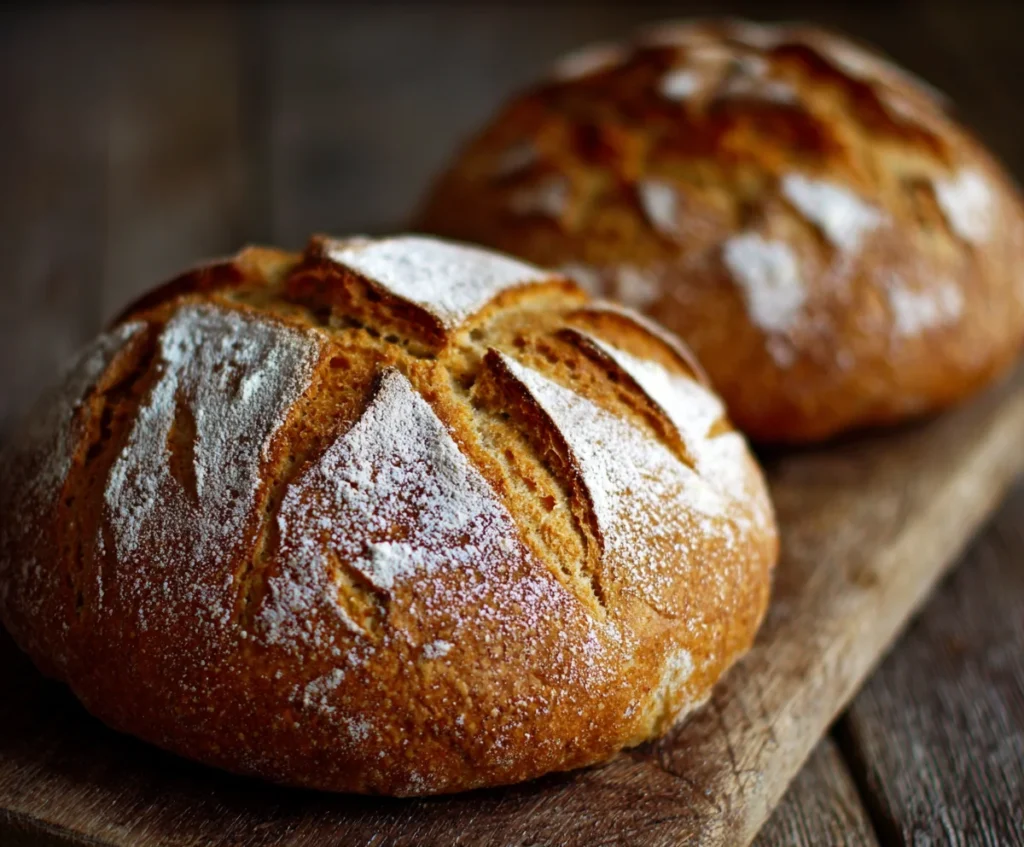
German bread is not an accessory to the meal,it is the foundation. Defined by deep flavor, careful fermentation, and a mastery of grain, traditional German bread reflects centuries of disciplined baking culture. This recipe draws from that heritage, producing a loaf with a robust crumb, crisp crust, and the unmistakable character that only slow, intentional bread-making can achieve.
Ingredients List
- Bread flour
- Whole rye flour
- Active dry yeast
- Lukewarm water
- Fine sea salt
- Malt syrup or honey
- Neutral oil (for bowl and shaping)
Step-by-Step Instructions
Activate the yeast
Dissolve yeast and malt syrup in lukewarm water. Allow it to stand until lightly foamy, indicating active fermentation.
Form the dough
Combine bread flour and rye flour in a mixing bowl. Add the yeast mixture and begin mixing until a shaggy dough forms.
Develop structure
Add salt and knead until the dough becomes elastic and slightly tacky. Proper gluten development is essential for structure, even in rye-forward loaves.
First fermentation
Place dough in a lightly oiled bowl, cover, and allow to rise slowly until doubled. This stage builds flavor and improves digestibility.
Shape the loaf
Gently deflate the dough and shape into a round or oval loaf. Handle minimally to preserve internal structure.
Final proof
Transfer to a floured proofing basket or lined bowl. Cover and allow to rise until slightly expanded but still resilient to the touch.
Bake with steam
Bake in a preheated oven, introducing steam during the first few minutes to promote oven spring and a glossy, crisp crust.
Cool completely
Allow the bread to cool fully on a wire rack before slicing. This sets the crumb and enhances flavor.
Cook Time
40–45 minutes at 425°F (220°C)
Servings
1 loaf, approximately 10–12 slices
Nutritional Information (approx. per serving)
- Calories: 165
- Carbohydrates: 32 g
- Protein: 5 g
- Fat: 1 g
- Fiber: 3 g
Storage Instructions
Store bread wrapped in a clean cloth or paper bag at room temperature for up to 3 days. For longer storage, freeze sliced bread in airtight packaging for up to 2 months. Avoid refrigeration, which accelerates staling.
Suggestions
- Serve with cultured butter, soft cheese, or cured meats to honor traditional German pairings.
- Toast slices lightly to revive crust and deepen flavor.
- For variation, incorporate sunflower or caraway seeds into the dough.
Seasonal Relevance
Traditional German bread is timeless and seasonless, though it shines most in cooler months when hearty meals and slow breakfasts take center stage. Its sustaining nature makes it ideal for autumn and winter tables.
Conclusion
This traditional German bread recipe prioritizes patience, balance, and respect for grain. The result is a loaf that is both rustic and refined,deeply flavorful, structurally sound, and worthy of its place at the heart of the meal. Mastery comes not from shortcuts, but from understanding the rhythm of fermentation.
FAQs
Why is rye flour essential in German bread?
Rye contributes depth, moisture retention, and the signature flavor profile associated with traditional German loaves.
Can this bread be baked without steam?
Yes, but steam significantly improves crust development and overall loaf appearance.
How do I know when the bread is fully baked?
The loaf should sound hollow when tapped on the bottom and reach proper internal doneness before cooling.