
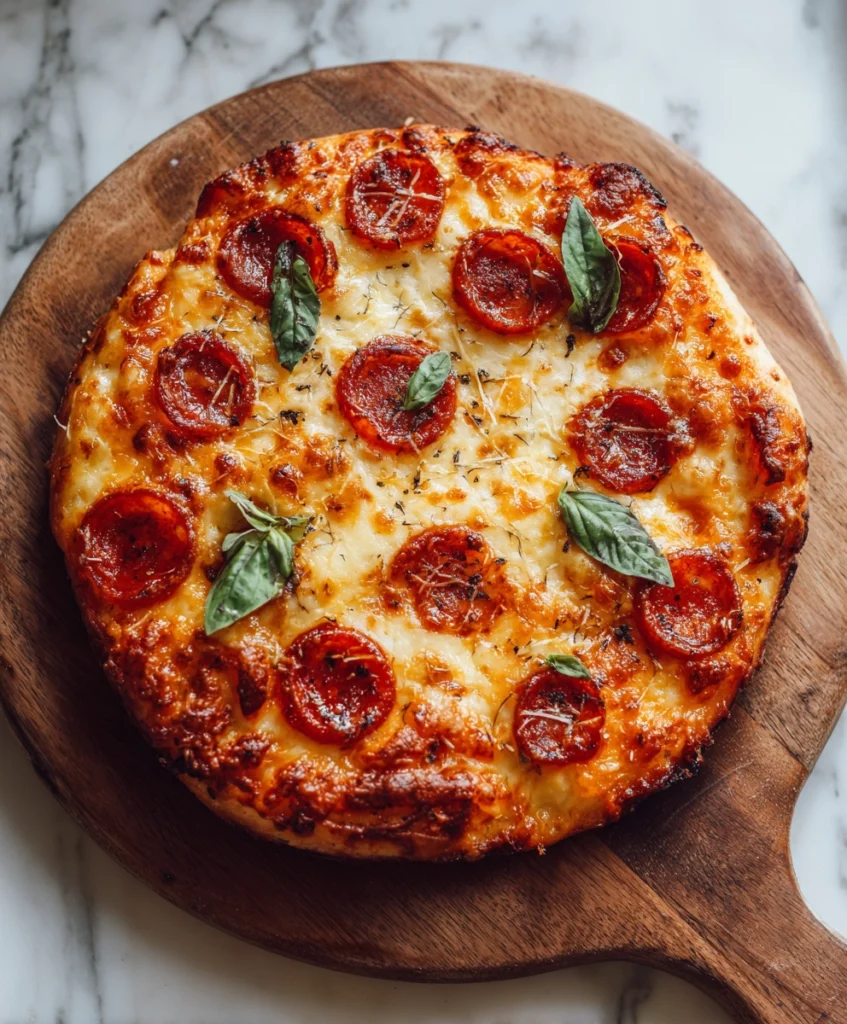
There is nothing better than pulling a hot homemade pizza out of the oven with bubbling cheese, crispy edges, and rich tomato sauce. The good news is that going gluten-free does not mean giving up that experience. This gluten-free pizza recipe delivers everything you love about traditional pizza while using simple ingredients and an easy homemade crust.
Whether you are gluten-sensitive, trying to eat healthier, or simply looking for a lighter pizza option, this recipe is designed to satisfy real pizza cravings. The crust turns perfectly crisp on the outside while staying soft and chewy inside, making it ideal for classic toppings or creative combinations.
I still remember the first gluten-free pizza I made years ago. The crust was dry and crumbly, and honestly it tasted nothing like pizza. After testing different flour blends and baking techniques, I finally found a method that creates a flavorful crust with the texture I had been missing. Now this recipe has become one of my favorite homemade comfort meals because it feels just like authentic pizza night.
Why This Gluten-Free Pizza Works
A great gluten-free pizza depends on balance. Many recipes become too dense, too dry, or fall apart after baking. This version works because it combines gluten-free flour with ingredients that improve texture and structure naturally.
Rice flour creates a light base, almond flour adds flavor and tenderness, while psyllium husk or xanthan gum helps hold the dough together. The result is a crust that is easy to shape, crisp around the edges, and sturdy enough for toppings.
Another reason this pizza tastes so good is the baking method. Pre-baking the crust before adding toppings prevents sogginess and helps lock in crispiness. High oven heat also creates that classic pizzeria-style texture.
Homemade gluten-free pizza is also healthier than many frozen store-bought versions because you control the ingredients, oil, cheese, and toppings yourself.
Ingredients for Gluten-Free Pizza
For the Crust
Dry Ingredients
- 2 cups gluten-free flour blend
- ½ cup almond flour
- 1 teaspoon psyllium husk or xanthan gum
- 1 teaspoon salt
- 1 teaspoon sugar
- 1 packet instant yeast
Wet Ingredients
- ¾ cup warm water
- 2 tablespoons olive oil
- 1 teaspoon apple cider vinegar
For the Toppings
Cheese
- Mozzarella cheese
- Parmesan cheese
- Vegan cheese alternatives
Sauce
- Homemade pizza sauce
- Marinara sauce
- Store-bought tomato sauce
Toppings
- Mushrooms
- Bell peppers
- Onions
- Black olives
- Spinach
- Pepperoni or grilled chicken
- Pineapple or jalapeños for extra flavor
Pro Tips Before You Start
- Measure gluten-free flour correctly by spooning it into the cup instead of scooping directly.
- For a crispier crust, spread the dough thinner and bake slightly longer.
- If the dough feels sticky, lightly oil your hands instead of adding too much flour.
- Avoid too many toppings because excess moisture can soften the crust.
Step-by-Step Instructions
Preparing the Dough
In a small bowl, combine warm water, sugar, and yeast. Let it sit for about 5 minutes until foamy.
In a separate large bowl, whisk together the gluten-free flour blend, almond flour, salt, and psyllium husk. Add the yeast mixture, olive oil, and apple cider vinegar.
Mix until a soft dough forms. Gluten-free dough will feel softer than traditional dough, which is completely normal.
Place the dough onto parchment paper and shape it into a pizza circle using lightly oiled hands. Let it rest for 20 minutes.
Prepping the Oven
Preheat your oven to 475°F (245°C).
If you have a pizza stone, place it inside while the oven heats. A hot pizza stone creates a crispier crust, but a regular baking tray also works well.
Assembling the Pizza
Pre-bake the crust for 8 minutes before adding toppings.
Spread a thin layer of sauce evenly across the crust, leaving a small border around the edges. Add mozzarella cheese, then layer your favorite toppings.
Popular combinations include:
- Margherita with basil and mozzarella
- Veggie pizza with mushrooms and peppers
- Spicy chicken with jalapeños
- Hawaiian with pineapple and turkey ham
Baking & Serving
Bake for another 12–15 minutes until the cheese is melted and the crust turns golden brown.
Let the pizza cool for 2 minutes before slicing.
Serve with:
- Fresh salad
- Garlic dip
- Roasted vegetables
- Sparkling lemonade or iced tea
Common Gluten-Free Pizza Problems & Fixes
Crust Too Dry: This usually happens from adding too much flour. Gluten-free flour absorbs moisture quickly, so measure carefully.
Dough Falling Apart: Your dough may need more binding ingredients like psyllium husk or xanthan gum.
Soggy Center: Always pre-bake the crust and avoid excessive sauce or watery toppings.
Crust Not Crispy: Bake at a high temperature and use a pizza stone if possible.
Best Topping Combinations
Classic Margherita: Fresh mozzarella, basil, olive oil, tomato sauce
Mediterranean Style: Olives, spinach, feta cheese, onions
Spicy Chicken Pizza: Grilled chicken, jalapeños, chili flakes
Veggie Supreme: Mushrooms, peppers, onions, olives, spinach
BBQ Style: BBQ sauce, chicken, red onions, mozzarella
Make-Ahead & Storage Tips
You can prepare the gluten-free dough ahead of time and store it in the refrigerator for up to 24 hours.
Leftover pizza stays fresh in an airtight container for 3 days. Reheat in the oven or air fryer for the best crispy texture.
You can also freeze baked pizza slices individually for quick meals later.
Why Homemade Gluten-Free Pizza Is Better
Homemade pizza gives you complete control over ingredients and flavor. Many frozen gluten-free pizzas contain preservatives, excess sodium, and limited toppings. Making it yourself allows you to customize the crust thickness, cheese amount, sauce flavor, and toppings exactly how you like them.
It is also more affordable in the long run and tastes fresher straight from the oven.
Conclusion
This gluten-free pizza recipe proves that homemade gluten-free food can still feel indulgent, comforting, and incredibly delicious. With its crispy crust, rich sauce, and perfectly melted cheese, it delivers everything people love about pizza without sacrificing flavor or texture.
Whether you keep it simple with mozzarella and basil or load it with colorful toppings, this recipe is easy to customize and perfect for pizza night at home. Once you try this homemade version, you may never want store-bought gluten-free pizza again.
Frequently Asked Questions
Can I freeze gluten-free pizza dough?
Yes, gluten-free pizza dough freezes very well. After preparing the dough, wrap it tightly and freeze for up to 2 months. Thaw it overnight in the refrigerator before shaping and baking.
What is the best flour for gluten-free pizza crust?
A gluten-free flour blend containing rice flour, tapioca starch, and potato starch usually gives the best texture. Almond flour can also be added for extra flavor and softness.
How do I make gluten-free pizza crust extra crispy?
Pre-baking the crust before adding toppings is the best way to create a crispy texture. Baking at a high temperature and using a pizza stone also helps.
Can I make this pizza dairy-free or vegan?
Absolutely. Simply use dairy-free mozzarella or vegan cheese alternatives and choose plant-based toppings for a fully vegan gluten-free pizza.
Why is my gluten-free pizza dough sticky?
Gluten-free dough is naturally softer and stickier than traditional dough. Lightly oiling your hands instead of adding extra flour makes the dough easier to handle without drying it out.
