
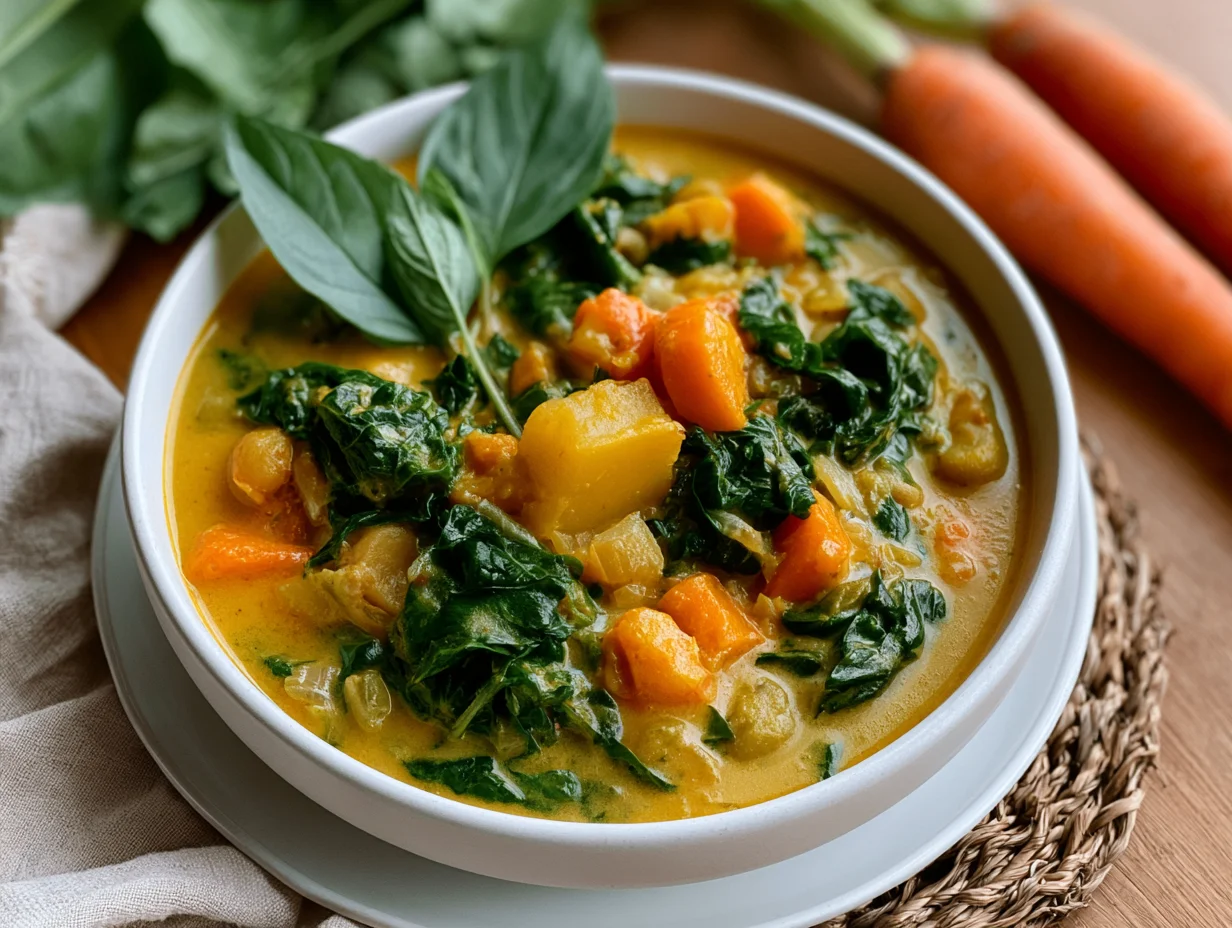
Vegan Coconut Curry Recipe
Vegan coconut curry is a rich, aromatic, and deeply satisfying dish that brings together creamy coconut milk, warming spices, and fresh vegetables in a perfectly balanced one-pot meal. It is the kind of recipe that delivers comfort without heaviness, making it ideal for both quick weeknight dinners and slow, mindful cooking sessions.
What makes this vegan coconut curry truly special is its ability to build layers of flavor from simple ingredients. The natural sweetness of coconut milk blends beautifully with bold spices like turmeric, cumin, and curry powder, creating a silky sauce that coats every bite with depth and warmth.
This recipe is perfect for plant-based diets, dairy-free eating, and anyone looking for a wholesome, nutrient-rich meal. It is also highly customizable, allowing you to adjust vegetables, spice levels, and protein sources based on preference.
If you are searching for easy vegan curry recipes, healthy coconut milk dinners, or flavorful one-pot meals, this dish is a reliable and delicious addition to your weekly menu.
Ingredients You’ll Need
One of the most beautiful things about vegan coconut curry is how simple ingredients transform into a deeply flavorful dish through slow simmering and aromatic spices that build richness in every spoonful.
(One of the things I love about this recipe is that it uses simple pantry ingredients. You probably already have most of them in your kitchen.)
Base Ingredients:
- 1 tablespoon coconut oil
- 1 medium onion, finely chopped
- 3 garlic cloves, minced
- 1 tablespoon ginger, grated
- 1 tablespoon curry powder
- 1 teaspoon turmeric powder
- 1 teaspoon cumin powder
- 1/2 teaspoon chili powder
- 1 can (400 ml) coconut milk
- 1 cup vegetable broth
- 1 cup cauliflower florets
- 1 cup diced carrots
- 1 cup chopped bell peppers
- 1 cup chickpeas (cooked)
- 1 teaspoon salt
- 1/2 teaspoon black pepper
- 1 tablespoon lime juice
- 1/4 cup fresh cilantro, chopped
Optional Add-ins:
- 1 cup spinach leaves
- 1/2 cup green peas
- 1 cup tofu cubes
- 1 tablespoon soy sauce
- 1 teaspoon maple syrup
- 1/2 teaspoon garam masala
- 1 tablespoon peanut butter
- 1/4 cup coconut cream (for extra richness)
Step-by-Step Instructions
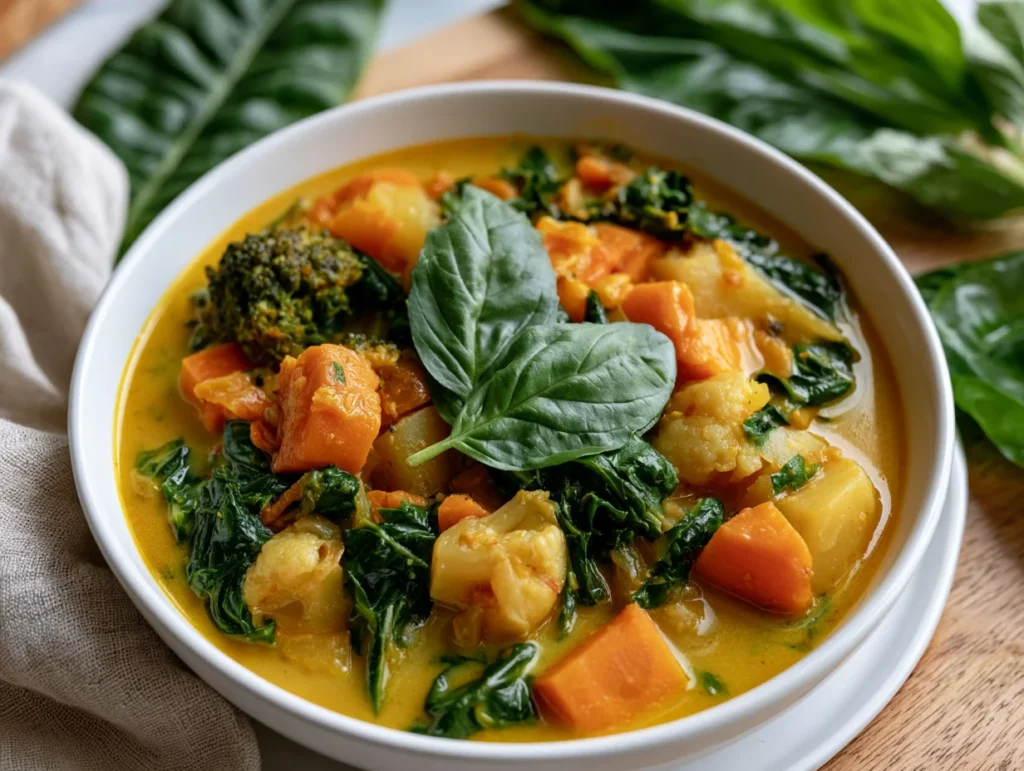
Build the Aromatic Curry Base
Heat coconut oil in a large pan over medium heat. Add chopped onions and sauté until soft and golden, allowing natural sweetness to develop. Stir in garlic and ginger, cooking until fragrant and well blended.
Add curry powder, turmeric, cumin, and chili powder to the pan. Toast the spices gently in the oil for a few seconds to release their full aroma. This step is essential for building a deep, layered flavor base for the curry.
Create the Coconut Curry Sauce
Pour in coconut milk and vegetable broth, stirring continuously to combine the spices evenly. Bring the mixture to a gentle simmer, ensuring the sauce becomes smooth, creamy, and well balanced.
The coconut milk softens the spices while adding natural richness. This combination forms the signature velvety texture that defines a good vegan coconut curry.
Add Vegetables and Protein
Add cauliflower, carrots, bell peppers, and chickpeas into the simmering sauce. Stir gently to coat all ingredients evenly. Allow the curry to cook on medium heat so the vegetables become tender but not overcooked.
This step allows the vegetables to absorb the curry flavors while maintaining their natural texture. If using tofu or peas, add them at this stage for even cooking.
Finish and Balance Flavors
Let the curry simmer for 10–15 minutes until the vegetables are tender and the sauce slightly thickens. Stir occasionally to prevent sticking and ensure even cooking.
Finish with lime juice, salt, black pepper, and fresh cilantro. These final touches brighten the dish and balance the creamy richness of the coconut base.
Cook Time
Total:
30 minutes
Prep:
10 minutes
Bake:
20 minutes simmering time
Servings
Makes approximately 4 servings, depending on portion size and whether it is served with rice, naan, or eaten as a standalone bowl meal.
This vegan coconut curry is ideal for family dinners, meal prep, and healthy weekly cooking because it stores well and maintains flavor over time. Each serving is satisfying, nutrient-rich, and naturally filling.
For larger gatherings, the recipe can easily be doubled in a large pot without changing cooking technique, making it perfect for sharing.
Common Mistakes in This Recipe
One common mistake is skipping the spice toasting step. Without blooming the spices in oil, the curry lacks depth and aromatic richness.
Another issue is overcooking the vegetables. Cooking too long can make them mushy and reduce the overall texture contrast in the dish.
Many people also add coconut milk at high heat, which can cause separation or a grainy texture in the sauce.
Underseasoning is another frequent mistake. Without proper salt and acidity balance, the curry can taste flat despite its ingredients.
Solutions to Common Mistakes
Always toast spices briefly in oil before adding liquids. This enhances flavor complexity and improves aroma significantly.
Cook vegetables just until tender to preserve texture and natural color while maintaining nutritional value.
Keep the curry at a gentle simmer after adding coconut milk to maintain a smooth, creamy consistency.
Taste and adjust seasoning at the end using salt and lime juice to ensure balanced flavor and brightness.
Nutritional Information (approx. per serving)
- Calories: 360
- Protein: 12g
- Carbohydrates: 32g
- Fat: 22g
- Fiber: 9g
- Sugar: 8g
- Vitamin A: 80% DV
- Iron: 25% DV
Coconut milk provides healthy fats that support satiety and energy while giving the curry its creamy texture.
Vegetables and chickpeas add fiber, plant-based protein, and essential micronutrients that support overall health.
The spices used in this curry contain antioxidants that help support digestion and immune function.
This dish is naturally dairy-free, gluten-free, and suitable for balanced plant-based diets.
Storage Instructions
Allow the curry to cool completely before storing it in airtight containers in the refrigerator for up to 4 days.
Reheat gently on the stove over low heat to maintain creamy texture and prevent separation of coconut milk.
Avoid overheating during reheating as it may reduce flavor balance and soften vegetables too much.
This curry also freezes well for up to 2 months, making it excellent for long-term meal prep.
Suggestions
Serve this vegan coconut curry with steamed basmati rice, quinoa, or warm naan for a complete meal.
For added protein, include tofu or tempeh to make the dish more filling and balanced.
A squeeze of fresh lime and chopped cilantro just before serving enhances freshness and aroma.
For a richer version, add a spoon of coconut cream or peanut butter to deepen the sauce.
Seasonal Relevance
This curry is especially comforting during colder months when warm, spiced meals are preferred for nourishment and comfort.
In spring and summer, lighter vegetable combinations make it a refreshing yet satisfying plant-based option.
Seasonal vegetables can easily be swapped in, making this recipe adaptable throughout the year.
Because of its flexibility and pantry-friendly ingredients, it remains a reliable year-round vegan meal.
Final Words
Vegan coconut curry is a perfect example of how simple ingredients can create deeply satisfying and nourishing meals.
Its creamy texture, balanced spices, and vibrant vegetables make it both comforting and refreshing at the same time.
The recipe is flexible enough to suit different diets, preferences, and seasonal ingredients without losing its core flavor.
Once mastered, it becomes a go-to plant-based dish for easy, healthy, and flavorful home cooking.
Frequently Asked Questions
Can I make vegan coconut curry ahead of time?
Yes, this curry is ideal for meal prep. In fact, the flavors deepen after resting, making it even more delicious the next day when stored in the refrigerator and reheated gently on the stove.
What vegetables work best in coconut curry?
Cauliflower, carrots, bell peppers, spinach, and peas work especially well. However, you can customize the recipe with seasonal vegetables while maintaining similar cooking times and texture balance.
How can I make the curry thicker?
To thicken the curry, simmer it uncovered for a few extra minutes or add coconut cream. You can also mash a small portion of chickpeas to naturally enhance thickness.
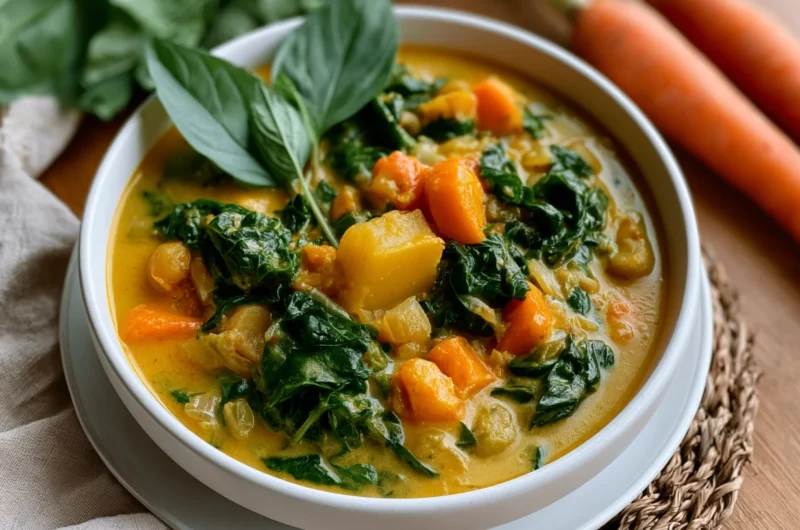
Vegan Coconut Curry Recipe
4
servings10
minutes20
minutes360
kcal30
minutesThis Vegan Coconut Curry Recipe is a rich, creamy, and aromatic plant-based dish made with coconut milk, fresh vegetables, chickpeas, and warm spices. Perfect for quick weeknight dinners, meal prep, and healthy vegan eating, it delivers deep flavor in just one pot.
Ingredients
1 tablespoon coconut oil
1 medium onion, finely chopped
3 garlic cloves, minced
1 tablespoon ginger, grated
1 tablespoon curry powder
1 teaspoon turmeric powder
1 teaspoon cumin powder
1/2 teaspoon chili powder
1 can (400 ml) coconut milk
1 cup vegetable broth
1 cup cauliflower florets
1 cup diced carrots
1 cup chopped bell peppers
1 cup chickpeas (cooked)
1 teaspoon salt
1/2 teaspoon black pepper
1 tablespoon lime juice
1/4 cup fresh cilantro, chopped
1 cup spinach leaves (optional)
1/2 cup green peas (optional)
1 cup tofu cubes (optional)
1 tablespoon soy sauce (optional)
1 teaspoon maple syrup (optional)
1/2 teaspoon garam masala (optional)
1 tablespoon peanut butter (optional)
1/4 cup coconut cream (optional)
Directions
- Heat coconut oil in a large pan over medium heat.
- Add onion and sauté until soft and golden.
- Stir in garlic and ginger and cook until fragrant.
- Add curry powder, turmeric, cumin, and chili powder; toast briefly.
- Pour in coconut milk and vegetable broth, stirring well.
- Bring to a gentle simmer over medium heat.
- Add cauliflower, carrots, bell peppers, and chickpeas.
- Cook for 10–15 minutes until vegetables are tender.
- Stir in optional ingredients like spinach, tofu, or peas if using.
- Season with salt, pepper, and lime juice.
- Finish with fresh cilantro and serve hot.
Recipe Video
Notes
- Toast spices in oil for deeper flavor.
- Simmer gently to keep coconut milk smooth and creamy.
- Do not overcook vegetables to maintain texture.
- Adjust spice level based on preference.
- Best served with rice, quinoa, or naan.