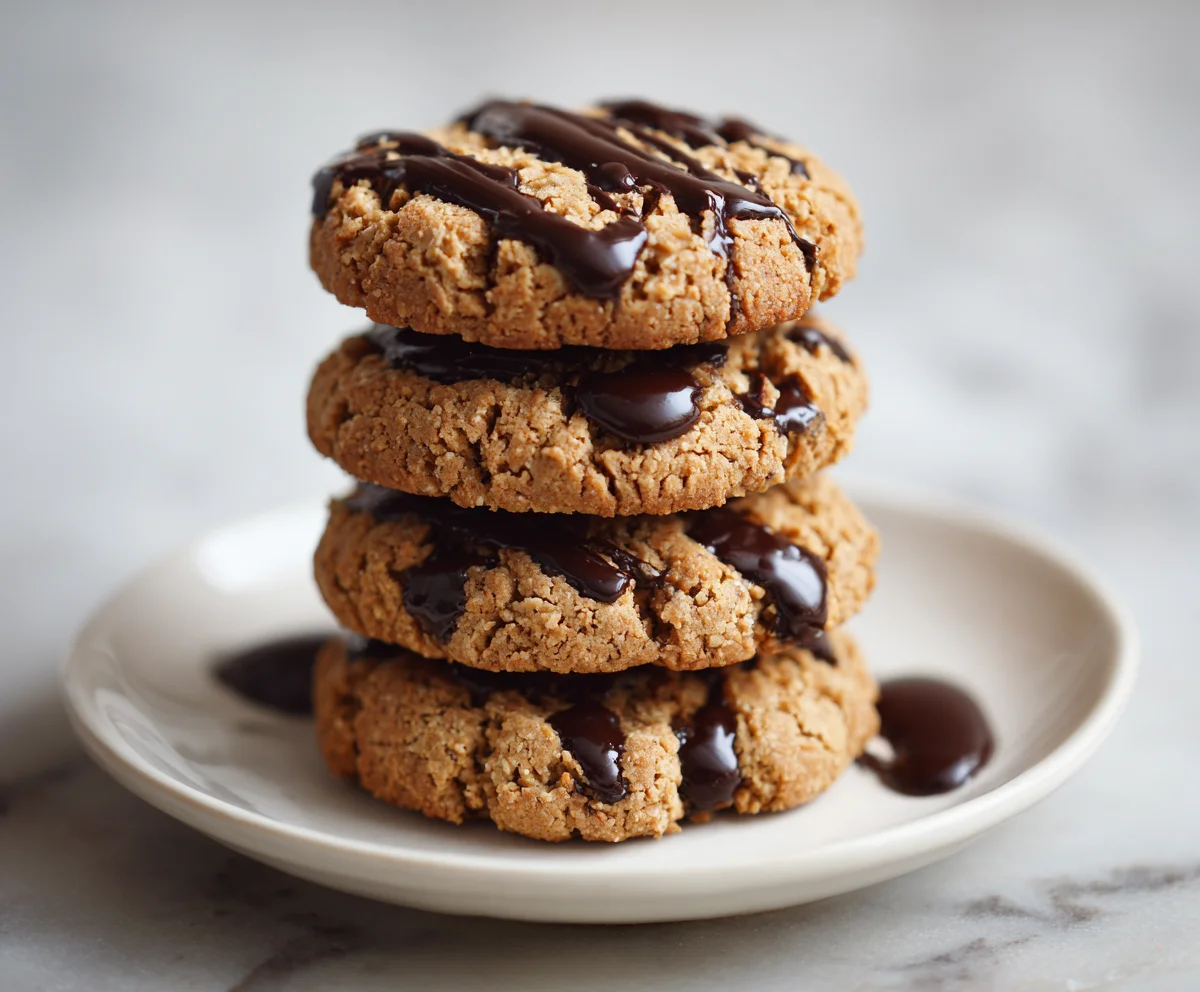
There is a moment when a cookie comes out of the oven,edges lightly caramelized, centers still tender—when you know you’ve done it right. Vegan cookies are no exception. In fact, when crafted properly, they rival (and often surpass) traditional versions in texture and depth of flavor. This recipe is the result of professional kitchen testing, balancing structure without eggs and richness without butter,yielding cookies that are crisp at the edges, soft in the center, and deeply satisfying.
Ingredients List
- 2 ¼ cups (280g) all-purpose flour
- 1 teaspoon baking soda
- ½ teaspoon fine sea salt
- ¾ cup (150g) organic cane sugar
- ¾ cup (165g) light brown sugar, packed
- ¾ cup (180ml) refined coconut oil, melted but not hot
- ¼ cup (60ml) unsweetened almond milk (or any plant milk)
- 2 teaspoons pure vanilla extract
- 1 cup (170g) dairy-free chocolate chips
- Optional: ½ teaspoon espresso powder (enhances chocolate flavor)
- Optional: flaky sea salt for finishing
Step-by-Step Instructions
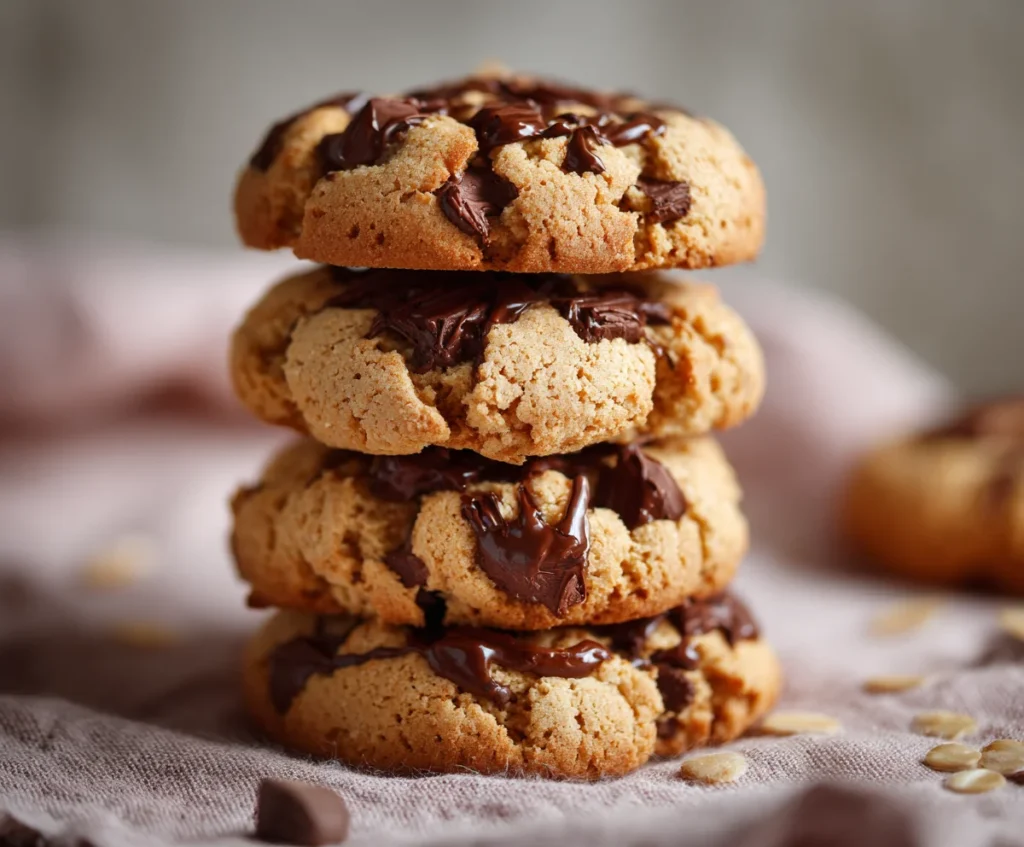
1. Prepare the Base
Preheat your oven to 350°F (175°C). Line two baking trays with parchment paper. In a medium bowl, whisk together the flour, baking soda, and salt to evenly distribute the leavening.
2. Build Flavor and Structure
In a separate large bowl, combine cane sugar and brown sugar. Pour in the melted coconut oil and whisk vigorously for about 1 minute. This step dissolves the sugars slightly and creates the glossy base that mimics the aeration eggs would typically provide.
3. Add Liquid Ingredients
Whisk in almond milk and vanilla extract until fully incorporated. The mixture should look smooth and slightly thickened.
4. Combine Wet and Dry
Fold the dry ingredients into the wet mixture using a spatula. Mix only until no dry streaks remain. Overmixing can lead to dense cookies.
5. Fold in Chocolate
Gently fold in the dairy-free chocolate chips (and espresso powder if using).
6. Shape and Rest
Scoop 2-tablespoon portions onto the baking tray, spacing them 2 inches apart. For thicker cookies, chill the dough for 20–30 minutes before baking.
7. Bake with Precision
Bake for 10–12 minutes. The edges should look set and lightly golden while the centers remain slightly soft. Do not overbake; they will continue to firm up as they cool.
8. Finish and Cool
Sprinkle lightly with flaky sea salt if desired. Let cookies cool on the tray for 5 minutes before transferring to a wire rack.
Cook Time
- Preparation: 15 minutes
- Optional chilling: 20–30 minutes
- Baking: 10–12 minutes per batch
- Total time: Approximately 30–45 minutes
Servings
Makes approximately 20–24 medium-sized cookies.
Nutritional Information (approx. per serving)
- Calories: 180–210 kcal
- Fat: 9g
- Carbohydrates: 26g
- Sugar: 16g
- Protein: 2g
- Fiber: 1–2g
Values may vary slightly depending on ingredient brands used.
Storage Instructions
- Store in an airtight container at room temperature for up to 5 days.
- For longer storage, refrigerate up to 10 days.
- Freeze baked cookies for up to 2 months. Thaw at room temperature.
- Cookie dough can also be portioned and frozen; bake directly from frozen, adding 1–2 minutes to baking time.
Suggestions
- Substitute ½ cup of chocolate chips with chopped toasted walnuts or pecans for added texture.
- Add orange zest for a subtle aromatic twist.
- Replace 2 tablespoons of flour with cocoa powder for a double-chocolate variation.
- For bakery-style presentation, press a few extra chocolate chips onto the tops before baking.
Seasonal Relevance
These vegan cookies are wonderfully versatile year-round. In autumn, incorporate warming spices like cinnamon or cardamom. During winter holidays, add dried cranberries or crushed peppermint. In summer, pair with dairy-free vanilla ice cream for an elegant cookie sandwich. Their adaptability makes them a dependable staple across seasons.
Conclusion
Exceptional vegan cookies are not about substitution,they are about formulation. By understanding structure, moisture balance, and caramelization, you create cookies that stand confidently on their own merit. This recipe delivers professional-level texture and flavor with approachable technique, making it ideal for both home bakers and seasoned cooks seeking precision.
FAQs
1. Can I use whole wheat flour instead of all-purpose flour?
Yes, but expect a denser texture. For best results, substitute only 50% with whole wheat flour to maintain tenderness.
2. Why did my cookies spread too much?
The coconut oil may have been too warm, or the dough wasn’t chilled. Resting the dough helps control spread and improves flavor.
3. Can I reduce the sugar without affecting texture?
Slight reductions (about 10%) are acceptable, but sugar contributes to structure and moisture. Larger reductions will change texture significantly.
