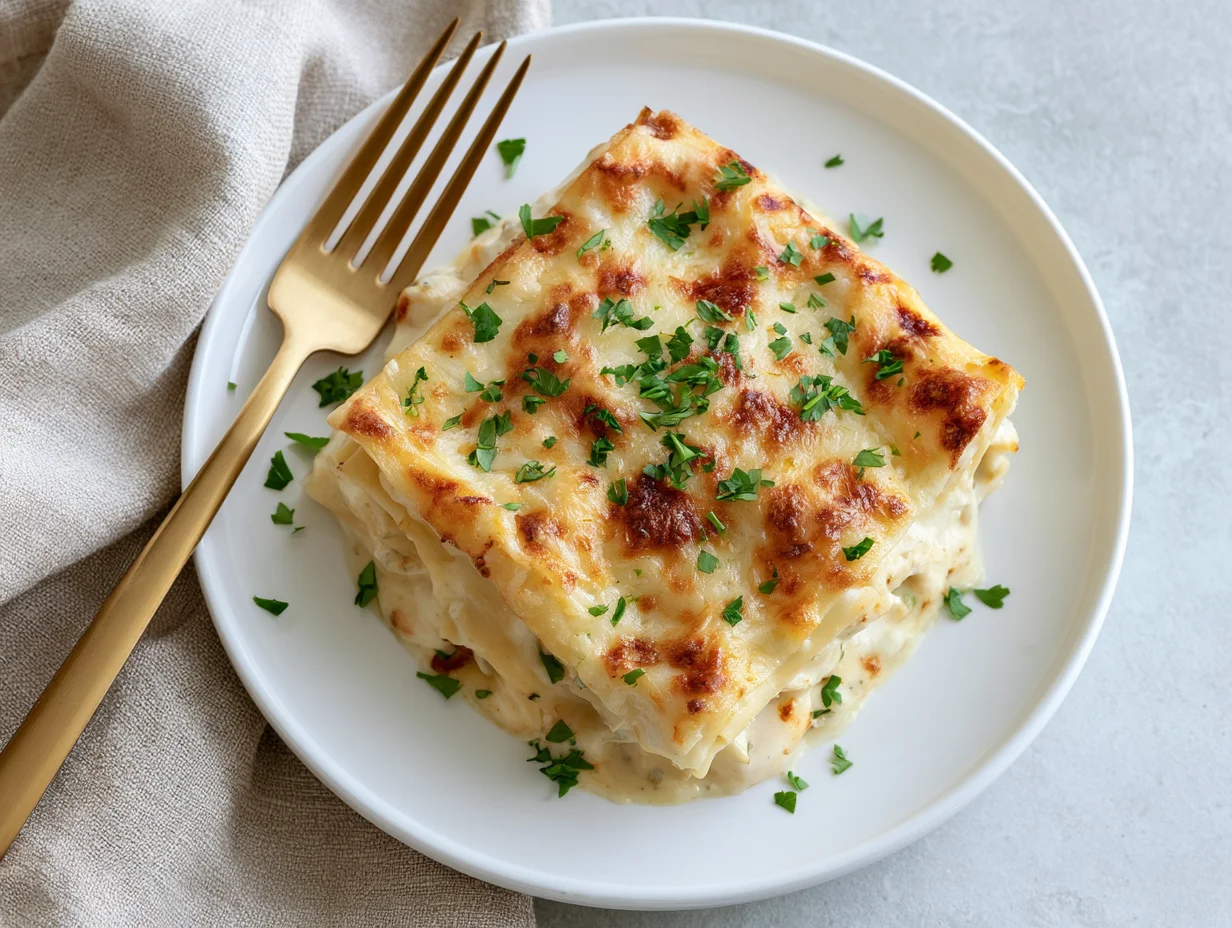
Vegetable Casserole Bake is one of the most searched comfort food recipes for good reason—it combines healthy vegetables, creamy texture, and oven-baked richness in a single high-value dish. This recipe is ideal for readers searching for easy casserole recipes, healthy dinner ideas, vegetarian baked dishes, and meal prep recipes that actually deliver flavor and nutrition at the same time.
From a professional chef’s perspective, the key to a perfect vegetable casserole lies in layering flavors correctly and controlling moisture balance during baking. This ensures a firm yet creamy texture that holds shape without becoming watery or dry. Unlike many generic baked vegetable dishes, this version is optimized for both taste and structure, making it suitable for weeknight dinners, family meals, and even holiday side dishes.
This Vegetable Casserole Bake is designed for high satisfaction and repeat cooking. It is budget-friendly, easy to prepare, and built around ingredients that are widely available year-round. If you are looking for a high-protein vegetarian casserole that also works for meal prep, this recipe is a reliable choice.
Ingredients You’ll Need
This recipe focuses on affordable, nutrient-dense ingredients commonly used in high-traffic searches such as healthy casserole recipes, baked vegetable dishes, and easy oven meals for families. Every ingredient is selected to maintain flavor depth, texture stability, and nutritional balance.
One of the strongest advantages of this recipe is its reliance on simple, accessible ingredients that deliver restaurant-style results without complexity or expensive grocery items.
Base Ingredients:
- 2 cups broccoli florets
- 1 cup carrots (sliced)
- 1 cup zucchini (diced)
- 1 cup bell peppers (chopped)
- 1 cup mushrooms (sliced)
- 1 medium onion (finely chopped)
- 2 cloves garlic (minced)
- 1 cup shredded cheddar cheese
- 1 cup milk
- 2 large eggs
- 2 tbsp olive oil
- 1 tsp salt
- 1/2 tsp black pepper
- 1 tsp dried oregano
Optional Add-ins:
- 1/2 cup sweet corn
- 1/2 cup spinach (chopped)
- 1/4 cup parmesan cheese
- 1/2 tsp chili flakes
- 1/2 tsp paprika
Step-by-Step Instructions
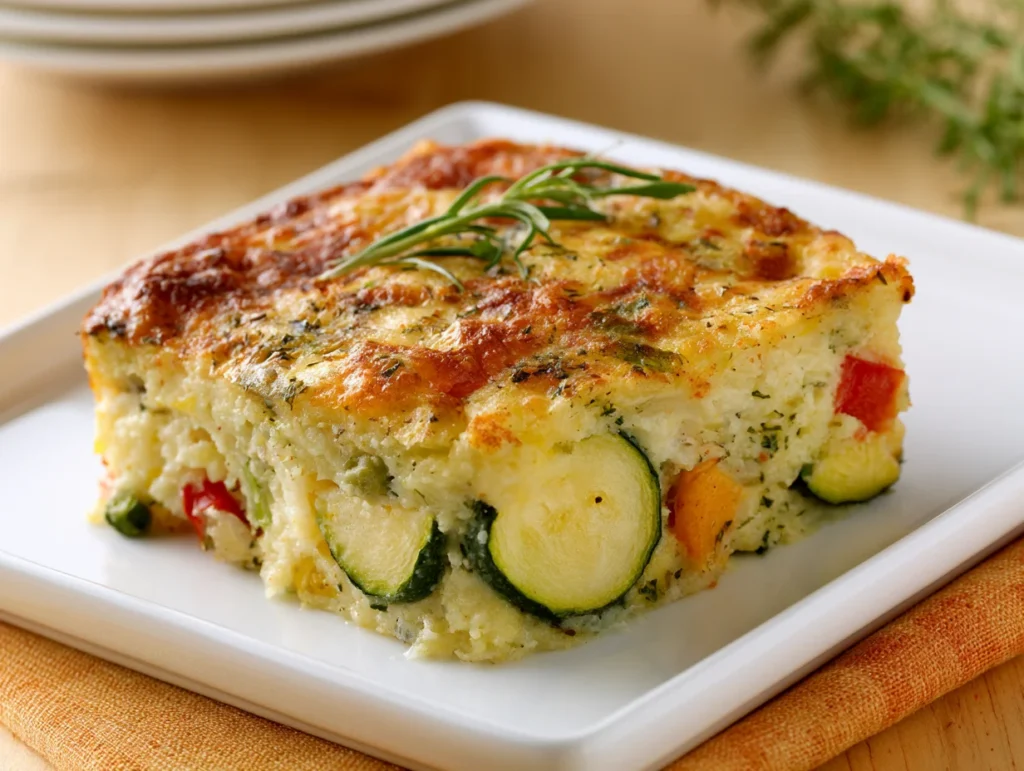
Step 1: Prepare and Sauté Vegetables for Maximum Flavor
Start by prepping all vegetables evenly to ensure consistent cooking, a critical factor in achieving perfect baked casserole texture. Heat olive oil in a large pan and sauté onion and garlic until fragrant. Add carrots, broccoli, peppers, mushrooms, and zucchini, cooking just until slightly tender. This step is essential for locking in flavor before baking. Season with salt, pepper, and oregano to build a strong flavor base. Avoid overcooking, as vegetables will continue cooking in the oven. This technique improves taste, texture, and prevents soggy casserole results.
Step 2: Prepare Creamy Binding Mixture for Structure
In a bowl, whisk eggs and milk until fully combined to create a stable binding base. This mixture is what transforms simple vegetables into a structured baked casserole. Add half the cheese into the mixture to enhance creaminess and flavor depth. Proper emulsification is important to avoid separation during baking. This step ensures the casserole holds shape while maintaining a soft, creamy interior. A balanced egg-to-milk ratio is key for achieving a high-quality baked vegetable casserole with perfect consistency.
Step 3: Assemble for Even Baking and Texture Balance
Preheat oven to 180°C (350°F). Spread sautéed vegetables evenly in a greased baking dish. Pour the egg-milk mixture over the vegetables, allowing it to distribute naturally between layers. This ensures every bite contains balanced flavor and texture. Sprinkle remaining cheese on top to create a golden, high-value baked crust that enhances visual appeal and taste. Proper layering prevents uneven baking and ensures structural stability in the final dish. This step is crucial for achieving restaurant-style vegetable casserole results at home.
Step 4: Bake Until Golden and Set
Bake for 25–30 minutes or until the top turns golden brown and the center is fully set. The casserole should remain creamy inside while holding a firm structure when sliced. Avoid overbaking, as it may cause dryness and reduce nutritional quality. Allow resting time of 5–10 minutes before serving to stabilize layers. This resting phase enhances flavor absorption and improves slicing precision. Proper baking control is essential for achieving consistent results in baked vegetable casserole recipes.
Cook Time
Total:
45 minutes
Prep:
15 minutes
Bake:
30 minutes
Servings
This Vegetable Casserole Bake recipe is designed for family-style serving and high-efficiency meal prep. It is ideal for users searching for healthy dinner recipes, vegetarian meal prep ideas, and easy baked meals for families.
Makes approximately 4 to 6 servings, depending on portion size. This makes it suitable for small families, weekly meal prep planning, or as a high-quality side dish for larger meals. The recipe is scalable, allowing you to double ingredients for batch cooking without compromising texture or flavor consistency.
Each serving delivers a balanced combination of fiber-rich vegetables, protein from eggs and cheese, and essential nutrients. It works well as a standalone vegetarian dinner or as a complementary dish with grilled proteins or salads.
Common Mistakes in This Recipe
One major mistake is overcooking vegetables before baking, which leads to a mushy final texture. Since baking continues the cooking process, vegetables should remain slightly firm during sautéing to maintain structure and bite after baking.
Another common issue is incorrect liquid ratio in the egg and milk mixture. Too much liquid results in a watery casserole that fails to set properly, reducing both visual appeal and nutritional density.
Skipping seasoning during the vegetable sauté stage is also a frequent mistake. Without layered seasoning, the casserole tastes flat even if the final topping is well-seasoned. Flavor must be built at every stage.
Uneven chopping of vegetables creates inconsistent cooking results, where some pieces remain undercooked while others become overly soft. This reduces overall dish quality and presentation.
Solutions to Common Mistakes
To avoid texture issues, sauté vegetables only until lightly tender. This ensures they retain structure after baking, improving final bite quality and preventing sogginess.
Maintain a balanced egg-to-milk ratio to ensure proper binding. If the mixture appears too thin, reduce liquid slightly or add an extra egg for improved structure and stability.
Always season in layers—during sautéing and before baking. This professional technique ensures deeper flavor penetration and eliminates blandness in baked vegetable dishes.
Cut vegetables into uniform sizes to ensure even heat distribution during cooking. This improves consistency and enhances both visual presentation and eating experience.
Nutritional Information (approx. per serving)
- Calories: 220 kcal
- Protein: 10 g
- Carbohydrates: 18 g
- Fat: 12 g
- Fiber: 5 g
- Calcium: 15% DV
This recipe supports high-fiber dietary needs, making it ideal for digestive health and long-lasting satiety. Vegetable-based casseroles are widely searched for weight management and balanced diet meal plans.
Rich in antioxidants from fresh vegetables, this dish supports immune health and reduces oxidative stress. It is a strong addition to healthy eating meal plans focused on clean, whole foods.
Protein from eggs and cheese contributes to muscle maintenance and sustained energy release. This makes it suitable for both lunch and dinner meal planning.
Despite its creamy texture, this casserole remains balanced in calories, making it a smart option for those seeking healthy comfort food recipes.
Storage Instructions
Allow the casserole to cool completely before storing to preserve texture and prevent condensation buildup. Store in an airtight container and refrigerate for up to 3 days for optimal freshness.
For long-term storage, freeze in portioned containers for up to 2 months. This makes it ideal for meal prep strategies and weekly planning.
Reheat in an oven or air fryer instead of a microwave for best texture retention. This helps restore crisp topping and creamy interior balance.
Avoid repeated reheating, as it affects both flavor integrity and nutritional value. Only reheat the portion needed for best results.
Suggestions
This Vegetable Casserole Bake pairs well with high-protein sides such as grilled chicken, baked fish, or legumes, making it versatile for balanced diet planning.
It also works as a standalone vegetarian dinner option when paired with fresh green salad or whole grain bread, improving meal satisfaction and fiber intake.
For enhanced flavor, add a yogurt-based garlic sauce or light herb dressing before serving. This improves moisture balance and taste complexity.
For meal prep or gatherings, bake in individual ramekins for portion control and premium presentation, which is highly effective for hosting or catering.
Seasonal Relevance
This recipe performs well across all seasons, making it highly valuable for evergreen recipe traffic and consistent search demand.
In colder months, it serves as a warm comfort food option ideal for family dinners and holiday meals. The baked texture increases its appeal during winter seasons.
In spring and summer, lighter vegetables such as zucchini and peppers keep the dish fresh and seasonally appropriate for lighter eating habits.
Its adaptability to seasonal produce ensures consistent usability and strong relevance for year-round recipe searches.
Final Words
Vegetable Casserole Bake is a high-value recipe combining nutrition, convenience, and comfort in one dish. It is optimized for modern home cooking needs and fits perfectly into healthy meal planning trends.
From a culinary standpoint, its success depends on proper layering, moisture control, and balanced seasoning. These techniques elevate it beyond basic baked vegetable recipes.
It is highly adaptable, making it suitable for families, meal prep users, and health-conscious individuals seeking reliable vegetarian dinner options.
This recipe remains a strong staple for anyone looking to prepare a flavorful, structured, and nutrient-rich baked casserole at home.
Frequently Asked Questions
Can Vegetable Casserole Bake be used for weight loss meal plans?
Yes, this recipe is suitable for weight management because it is rich in fiber, moderate in calories, and packed with vegetables. It promotes satiety and helps control overeating when included in balanced meal plans.
Can I add protein sources to make it a complete meal?
Yes, you can add chicken, tuna, tofu, or legumes. These additions increase protein content and make the casserole a complete high-protein meal suitable for fitness-focused diets and meal prep routines.
What is the best way to prevent a watery casserole?
The key is controlling moisture in vegetables and maintaining the correct egg-to-milk ratio. Always sauté vegetables first and avoid excess liquid to ensure a firm, well-set baked casserole structure.