Authentic Tres Leches Cake Recipe
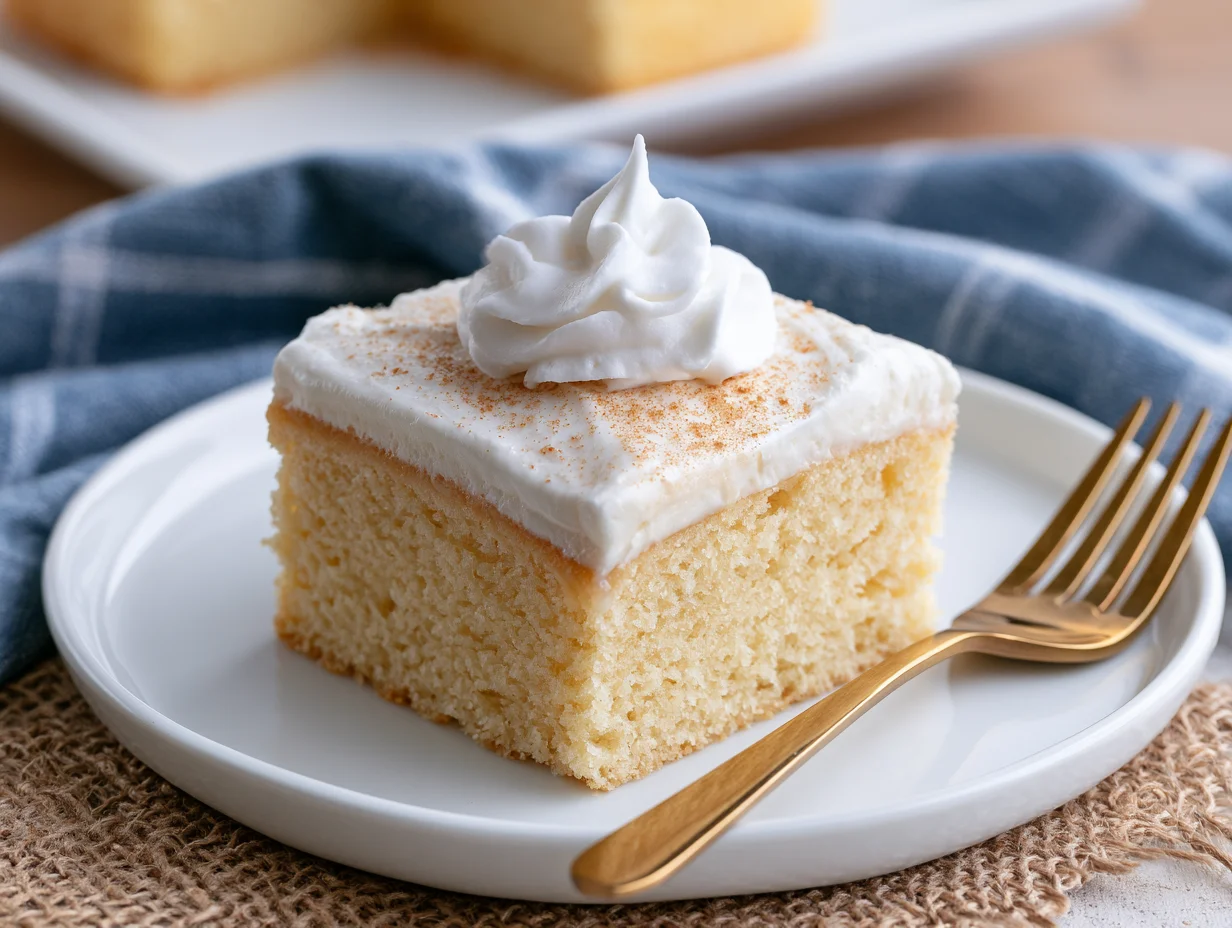
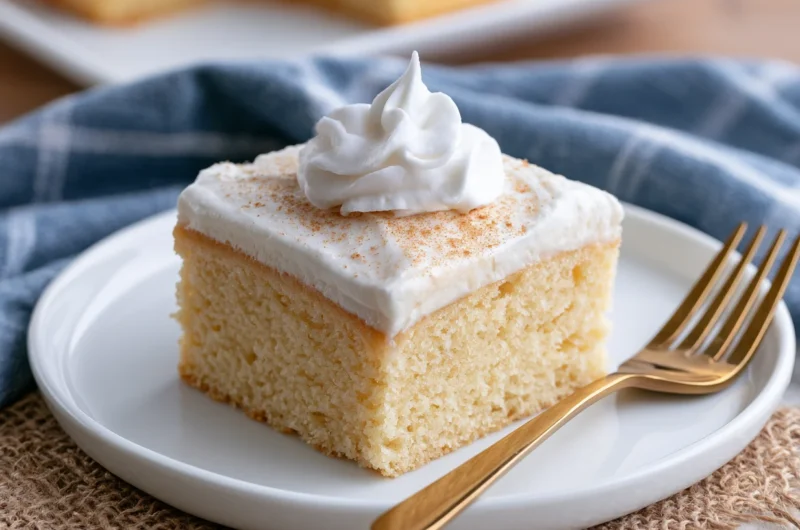
Few desserts manage to feel both light and indulgent at the same time, but tres leches cake pulls it off effortlessly. A delicate sponge soaks up a rich trio of milks until it turns impossibly moist, then gets finished with a cloud of lightly sweetened whipped cream.
This recipe stays true to its roots. There’s no shortcut substitution or boxed cake mix hiding behind the scenes, just a proper sponge built from scratch, designed specifically to absorb liquid without falling apart or turning gummy.
What makes tres leches cake such a standout dessert is the contrast it delivers in every bite. The cake itself is soft and pillowy, the milk soak adds richness and depth, and the whipped topping brings a light, airy finish that balances the entire dessert.
By the end of this article, you’ll understand exactly how to build that texture from the ground up, along with the timing and techniques that separate an authentic tres leches cake from a dense, overly wet imitation.
Ingredients You’ll Need
This is one of those desserts that proves restraint in the kitchen can lead to something genuinely spectacular, no fancy techniques required, just a handful of ingredients used with intention and the right amount of patience.
One of the things I love about this recipe is that it uses simple pantry ingredients. You probably already have most of them in your kitchen.
Base Ingredients
- 1 cup all-purpose flour
- 1 1/2 teaspoons baking powder
- 1/4 teaspoon fine sea salt
- 5 large eggs, separated
- 1 cup granulated sugar, divided
- 1/3 cup whole milk
- 1 teaspoon pure vanilla extract
- 1 can (12 oz) evaporated milk
- 1 can (14 oz) sweetened condensed milk
- 1/2 cup heavy cream (for the milk soak)
- 1 1/2 cups heavy whipping cream (for the topping)
- 1/4 cup powdered sugar (for the topping)
Optional Add-ins
- 1 teaspoon ground cinnamon (for dusting the top)
- 1 tablespoon dark rum (added to the milk mixture)
- 1/2 cup fresh strawberries, sliced (for garnish)
- 1 teaspoon orange zest (added to the milk soak)
- 2 tablespoons toasted coconut flakes (for topping)
- 1/4 teaspoon almond extract (added to the whipped topping)
Step-by-Step Instructions
Prepare the Cake Batter
Preheat your oven to 350°F (175°C) and grease a 9×13-inch baking dish. Whisk together the flour, baking powder, and salt in a bowl and set aside.
In a separate large bowl, beat the egg yolks with three-quarters of the sugar until pale and thickened, about three minutes. Stir in the whole milk and vanilla extract. Gently fold the dry ingredients into the yolk mixture until just combined, being careful not to overmix at this stage.
Whip and Fold the Egg Whites
In a clean bowl, beat the egg whites until soft peaks form. Gradually add the remaining sugar and continue beating until stiff, glossy peaks develop. This meringue is what gives the sponge its light, airy structure.
Fold the egg whites into the batter in three additions, working gently with a spatula to preserve as much air as possible. Overfolding deflates the batter and results in a denser cake that won’t soak up the milk mixture as effectively later on.
Bake the Sponge
Pour the batter into the prepared baking dish, spreading it evenly with a spatula. Bake for 25 to 30 minutes, or until a toothpick inserted into the center comes out clean and the top springs back lightly when touched.
Allow the cake to cool in the pan for about ten minutes, then use a fork to poke holes evenly across the entire surface. These holes are essential, as they create channels for the milk mixture to penetrate deeply rather than pooling only on top.
Make the Milk Soak
Whisk together the evaporated milk, sweetened condensed milk, and heavy cream in a medium bowl until fully combined. If using rum or orange zest, stir them in at this stage for added depth.
Slowly pour the milk mixture over the cooled, poked cake, working in stages to allow it to absorb evenly rather than dumping it all at once. Start around the edges and move toward the center, giving the liquid time to soak into every section of the sponge.
Chill and Whip the Topping
Cover the soaked cake and refrigerate for at least four hours, though overnight produces the best texture and flavor. This resting period allows the sponge to fully absorb the milk mixture and develop its signature moist, tender crumb.
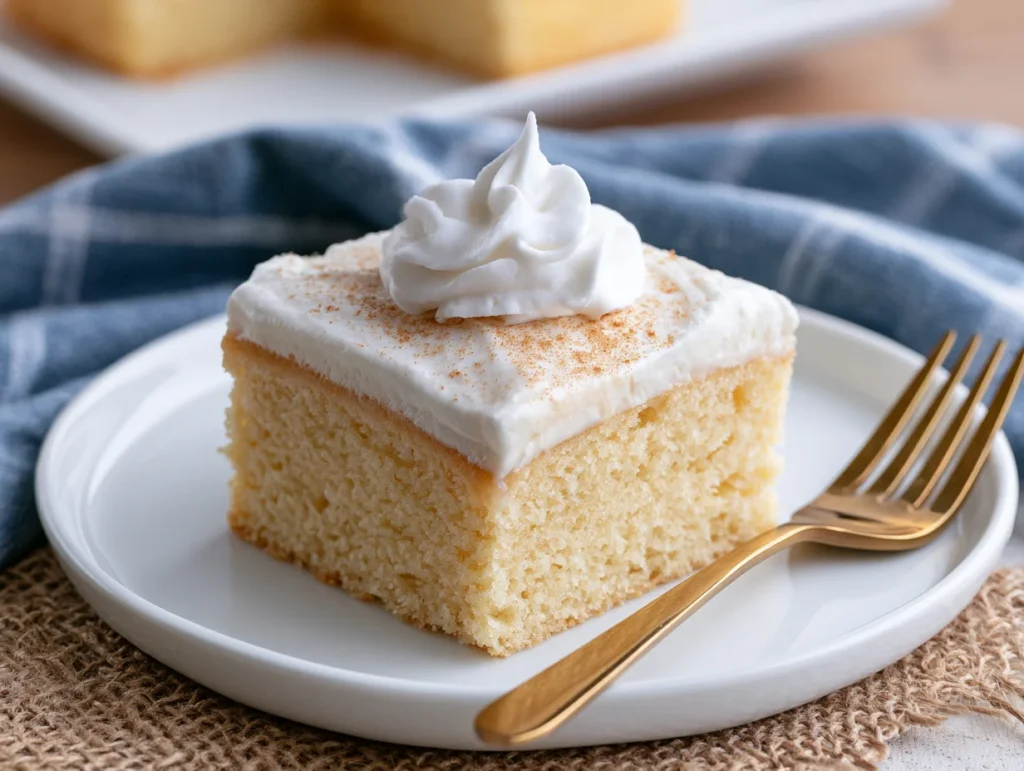
Just before serving, whip the heavy cream with powdered sugar until soft, billowy peaks form. Spread the whipped cream evenly over the chilled cake, creating soft swirls across the surface for an elegant, rustic finish.
Slice and Serve
Slice the cake into even squares using a sharp knife, wiping the blade clean between cuts for the neatest presentation. The texture should be moist throughout but never soggy or falling apart.
Garnish individual slices with a dusting of cinnamon, fresh strawberry slices, or toasted coconut just before serving. Serve chilled, straight from the refrigerator, since this cake is meant to be enjoyed cold rather than at room temperature.
Cook Time
Total
5 hours (includes chilling time)
Prep
20 minutes
Bake
25 to 30 minutes
Servings
This recipe makes approximately twelve servings, cut into even squares from a standard 9×13-inch baking dish. It’s a generous yield, well suited for family gatherings, celebrations, or any occasion calling for a dessert that can comfortably feed a crowd.
Portion size is easy to adjust depending on the setting. For a formal dinner, smaller squares plated with fresh fruit feel elegant and appropriately portioned. For a casual potluck or party, slightly larger squares served straight from the dish work just as well.
Because the cake holds up beautifully in the refrigerator, it’s also an excellent make-ahead dessert for gatherings where you’d rather prepare in advance than scramble on the day of serving.
Common Mistakes in This Recipe
The most common mistake with tres leches cake is overmixing the batter after folding in the egg whites. This deflates the air carefully built into the meringue, resulting in a dense sponge that struggles to absorb the milk mixture properly.
Pouring the milk soak over a cake that’s still warm is another frequent error. Warm cake absorbs liquid unevenly and can become mushy in some areas while remaining dry in others, ruining the texture balance the recipe depends on.
Skipping the chilling time, or rushing it, leads to a cake that hasn’t fully absorbed the milk mixture. The result is a soggy top layer with a dry, underdeveloped center, which defeats the entire purpose of this dessert.
Finally, many bakers add the whipped cream topping too far in advance. Whipped cream loses its structure over time, especially on a moist cake, and can turn watery or slide off the surface if applied too early.
Solutions to Common Mistakes
Fold the egg whites into the batter gently and in small additions, stopping as soon as the mixture looks uniform. A few visible streaks are far better than a flat, overworked batter that’s lost its lift.
Always let the cake cool for at least ten minutes before poking holes and pouring the milk soak. The cake should be just warm, not hot, so the liquid absorbs gradually rather than instantly oversaturating one area.
Refrigerate the soaked cake for a minimum of four hours, and ideally overnight. This extended chilling time is what allows the milk mixture to penetrate fully and evenly throughout the sponge, creating that signature moist texture.
Whip and apply the cream topping no more than a few hours before serving. For best results, whip it fresh just before you plan to serve the cake, ensuring it holds its shape and texture at the table.
Nutritional Information (approx. per serving)
- Calories: 320 kcal
- Carbohydrates: 34g
- Protein: 7g
- Fat: 17g
- Saturated Fat: 10g
- Sugar: 28g
- Calcium: 18% DV
- Iron: 4% DV
Despite its indulgent reputation, tres leches cake offers a meaningful amount of calcium per serving, largely thanks to the trio of milks that give the dessert its name and signature texture.
The eggs used throughout the sponge contribute a notable amount of protein, helping to balance out what might otherwise be a purely sugar-driven dessert with at least some nutritional substance.
Because the cake is served cold and in modest portions, it tends to feel more satisfying per bite than many room-temperature desserts, which can help with natural portion control at the table.
This is, admittedly, a treat best enjoyed in moderation, but its dairy-rich composition does offer more nutritional value than many comparably sweet, less substantial desserts found on a typical dessert table.
Storage Instructions
Tres leches cake must be stored in the refrigerator at all times due to its high dairy content and moist texture. Cover it tightly with plastic wrap or store it in an airtight container to prevent it from absorbing other refrigerator odors.
Properly stored, this cake stays fresh for up to four days in the refrigerator. If anything, the flavor often improves on the second day, as the milk mixture continues to settle and distribute evenly throughout the sponge.
This cake does not freeze well once the milk soak and whipped cream topping have been added, as the texture becomes watery and unappealing upon thawing. If you want to freeze ahead, freeze the plain, unsoaked sponge instead.
When ready to serve leftovers, simply remove the cake from the refrigerator and slice as needed. There’s no need to bring it to room temperature first, since this dessert is traditionally enjoyed cold straight from the fridge.
Suggestions
For an extra layer of flavor, infuse the milk soak with a cinnamon stick or a strip of orange peel while warming it gently, then strain before pouring it over the cake for a subtle aromatic note.
Fresh fruit makes an excellent companion to tres leches cake. Sliced strawberries, mango, or even pomegranate seeds add brightness and acidity that cuts through the richness of the milk-soaked sponge beautifully.
If you prefer a deeper flavor profile, substitute a tablespoon of dark rum or coffee liqueur into the milk mixture. This small addition adds complexity without overwhelming the delicate balance of the original recipe.
For an elegant presentation, serve individual squares in small dessert cups layered with whipped cream and fruit, turning a simple sheet cake into a refined, plated dessert suitable for special occasions.
Seasonal Relevance
Tres leches cake holds deep cultural significance across Latin America and is especially popular during spring and summer celebrations, where its cold, refreshing texture provides welcome relief from warmer weather.
During spring, this cake fits naturally into Easter gatherings, baby showers, and birthday celebrations, where its light, milky sweetness pairs well with fresh seasonal fruit and lighter overall menus.
In summer, the cake’s chilled serving style makes it one of the most practical desserts for hot weather entertaining, offering rich flavor without the heaviness of warmer, baked desserts served at room temperature.
While less traditional in fall and winter, tres leches cake still works beautifully for holiday tables when garnished with cinnamon, citrus zest, or pomegranate, bringing a festive touch to its classic milky base.
Final Words
Authentic tres leches cake rewards patience more than almost any other dessert. The technique is straightforward, but the resting and chilling time is what ultimately determines whether the final result lives up to its reputation.
What makes this cake so memorable is the contrast it delivers, light sponge, rich milk soak, airy cream topping, all working together rather than competing for attention. Done correctly, every bite feels balanced rather than overly heavy or cloying.
This is a dessert worth making for the people you care about most. Its make-ahead nature means you can prepare it well before guests arrive, leaving you free to enjoy the gathering rather than rushing final touches.
Once you’ve made tres leches cake from scratch, it becomes clear why this dessert has earned such a devoted following across generations. Give it the time it deserves, and it will deliver every single time.
Frequently Asked Questions
Why does my tres leches cake turn out too soggy? This usually happens when the milk mixture is poured over a cake that’s too warm, or when too much liquid is added at once. Pour the soak gradually over a slightly cooled cake, and stop once the cake feels saturated but still holds its shape.
Can I make tres leches cake without separating the eggs? Separating the eggs and whipping the whites separately is essential for this recipe’s light, airy texture. Skipping this step produces a denser sponge that won’t absorb the milk mixture as effectively, resulting in a heavier, less authentic final cake.
Is tres leches cake supposed to be served warm or cold? Tres leches cake is traditionally served cold, straight from the refrigerator. The chilled temperature enhances the milky richness and keeps the whipped cream topping stable. Serving it warm or at room temperature softens the texture and diminishes the cake’s signature refreshing quality.
Authentic Tres Leches Cake Recipe
12
servings20
minutes30
minutes320
kcal50
minutesAn authentic tres leches cake with a light, airy sponge soaked in a rich three-milk mixture and topped with billowy whipped cream. Moist, milky, and made entirely from scratch for the perfect chilled dessert.
Ingredients
Base Ingredients:
1 cup all-purpose flour
1 1/2 teaspoons baking powder
1/4 teaspoon fine sea salt
5 large eggs, separated
1 cup granulated sugar, divided
1/3 cup whole milk
1 teaspoon pure vanilla extract
1 can (12 oz) evaporated milk
1 can (14 oz) sweetened condensed milk
1/2 cup heavy cream (for the milk soak)
1 1/2 cups heavy whipping cream (for the topping)
1/4 cup powdered sugar (for the topping)
Optional Add-ins:
1 teaspoon ground cinnamon (for dusting)
1 tablespoon dark rum
1/2 cup fresh strawberries, sliced
1 teaspoon orange zest
2 tablespoons toasted coconut flakes
1/4 teaspoon almond extract
Directions
- Preheat oven to 350°F (175°C) and grease a 9×13-inch baking dish.
- Whisk together flour, baking powder, and salt; set aside.
- Beat egg yolks with three-quarters of the sugar until pale and thickened; stir in whole milk and vanilla.
- Fold the dry ingredients into the yolk mixture until just combined.
- Beat egg whites to soft peaks, gradually add remaining sugar, and beat to stiff, glossy peaks.
- Gently fold the egg whites into the batter in three additions.
- Pour batter into the prepared dish and bake for 25 to 30 minutes, until a toothpick comes out clean.
- Cool the cake for 10 minutes, then poke holes evenly across the surface with a fork.
- Whisk together evaporated milk, sweetened condensed milk, and heavy cream; pour slowly over the cake.
- Cover and refrigerate for at least 4 hours, or overnight, to fully absorb the milk soak.
- Whip heavy cream with powdered sugar to soft peaks and spread over the chilled cake.
- Slice into squares and serve cold, garnished as desired.
Recipe Video
Notes
- Fold the egg whites in gently; overmixing deflates the batter and results in a denser sponge.
- Let the cake cool slightly before pouring the milk soak; pouring over a hot cake causes uneven absorption.
- Do not skip the chilling time; a minimum of 4 hours, or overnight, ensures full milk absorption.
- Whip and apply the cream topping just before serving for the best texture and stability.
- Store covered in the refrigerator for up to 4 days; this cake is not suitable for freezing once assembled.
- Always serve chilled directly from the refrigerator for the authentic texture and flavor.