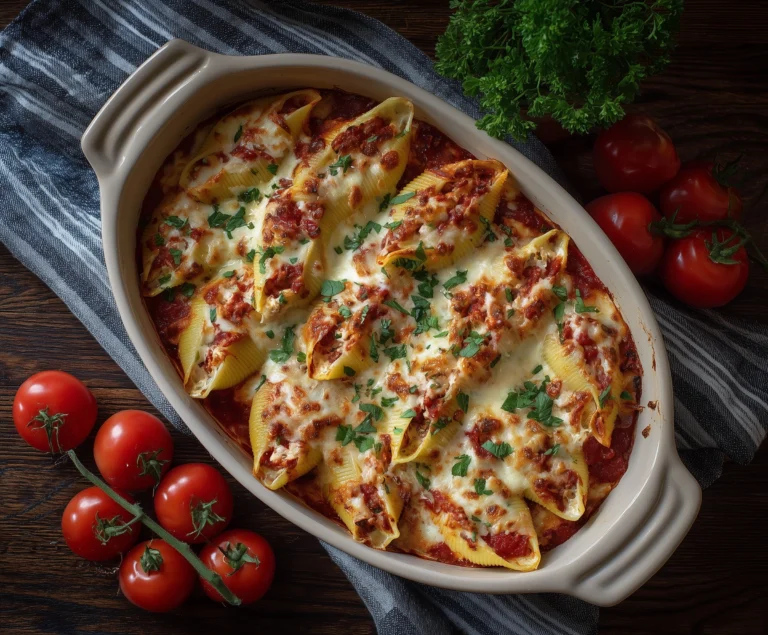

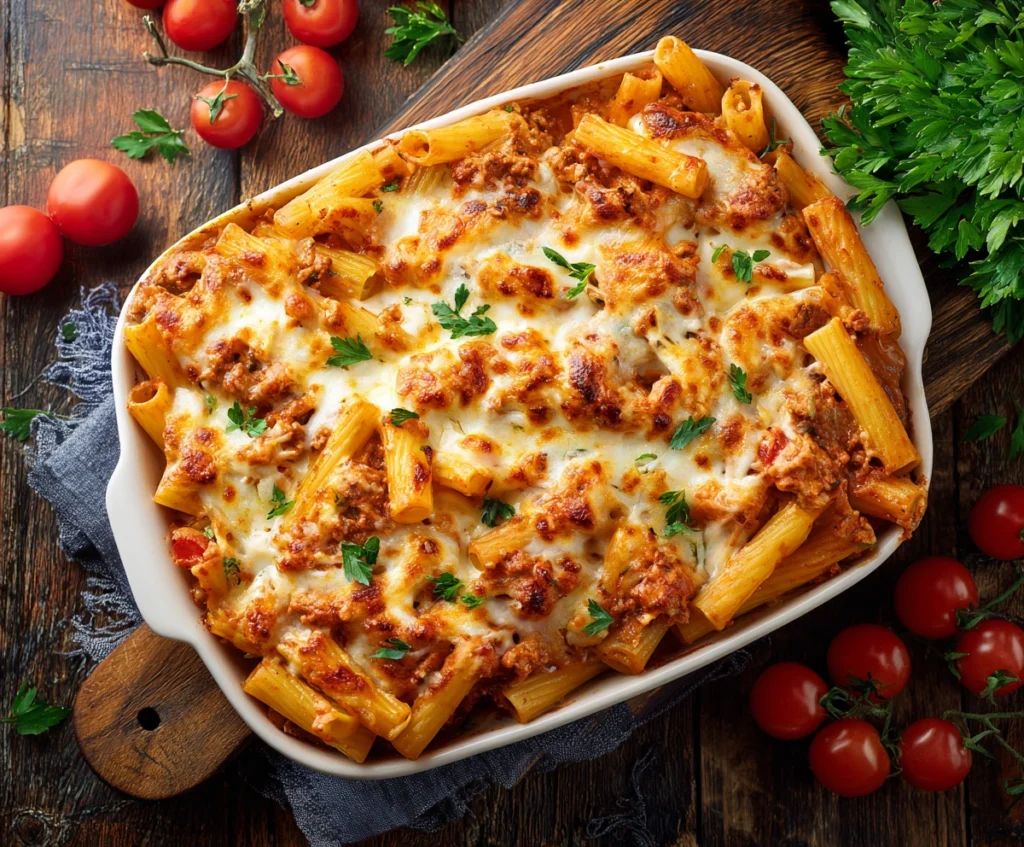
Baked Ziti with Perfect Cheese Melt
In my kitchen, baked ziti is never just pasta layered with sauce and cheese. It is a dish that depends on control, timing, and balance. I approach it with care, making sure the pasta holds its shape, the sauce carries depth, and the cheese melts into a smooth, unified layer rather than separating. When done properly, every bite feels structured, not heavy, and rich without becoming overwhelming. I pay close attention to how each component behaves during cooking, because small details define the final result. It is a reliable dish for both family meals and gatherings, yet it still reflects precision when executed correctly. A well made baked ziti should slice cleanly, hold its layers, and deliver consistency from the first portion to the last.
Where Most Baked Ziti Goes Wrong
From my experience, the most common issue begins with overcooked pasta. Many cooks boil ziti until it is fully soft, which causes it to break down during baking and lose structure. I have also seen sauces that are too thin, leading to excess moisture that weakens the layers. Another mistake is adding cheese without control, which can result in uneven melting or a greasy surface. Skipping proper layering turns the dish into a mixed casserole rather than a defined bake. Inconsistent seasoning in the sauce can leave parts of the dish lacking depth. These mistakes may appear minor, yet they significantly affect the final outcome, resulting in a dish that feels dense, overly soft, and lacking the balance expected from a properly executed baked ziti.
My Method for Structure and Even Melt
When I prepare baked ziti, I focus on building structure from the beginning. I cook the pasta just until slightly firm so it finishes cooking in the oven without becoming too soft. The sauce is reduced carefully until it thickens enough to coat the pasta without pooling. I layer the dish with intention, spreading each component evenly so no part feels overloaded. Cheese is added in balanced amounts to achieve a smooth melt that binds the layers together. I maintain steady oven heat to avoid drying out the dish. After baking, I always allow it to rest before serving, which helps the layers set and makes portioning easier. This approach consistently gives me a baked ziti that holds its shape and delivers a clean, balanced result.
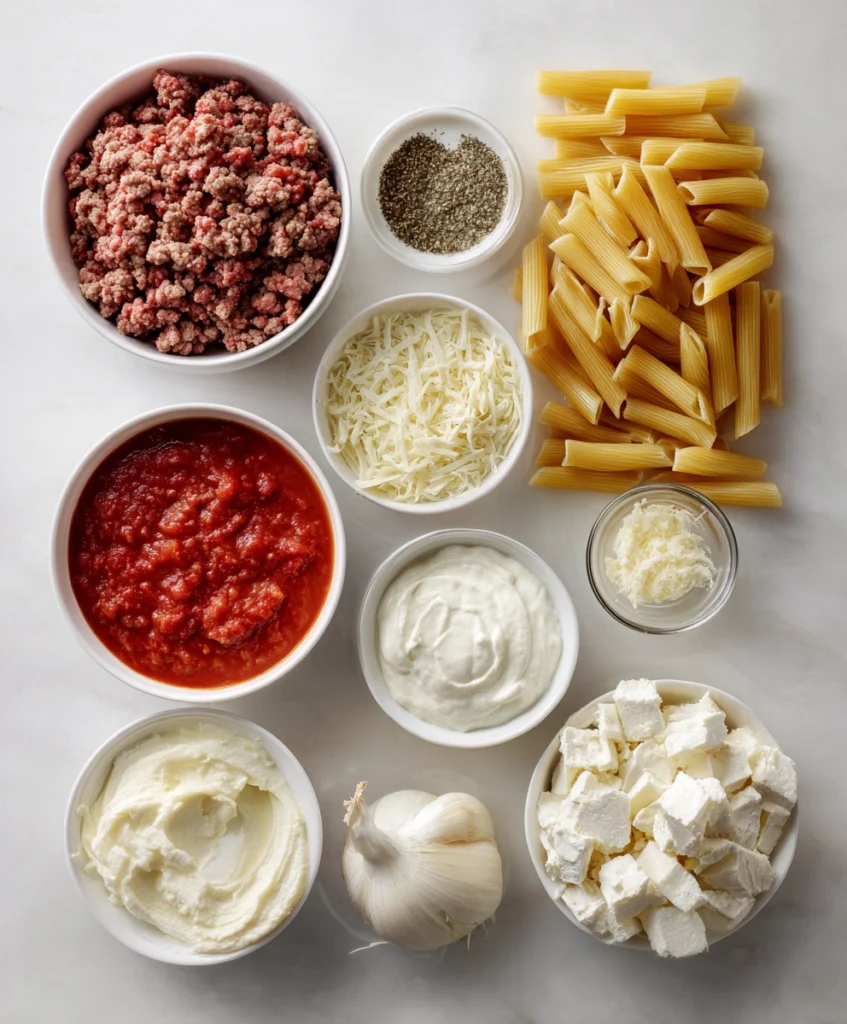
Ingredients List
Base Ingredients:
- 12 ounces ziti pasta
- 2 cups tomato sauce
- 1 pound ground beef
- 1 small onion finely chopped
- 2 cloves garlic minced
- 1 cup ricotta cheese
- 2 cups shredded mozzarella cheese
- 1 2 cup grated parmesan cheese
- Salt to taste
- Black pepper to taste
Optional Add-ins:
- 1 2 teaspoon dried oregano
- 1 2 teaspoon chili flakes
- 1 4 cup fresh basil chopped
- 1 2 cup cooked sausage
- 1 tablespoon olive oil
Step-by-Step Instructions
Step 1: Cooking the Pasta
I begin by bringing a large pot of salted water to a steady boil and adding the ziti. I cook it just until slightly firm, not fully soft, because it will continue cooking during baking. Stirring occasionally helps prevent sticking and ensures even cooking. Once ready, I drain it immediately and set it aside without rinsing, allowing it to retain starch that helps the sauce adhere. Controlling the pasta at this stage is essential, because overcooking will affect the entire dish. Properly prepared pasta maintains its shape and provides structure to the final bake, ensuring the layers remain defined and the texture feels balanced rather than heavy or overly soft.
Step 2: Preparing the Sauce
In a pan, I heat oil and cook the ground beef with chopped onion until browned and evenly broken down. Once most of the moisture evaporates, I add minced garlic and cook briefly to release its aroma. I then add tomato sauce and allow it to simmer until it thickens slightly. Salt and black pepper are adjusted carefully to maintain balance. I take my time with this step because the sauce must be rich and well reduced, not thin. A properly prepared sauce coats the pasta evenly without pooling at the bottom. This stage defines the depth of the dish, ensuring every bite carries consistent taste and texture without excess moisture weakening the structure.
Step 3: Mixing the Cheese Layer
For the cheese layer, I combine ricotta with a portion of mozzarella and parmesan, mixing until smooth. I ensure the texture is even so it spreads easily without forming lumps. This mixture adds richness while maintaining balance within the dish. Proper preparation here helps achieve a consistent melt during baking and prevents uneven pockets of cheese. I focus on keeping the mixture smooth and controlled so it integrates well with the pasta and sauce. This step plays a key role in creating a cohesive dish, where each layer blends naturally while still maintaining its structure and identity.
Step 4: Layering the Ziti
I begin layering by spreading a thin layer of sauce at the base of the baking dish. Then I add a portion of pasta, followed by the cheese mixture, repeating the process evenly. Each layer is placed with care to maintain balance and avoid overloading. I finish with a top layer of mozzarella and parmesan for a clean, even melt. Proper layering ensures the baked ziti holds together when served rather than collapsing. Attention to detail at this stage creates a structured dish that looks refined and delivers consistent texture in every portion.
Step 5: Baking and Resting
I bake the assembled ziti in a preheated oven until the top becomes lightly golden and the cheese melts evenly. I monitor closely to avoid overbaking, which can dry out the pasta. Once ready, I remove it and allow it to rest for several minutes. Resting is essential because it allows the layers to set, making it easier to serve clean portions. Serving immediately without resting can cause the dish to fall apart. This final step brings everything together, ensuring the baked ziti maintains its structure while delivering a smooth, rich finish.
Cook Time
Total: 45 minutes
Prep: 15 minutes
Bake: 30 minutes
Servings
In my kitchen, this baked ziti typically serves six to eight people, depending on portion size. I prefer moderate portions so the dish feels satisfying without becoming too heavy. Each serving should include balanced layers of pasta, sauce, and cheese, ensuring consistency throughout. I often pair it with a lighter side such as a fresh salad to balance the richness. Proper portioning helps maintain presentation and ensures every plate reflects the intended structure. Allowing the dish to rest before serving also improves portioning, as it helps the layers hold together. A well served baked ziti creates a more enjoyable and consistent dining experience.
Makes approximately 6 to 8 servings
Nutritional Information (approx. per serving)
- Calories: 420 to 480 kcal
- Protein: 22 g
- Fat: 20 g
- Carbohydrates: 40 g
- Fiber: 3 g
- Sodium: Moderate
From my perspective, this dish offers a balanced combination of protein and carbohydrates, making it suitable as a complete meal. The cheese adds richness and calcium, while the pasta provides steady energy. Pairing it with vegetables can improve overall balance. Proper portion control ensures it remains satisfying without excess, supporting a consistent and well rounded approach to meals.
Storage Instructions
After baking, I allow the ziti to cool completely before storing it. I place it in an airtight container and keep it refrigerated for up to three days. When reheating, I prefer using an oven at a low temperature to restore texture and ensure even heating. Covering the dish lightly helps retain moisture without making it soggy. If needed, a small amount of sauce can be added during reheating to refresh the dish. Freezing is also an option, though I recommend portioning it beforehand. Proper storage helps maintain both structure and taste, ensuring the dish remains enjoyable beyond the first serving.
Suggestions
In my experience, pairing baked ziti with lighter sides enhances the overall meal. Fresh vegetables or a simple salad create contrast with the rich layers. Adjusting seasoning slightly allows flexibility without changing the core structure. Preparing components ahead of time can make the cooking process more efficient, especially for gatherings. I also recommend allowing the dish to rest before serving, as it improves both texture and presentation. Small touches, such as adding fresh herbs on top, can elevate the final appearance. Attention to these details ensures the dish feels complete and thoughtfully prepared.
Seasonal Relevance
I find that baked ziti works especially well during cooler months when warm and hearty dishes are preferred. Its layered structure and rich texture provide comfort and depth, making it ideal for indoor meals. During warmer seasons, I serve smaller portions with lighter sides to maintain balance. Seasonal herbs or vegetables can be added for variation while keeping the base intact. Its flexibility allows it to remain relevant throughout the year, making it a dependable choice for different occasions. Adjusting presentation ensures it fits naturally into changing dining preferences.
Conclusion
In my kitchen, baked ziti represents the importance of precision and balance. Every step, from cooking the pasta to layering the dish, contributes to the final result. By focusing on structure and proper technique, I ensure the dish remains consistent and satisfying. Serving it warm after resting enhances both texture and presentation. With attention to detail, this recipe becomes a reliable option that delivers comfort and depth. It is a simple concept refined through careful execution, and that is what makes it stand out as a well prepared dish.
Frequently Asked Questions
Can I use a different type of pasta for this recipe?
Yes, I often use penne or similar shapes that hold sauce well. The key is choosing pasta that maintains structure during baking. Proper cooking time remains important to prevent it from becoming too soft.
How do I prevent the cheese from separating during baking?
I control heat and avoid overbaking. Using balanced amounts of cheese and layering it evenly helps achieve a smooth melt without releasing excess oil, keeping the texture consistent.
Can I prepare baked ziti ahead of time?
Yes, I frequently assemble it in advance and store it covered in the refrigerator. Baking it fresh ensures the best texture. Allowing it to sit briefly at room temperature before baking helps even cooking.
What is the best way to reheat baked ziti?
I prefer reheating it in the oven at low heat to maintain structure. Covering it lightly helps retain moisture while preventing the top from drying out, preserving both texture and taste.
Can I make a vegetarian version of this dish?
Yes, replacing meat with vegetables or plant based alternatives works well. I adjust seasoning and sauce consistency to maintain balance, ensuring the dish remains structured and satisfying without losing depth.
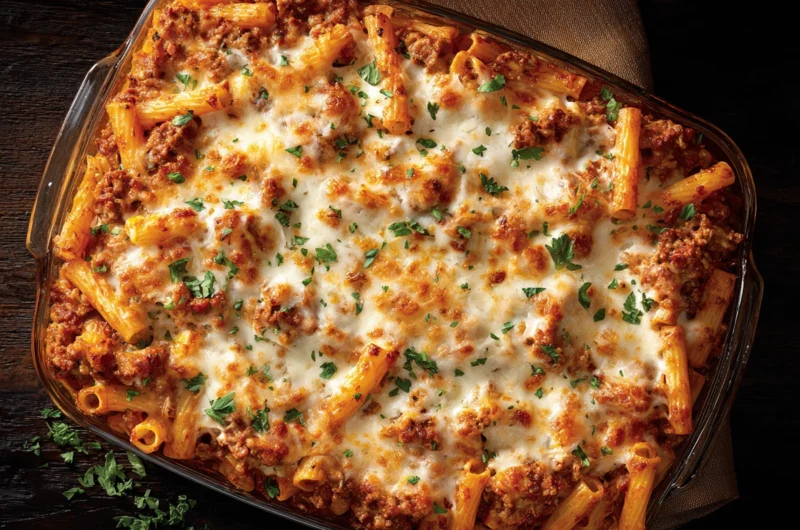
Baked Ziti with Perfect Cheese Melt
6-8
servings15
minutes30
minutes2500
kcal45
minutesA structured baked ziti dish with perfectly layered pasta, rich tomato meat sauce, and a smooth, even cheese melt. Designed for consistency and balance, this recipe delivers a firm yet tender texture where each portion holds its shape while remaining creamy and satisfying, making it ideal for family dinners or gatherings.
Ingredients
12 ounces ziti pasta
2 cups tomato sauce
1 pound ground beef
1 small onion finely chopped
2 cloves garlic minced
1 cup ricotta cheese
2 cups shredded mozzarella cheese
1 2 cup grated parmesan cheese
Salt to taste
Black pepper to taste
Directions
- Bring a large pot of salted water to a boil and cook the ziti until slightly firm, then drain without rinsing.
- In a pan, cook ground beef with chopped onion over medium heat until browned and most moisture evaporates.
- Add minced garlic and cook briefly, then stir in tomato sauce and simmer until slightly thickened.
- Season the sauce with salt and black pepper, mixing evenly.
- In a bowl, combine ricotta with part of the mozzarella and parmesan to create a smooth cheese mixture.
- Spread a thin layer of sauce in a baking dish, then add pasta, followed by cheese mixture, repeating in layers.
- Finish with a top layer of mozzarella and parmesan evenly spread.
- Bake in a preheated oven until the cheese melts and the top becomes lightly golden.
- Remove from oven and let it rest for a few minutes before serving.
Recipe Video
Notes
- Cook pasta slightly underdone to maintain structure during baking.
- Ensure the sauce is not too thin to avoid excess moisture in the dish.
- Let the baked ziti rest before serving to help layers set properly.
- Use even cheese distribution for a smooth melt and balanced texture.