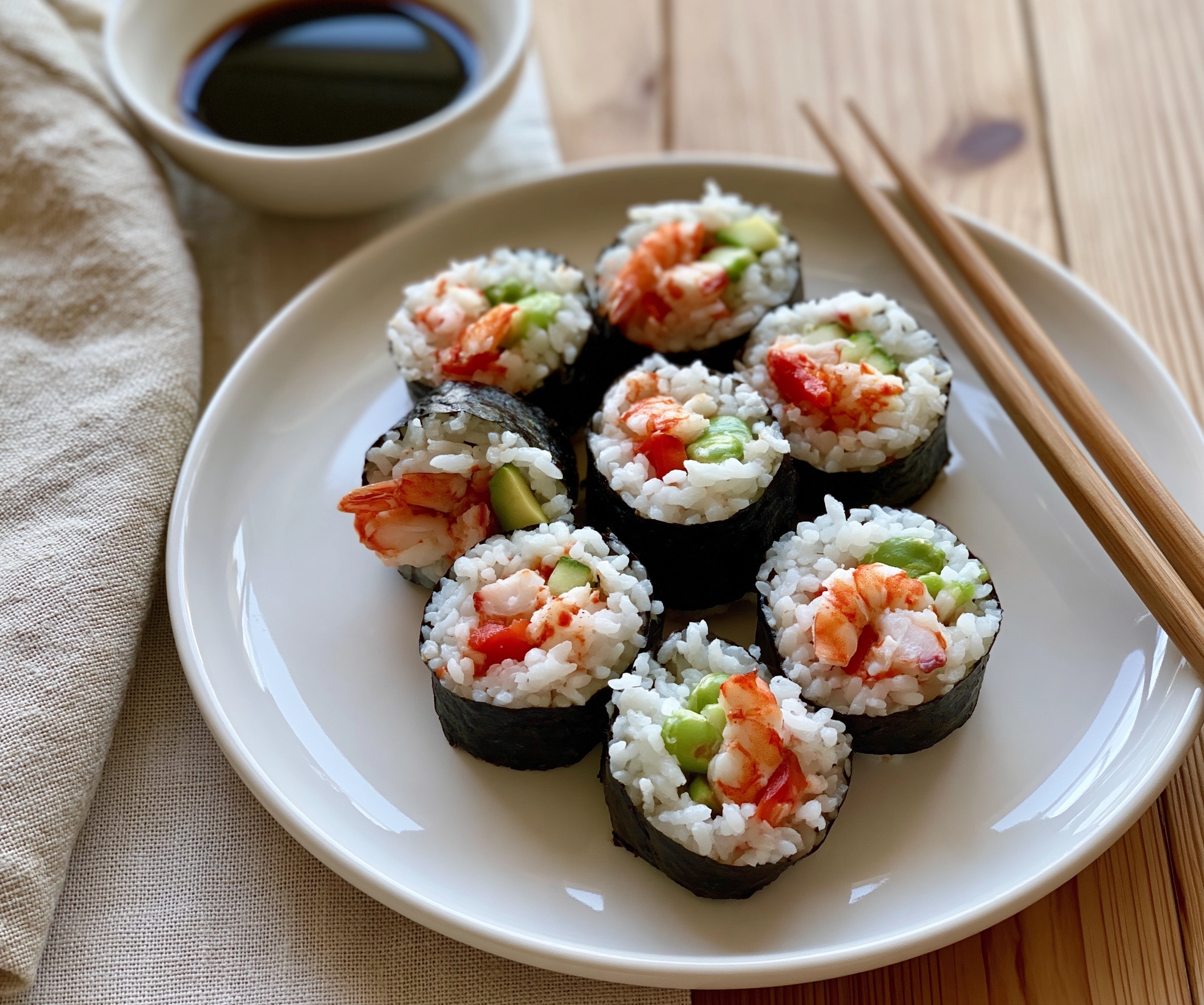
Homemade sushi may seem intimidating at first, but it is actually one of the most fun and rewarding meals you can make in your own kitchen. Once you learn the basics, you can create fresh, flavorful sushi rolls customized exactly to your taste. Whether you love classic salmon rolls, crunchy veggie sushi, or fully vegan options, homemade sushi allows endless creativity.
Making sushi at home is also more affordable than ordering from restaurants. You can prepare a variety of rolls using fresh ingredients while controlling the flavors, portions, and quality. It is a perfect activity for family dinners, date nights, meal prep, or even entertaining guests.
The best part is that you do not need professional sushi chef skills to get started. With the right rice, fresh fillings, and a simple rolling technique, anyone can make delicious sushi rolls at home.
Ingredients You’ll Need
Sushi Rice & Seasoning
The rice is the heart of good sushi. Properly seasoned sushi rice gives sushi its classic flavor and texture.
You will need:
- 2 cups sushi rice
- 2 ½ cups water
- ¼ cup rice vinegar
- 2 tablespoons sugar
- 1 teaspoon salt
Sushi rice is short-grain rice that becomes sticky after cooking, making it easier to shape and roll.
Fillings (Fish, Veggies, or Vegan Options)
One of the best things about homemade sushi is the variety of fillings you can use.
Popular Fish Options
- 200g sushi-grade salmon, thinly sliced
- 200g fresh tuna, thinly sliced
- 6 crab sticks, sliced into strips
- 150g cooked shrimp, peeled and deveined
Fresh Vegetable Fillings
- 1 medium cucumber, cut into thin strips
- 1 large avocado, sliced
- 1 medium carrot, julienned
- 1 small bell pepper, thinly sliced
- 2 green onions, chopped lengthwise
Vegan-Friendly Fillings
- 150g firm tofu, sliced into strips
- 1 ripe mango, thinly sliced
- 1 medium sweet potato, roasted and sliced
- ½ cup pickled vegetables
- 1 extra avocado, sliced for creamy texture
You can mix and match ingredients depending on your preferences.
Nori Sheets & Optional Toppings
- 5–6 nori sheets
- 1 tablespoon sesame seeds
- ¼ cup soy sauce for serving
- 2 tablespoons pickled ginger
- 1 teaspoon wasabi
- ¼ cup spicy mayo (optional)
- 2 tablespoons tempura flakes (optional)
Step-by-Step Instructions
Cook & Season Sushi Rice
Start by rinsing the sushi rice under cold water several times until the water becomes clear. This removes excess starch and helps create the perfect texture. Add the rice and water to a pot or rice cooker and cook according to package instructions. While the rice cooks, combine rice vinegar, sugar, and salt in a small bowl. Stir until dissolved.
Once the rice is cooked, transfer it to a large bowl and gently fold in the vinegar mixture. Let the rice cool slightly before using. Warm rice works best for rolling sushi. Avoid smashing the rice while mixing because this can make it mushy.
Prep Fillings
Slice all fillings into thin, even strips so they fit neatly inside the sushi rolls. For raw fish, always use sushi-grade fish from a trusted source. Keep fish refrigerated until ready to use.
If using tofu or cooked shrimp, pat them dry before rolling. Too much moisture can make sushi soggy. Prepare all ingredients before rolling because sushi assembly moves quickly once started.
Roll Sushi Properly
Place a bamboo sushi mat on a flat surface and cover it with plastic wrap if desired for easier cleanup. Lay one sheet of nori shiny-side down on the mat. Wet your hands lightly with water to prevent sticking, then spread a thin layer of sushi rice over the nori, leaving about one inch at the top edge uncovered. Arrange your fillings horizontally across the center of the rice.
Using the bamboo mat, carefully roll the sushi tightly away from you while gently pressing to shape the roll. Seal the edge with a little water. Do not overfill the roll because it can become difficult to close properly.
Slice & Serve
Use a very sharp knife dipped in water to cut the sushi roll into even bite-sized pieces. Clean the knife between cuts for neat slices. Serve immediately with soy sauce, pickled ginger, and wasabi.
Fresh sushi tastes best right after preparation.
Pro Tips for Perfect Homemade Sushi
Using high-quality ingredients makes a huge difference in flavor. Fresh vegetables and sushi-grade fish create the best results. Always keep a small bowl of water nearby while working with sushi rice. Wet hands prevent the rice from sticking.
Do not overload your sushi rolls with too many fillings. Simpler rolls are easier to shape and often taste better. A bamboo sushi mat helps create tighter, more professional-looking rolls. Sharp knives are essential for clean slices. A dull knife can crush the sushi roll.
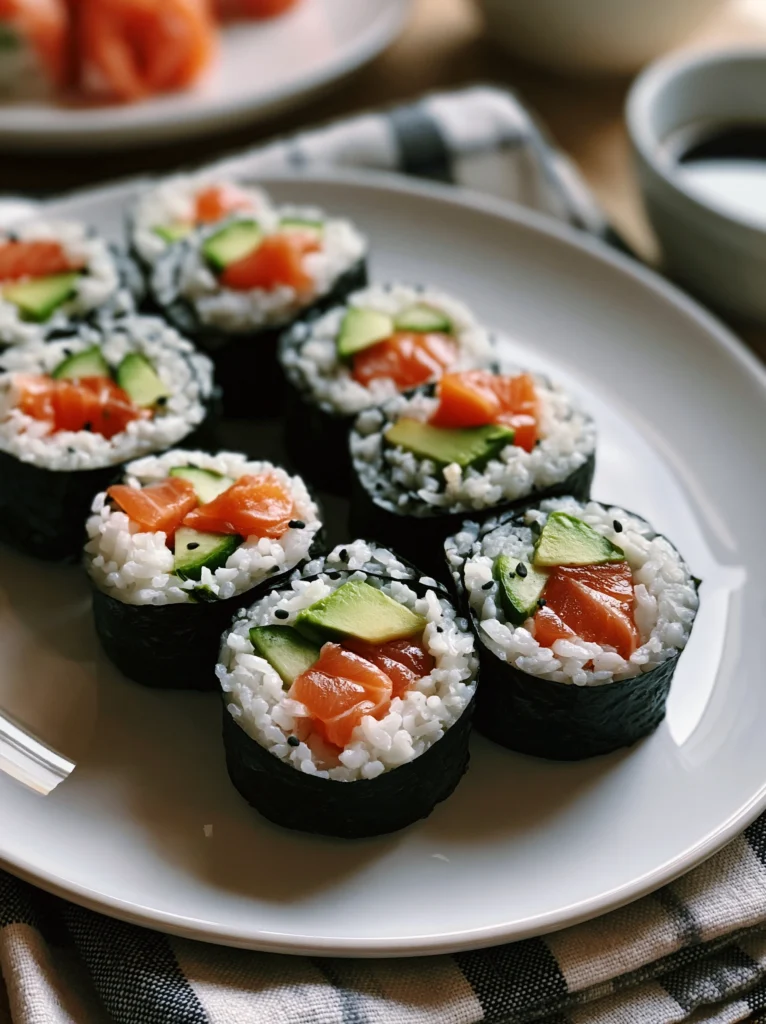
Chilling rolls for a few minutes before slicing can help them hold their shape better.
Variations to Try
Homemade sushi is incredibly versatile, and there are many creative versions to explore.
California Roll: Made with crab sticks, cucumber, and avocado, this is one of the easiest beginner sushi rolls.
Spicy Tuna Roll: Fresh tuna mixed with spicy mayo creates a creamy and flavorful filling.
Vegetarian Sushi Roll: Use cucumber, carrots, avocado, and bell peppers for a colorful veggie-packed roll.
Tempura Shrimp Roll: Crunchy fried shrimp adds delicious texture and flavor.
Philadelphia Roll: Cream cheese paired with smoked salmon creates a rich and creamy sushi roll.
Vegan Sweet Potato Roll: Roasted sweet potato with avocado creates a satisfying plant-based option.
Nutritional Benefits
Sushi can be a healthy and balanced meal depending on the ingredients used. Fish-based sushi provides protein and omega-3 fatty acids that support heart and brain health. Vegetable fillings add fiber, vitamins, minerals, and antioxidants.
Seaweed contains iodine and important nutrients that support thyroid function. Avocado contributes healthy fats that help keep you satisfied. Homemade sushi is often healthier than restaurant versions because you can control sodium, sauces, and portion sizes.
Using brown rice instead of white rice can increase fiber content for a more nutritious meal.
Serving Suggestions
Homemade sushi pairs well with many light and flavorful side dishes.
Serve sushi with:
- Miso soup
- Seaweed salad
- Edamame
- Asian cucumber salad
- Tempura vegetables
- Jasmine tea
- Green tea
For a sushi party, create a platter with several different roll varieties so guests can try multiple flavors. Adding dipping sauces like spicy mayo or eel sauce can elevate the overall experience.
Storage & Leftover Tips
Sushi is best enjoyed fresh, but leftovers can still be stored properly. Place leftover sushi in an airtight container and refrigerate immediately. Consume within 24 hours for the best taste and texture, especially if using raw fish. Avoid freezing sushi because the rice texture changes significantly after thawing.
If storing vegetable sushi rolls, place a paper towel inside the container to absorb extra moisture.
Rice tends to harden in the refrigerator, so allow sushi to sit at room temperature for a few minutes before eating leftovers.
Conclusion
Making sushi at home is easier than many people think. With fresh ingredients, properly seasoned rice, and a little practice, you can create restaurant-style sushi rolls right in your kitchen. Homemade sushi is fun, customizable, and perfect for everything from casual dinners to special occasions.
Whether you prefer classic fish rolls, vegetarian combinations, or creative vegan sushi, the possibilities are endless. Once you master the basics, you can experiment with new flavors, fillings, and toppings to create your own signature sushi rolls.
Homemade sushi not only tastes fresh and delicious, but it also turns cooking into a creative and enjoyable experience that everyone can share.
