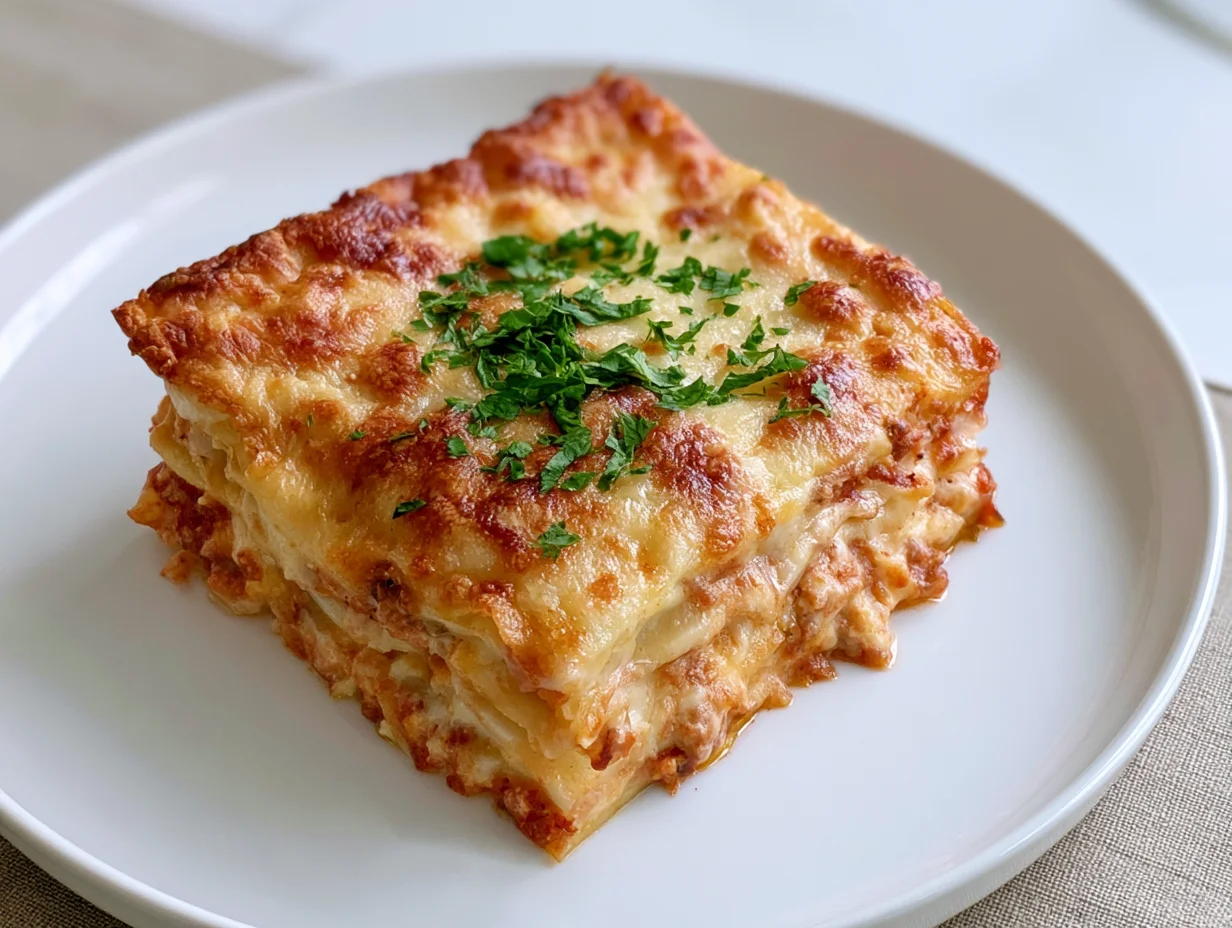
Hearty Vegetarian Lasagna Recipe
There are dishes that do more than feed you — they pull a chair up to the table and stay a while. This vegetarian lasagna is one of them. Layered with roasted vegetables, a deeply seasoned tomato sauce, and three kinds of cheese, it delivers every bit of the comfort you’d expect from a classic lasagna, without a single piece of meat in sight.
What makes this recipe stand out isn’t just the ingredients — it’s the method. Each layer is built with intention. The vegetables are roasted first, not sautéed, which concentrates their flavor and gives the whole dish a richness that surprises even the most dedicated carnivores at the table.
This is the kind of meal that works equally well for a quiet Sunday dinner or a table full of guests. It holds beautifully, reheats like a dream, and somehow tastes even better the next day when all those flavors have had time to settle into one another.
If you’ve ever felt like vegetarian food had to compromise on depth or satisfaction, this recipe will change your mind completely. Make it once, and it will earn a permanent place in your kitchen rotation.
Ingredients You’ll Need
Every great lasagna starts before you even turn on the oven — it starts with what you choose to put in it. Here, every ingredient earns its place, pulling weight in flavor, texture, or both.
One of the things I love about this recipe is that it uses simple pantry ingredients. You probably already have most of them in your kitchen.
Base Ingredients:
- 12 lasagna noodles, oven-ready or boiled al dente
- 2 cups marinara sauce, store-bought or homemade
- 1 can (28 oz) crushed tomatoes
- 2 tablespoons olive oil
- 1 medium zucchini, diced
- 1 medium yellow squash, diced
- 1 red bell pepper, diced
- 1 cup baby spinach, loosely packed
- 1 cup cremini mushrooms, sliced
- 3 garlic cloves, minced
- 1 teaspoon dried oregano
- 1 teaspoon dried basil
- ½ teaspoon red pepper flakes
- Salt and black pepper to taste
- 15 oz whole milk ricotta cheese
- 1 large egg
- 2 cups shredded mozzarella cheese
- ½ cup grated Parmesan cheese
Optional Add-ins:
- ½ cup sun-dried tomatoes, chopped
- 1 cup canned lentils, drained and rinsed
- ¼ teaspoon nutmeg, added to ricotta for depth
- 1 cup cottage cheese, mixed with ricotta for a lighter layer
- ½ cup fresh basil leaves, layered between sheets
- 1 tablespoon balsamic vinegar, stirred into the tomato sauce
Step-by-Step Instructions
Step 1: Roast the Vegetables
Preheat your oven to 425°F (220°C). Spread the diced zucchini, yellow squash, red bell pepper, and sliced mushrooms on a large baking sheet in a single layer. Drizzle with olive oil, season generously with salt, pepper, and dried oregano, and toss to coat. Roast for 20 to 22 minutes until the edges are caramelized and the vegetables are tender. Remove from the oven and set aside. Roasting — rather than sautéing — pulls out a natural sweetness and concentrates the flavor in a way that defines this entire dish.
Step 2: Build the Tomato Sauce
In a medium saucepan over medium heat, warm a drizzle of olive oil and sauté the minced garlic for about 60 seconds until fragrant. Add the crushed tomatoes, marinara sauce, dried basil, red pepper flakes, and a pinch of salt. Stir everything together and let the sauce simmer on low heat for 12 to 15 minutes, stirring occasionally. The goal is a sauce that’s thick enough to hold between the layers without becoming watery. Taste and adjust seasoning. If you’re using balsamic vinegar, add it here and let it cook for another two minutes.
Step 3: Prepare the Ricotta Mixture
In a medium mixing bowl, combine the ricotta cheese, egg, a good pinch of salt, and freshly cracked black pepper. Stir until smooth and well blended. If you’re adding nutmeg or mixing in cottage cheese, do it at this stage. The egg acts as a binder and helps the ricotta layer set firmly during baking, giving you those clean, defined slices once the lasagna comes out of the oven. Add a small handful of baby spinach directly into the mixture and fold it in — it wilts beautifully into the layer as it bakes.
Step 4: Layer the Lasagna
Reduce the oven temperature to 375°F (190°C). In a 9×13-inch baking dish, spread a thin layer of tomato sauce across the bottom to prevent sticking. Add a layer of lasagna noodles, followed by half the ricotta mixture, half the roasted vegetables, a layer of sauce, and a generous handful of mozzarella. Repeat the layers — noodles, ricotta, vegetables, sauce, mozzarella — and finish with a final layer of noodles topped with the remaining sauce. Crown the top with mozzarella and an even dusting of Parmesan cheese.
Step 5: Bake to Perfection
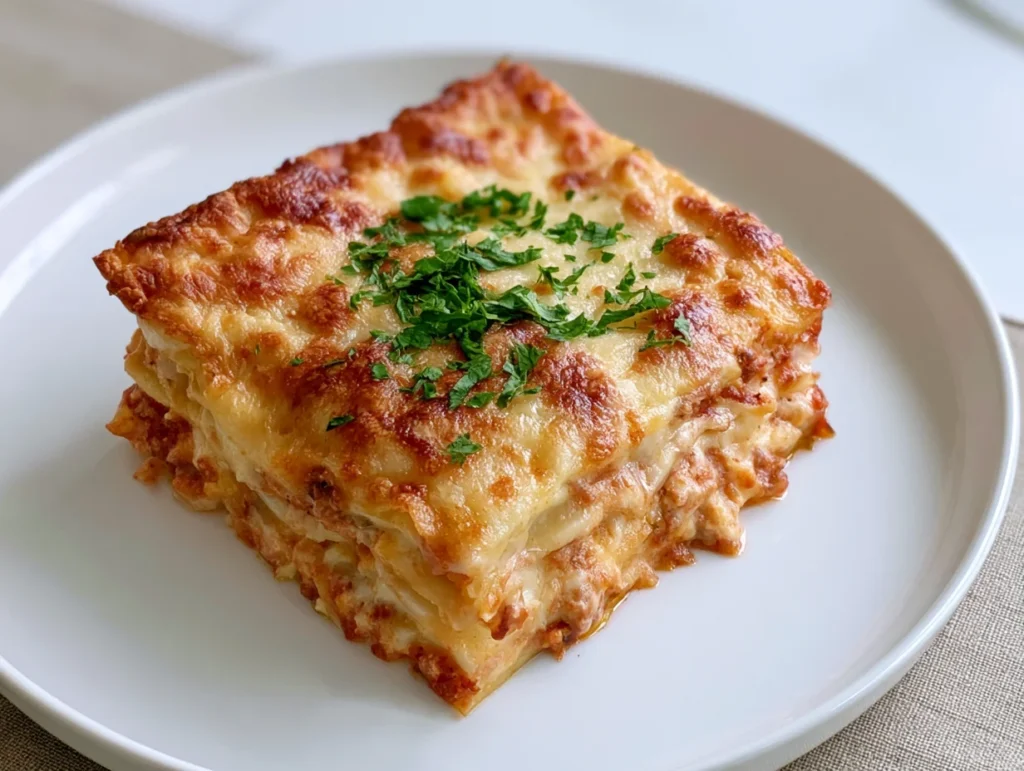
Cover the baking dish tightly with aluminum foil and bake at 375°F for 35 minutes. Then remove the foil and continue baking for another 15 to 20 minutes until the top is golden, bubbling, and slightly browned at the edges. The Parmesan on top will develop a lightly crisp, savory crust that makes every slice irresistible. Once out of the oven, let the lasagna rest uncovered for at least 15 minutes before cutting. This resting period is not optional — it allows the layers to firm up so you get clean, gorgeous slices instead of a melted heap.
Cook Time
Total:
Approximately 1 hour 25 minutes, including roasting time and resting.
Prep:
20 to 25 minutes (roasting vegetables and assembling layers).
Bake:
50 to 55 minutes (35 minutes covered, 15 to 20 minutes uncovered).
Servings
This recipe is designed to generously feed a hungry table. Built in a standard 9×13-inch baking dish, it produces thick, deeply layered slices that hold their shape and satisfy even the most substantial appetites. It’s the kind of dish that works beautifully as a centerpiece, needing very little on the side to complete the meal.
Makes approximately 8 to 10 servings, depending on how large you cut each slice. For a casual weeknight dinner for four, you’ll have at least two days of leftovers — which, if anything, is a bonus with lasagna. For entertaining, it feeds a full dinner table with ease.
If you’re scaling up for a larger gathering, the recipe doubles well. Use two baking dishes and adjust the baking time by five minutes to account for the increased oven load. Alternatively, prepare one pan a day ahead and refrigerate it unbaked, then pop it in the oven while your guests arrive.
Common Mistakes in This Recipe
One of the most common errors home cooks make is skipping the roasting step and tossing raw vegetables straight into the layers. Raw vegetables release a significant amount of moisture during baking, which makes the lasagna watery, loosens the layers, and dilutes the flavor of the sauce.
Another frequent mistake is over-saucing each layer. It might seem like more sauce means more flavor, but excess sauce prevents the noodles from setting properly and causes the lasagna to slide apart when sliced. Each layer should be lightly and evenly sauced.
Many recipes skip the resting step, and it costs them dearly. Cutting into a lasagna straight out of the oven is one of the most common reasons a beautiful dish collapses into a messy pile on the plate. The resting time isn’t passive — it’s structurally necessary.
Finally, using low-moisture or pre-shredded mozzarella without consideration can lead to an oily, greasy top layer. Pre-shredded cheeses are often coated in starches that affect how they melt, and low-moisture mozzarella can separate into grease when overbaked.
Solutions to Common Mistakes
The fix for watery lasagna is simple: always roast your vegetables first. A hot oven and a wide baking sheet are all you need. The goal is evaporation — you want the moisture to leave the vegetables before they ever enter the dish.
For layering, use a light hand with the sauce. Think of it as coating rather than flooding. A thin, even layer between each sheet of noodles is exactly what you need. If your sauce feels too thin, let it simmer an additional five minutes to thicken before assembling.
Always plan for a minimum 15-minute rest after baking. Cover the dish loosely with foil to keep the top warm while the interior firms up. This single step is what separates a clean restaurant-style slice from a collapsed portion.
For cheese, use freshly shredded whole-milk mozzarella whenever possible. It melts more evenly and produces a creamy, golden top without excess grease. If you’re concerned about the top browning too fast, keep the foil on for the first 35 minutes and only uncover for the final browning stage.
Nutritional Information (approx. per serving)
- Calories: 380 kcal
- Protein: 18g
- Total Fat: 15g
- Saturated Fat: 7g
- Carbohydrates: 42g
- Dietary Fiber: 5g
- Sugars: 8g
- Sodium: 520mg
- Calcium: 280mg
- Iron: 3.2mg
- Vitamin C: 22mg
- Vitamin A: 640 IU
The vegetables in this lasagna — zucchini, bell pepper, mushrooms, and spinach — contribute meaningful amounts of vitamins C and A, both of which support immune function and skin health. Bell peppers alone are among the most vitamin C-rich foods available, and they retain much of that nutrition even after roasting.
Ricotta and mozzarella together provide a solid hit of calcium and protein with each serving. For a vegetarian meal, this lasagna holds its own nutritionally, offering 18 grams of protein per slice, which supports muscle maintenance and keeps you full far longer than lighter alternatives.
Mushrooms add more than texture — they’re one of the few plant-based sources of ergothioneine, an antioxidant associated with cellular protection. Combined with tomatoes, which are rich in lycopene, this dish has a genuinely functional nutritional profile beneath its comforting surface.
The fiber content from vegetables and whole tomatoes also supports healthy digestion and helps regulate blood sugar. At roughly 380 calories per generous serving, this lasagna fits comfortably into a balanced diet without requiring any compromise on satisfaction or flavor.
Storage Instructions
Once the lasagna has cooled completely to room temperature, transfer any leftovers to an airtight container or cover the baking dish tightly with plastic wrap or foil. Refrigerate within two hours of baking. Properly stored, it will keep well in the refrigerator for up to 4 days.
For longer storage, lasagna freezes exceptionally well. Slice it into individual portions before freezing, wrapping each piece tightly in plastic wrap and then in foil or placing them in freezer-safe containers. Frozen lasagna keeps its quality for up to 3 months. Label each portion with the date so you always know what you’re reaching for.
To reheat from the refrigerator, place the portion in an oven-safe dish, cover with foil, and warm at 350°F (175°C) for 20 to 25 minutes. For a single serving, the microwave works fine — cover with a damp paper towel and heat in 90-second intervals until warmed through. Avoid overheating, which can dry out the cheese layer.
Reheating from frozen is best done in the oven. Thaw the portion overnight in the refrigerator, then reheat as above. If reheating directly from frozen, increase the covered baking time to 45 to 50 minutes, then uncover for the final 10 minutes to restore the top texture.
Suggestions
This lasagna pairs beautifully with a simple green salad dressed in lemon vinaigrette. The brightness of the citrus cuts right through the richness of the cheese and sauce, keeping each bite feeling fresh. Arugula, shaved fennel, and a handful of toasted pine nuts work especially well alongside this dish.
A warm loaf of crusty bread or garlic focaccia on the table makes the meal feel complete without requiring additional effort. Use it to scoop up any sauce that escapes the slice, which is genuinely one of the best parts of serving lasagna at the table.
If you’re entertaining, consider a light sparkling water with citrus or a dry Italian red wine for those who drink. The acidity in both options complements the tomato base of the lasagna and refreshes the palate between bites without overpowering the vegetables.
For a variation, try swapping the ricotta layer with a homemade béchamel sauce. Melt two tablespoons of butter, whisk in two tablespoons of flour, add two cups of warm milk gradually, and season with salt, pepper, and nutmeg. It creates a creamier, more indulgent version of this same recipe and gives the lasagna a slightly different character entirely.
Seasonal Relevance
Though lasagna is firmly planted in the comfort food category — and rightly so — this vegetarian version adapts beautifully to what’s available in each season. In spring, you can swap zucchini for fresh asparagus and add peas to the vegetable layer. The result is lighter, brighter, and perfectly suited to the season.
In summer, when gardens and farmers markets are overflowing, this recipe becomes a vehicle for peak-season produce. Cherry tomatoes halved and roasted, thin ribbons of summer squash, and fresh basil layered between sheets of pasta transform this into something that feels almost too good to be a make-ahead casserole.
Autumn brings its own opportunities. Roasted butternut squash, caramelized onions, and a whisper of sage in the ricotta turn this into a deeply warming, seasonal dish that feels entirely different from its summer counterpart. A layer of wilted kale instead of spinach adds color and earthly depth.
In winter, this is the dish you want in the oven. Hearty, warming, and built for a cold evening, it makes use of pantry staples when fresh produce is limited. Root vegetables like parsnips or roasted carrots hold up beautifully in the layers, and the slow bake fills the kitchen with an aroma that makes the whole house feel welcoming.
Final Words
Vegetarian cooking at its best isn’t about substitution — it’s about leading with flavor, treating ingredients with respect, and building dishes that stand entirely on their own merits. This lasagna does exactly that. It doesn’t ask you to pretend it’s something else. It simply asks you to sit down and enjoy it.
If there’s one thing I hope you take from this recipe, it’s the confidence that meals without meat can carry just as much depth, richness, and soul as anything else on your table. The roasted vegetables, the layered cheese, the slow-simmered sauce — every element here is deliberate and purposeful.
Don’t be intimidated by the steps. Each one is straightforward, and the assembly becomes intuitive after the first time you make it. The real secret is patience: roast the vegetables properly, let the sauce reduce, and rest the lasagna before you cut it. Those three things alone will make the difference between good and genuinely memorable.
Whether you’re cooking for yourself, your family, or a table full of guests, this recipe is worth your time and your appetite. Make it on a slow Sunday. Share it on a Tuesday just because. It will reward you every single time.
Frequently Asked Questions
Can I make this lasagna ahead of time and bake it the next day?
Absolutely. Assemble the lasagna completely, cover it tightly with foil, and refrigerate for up to 24 hours before baking. When ready, add 10 extra minutes to the covered baking time to account for the cold start. The flavors actually deepen overnight, making it an ideal make-ahead dish.
Can I use no-boil lasagna noodles, and do they change the texture?
Yes, oven-ready noodles work well here. They absorb moisture from the sauce as they bake, so make sure each layer has adequate coverage. The texture is slightly softer than traditionally boiled noodles but still holds its structure well. Avoid under-saucing the layers, as the noodles need that moisture to cook through properly.
How do I prevent the top layer from drying out or burning?
Cover the dish with foil for the first 35 minutes of baking, which traps steam and keeps the top layer moist. Remove the foil only for the final 15 to 20 minutes to allow browning. If the top is browning too quickly, re-cover loosely with foil and continue baking until heated through.
Hearty Vegetarian Lasagna Recipe
8
servings25
minutes55
minutes380
kcal1
hour20
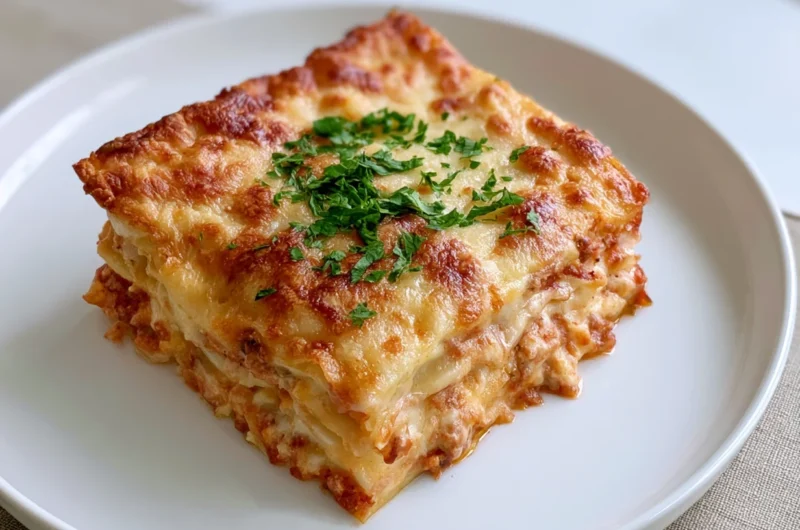
minutesA deeply layered vegetarian lasagna built with roasted vegetables, three-cheese filling, and slow-simmered tomato sauce. Rich, satisfying, and built entirely on flavor — no meat needed to make this the most comforting dish on your table.
Ingredients
12 lasagna noodles, oven-ready or boiled al dente
2 cups marinara sauce
1 crushed tomatoes (28 oz can)
2 tablespoons olive oil
1 medium zucchini, diced
1 medium yellow squash, diced
1 red bell pepper, diced
1 cups baby spinach, loosely packed
1 cups cremini mushrooms, sliced
3 garlic cloves, minced
1 teaspoons dried oregano
1 teaspoons dried basil
0.5 teaspoons red pepper flakes
15 ounces whole milk ricotta cheese
1 large egg
2 cups shredded mozzarella cheese
0.5 cups grated Parmesan cheese
0.5 cups sun-dried tomatoes, chopped (optional)
1 cups canned lentils, drained and rinsed (optional)
0.3 teaspoons nutmeg, added to ricotta (optional)
0.5 cups fresh basil leaves, for layering (optional)
1 tablespoons balsamic vinegar, stirred into sauce (optional)
Directions
- Roast the Vegetables: Preheat oven to 425°F (220°C). Spread 1 medium zucchini, diced, 1 medium yellow squash, diced, 1 red bell pepper, diced, and 1 cups cremini mushrooms, sliced on a large baking sheet in a single layer. Drizzle with 2 tablespoons olive oil, season with salt, pepper, and 1 teaspoons dried oregano, then toss to coat. Roast for 20 to 22 minutes until edges are caramelized and vegetables are tender. Remove from oven and set aside.
- Build the Tomato Sauce: In a medium saucepan over medium heat, warm a drizzle of 2 tablespoons olive oil and sauté 3 garlic cloves, minced for 15 minute until fragrant. Add 1 crushed tomatoes (28 oz can), 2 cups marinara sauce, 1 teaspoons dried basil, 0.5 teaspoons red pepper flakes, and a pinch of salt. Stir and simmer on low heat for 12 to 15 minutes until thick enough to hold between layers. Stir in 1 tablespoons balsamic vinegar, stirred into sauce (optional) if using and cook 2 more minutes.
- Prepare the Ricotta Mixture: In a mixing bowl, combine 15 ounces whole milk ricotta cheese, 1 large egg, salt, black pepper, and 0.3 teaspoons nutmeg, added to ricotta (optional) if using. Stir until smooth. Fold in 1 cups baby spinach, loosely packed directly into the mixture. If using cottage cheese as a substitute, mix it in at this stage. The egg binds the layer so it sets firmly during baking for clean, defined slices.
- Layer the Lasagna: Reduce oven to 375°F (190°C). Spread a thin layer of tomato sauce on the bottom of a 9×13-inch baking dish. Layer: noodles → half the ricotta mixture → half the roasted vegetables → sauce → 2 cups shredded mozzarella cheese. Repeat layers. Finish with a final layer of 12 lasagna noodles, oven-ready or boiled al dente, remaining sauce, 2 cups shredded mozzarella cheese, and an even dusting of 0.5 cups grated Parmesan cheese on top.
- Bake to Perfection: Cover the dish tightly with aluminum foil and bake at 375°F for 55 minutes. Remove foil and bake for another 15 to 20 minutes until the top is golden, bubbling, and lightly browned at the edges. The Parmesan crust should look set and slightly crisp.
- Rest Before Serving: Remove from oven and let the lasagna rest uncovered for at least 15 minutes before cutting. This allows the layers to firm up completely, giving you clean, beautiful slices rather than a collapsed portion. Garnish with fresh basil leaves if desired and serve warm.
Recipe Video
Notes
- Always roast vegetables before layering — raw vegetables release excess moisture and make the lasagna watery.
- Use freshly shredded whole-milk mozzarella for the best melt and a creamy, non-greasy top layer.
- Do not skip the 15-minute resting time after baking — it is essential for clean, firm slices.
- Light and even sauce layers work best; over-saucing loosens the structure and prevents the noodles from setting.
- If using no-boil noodles, ensure every layer has adequate sauce coverage so the noodles cook through properly.
- For a make-ahead option, assemble the lasagna, cover tightly, and refrigerate up to 24 hours before baking. Add 10 extra minutes to the covered bake time.
- Leftovers keep in the refrigerator for up to 4 days and freeze well for up to 3 months.
- Individual frozen portions reheat best in the oven at 350°F, covered with foil for 20 to 25 minutes.