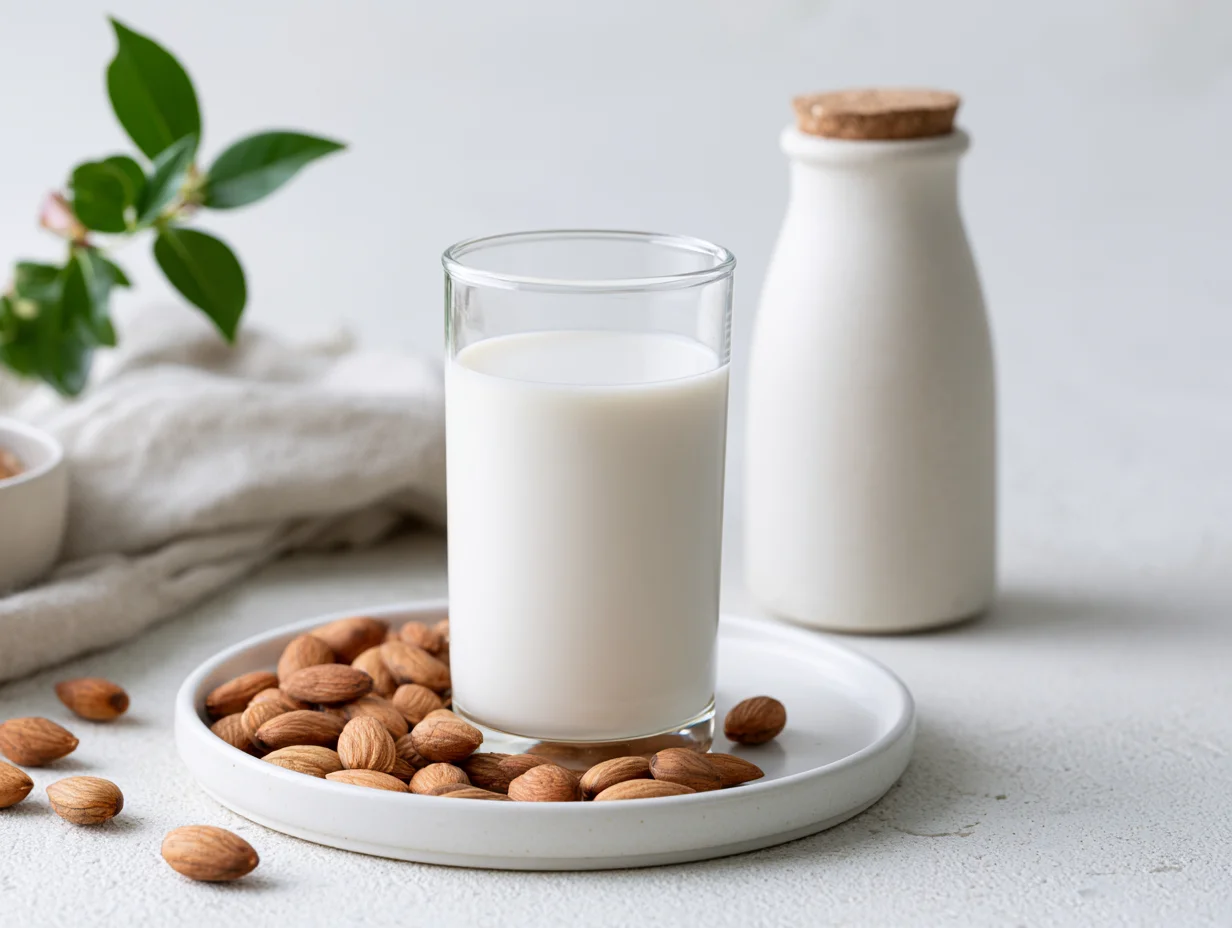
Fresh homemade almond milk delivers a level of flavor, texture, and purity that most store-bought versions simply cannot match. Smooth, creamy, and naturally nutty, this dairy-free milk alternative has become a staple in healthy kitchens because it is versatile, affordable, and made with clean ingredients you can fully control.
Unlike many packaged almond milk brands loaded with gums, preservatives, and added sugars, homemade almond milk offers a fresher taste and a lighter, silkier texture. It blends beautifully into smoothies, coffee, overnight oats, cereal, baking recipes, and healthy breakfast drinks.
One of the biggest advantages of making almond milk at home is how surprisingly simple the process is. With only a few ingredients and minimal preparation, you can create a nutrient-rich plant-based milk that tastes significantly better than commercial alternatives.
If you are looking for a healthy homemade beverage recipe, dairy-free milk alternative, or vegan kitchen staple that supports meal prep and clean eating, this homemade almond milk recipe is practical, nourishing, and genuinely worth making regularly.
Ingredients You’ll Need
What makes homemade almond milk so rewarding is how a handful of simple ingredients transforms into a fresh, creamy dairy-free drink with premium flavor and endless everyday uses.
Base Ingredients:
- 1 cup raw almonds
- 4 cups filtered water
- 2 pitted Medjool dates
- 1 teaspoon pure vanilla extract
- 1/8 teaspoon sea salt
Optional Add-ins:
- 1 tablespoon cocoa powder
- 1/2 teaspoon cinnamon
- 1 tablespoon maple syrup
- 1 tablespoon chia seeds
- 1/4 teaspoon nutmeg
- 1 scoop vanilla protein powder
Step-by-Step Instructions
Soak the Almonds Properly
Place the raw almonds into a large bowl and cover them completely with cool water. Allow the almonds to soak overnight or for at least 8 hours to soften their texture naturally.
Soaking helps create smoother almond milk while improving blendability and reducing bitterness. After soaking, drain the almonds thoroughly and rinse them well under cold water. The almonds should feel plump and softer after soaking. Skipping this step can lead to grainy texture and weaker flavor, so proper soaking is essential for achieving creamy homemade almond milk.
Blend Until Smooth and Creamy
Add the soaked almonds, filtered water, dates, vanilla extract, and sea salt into a high-speed blender. Blend on high power for approximately 1 to 2 minutes until the mixture becomes smooth, creamy, and evenly combined.
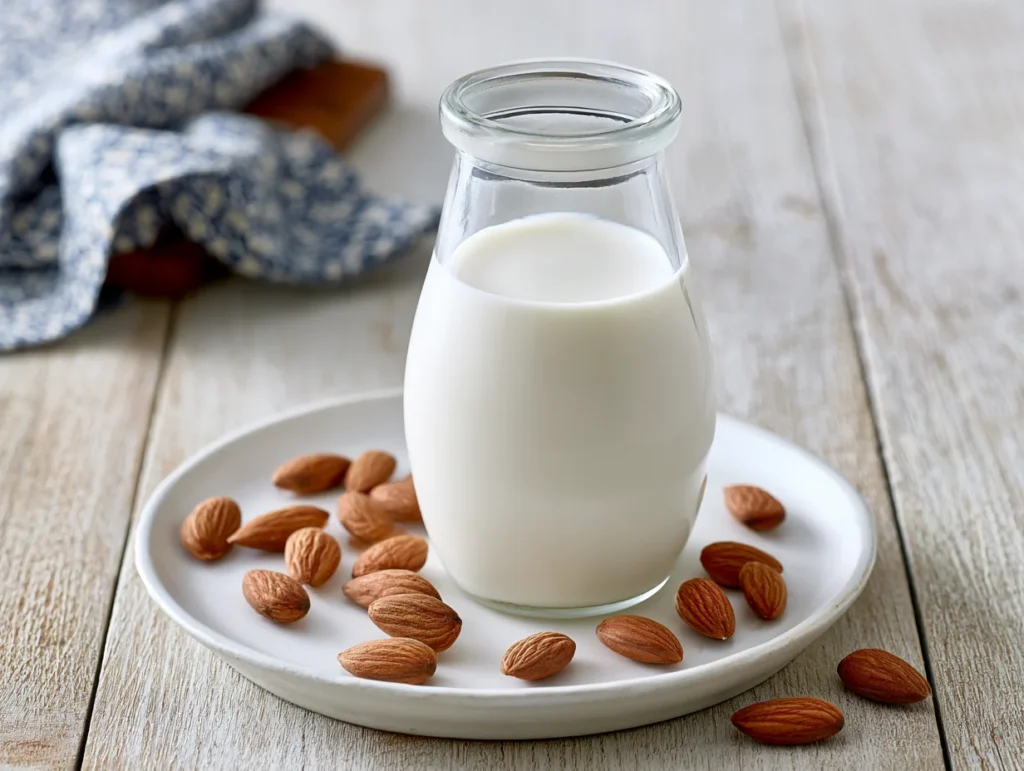
The liquid should appear bright white with a rich consistency and visible froth on top. If adding optional ingredients like cocoa powder, cinnamon, or protein powder, include them during blending for even distribution. High-speed blending extracts maximum flavor and creates a smoother milk texture with better overall consistency.
Strain the Almond Milk
Place a nut milk bag, cheesecloth, or fine mesh strainer over a large bowl or pitcher. Slowly pour the blended mixture through the strainer to separate the almond pulp from the milk.
Gently squeeze or press the pulp to extract as much liquid as possible without forcing large particles through the cloth. Proper straining creates a silky texture similar to premium store-bought almond milk. The remaining almond pulp can also be saved for smoothies, oatmeal, muffins, or homemade energy bites instead of being discarded.
Chill and Serve Fresh
Transfer the strained almond milk into a sealed glass jar or bottle and refrigerate immediately. Chilling improves flavor, texture, and freshness while allowing the milk to settle properly.
Shake the almond milk before each use because natural separation may occur during storage. Serve chilled in smoothies, coffee drinks, cereal bowls, protein shakes, overnight oats, or healthy breakfast recipes. Fresh homemade almond milk delivers the best flavor within the first few days while maintaining a clean and creamy texture.
Cook Time
Total:
10 minutes plus soaking time
Prep:
10 minutes
Bake:
0 minutes
Servings
This recipe makes approximately 4 cups of homemade almond milk, depending on the amount of water used and how thoroughly the almond pulp is strained.
The recipe is ideal for weekly meal prep because the almond milk works beautifully in smoothies, coffee drinks, baking recipes, oatmeal, and healthy breakfast routines throughout the week.
For larger households or frequent use, the recipe can easily be doubled while maintaining the same preparation method. Homemade almond milk remains one of the most cost-effective and customizable dairy-free alternatives available.
Common Mistakes in This Recipe
One common mistake is skipping the almond soaking process. Unsoaked almonds create grainy almond milk with weaker flavor and less creamy consistency.
Another issue is adding too much water during blending. Excess water can dilute the milk and reduce its naturally rich nutty flavor significantly.
Some people fail to strain the mixture properly, leaving behind excess pulp that affects texture and creates gritty almond milk.
Using low-quality almonds or stale nuts can also negatively impact flavor, resulting in bitter or flat-tasting homemade milk.
Solutions to Common Mistakes
Always soak almonds long enough to soften them properly before blending. Overnight soaking creates the smoothest texture and best flavor.
Measure water carefully according to the desired consistency. Four cups creates balanced almond milk suitable for most everyday uses.
Use a quality nut milk bag or fine cheesecloth for smoother results. Proper straining creates a cleaner, silkier dairy-free milk texture.
Choose fresh raw almonds and store them correctly before use. Quality ingredients make a major difference in flavor, aroma, and nutritional value.
Nutritional Information (approx. per serving)
- Calories: 70
- Protein: 2g
- Carbohydrates: 4g
- Fiber: 1g
- Fat: 5g
- Saturated Fat: 0.5g
- Sodium: 40mg
- Vitamin E: 35% DV
- Calcium: 6% DV
Almonds naturally provide healthy fats and vitamin E, helping support balanced nutrition while contributing a smooth and satisfying texture to the milk.
Homemade almond milk contains fewer additives and preservatives than many commercial alternatives, making it appealing for cleaner eating routines and dairy-free lifestyles.
Because the recipe is customizable, sweetness levels and flavorings can be adjusted easily to suit smoothies, coffee drinks, baking, or low-sugar diets.
The lighter consistency compared to dairy milk makes almond milk practical for everyday hydration, breakfast recipes, and plant-based meal preparation without feeling overly heavy.
Storage Instructions
Store homemade almond milk in a sealed glass jar or airtight bottle inside the refrigerator immediately after preparation to preserve freshness and texture.
The almond milk stays fresh for approximately 3 to 5 days when refrigerated properly. Shake well before each use because natural separation is completely normal.
Avoid leaving homemade almond milk at room temperature for extended periods because it contains no preservatives or stabilizers like commercial products.
For best flavor and texture, make smaller batches more frequently rather than storing large quantities for extended periods. Fresh almond milk always tastes cleaner, smoother, and more vibrant shortly after preparation.
Suggestions
Use homemade almond milk in smoothies, iced coffee, chia pudding, oatmeal, protein shakes, and overnight oats for healthier everyday meal options.
For richer flavor, reduce the water slightly to create creamier almond milk that works especially well in coffee beverages and lattes.
Chocolate almond milk variations made with cocoa powder and dates are excellent for healthier dessert drinks and post-workout recovery beverages.
You can also experiment with flavor combinations like cinnamon vanilla, maple almond, or mocha almond milk to create customized dairy-free drinks at home.
Seasonal Relevance
Homemade almond milk works exceptionally well year-round because it pairs naturally with both warm and cold recipes depending on the season.
During summer, chilled almond milk becomes refreshing in smoothies, iced coffee drinks, protein shakes, and fruit-based breakfast recipes.
In colder months, it blends beautifully into warm oatmeal, hot chocolate, coffee beverages, and comforting baked recipes with cinnamon or nutmeg flavors.
Because almonds and pantry ingredients remain widely available throughout the year, this recipe stays practical, affordable, and consistently useful in healthy kitchens across every season.
Final Words
Homemade almond milk proves that simple ingredients can create healthier, fresher, and better-tasting alternatives to many store-bought products without requiring complicated preparation.
The smooth texture, naturally nutty flavor, and customizable sweetness make this recipe practical for everything from breakfast routines to baking and meal prep.
Whether you are following a dairy-free lifestyle, reducing processed foods, or simply exploring healthier homemade recipes, almond milk offers versatility and convenience with premium homemade quality.
Once you start making almond milk from scratch, it quickly becomes one of those reliable kitchen staples that feels fresher, cleaner, and more rewarding than anything purchased from the grocery store.
Frequently Asked Questions
Can I make homemade almond milk without dates?
Yes, dates are completely optional and mainly add natural sweetness. You can leave them out entirely or replace them with maple syrup, honey, or another preferred sweetener depending on your taste preferences and dietary needs while still maintaining creamy almond milk texture.
Why does homemade almond milk separate in the refrigerator?
Natural separation is completely normal because homemade almond milk contains no stabilizers or emulsifiers. Simply shake the jar well before using. Fresh homemade almond milk naturally separates as it sits, but the flavor and texture return once mixed again properly before serving.
What can I do with leftover almond pulp?
Leftover almond pulp can be added to smoothies, oatmeal, muffins, pancakes, granola, or homemade energy bites. It still contains fiber and nutrients, making it useful for reducing food waste while adding texture and nutritional value to other healthy homemade recipes.