Loaded Twice Baked Potato Casserole Recipe
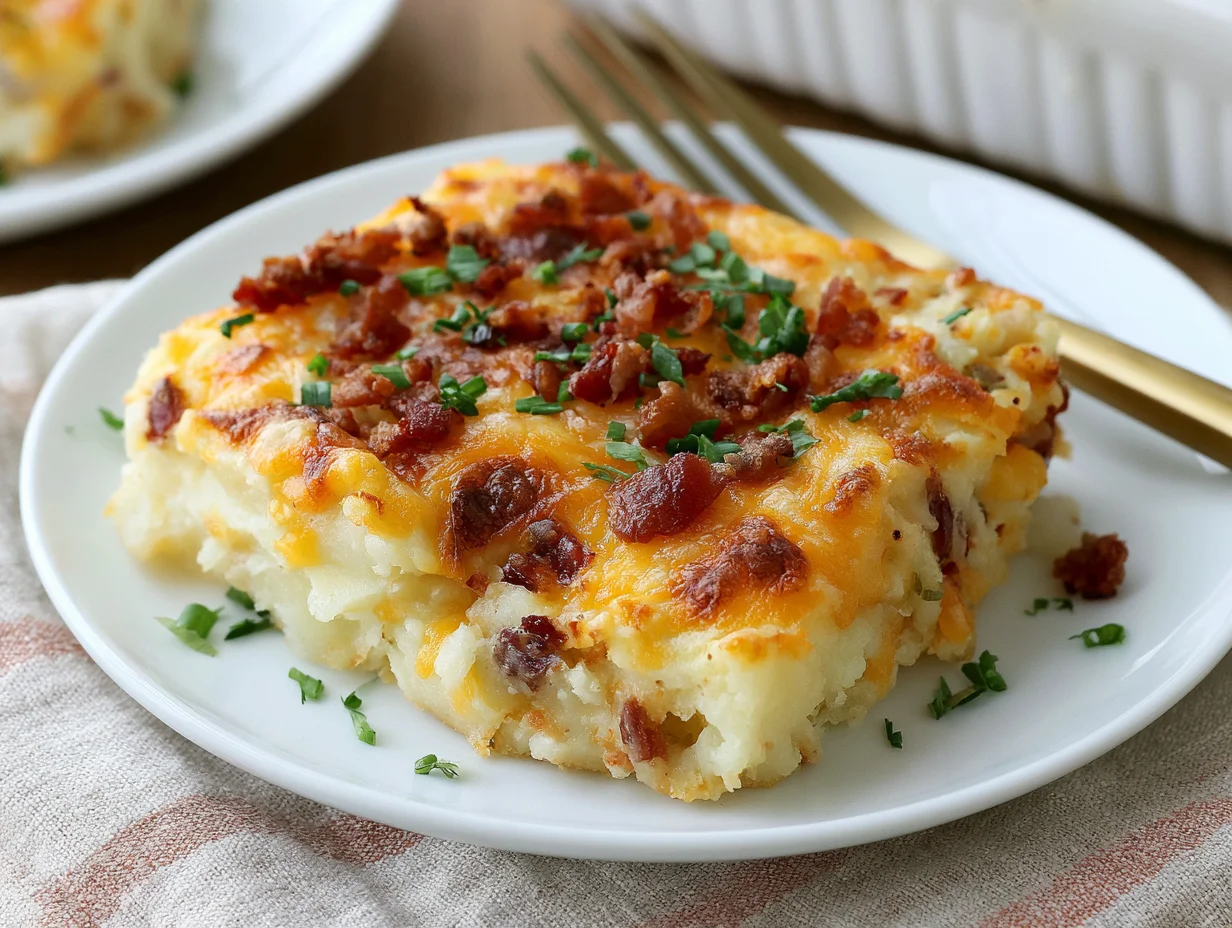
There are comfort food recipes, and then there are the ones that stop a conversation the moment they hit the table. This Loaded Twice Baked Potato Casserole is firmly in the second category. It delivers everything you love about a classic twice baked potato — creamy, cheesy, smoky, and deeply satisfying — but in a format that feeds a crowd without the individual effort.
I first made this casserole on a cold January evening when I wanted something rich and hearty but didn’t have the patience to stuff twelve individual potato skins. What came out of that oven changed how I think about potato side dishes entirely. It was scoopable, golden on top, impossibly creamy inside, and absolutely loaded.
What sets this recipe apart is the technique. We’re not just mashing potatoes and calling it done. We bake the potatoes first to develop a deeper, earthier flavor in the flesh. Then we fold in cream cheese for body, sour cream for tang, sharp cheddar for melt, and crispy bacon for that irreplaceable smoky bite.
This casserole works beautifully as a holiday side dish, a potluck centerpiece, or an indulgent weeknight dinner alongside grilled chicken or steak. Once you make it, it will become one of those recipes you come back to again and again — the kind that people specifically request.
Ingredients You’ll Need
If you’ve ever stared into your fridge on a weeknight and thought, there’s nothing to cook — this recipe is about to prove you wrong in the best possible way.
One of the things I love about this recipe is that it uses simple pantry ingredients. You probably already have most of them in your kitchen.
Base Ingredients:
- 4 lbs russet potatoes (about 6 to 8 medium potatoes)
- 4 tablespoons unsalted butter, softened
- 4 oz cream cheese, softened
- 1 cup sour cream
- ½ cup whole milk or heavy cream
- 1½ cups shredded sharp cheddar cheese, divided
- 6 strips bacon, cooked and crumbled
- 3 green onions, thinly sliced
- 1 teaspoon garlic powder
- 1 teaspoon onion powder
- 1 teaspoon salt
- ½ teaspoon black pepper
Optional Add-ins:
- ½ cup shredded Monterey Jack cheese for extra melt
- ¼ teaspoon smoked paprika for a hint of smokiness
- 1 jalapeño, finely diced for heat
- ½ cup broccoli florets, steamed and chopped
- 2 tablespoons chives, freshly chopped as garnish
- ¼ cup ranch dressing stirred into the potato mixture
Step-by-Step Instructions
Step 1: Bake the Potatoes
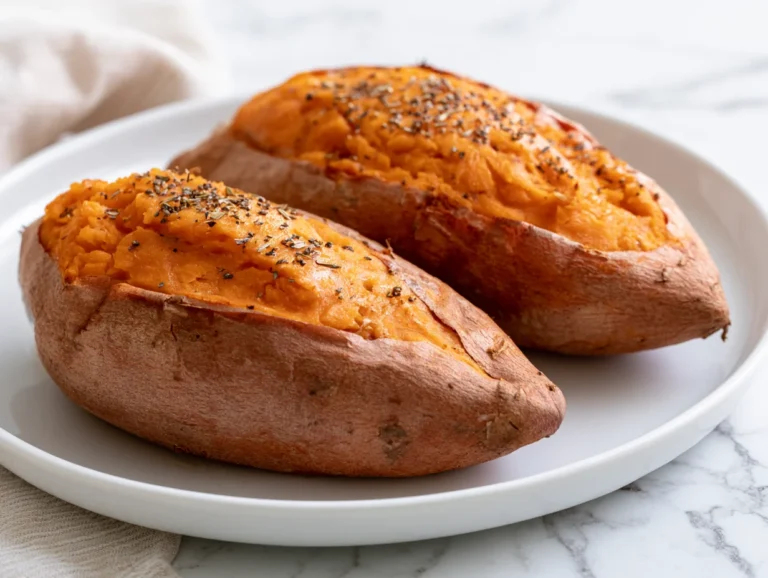
Preheat your oven to 400°F (200°C). Scrub the russet potatoes thoroughly under cold water and dry them completely. Pierce each potato several times with a fork to allow steam to escape. Rub lightly with olive oil and a pinch of salt, then place directly on the oven rack. Bake for 55 to 65 minutes until a knife slides through the center without resistance. The skin should feel crisp and the inside completely tender. Allow them to cool for 10 to 15 minutes before handling.
Step 2: Scoop and Prepare the Potato Flesh
Once the potatoes are cool enough to handle, slice each one in half lengthwise. Using a large spoon, scoop the interior flesh into a wide mixing bowl, leaving a thin layer against the skin to maintain structure — though since this is a casserole, you can scoop generously. Discard the skins or save them for a snack. Work quickly while the potatoes are still warm, as warm flesh absorbs butter and cream cheese far more smoothly than cold, creating that signature silky texture.
Step 3: Make the Loaded Filling
To the warm potato flesh, add the softened butter and cream cheese. Mash with a potato masher or hand mixer until mostly smooth — a few small lumps add character and texture. Stir in the sour cream, milk or heavy cream, garlic powder, onion powder, salt, and pepper. Fold in half the shredded cheddar, most of the crumbled bacon (reserve some for topping), and half the sliced green onions. Taste and adjust seasoning at this stage — the filling should be well seasoned and slightly salty, as the cheese on top will balance it out.
Step 4: Assemble the Casserole
Lightly grease a 9×13-inch baking dish with butter or nonstick spray. Transfer the potato filling into the dish and spread it into an even layer using a spatula. Sprinkle the remaining shredded cheddar evenly across the top, followed by the reserved bacon crumbles and remaining green onions. The top layer should look generously loaded — don’t be shy here. Every bite should have a little of everything: cheese pull, smoky bacon, and a pop of green onion freshness. The layering at this stage determines the visual appeal of the final dish.
Step 5: Bake and Serve
Lower the oven temperature to 375°F (190°C). Bake the assembled casserole uncovered for 25 to 30 minutes, or until the cheese on top is fully melted, bubbling at the edges, and beginning to turn lightly golden in spots. For a deeper golden crust, switch your oven to broil for the final 2 to 3 minutes — watch it closely during this step as the cheese can go from golden to burnt quickly. Remove from the oven and let the casserole rest for 5 minutes before serving. Garnish with extra green onions or chives if desired.
Cook Time
Total:
Approximately 1 hour 35 minutes
Prep:
15 minutes (after potatoes are baked)
Bake:
60 to 65 minutes for initial potato bake, plus 25 to 30 minutes for the casserole
Servings
This casserole is hearty and rich, so a little goes a long way. As a side dish served alongside a protein like roasted chicken, grilled steak, or pork tenderloin, it comfortably feeds eight to ten people. As a standalone main dish with a simple green salad on the side, plan for six generous servings.
Makes approximately 8 to 10 side dish servings or 6 main dish servings.
The beauty of this recipe is that it scales well. You can halve the recipe and bake it in an 8×8-inch dish for a smaller gathering, or double it across two baking dishes for large holiday spreads. Because the filling holds together so well, every portion scoops cleanly and looks presentable on the plate.
Common Mistakes in This Recipe
One of the most common mistakes cooks make is using the wrong potato variety. Waxy potatoes like red or Yukon Gold have a naturally higher moisture content and a denser cell structure, which results in a gluey, starchy casserole instead of the light, fluffy texture you’re after. Russet potatoes are the only variety that delivers the right result here.
Another frequent error is adding the dairy to cold potato flesh. When the cream cheese, butter, and sour cream are incorporated into potatoes that have cooled completely, the fat doesn’t emulsify properly and the filling becomes lumpy and uneven. The dairy should always be added while the potato flesh is still warm for a silky, cohesive mixture.
Overworking the potatoes is a trap that even experienced home cooks fall into. Using a stand mixer or processing the potatoes too aggressively breaks down the starch cells and releases excess starch, turning your filling into a dense, paste-like texture. Gentle mashing by hand or a brief pass with a hand mixer on low speed keeps the texture light.
Underseasoning is also a critical mistake. Potatoes absorb salt readily, and a casserole this large needs more seasoning than you might expect. If you season timidly at the filling stage and rely solely on the cheese topping to carry the flavor, the result is a casserole that tastes flat and underwhelming despite all the rich ingredients involved.
Solutions to Common Mistakes
Always use russet potatoes for this recipe, full stop. Their high starch content and low moisture create the fluffy, mashable interior that holds the loaded filling without becoming dense or watery. Purchase them firm and free of soft spots for the best flavor after baking.
Keep your dairy ingredients at room temperature before mixing. Set the butter, cream cheese, and sour cream out for at least 30 minutes prior to assembling. When they’re softened and the potato flesh is still warm from the oven, everything blends together effortlessly without lumps or greasiness.
Use a hand masher or fork for mixing, and resist the urge to overmix once the ingredients are combined. Stop as soon as you reach a mostly smooth consistency. A few natural texture variations in the filling are perfectly fine and actually improve the mouthfeel of the final dish.
Season the filling in layers rather than all at once. Add salt after mashing, taste, and adjust again after adding the cheese and bacon — both of which contribute additional saltiness. This incremental approach prevents over-seasoning while ensuring a deeply flavored, well-balanced casserole.
Nutritional Information (approx. per serving)
- Calories: 390 kcal
- Total Fat: 22g
- Saturated Fat: 12g
- Cholesterol: 65mg
- Sodium: 520mg
- Total Carbohydrates: 36g
- Dietary Fiber: 3g
- Sugars: 3g
- Protein: 13g
- Calcium: 220mg
- Potassium: 780mg
- Vitamin C: 15mg
Potatoes are one of the most nutritionally underrated vegetables on the planet. A single russet potato provides a meaningful dose of potassium — more per gram than a banana — which supports healthy blood pressure and muscle function. They’re also a solid source of vitamin C and vitamin B6, both of which play key roles in immune function and energy metabolism.
The protein in this casserole comes from multiple sources: the cheese, the sour cream, and the bacon all contribute, making this a more complete dish than a standard potato side. Combined with the fiber content from the potato flesh, this casserole provides slow-digesting carbohydrates that offer sustained energy rather than a rapid spike.
Dairy-based ingredients like sour cream and cheddar deliver calcium and phosphorus, both essential for strong bones and teeth. While this casserole is undeniably indulgent, it provides real nutritional value alongside its comfort food character.
Enjoyed in a reasonable portion alongside lean protein and vegetables, this dish fits naturally into a balanced, varied diet. The key is mindful portioning — which is easier than it sounds, given how filling and satisfying each serving truly is.
Storage Instructions
Allow the casserole to cool to room temperature before transferring it to an airtight container or covering the baking dish tightly with plastic wrap or aluminum foil. Proper cooling before storage prevents condensation from forming inside the container, which would otherwise make the topping soggy and dilute the filling.
Stored in the refrigerator, this casserole keeps well for up to four days. The flavor actually deepens overnight as the ingredients meld together, which means leftovers are often just as good — if not better — than the freshly baked version straight from the oven.
To reheat individual portions, microwave on medium power for 90 seconds to 2 minutes, adding a small splash of milk if the filling has thickened. To reheat the full casserole, cover the dish with foil and bake at 350°F for 20 to 25 minutes until heated through, then uncover for the last 5 minutes to re-crisp the cheese topping.
For longer storage, this casserole freezes surprisingly well. Portion it into individual servings, wrap tightly in plastic wrap and then foil, and freeze for up to two months. Thaw overnight in the refrigerator before reheating. Avoid freezing with fresh green onion garnish — add that fresh after reheating for the best presentation.
Suggestions
This casserole pairs beautifully with simply prepared proteins that don’t compete with its richness. A herb-roasted whole chicken, a seared ribeye steak, or honey-glazed pork tenderloin all complement the smoky, cheesy profile of the casserole without overwhelming it. A crisp green salad with a sharp vinaigrette helps cut through the richness and balances the meal.
For a vegetarian variation, skip the bacon entirely and add sautéed mushrooms, caramelized onions, and a handful of steamed broccoli to the filling. The umami depth from the mushrooms mimics the savory punch of the bacon remarkably well, and the result is just as satisfying for vegetarian guests.
If you’re serving this for a holiday meal or special occasion, consider piping the filling back into a dish using a large star tip for a more polished presentation. A sprinkle of smoked paprika and freshly chopped chives over the final baked casserole adds a professional touch that elevates the visual appeal significantly.
For those who enjoy a little heat, stir a diced jalapeño or a few dashes of hot sauce into the filling before baking. The spice cuts beautifully through the richness of the cheese and cream cheese base and adds an exciting kick that keeps guests coming back for seconds.
Seasonal Relevance
This casserole is a natural fit for the colder months — those stretches of fall and winter when you want something warm and deeply comforting on the table. It pairs perfectly with Thanksgiving spreads, Christmas dinners, and New Year’s gatherings where a crowd-feeding side dish is essential and convenience is just as important as flavor.
During the holiday season, russet potatoes are at peak quality and widely available in large bags at excellent prices, making this recipe both seasonally appropriate and economical. The casserole can be assembled entirely the day before your event and refrigerated overnight, which takes significant pressure off your holiday cooking schedule.
In spring and early summer, this dish transitions beautifully to a cookout or backyard barbecue setting. Serve it alongside smoked brisket, grilled ribs, or pulled pork, and it holds its own against even the boldest flavors on the table. The rich, cheesy filling acts as a natural contrast to the smokiness of outdoor-grilled meats.
Even in the height of summer, when the thought of a heavy casserole might seem counterintuitive, this recipe earns its place. Make a lighter version with Greek yogurt in place of sour cream and reduced-fat cheese, bake it in the evening when temperatures drop, and serve it warm or at room temperature as a hearty side at your next outdoor gathering.
Final Words
This Loaded Twice Baked Potato Casserole is the kind of recipe that earns a permanent spot in your rotation — not because it’s trendy, but because it delivers every single time. It has the right balance of technique and simplicity, of indulgence and substance, and of ease and impressiveness. Whether you’re making it for your family on a Tuesday or bringing it to a potluck, it always shows up as the dish people remember.
What I love most about sharing this recipe is knowing that someone will make it for the first time and have that same moment I did — that first bite where you realize a potato casserole can genuinely be extraordinary. Not just good. Not just satisfying. Actually, genuinely extraordinary.
Take your time with the technique. Bake those potatoes properly, add your dairy while the flesh is warm, season generously, and don’t skip the broil at the end for that golden top. The small details are what separate a great casserole from a truly memorable one, and this recipe rewards the attention you give it.
If you try this recipe, I’d love to know how it turned out. Leave a note in the comments with any tweaks you made — whether you added jalapeños, swapped in different cheeses, or made it vegetarian. Recipes like this one evolve through the kitchens they pass through, and every variation makes them richer.
Frequently Asked Questions
Can I make this casserole the day before and bake it the next day?
Yes, absolutely. Assemble the fully loaded casserole, cover it tightly with foil, and refrigerate overnight. When ready to bake, let it sit at room temperature for 20 minutes first, then bake covered at 375°F for 30 minutes and uncovered for an additional 10 to 15 minutes until hot and golden.
What is the best way to get the cheese topping golden and crispy without burning it?
Bake the casserole uncovered at 375°F for 25 to 30 minutes until the cheese is fully melted and bubbling. Then switch the oven to broil on high for 2 to 3 minutes, watching closely and rotating the dish if needed. Remove immediately when the cheese turns golden with lightly charred spots. Never walk away during the broil step.
Can I use instant mashed potatoes or leftover mashed potatoes instead of baking fresh ones?
You can use leftover mashed potatoes in a pinch, though the flavor and texture will differ. Instant potatoes are not recommended, as they tend to become pasty and lack the depth of flavor that oven-baked russets provide. If using leftovers, make sure they are unseasoned or lightly seasoned so you can control the final flavor of the casserole precisely.
Loaded Twice Baked Potato Casserole Recipe
8
servings15
minutes1
hour5
minutes390
kcal1
hour20
minutesA crowd-pleasing comfort classic that transforms humble russet potatoes into a rich, creamy, cheese-loaded casserole layered with crispy bacon, sour cream, and green onions — perfect for holidays, potlucks, or any night worth celebrating.
Ingredients
4 pounds russet potatoes (about 6–8 medium)
4 tablespoons unsalted butter, softened
4 ounces cream cheese, softened
1 cups sour cream
0.5 cups whole milk or heavy cream
1.5 cups shredded sharp cheddar cheese, divided
6 bacon strips, cooked and crumbled
3 green onions, thinly sliced
1 teaspoons garlic powder
1 teaspoons onion powder
1 teaspoons salt
0.5 teaspoons black pepper
0.5 cups shredded Monterey Jack cheese (optional)
0.3 teaspoons smoked paprika (optional)
1 jalapeño, finely diced (optional)
0.5 cups broccoli florets, steamed and chopped (optional)
2 tablespoons chives, freshly chopped for garnish (optional)
0.3 cups ranch dressing, stirred into filling (optional)
Directions
- Bake the Potatoes: Preheat oven to 400°F (200°C). Scrub 4 pounds russet potatoes (about 6–8 medium) clean, dry them, and pierce each several times with a fork. Rub lightly with olive oil and a pinch of salt. Place directly on the oven rack and bake for 55–60 minutes until a knife slides through the center without resistance. Let cool for 10–15 minutes before handling.
- Scoop the Potato Flesh: Slice each baked potato in half lengthwise. Scoop the warm interior flesh into a large mixing bowl, leaving just a thin layer against the skin. Work quickly while the potatoes are still warm — warm flesh absorbs butter and cream cheese far more smoothly, giving you the silky texture this casserole is known for.
- Make the Loaded Filling: Add 4 tablespoons unsalted butter, softened and 4 ounces cream cheese, softened to the warm potato flesh. Mash until mostly smooth. Stir in 1 cups sour cream, 0.5 cups whole milk or heavy cream, 1 teaspoons garlic powder, 1 teaspoons onion powder, 1 teaspoons salt, and 0.5 teaspoons black pepper. Fold in half the 1.5 cups shredded sharp cheddar cheese, divided, most of the crumbled 6 bacon strips, cooked and crumbled (reserve some for topping), and half the 3 green onions, thinly sliced. Taste and adjust seasoning — the filling should be well-seasoned and slightly bold.
- Assemble the Casserole: Lightly grease a 9×13-inch baking dish with butter or nonstick spray. Transfer the potato filling into the dish and spread into an even layer with a spatula. Sprinkle the remaining 1.5 cups shredded sharp cheddar cheese, divided evenly over the top, followed by the reserved crumbled 6 bacon strips, cooked and crumbled and remaining 3 green onions, thinly sliced. The topping should look generously loaded — every bite deserves it.
- Bake the Casserole: Lower oven temperature to 375°F (190°C). Bake uncovered for 25–30 minutes until the cheese is fully melted, bubbling at the edges, and lightly golden on top. For a deeper golden crust, broil on high for 2–3 minutes — watch closely. Rest for 5 minutes before serving. Garnish with extra 3 green onions, thinly sliced or 2 tablespoons chives, freshly chopped for garnish (optional) if desired.
Recipe Video
Notes
- Use russet potatoes only — their high starch content creates the fluffy, mashable texture this casserole requires. Waxy potatoes will make the filling dense and gluey.
- Always add butter, cream cheese, and sour cream while the potato flesh is still warm so the dairy emulsifies smoothly into the mixture.
- Do not overmix the filling. Use a hand masher or low-speed hand mixer and stop as soon as the texture is mostly smooth. Overmixing releases excess starch and turns the filling pasty.
- Make-ahead tip: Fully assemble the casserole, cover tightly with foil, and refrigerate overnight. Let it sit at room temperature for 20 minutes before baking the next day.
- Vegetarian swap: Skip the bacon and fold in sautéed mushrooms and caramelized onions for a savory, umami-rich alternative.
- For a spicier version, stir in one finely diced jalapeño or a few dashes of hot sauce into the filling before baking.
- Broil with caution — when finishing under the broiler for a golden top, never walk away. The cheese can go from perfectly golden to burnt in under a minute.
- Leftovers store in the refrigerator for up to 4 days or in the freezer for up to 2 months. Add fresh green onion garnish after reheating, not before freezing.