Vegan mason jar salads that stay fresh all week represent a structured, science-backed approach to modern meal preparation rather than a casual kitchen trend. As a chef, I consider this method one of the most reliable systems for maintaining ingredient integrity over several days.
Each layer in the jar serves a precise purpose, from preserving crunch to protecting delicate greens from moisture damage. When executed correctly, this technique delivers consistent nutrition, balanced flavor, and exceptional convenience for busy schedules.
It transforms plant-based eating into a practical lifestyle habit rather than a daily challenge. The result is a ready-to-eat, visually appealing, and nutritionally complete meal that supports clean eating goals while minimizing food waste and maximizing efficiency throughout the entire week.
? If you enjoy fresh and healthy meal prep ideas, you’ll also love our Healthy Quinoa Salad full of fresh vegetables and herbs for another nutritious and satisfying option.
Common Mistake That Compromises Salad Structure
One of the most critical mistakes observed in mason jar salad preparation is incorrect ingredient sequencing, which directly undermines freshness and texture stability. Many individuals begin layering without understanding moisture migration dynamics inside the jar.
Placing leafy greens near the bottom exposes them to dressing and vegetable juices, causing rapid wilting and structural collapse. Additionally, mixing high-water-content vegetables such as cucumbers or tomatoes without separation accelerates sogginess across all layers. Even high-quality ingredients cannot compensate for poor assembly logic.
This error is particularly common among beginners who focus on ingredients rather than engineering the jar’s internal structure. The outcome is predictable: reduced shelf life, diminished flavor clarity, and an overall decline in meal quality by midweek.
Solution Through Precision Layering Technique
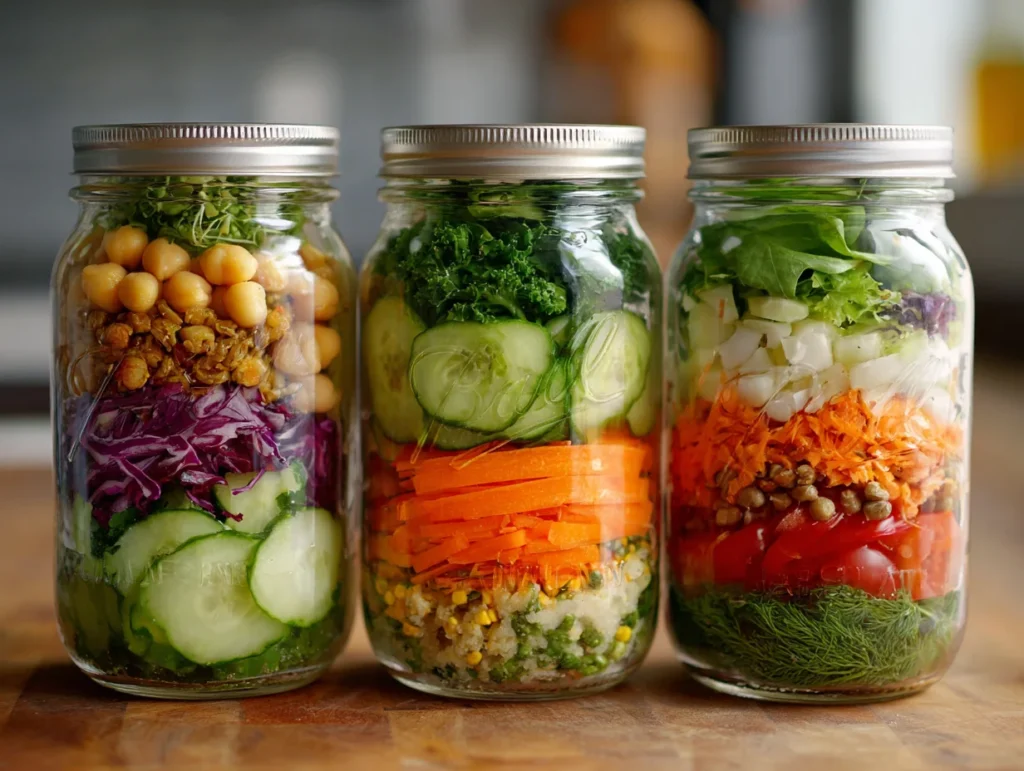
The correct approach relies on disciplined layering that respects ingredient density and moisture behavior. From a culinary perspective, the dressing must always remain at the base, forming a controlled barrier. Above this, dense and stable components such as legumes, grains, or roasted vegetables should be placed to absorb minimal moisture impact.
Softer vegetables follow, carefully isolated from direct contact with liquids. Leafy greens are always positioned at the top to preserve their cellular integrity and crisp texture. This architecture ensures that each component retains its intended function throughout storage.
When sealed and refrigerated properly, this system extends freshness significantly while maintaining flavor separation. Mastering this technique transforms mason jar salads from a simple idea into a dependable weekly meal preparation strategy.
Ingredients List
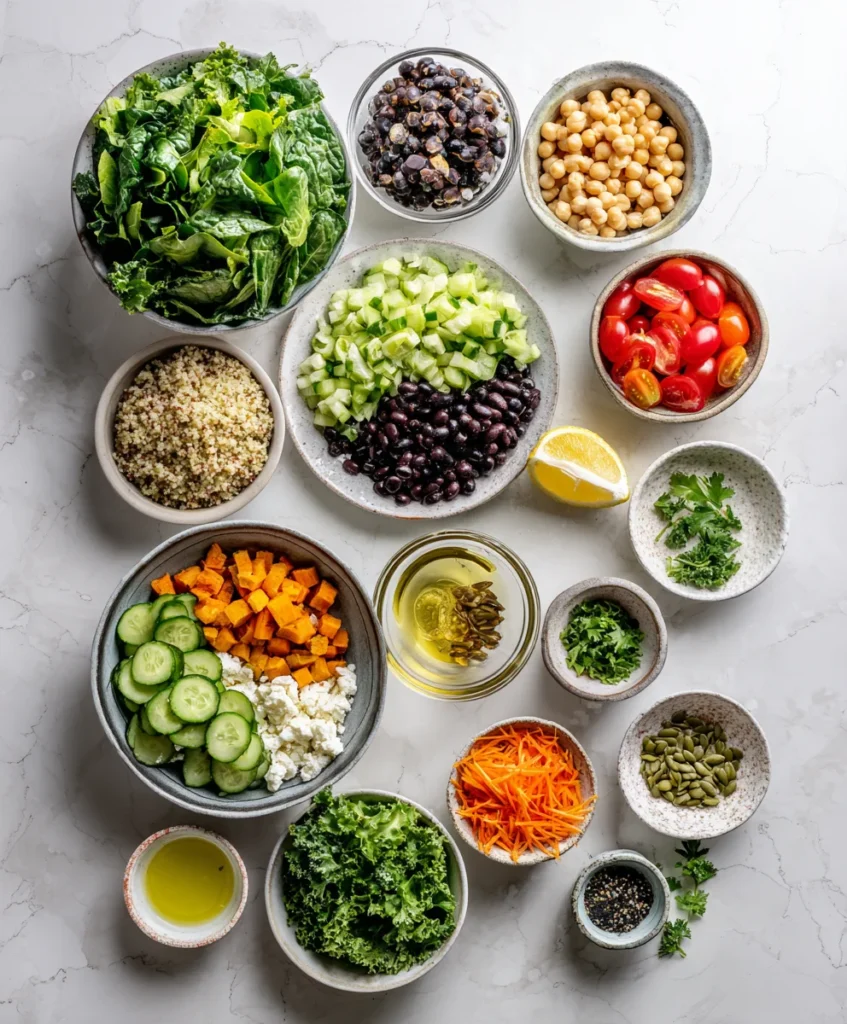
Base Ingredients:
- Fresh spinach, kale, or romaine lettuce
- Cooked quinoa or brown rice
- Chickpeas or black beans
- Cherry tomatoes
- Cucumbers
- Shredded carrots
- Olive oil-based vinaigrette dressing
Optional Add-ins:
- Avocado slices
- Roasted sweet potatoes
- Pumpkin or sunflower seeds
- Vegan feta alternatives
- Fresh herbs such as parsley or cilantro
- Lemon juice or balsamic glaze
Step-by-Step Instructions
Build a Stable Flavor Foundation
Begin with a carefully prepared dressing that serves as the structural base of the entire jar system. Combine olive oil, lemon juice, mustard, salt, pepper, and herbs into a balanced emulsion. From a culinary standpoint, consistency matters more than complexity here. Pour the dressing directly into the bottom of a clean mason jar, ensuring even coverage. This placement prevents premature contact with sensitive ingredients and regulates moisture distribution throughout the storage period. The goal is controlled infusion, not immediate mixing. This foundational step determines the long-term freshness and structural success of the entire salad preparation.
Establish the Structural Core
Next, introduce the most resilient ingredients that can withstand extended contact with minimal moisture influence. This includes legumes like chickpeas, black beans, or lentils, along with grains such as quinoa or brown rice. These components act as a protective buffer between dressing and delicate vegetables. Light compression is acceptable but overpacking should be avoided to maintain internal airflow. This layer is essential for sustaining texture integrity over multiple days. Proper execution here ensures that the salad retains both nutritional density and physical stability when consumed later in the week.
? For a lighter and refreshing side, try our Fresh Watermelon Salad light refreshing summer dish, perfect to pair with your mason jar meals.
Layer Soft Vegetables and Proteins
At this stage, incorporate medium-moisture vegetables such as cucumbers, tomatoes, bell peppers, and optional plant-based proteins like tofu or tempeh. These ingredients contribute freshness, color, and flavor complexity. However, they must be properly dried before placement to prevent excess liquid accumulation. This intermediate layer functions as a transitional zone between dense grains and delicate greens. When arranged correctly, it enhances flavor distribution without compromising structural stability. This step reflects the balance between culinary aesthetics and functional preservation, which is essential in professional meal prep design.
Seal with Fresh Greens for Protection
Complete the assembly by adding leafy greens at the top of the jar. These should remain loose and uncompressed to avoid bruising and oxidation. This positioning ensures that greens remain completely isolated from moisture sources until consumption. Once sealed, the jar must be stored upright under refrigeration. This final configuration acts as a preservation system, maintaining crispness, color, and nutrient density. When ready to serve, simply shake or transfer into a bowl. The result is a freshly mixed, restaurant-quality vegan salad with preserved texture and flavor integrity.
Cook Time
Total: 20–25 minutes
Prep: 15 minutes
Bake: Not required
Servings
This preparation method yields approximately four to five complete mason jar salads depending on portioning strategy and jar capacity. Each serving is designed as a standalone balanced meal containing fiber, plant protein, and healthy fats. From a meal planning perspective, this makes it highly efficient for structured weekly nutrition. It supports consistent dietary control while reducing daily preparation time. The portions can be adjusted based on caloric requirements or fitness objectives, making it suitable for both maintenance and performance-based eating plans.
Nutritional Information (approx. per serving)
- Calories: 350–420 kcal
- Protein: 12–18 g
- Fiber: 10–14 g
- Healthy Fats: 10–15 g
- Carbohydrates: 40–50 g
- Sugar: 6–10 g
- Sodium: 180–300 mg
From a nutritional standpoint, this salad configuration delivers a well-balanced macronutrient profile that supports sustained energy release and digestive health. High fiber content enhances satiety, while plant-based proteins contribute to muscle maintenance. Healthy fats support nutrient absorption and hormonal balance. This combination makes it particularly effective for individuals pursuing long-term wellness, weight control, or clean eating routines without sacrificing satisfaction or flavor depth.
? Looking for something creamy to drizzle or enhance your salads? Check out our Homemade Cesar Salad Dressing to elevate your flavor combinations.
Storage Instructions
Proper storage is essential to maintaining the structural integrity of mason jar salads. Jars should be sealed tightly and stored upright in refrigeration immediately after preparation. Temperature consistency is critical, as fluctuations accelerate ingredient degradation. When correctly assembled, these salads maintain optimal freshness for up to five days. It is important to avoid agitation during storage, as premature mixing can compromise texture layers. Glass containers are strongly recommended for their non-reactive properties and superior sealing capability. This system ensures efficiency, reduces food waste, and supports organized weekly meal planning.
Suggestions
To elevate variety and prevent palate fatigue, rotate ingredient profiles throughout the week. Mediterranean combinations with olives and chickpeas, or Asian-inspired versions with sesame dressing and edamame, offer excellent diversity. Incorporating seasonal vegetables improves both flavor intensity and nutritional value. Roasted elements such as spiced chickpeas or sweet potatoes can enhance texture contrast. Preparing multiple dressing variations in advance also increases flexibility. This approach allows consistent meal enjoyment without repetition while maintaining a disciplined nutritional structure that aligns with long-term health goals.
Seasonal Relevance
Vegan mason jar salads adapt seamlessly across all seasons, making them a sustainable year-round solution. During warmer months, lighter vegetables such as cucumbers and tomatoes provide refreshing hydration. In colder seasons, roasted vegetables and hearty grains offer warmth and satiety. Spring introduces fresh herbs and tender greens that support detoxification and renewal. Autumn allows for deeper flavors through root vegetables and spice-infused dressings. This adaptability ensures continuous alignment with seasonal produce cycles, improving both cost efficiency and nutritional diversity.
From a professional culinary perspective, vegan mason jar salads represent a highly efficient intersection of nutrition, structure, and practicality. When executed with precision layering and ingredient awareness, they deliver consistent freshness throughout the week. This method reduces preparation time while maintaining high dietary standards, making it ideal for modern lifestyles. It is not simply a recipe but a systemized approach to healthy eating. By mastering this technique, individuals gain control over nutrition, portioning, and meal quality in a way that is both sustainable and scalable.
? If you prefer protein-rich plant-based meals, don’t miss our Healthy Chickpea Salad packed with fresh Mediterranean flavor, a perfect complement to your weekly prep routine
Frequently Asked Questions
Why do mason jar salads stay fresh longer than regular salads?
Mason jar salads remain fresh longer due to their layered structure, which prevents moisture from reaching delicate greens. Dressing stays isolated at the bottom, while dense ingredients act as barriers. This controlled environment reduces oxidation and maintains texture, flavor, and nutritional quality for several days.
Can I prepare mason jar salads for an entire week?
Yes, they can be prepared for up to five days in advance. However, proper layering and airtight sealing are essential. Using fresh, dry ingredients and refrigerating immediately ensures safety and maintains quality throughout the week without spoilage or sogginess.
Which vegetables should always be placed at the top?
Leafy greens such as spinach, kale, and romaine should always be placed at the top layer. This prevents direct contact with moisture and preserves their crisp structure. They remain fresh and vibrant until the jar is ready to be consumed.
Are mason jar salads suitable for high-protein diets?
Yes, they are highly adaptable for high-protein requirements. Plant-based proteins like chickpeas, tofu, lentils, and quinoa can be incorporated easily. These ingredients provide sufficient protein content while maintaining balance with fiber and healthy fats.
What type of jar works best for meal prep salads?
Wide-mouth glass mason jars are ideal because they allow easy layering and mixing. They are also airtight, non-reactive, and reusable. Their structure supports vertical layering, which is essential for maintaining freshness and preventing ingredient compression.