Veggie Burger Recipe
There is a moment — usually somewhere between the first bite and the second — when a great veggie burger stops being a substitution and starts being the point. Not a compromise for the vegetarians at the table. Not a quieter version of something else. Just a genuinely delicious burger that holds its own on any grill, any day of the week.
This recipe has been through enough iterations to know what works. A burger that crumbles the moment it hits the pan is not worth your time. Neither is one that tastes like compressed cardboard dressed in condiments. What you want is something with structure, depth, a slightly crisp exterior, and a center that stays moist and satisfying all the way through.
The foundation here is black beans — rich, earthy, and naturally binding when handled correctly. They are joined by finely diced vegetables, warm spices, and just enough binder to keep everything together without turning the patty dense or gluey. The result is a burger with real texture, real flavor, and the kind of presence that makes even dedicated meat-eaters reach for seconds.
Whether you are cooking for a summer cookout, a casual weeknight dinner, or simply trying to eat a little less meat without sacrificing any pleasure at the table, this veggie burger recipe is the one you will keep coming back to.
Ingredients You’ll Need
If there is one thing that sets a truly great veggie burger apart from a forgettable one, it is the quality and balance of what goes into it — and this recipe keeps things refreshingly uncomplicated.
One of the things I love about this recipe is that it uses simple pantry ingredients. You probably already have most of them in your kitchen.
Base Ingredients
- 2 cans (15 oz each) black beans, drained, rinsed, and patted dry
- 1 cup breadcrumbs (plain or panko)
- 1/2 cup finely grated carrot
- 1/2 cup finely diced red onion
- 3 cloves garlic, minced
- 2 large eggs
- 2 tablespoons olive oil (plus more for cooking)
- 1 tablespoon soy sauce
- 1 teaspoon smoked paprika
- 1 teaspoon cumin
- 1/2 teaspoon black pepper
- 1/2 teaspoon salt
- 1/4 teaspoon cayenne pepper
Optional Add-ins
- 1/4 cup corn kernels (fresh or thawed frozen)
- 1/4 cup finely chopped fresh cilantro
- 2 tablespoons crumbled feta or shredded cheddar
- 1 tablespoon sriracha or hot sauce (for added heat)
- 1 teaspoon Worcestershire sauce (vegetarian version)
- 1/2 teaspoon garlic powder (for deeper savory flavor)
Step-by-Step Instructions
Step 1: Dry the Beans Thoroughly
Spread your drained and rinsed black beans across a clean kitchen towel or several layers of paper towels. Pat them as dry as you possibly can. This step is not optional — excess moisture is the single biggest reason veggie burgers fall apart. Let them air dry for at least ten minutes while you prep the vegetables. If you have time, a quick five-minute pass in a 300°F oven on a sheet tray will drive out even more moisture and make a noticeable difference in the final texture.
Step 2: Mash the Beans
Transfer the dried beans to a large mixing bowl. Using a potato masher or a fork, mash them until about three-quarters of the beans are broken down. You want a rough paste with visible chunks still intact — not a smooth purée. This combination of textures is what gives the burger its satisfying, hearty bite. Over-mashing removes all texture and results in a dense, sticky patty. Under-mashing leaves too many whole beans and the patties will crack and crumble when you flip them.
Step 3: Sauté the Aromatics
Heat one tablespoon of olive oil in a small skillet over medium heat. Add the diced red onion and cook for four to five minutes until softened and lightly golden. Add the minced garlic and cook for another sixty seconds until fragrant. Remove from heat and let cool slightly before adding to the bean mixture. Cooking the aromatics first eliminates the sharp raw bite of onion and garlic, which can overpower the burger, and it softens their texture so they incorporate evenly without creating wet pockets in the patty.
Step 4: Combine All Ingredients
Add the sautéed aromatics, grated carrot, breadcrumbs, eggs, soy sauce, smoked paprika, cumin, salt, black pepper, and cayenne to the mashed beans. Mix everything together with a spatula or clean hands until fully combined. Avoid over-mixing — you are not kneading dough. At this stage, fold in any optional add-ins you are using. The mixture should feel firm enough to hold a shape when pressed. If it feels too wet, add breadcrumbs one tablespoon at a time until it comes together.
Step 5: Shape and Chill the Patties
Divide the mixture into six equal portions. Shape each one into a round patty roughly three-quarters of an inch thick — about the width of your palm. Place them on a parchment-lined tray and refrigerate for a minimum of thirty minutes, ideally one full hour. Chilling is essential. It allows the breadcrumbs to absorb moisture, the mixture to firm up, and the patties to hold their shape confidently during cooking. Skipping this step is a common shortcut that leads to patties that spread or fall apart in the pan.
Step 6: Cook to Perfection
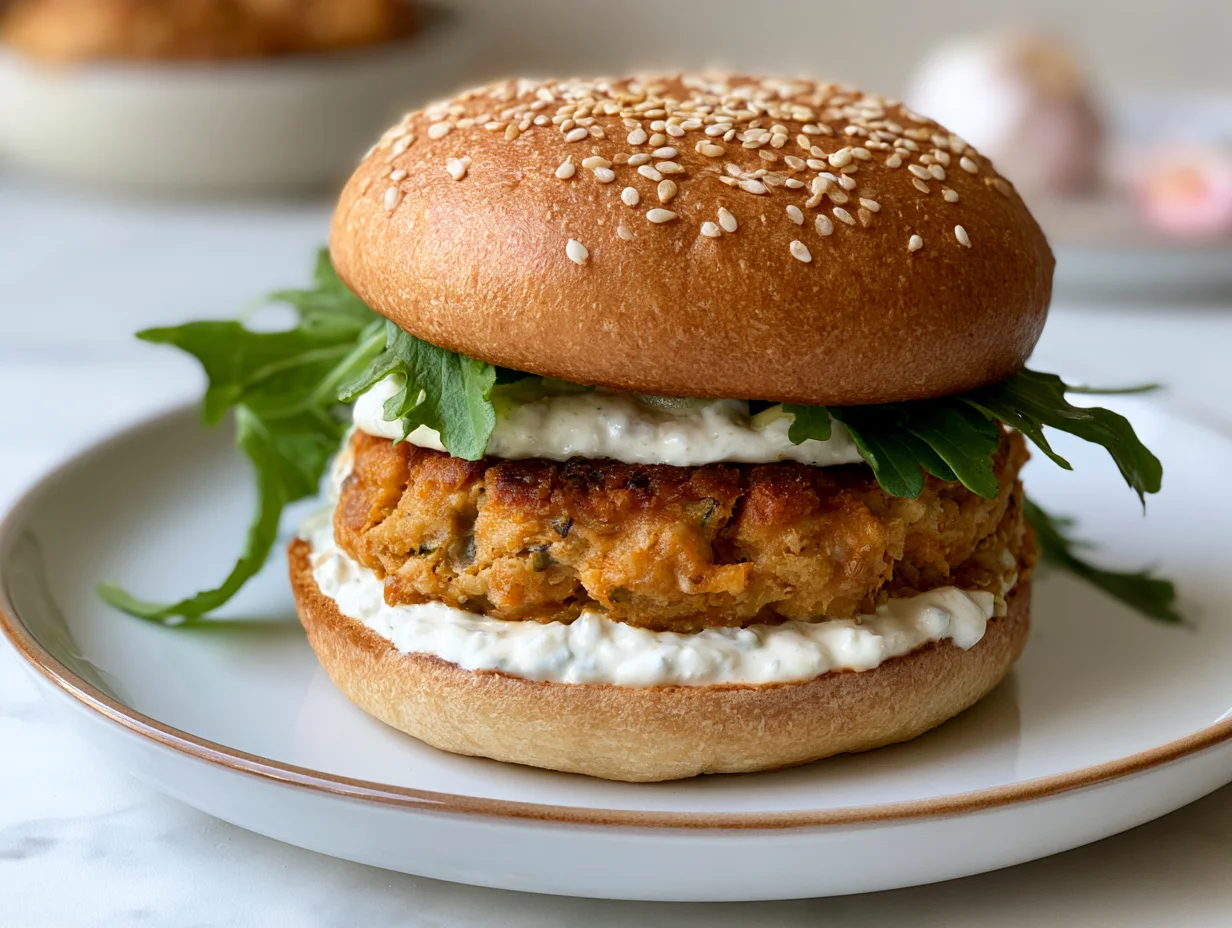
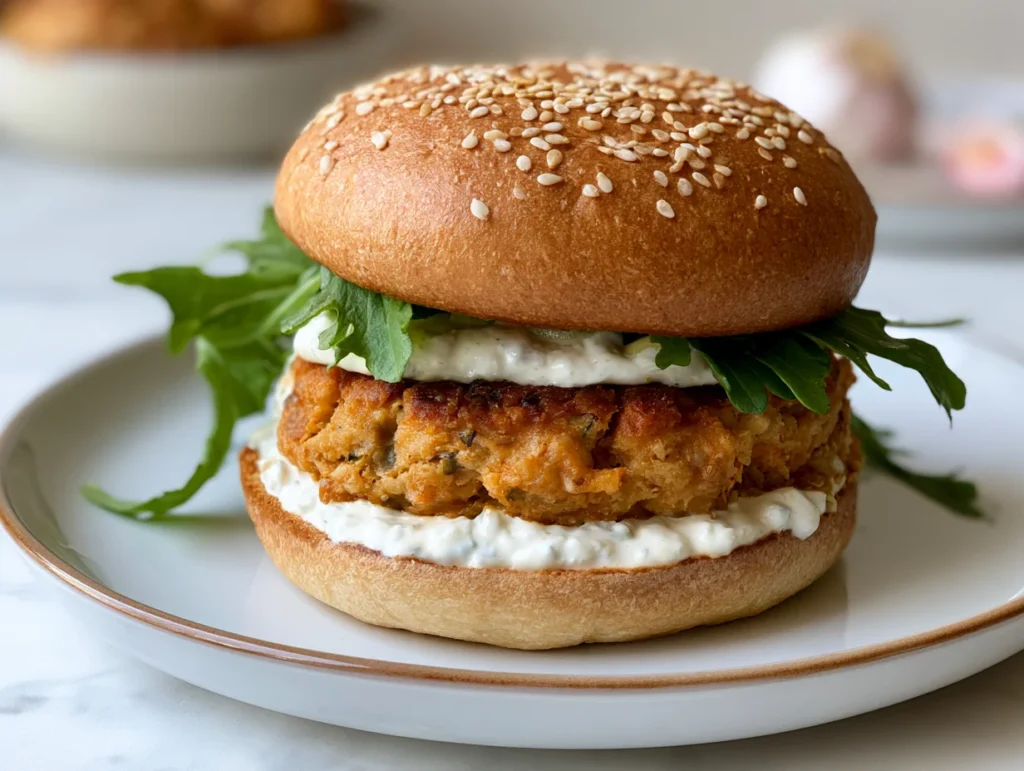
Heat the remaining olive oil in a cast iron skillet or non-stick pan over medium-high heat. Once shimmering, add the patties — do not overcrowd the pan. Cook for four to five minutes per side without pressing them down. You want a deep, caramelized crust to form before you attempt the flip. If they feel like they are sticking, give them another thirty seconds — they will release naturally when ready. Serve immediately on toasted brioche buns with your toppings of choice, or let them cool for meal prep.
Cook Time
Total
45 minutes (plus 30–60 minutes chilling time)
Prep
15 minutes
Bake/Cook
25–30 minutes
Servings
This recipe yields six generously sized veggie burger patties — enough to feed a table of six comfortably, or to leave you with satisfying leftovers for the days ahead.
For a family dinner or a casual gathering, the yield is just right. Pair each patty with a toasted bun, a handful of toppings, and a side of oven-baked fries or a crisp green salad and you have a complete, well-balanced meal without much additional effort.
Makes approximately 6 patties (one per serving). For smaller households, the recipe halves cleanly without any adjustment to timing or technique. For larger crowds, it scales up just as easily — simply double or triple the quantities and cook in batches to ensure each patty gets proper contact with the pan.
Common Mistakes in This Recipe
The most frequent mistake home cooks make with veggie burgers is skipping the bean-drying step. Black beans hold a significant amount of moisture, and if that moisture is not removed before mixing, it works against every other ingredient in the patty. Wet beans lead to a mixture that is too loose to hold its shape, patties that spread during cooking, and a soggy interior that never fully firms up — no matter how long you cook them.
Over-mashing is another issue that quietly ruins the texture. The temptation to blend the beans into a smooth paste is understandable, but it removes the chunky, hearty bite that makes a veggie burger feel satisfying. A smooth bean mixture also becomes dense and gummy once cooked, which is the opposite of what you are after.
Skipping the refrigeration period is perhaps the most impulsive mistake of all. It feels unnecessary when you are hungry and the mixture already holds a shape in your hands. But chilling is what allows the binders to do their job — the eggs set slightly, the breadcrumbs absorb the moisture, and the patties become structurally solid.
Finally, cooking on heat that is too low is something many people do out of caution, worrying the outside will burn before the inside cooks through. But low heat means no crust. No crust means the patty is fragile, pale, and more likely to break when flipped.
Solutions to Common Mistakes
To solve the moisture problem, make the bean-drying step non-negotiable. Use a clean kitchen towel, press firmly, and let them rest for at least ten minutes. For drier conditions, spread the beans on a sheet tray and slide them into a low oven at 300°F for five minutes before mashing.
For better texture, stop mashing when the mixture is about three-quarters broken down. Run a fork through the bowl and deliberately leave visible whole and half beans. The contrast between smooth and chunky is actually what gives the final patty its most satisfying bite.
For the chilling issue, simply build it into your routine. Make the mixture up to twenty-four hours ahead and refrigerate overnight. You will find that the patties cook better, flip cleaner, and taste more developed when the flavors have had time to meld.
For proper crust formation, use medium-high heat and a well-seasoned cast iron or stainless skillet. Add enough oil to lightly coat the surface, and resist the urge to move the patty once it goes in. Patience at this stage is what separates a restaurant-quality result from a home-cook disappointment.
Nutritional Information (approx. per serving)
- Calories: 285 kcal
- Protein: 13g
- Carbohydrates: 38g
- Dietary Fiber: 9g
- Total Fat: 9g
- Saturated Fat: 1.5g
- Sodium: 420mg
- Iron: 3.2mg (18% DV)
- Calcium: 65mg
- Potassium: 480mg
Black beans are one of the most nutrient-dense legumes available, packed with plant-based protein and slow-digesting fiber that keeps blood sugar stable and hunger at bay for hours. The high fiber content also supports gut health by feeding beneficial gut bacteria.
The carrots and garlic in this recipe contribute meaningful antioxidant activity — beta-carotene from the carrots and allicin compounds from the garlic both have well-established roles in supporting immune function and reducing inflammation in the body.
Smoked paprika and cumin are more than just flavor-builders. Both spices contain antioxidant compounds that have been shown in research to support metabolic health and reduce oxidative stress when consumed regularly as part of a balanced diet.
Because this recipe is baked or pan-cooked with minimal oil, it remains lower in saturated fat than most traditional beef burgers while delivering comparable protein, making it an excellent choice for anyone managing heart health or simply trying to make more mindful food choices.
Storage Instructions
Once cooked, veggie burger patties can be stored in an airtight container in the refrigerator for up to four days. Allow them to cool completely before sealing to prevent steam from softening the crust you worked to develop during cooking. Layer patties between sheets of parchment paper if stacking to prevent sticking.
For longer storage, the uncooked patties freeze exceptionally well. Place shaped, chilled patties on a parchment-lined tray and freeze until solid — about two hours — then transfer to a zip-lock freezer bag or airtight container. They will keep in the freezer for up to three months without any significant loss of texture or flavor.
To reheat refrigerated patties, a quick five-minute pass in a lightly oiled skillet over medium heat restores the crust beautifully. The microwave works in a pinch but softens the exterior. For frozen patties, cook directly from frozen in a covered skillet over medium-low heat for six to seven minutes per side, or thaw overnight in the refrigerator before using your preferred cooking method.
Avoid storing cooked patties with toppings or sauce already applied — the moisture from tomatoes, lettuce, and condiments will soften the patty quickly. Store components separately and assemble only when you are ready to eat for the best results.
Suggestions
This veggie burger is at its absolute best on a toasted brioche bun with a smear of garlic aioli, a thick slice of ripe tomato, crisp butter lettuce, and pickled red onions. The acidity of the pickles cuts through the earthiness of the black beans in a way that feels both intentional and deeply satisfying.
For a more elevated presentation, try a chipotle mayo (simply blend canned chipotle peppers in adobo with mayonnaise), a slice of pepper jack cheese melted directly on the patty during the last minute of cooking, and a handful of shredded purple cabbage for crunch and color. This combination leans into the smoky, spicy notes already built into the patty.
Beyond the bun, these patties are remarkably versatile. Crumble a cooked patty over a grain bowl with roasted sweet potato, avocado, and tahini dressing. Slice one thin and fold it into a warm tortilla with black bean salsa and sour cream for a quick weeknight taco situation. Or serve it alongside a bowl of tomato soup in the colder months.
For those avoiding gluten, swap the breadcrumbs for certified gluten-free oat flour or crushed gluten-free crackers. The texture adapts without protest, and the overall flavor profile stays entirely intact. Vegan adaptations are equally straightforward — replace the eggs with two flax eggs (one tablespoon ground flaxseed mixed with three tablespoons water per egg, rested for five minutes) and the result is nearly indistinguishable.
Seasonal Relevance
In spring and early summer, this veggie burger sits right at the center of the table when grilling season kicks back into gear. The earthy warmth of black beans and smoked paprika makes it feel grounded and seasonal, especially when topped with spring produce — shaved radishes, microgreens, and a bright herb yogurt sauce all complement the patty beautifully.
Summer is arguably this burger’s peak season. Grilling the patties rather than pan-cooking them adds a layer of smokiness that deepens the flavor in ways that are hard to achieve indoors. Use a well-oiled, preheated grill over medium heat and cook with the lid closed. The patties are firm enough from chilling to hold their shape on the grates, and the result has a char and character that makes them genuinely grill-worthy.
Autumn calls for a richer approach. Try adding roasted corn kernels and a handful of shredded smoked gouda to the mixture before shaping. The sweetness of the corn against the smoke of the cheese brings out the warmth of the cumin and paprika in a way that feels deeply appropriate for the season.
In winter, this recipe pivots naturally into a hearty, warming meal. Serve the patties over a bed of spiced lentils or alongside roasted root vegetables rather than on a bun. The spice blend translates naturally into cold-weather cooking, and the high fiber and protein content make it a satisfying main course even on the coldest evenings.
Final Words
A great veggie burger is not built on compromise — it is built on intention. Every step in this recipe exists for a reason: drying the beans to eliminate moisture, mashing to the right texture, chilling to build structure, cooking on high heat to develop a crust. When you follow the process, the result is something genuinely worth making.
What makes this recipe stand out in a crowded field is that it does not try to imitate a beef burger. It does not use plant-based meat products or rely on anything complicated. It simply takes humble, accessible ingredients and treats them with the care they deserve. The flavor is earthy, smoky, and deeply savory. The texture is firm but not dense. The cooking process is approachable for any level of home cook.
Once you have made this recipe once, it becomes an instinct. You will find yourself adjusting the spice blend to your preferences, experimenting with add-ins, and reaching for these patties as your default answer to the question of what to make for dinner on a busy weeknight. That is the mark of a recipe worth having.
Cook it with confidence. Trust the process. And the next time someone at your table assumes a veggie burger cannot be the best thing on the grill — let the first bite do the talking.
Frequently Asked Questions
Can I make veggie burger patties without eggs?
Yes. Replace each egg with one flax egg — one tablespoon of ground flaxseed mixed with three tablespoons of water, rested for five minutes until gel-like. The binding strength is comparable, and the flavor difference is negligible once the patties are seasoned and cooked through.
Why do my veggie burgers fall apart during cooking?
The most common culprits are insufficient drying of the beans, skipping the chilling step, or cooking on heat that is too low. Make sure your beans are thoroughly dried before mashing, refrigerate the shaped patties for at least thirty minutes, and cook on medium-high heat with enough oil for a proper crust to form.
Can I grill these veggie burgers instead of pan-cooking them?
Absolutely. Chill the patties for at least one full hour before grilling — firmer patties handle the grates much better. Oil the grill grates well, use medium heat with the lid closed, and handle the patties gently when flipping. A wide, flat spatula makes the flip significantly easier and reduces the risk of breaking.
Veggie Burger Recipe
6
servings15
minutes30
minutes280
kcal45
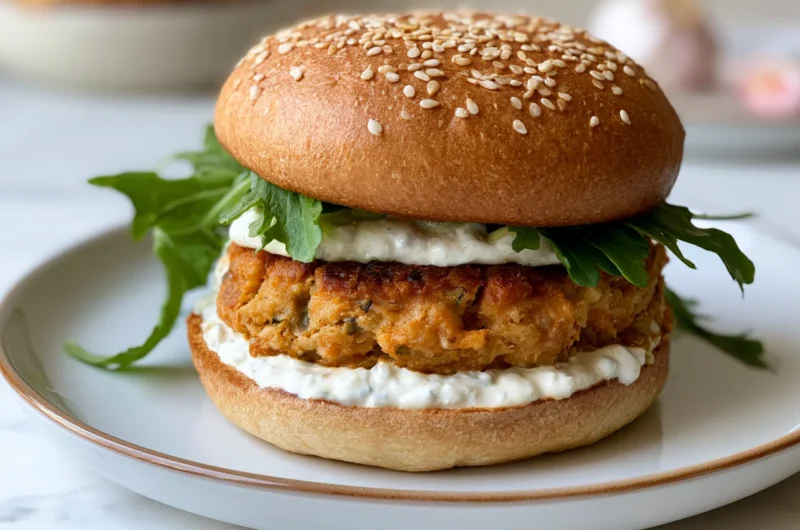
minutesA hearty, flavor-packed veggie burger built on black beans, warm spices, and fresh aromatics. Crisp on the outside, tender within — this is the plant-based burger that earns a permanent spot in your weekly rotation.
Ingredients
2 black beans, drained, rinsed, and patted dry
1 cups breadcrumbs (plain or panko)
0.5 cups finely grated carrot
0.5 cups finely diced red onion
3 garlic cloves, minced
2 large eggs
2 tablespoons olive oil (plus more for cooking)
1 tablespoons soy sauce
1 teaspoons smoked paprika
1 teaspoons cumin
0.5 teaspoons black pepper
0.5 teaspoons salt
0.3 teaspoons cayenne pepper
0.3 cups corn kernels, fresh or thawed frozen (optional)
0.3 cups finely chopped fresh cilantro (optional)
2 tablespoons crumbled feta or shredded cheddar (optional)
1 tablespoons sriracha or hot sauce (optional)
1 teaspoons vegetarian Worcestershire sauce (optional)
Directions
- Dry the beans: Spread 2 black beans, drained, rinsed, and patted dry across a clean kitchen towel and press firmly to remove all excess moisture. Let them air dry for at least 10 minutes. For best results, spread on a sheet tray and place in a 300°F oven for 5 minutes to drive out even more moisture.
- Mash the beans: Transfer the dried beans to a large mixing bowl. Using a potato masher or fork, mash until about three-quarters of the beans are broken down — you want a rough paste with visible chunks still intact, not a smooth purée.
- Sauté the aromatics: Heat 2 tablespoons olive oil (plus more for cooking) in a small skillet over medium heat. Add 0.5 cups finely diced red onion and cook for 4–6 minutes
- until softened. Add 3 garlic cloves, minced and cook for 60 seconds until fragrant. Remove from heat and let cool slightly before adding to the bean mixture.
- Combine all ingredients: Add the sautéed aromatics, 0.5 cups finely grated carrot, 1 cups breadcrumbs (plain or panko), 2 large eggs, 1 tablespoons soy sauce, 1 teaspoons smoked paprika, 1 teaspoons cumin, 0.5 teaspoons black pepper, 0.5 teaspoons salt, and 0.3 teaspoons cayenne pepper to the mashed beans. Mix until fully combined. Fold in any optional add-ins. The mixture should be firm enough to hold a shape. If too wet, add breadcrumbs one tablespoon at a time.
- Shape and chill patties: Divide the mixture into 6 equal portions. Shape each into a round patty about ¾ inch thick. Place on a parchment-lined tray and refrigerate for a minimum of 60 minutes — ideally 1 hour — until firm and cold.
- Cook the patties: Heat a drizzle of olive oil in a cast iron or non-stick skillet over medium-high heat. Add patties without overcrowding. Cook 4–10 minutes per side without pressing down, until a deep golden crust forms. Serve immediately on toasted buns with your preferred toppings.
Recipe Video
Notes
- Always dry the black beans thoroughly before mashing — excess moisture is the number one reason veggie burgers fall apart during cooking.
- Do not over-mash the beans. Leave about one-quarter of them whole or in chunks for a hearty, satisfying bite and better structural texture.
- Chilling the shaped patties is non-negotiable. A minimum of 30 minutes in the refrigerator — preferably 1 hour — ensures the patties hold together cleanly when cooked.
- Cook on medium-high heat with enough oil to coat the pan. Low heat prevents crust formation and makes flipping much harder without breaking the patty.
- For a vegan version, replace each egg with 1 flax egg: 1 tablespoon ground flaxseed mixed with 3 tablespoons water, rested for 5 minutes.
- Uncooked patties freeze well for up to 3 months. Freeze on a tray until solid, then transfer to a freezer bag. Cook directly from frozen over medium-low heat, covered, for 6–7 minutes per side.
- To grill instead of pan-cook, chill patties for at least 1 full hour first. Oil the grates well and grill over medium heat with the lid closed for best results.