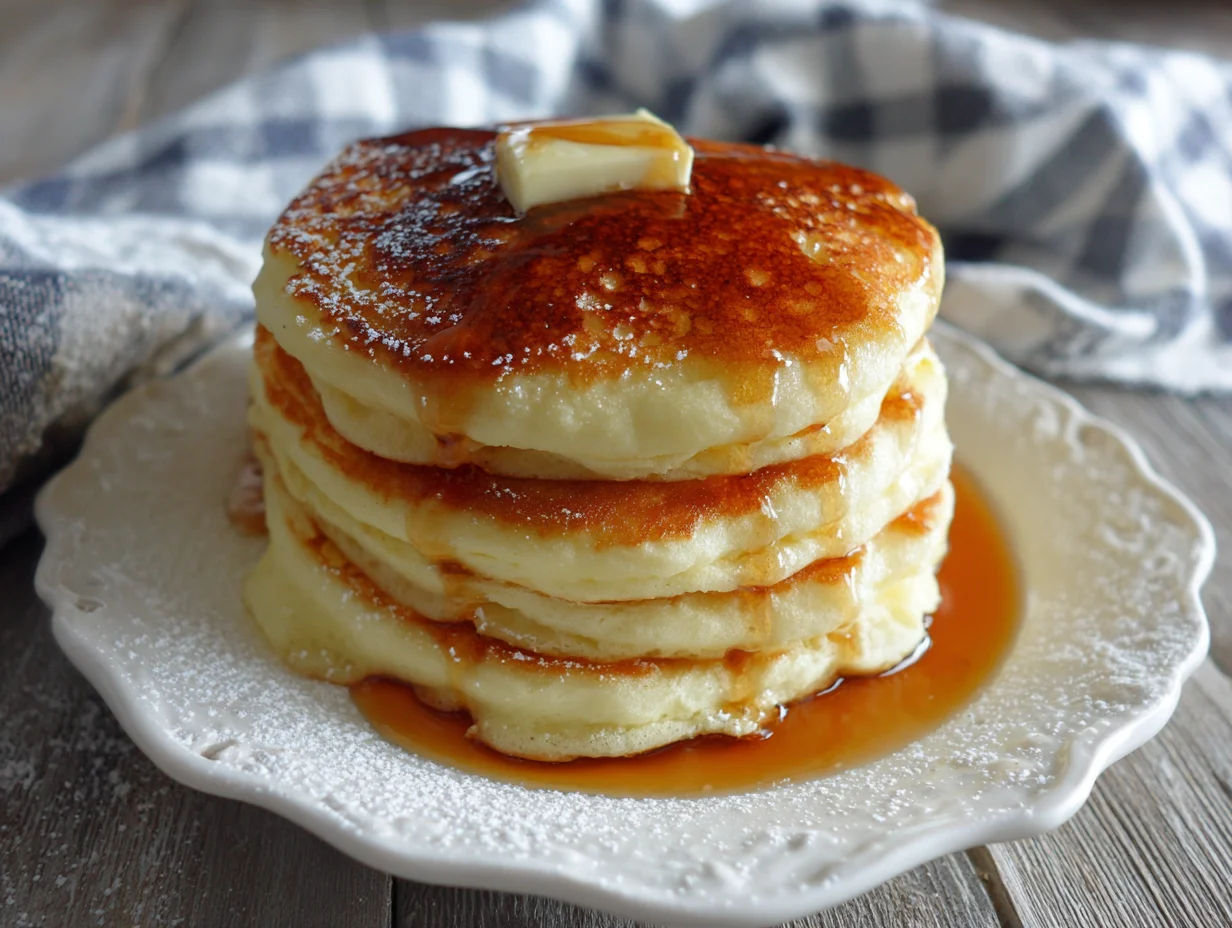
There is something deeply comforting about waking up to the smell of warm pancakes slowly cooking on the skillet. Over the years, I have tested countless pancake recipes in both home and professional kitchens, and I can confidently say that a truly fluffy pancake is not created by luck.
It comes from understanding the balance between ingredients, technique, and timing. This fluffy pancake recipe is the one I personally rely on whenever I want pancakes that are soft in the center, beautifully thick, and lightly golden on the outside.
The texture is rich yet airy, giving every bite that classic diner style feel without becoming heavy. Whether I am preparing breakfast for family, weekend guests, or simply treating myself to a cozy morning meal, this recipe consistently delivers bakery quality pancakes with simple ingredients and dependable results.
? For a sweet breakfast twist, check out our Fluffy Cake Donut Recipe that melts in your mouth.
The Texture Mistake I See Most Often in Pancake Recipes
One mistake I repeatedly notice when people make pancakes is overmixing the batter. Many believe the batter must become completely smooth before cooking, but in reality, that habit creates dense and chewy pancakes instead of soft and fluffy ones. Whenever flour is stirred too aggressively, gluten develops excessively, which changes the final texture completely.
I also see many home cooks cooking pancakes over very high heat, thinking it speeds up the process. Unfortunately, this often burns the outside while the inside remains undercooked. Another common issue is pressing pancakes down with a spatula during cooking.
This removes the air pockets responsible for height and softness. Even skipping the resting time affects results more than most people realize. A good pancake batter needs a few quiet minutes to hydrate properly and build the airy structure that creates thick, tender pancakes.
My Proven Method for Soft and Thick Pancakes Every Time
The method I personally follow for fluffy pancakes is simple but extremely effective. First, I always mix the batter gently and stop stirring as soon as the flour disappears. A few small lumps are completely normal and actually help create a softer texture after cooking.
I also let the batter rest for several minutes before it touches the skillet because this allows the baking powder to activate properly. Another important step is controlling heat carefully. I always cook pancakes over medium heat because it creates even browning while giving the inside enough time to cook fully.
I never press pancakes down with a spatula since that destroys the air pockets that make them thick. Fresh baking powder is equally important in my kitchen because expired leavening agents lead to flat pancakes with very little rise or softness.
Ingredients List
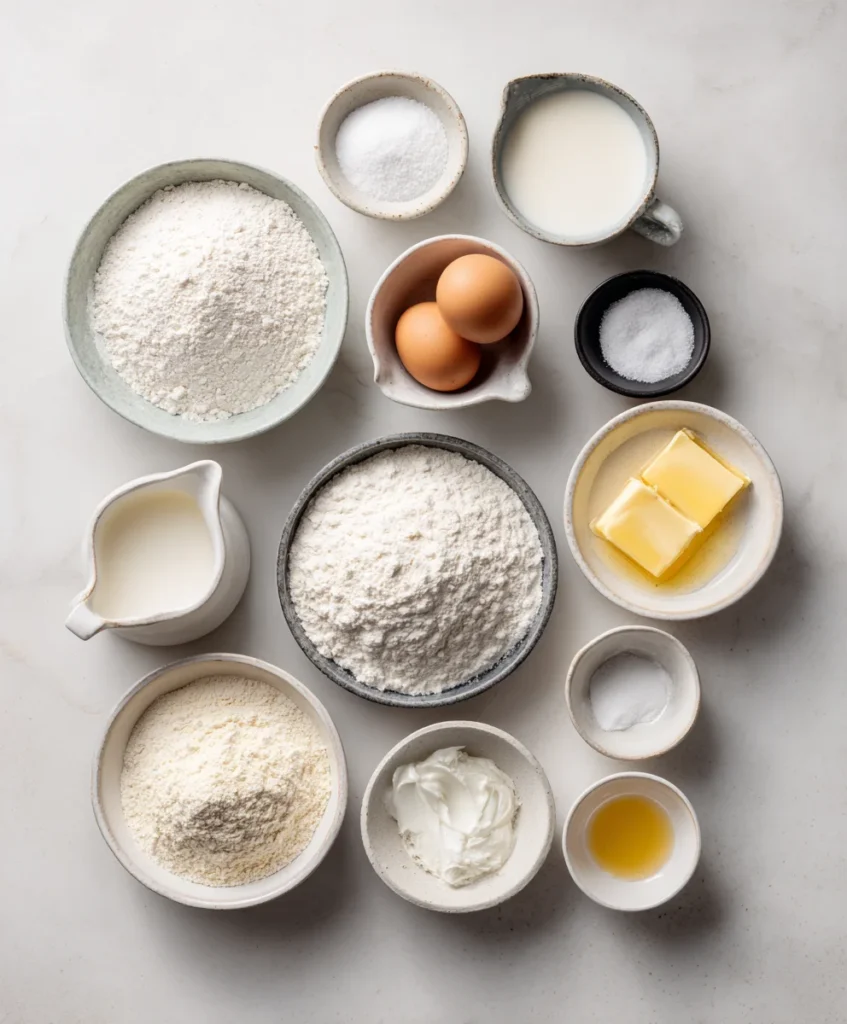
Base Ingredients:
- 2 cups all purpose flour
- 2 tablespoons granulated sugar
- 1 tablespoon baking powder
- 1/2 teaspoon baking soda
- 1/2 teaspoon salt
- 2 large eggs
- 1 3/4 cups whole milk
- 1/4 cup melted unsalted butter
- 1 teaspoon vanilla extract
- Butter or oil for cooking
Optional Add-ins:
- Fresh blueberries
- Chocolate chips
- Sliced bananas
- Cinnamon powder
- Chopped strawberries
- Maple syrup
- Whipped cream
- Crushed nuts
- Honey drizzle
- Caramel sauce
Step-by-Step Instructions
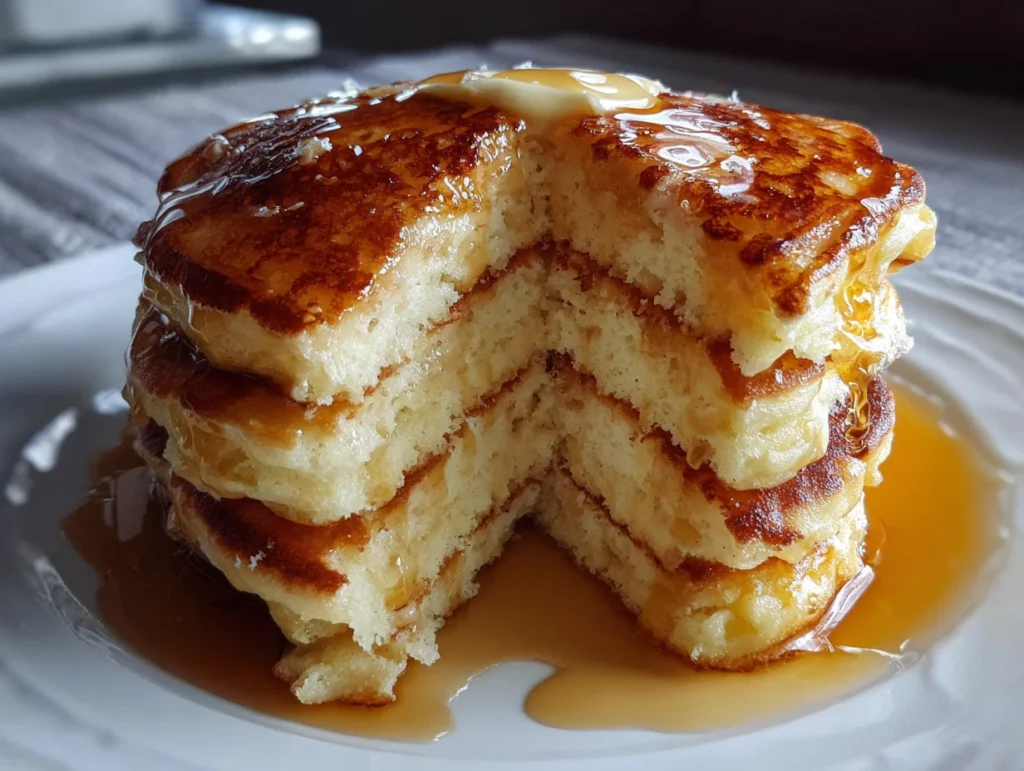
Prepare the Dry Ingredients
Whenever I prepare pancake batter, I begin with the dry ingredients because even distribution is essential for consistent texture. In a large bowl, I combine the flour, sugar, baking powder, baking soda, and salt. I whisk them thoroughly to ensure the leavening agents spread evenly throughout the mixture. This step may seem simple, but it directly affects how evenly the pancakes rise while cooking.
I also recommend measuring flour carefully instead of scooping directly from the bag because packed flour creates heavier pancakes. Sometimes I sift the ingredients for extra softness, especially when serving guests. A properly prepared dry mixture creates the strong foundation needed for pancakes that are light inside yet still thick and satisfying. From my experience, attention to small details at this stage makes a noticeable difference in the final texture and overall quality of the pancakes.
Mix the Wet Ingredients Carefully
In a separate bowl, I whisk the eggs first until they become smooth and slightly airy. After that, I add the milk, melted butter, and vanilla extract before mixing everything together thoroughly. I always make sure the butter has cooled slightly because very hot butter can affect the eggs and change the batter consistency. Whole milk remains my preferred choice because it gives pancakes a richer flavor and softer texture.
Combining wet ingredients separately helps prevent overmixing later once they meet the dry ingredients. When I pour the wet mixture into the flour mixture, I stir gently and stop as soon as the flour disappears. I never chase a perfectly smooth batter because slight lumps are actually beneficial for fluffy pancakes. This simple technique consistently gives me pancakes that feel soft, airy, and professionally made without requiring complicated ingredients or advanced kitchen skills.
Rest the Batter for Better Texture
One habit I never skip when making pancakes is allowing the batter to rest before cooking. I usually leave it untouched for five to seven minutes while the skillet heats gently over medium heat. During this short resting period, the flour absorbs moisture evenly and the baking powder begins creating air bubbles throughout the batter. This process significantly improves fluffiness and overall texture.
I avoid stirring the batter repeatedly because doing so breaks down the trapped air responsible for thick pancakes. If the batter feels slightly too thick after resting, I sometimes add a tablespoon of milk, but only when necessary. While the batter rests, I lightly grease my skillet with butter because it adds flavor and creates beautiful golden edges during cooking. In my experience, resting the batter is one of the easiest ways to achieve restaurant style pancakes with almost no extra effort.
? If you enjoy simple breakfast ideas, don’t miss our Peanut Butter Overnight Oats Recipe for a no-cook nutritious meal.
Cook the Pancakes Evenly
When the skillet is properly heated, I pour the batter using a measuring cup so every pancake cooks evenly and maintains similar size. I always leave enough space between pancakes because they spread slightly during cooking. I wait patiently until bubbles appear on the surface and the edges begin looking slightly dry before flipping them.
This usually takes around two to three minutes depending on heat levels. Once flipped, the second side cooks quickly and develops a rich golden color. One thing I never do is press pancakes with a spatula because that removes the air pockets responsible for softness. Medium heat has always produced the best results in my kitchen because it cooks the center thoroughly without burning the outside. This balanced cooking method consistently gives me pancakes that are thick, fluffy, evenly browned, and soft enough to melt beautifully with butter and syrup.
Serve While Fresh and Warm
I truly believe pancakes taste best the moment they leave the skillet. As soon as each batch finishes cooking, I stack them carefully and serve them warm with favorite toppings. My personal favorites include butter, maple syrup, fresh berries, and lightly whipped cream because they complement the soft texture perfectly. Sometimes I dust a little powdered sugar over the top for a bakery style presentation when serving guests.
If I am making pancakes for a larger breakfast gathering, I keep finished pancakes warm in a low temperature oven while the remaining batches cook. I avoid covering them tightly because trapped steam softens the exterior too much. What I enjoy most about this recipe is its versatility. These pancakes work beautifully for casual family breakfasts, holiday brunches, or even slow weekend mornings when comfort food feels especially satisfying and memorable.
Cook Time
- Total: 25 minutes
- Prep: 10 minutes
- Bake: 15 minutes
Servings
Whenever I make this fluffy pancake recipe, it usually produces around eight to ten medium sized pancakes, depending on how much batter I use for each one. In my kitchen, this amount comfortably serves four people for breakfast or brunch. If I am cooking for guests or a larger family gathering, I simply double the ingredients because the recipe scales very well without affecting texture.
These pancakes are naturally filling because of their thick and airy structure, so a small stack often feels surprisingly satisfying. I also like serving them alongside eggs, fruit, or breakfast sausages to create a more complete meal. For children, I sometimes make smaller pancakes because they are easier to serve and enjoy. The flexibility of this recipe is one reason I continue returning to it whenever I want a dependable homemade breakfast that feels both comforting and professionally prepared.
Nutritional Information (approx. per serving)
- Calories: 290
- Protein: 7g
- Carbohydrates: 34g
- Fat: 13g
- Saturated Fat: 6g
- Sugar: 8g
- Fiber: 1g
- Sodium: 390mg
What I appreciate most about these pancakes is that they feel indulgent while still providing balanced breakfast nutrition. The eggs contribute protein, while milk and butter add richness and important nutrients that help create a satisfying morning meal. When I want to make the recipe slightly healthier, I often add fresh berries or sliced bananas because they provide natural sweetness and extra fiber.
Homemade pancakes also give me complete control over ingredients, which is something I always prefer over packaged breakfast products. Sometimes I substitute part of the flour with whole wheat flour for additional nutrients without sacrificing too much softness. Because these pancakes are thick and filling, moderate portions usually satisfy hunger very well. In my experience, a homemade breakfast prepared with quality ingredients always feels more nourishing, comforting, and enjoyable than heavily processed alternatives from stores or restaurants.
? You might also like our quick and easy Healthy Banana Chocolate Chip Muffins Recipe for a wholesome breakfast option.
Storage Instructions
Whenever I have leftover pancakes, I always allow them to cool completely before storing because trapped heat creates moisture that can ruin the texture. I place the pancakes inside an airtight container with small sheets of parchment paper between layers to prevent sticking. In the refrigerator, they stay fresh for up to three days while maintaining good softness and flavor. For longer storage, I freeze them individually on a tray first before transferring them into freezer bags.
This method makes reheating much easier because the pancakes do not stick together. When reheating, I prefer using a skillet or toaster because it restores texture better than a microwave. I also avoid overheating since excessive heat dries the pancakes quickly. Proper storage allows me to enjoy homemade pancakes during busy mornings without preparing batter again, while still keeping the flavor and texture surprisingly fresh and satisfying.
Suggestions
Over the years, I have experimented with many small adjustments to improve pancake flavor and texture, and a few techniques consistently stand out. One of my favorites is replacing part of the milk with buttermilk because it creates softer pancakes with a slight tang that tastes incredible. I also enjoy adding cinnamon or nutmeg during colder months because the aroma feels warm and comforting. For sweeter variations, I sometimes fold chocolate chips or mashed bananas directly into the batter before cooking.
Fresh berries are another excellent addition because they balance richness with natural freshness. I strongly recommend using real butter instead of margarine whenever possible because the flavor difference is noticeable. A heavy nonstick skillet also improves browning and cooking consistency significantly. In my experience, serving pancakes immediately after cooking always delivers the best texture, especially when paired with quality maple syrup or seasonal fruit toppings.
Seasonal Relevance
One reason I continue making fluffy pancakes throughout the year is because they adapt beautifully to every season. During winter mornings, I love serving them with warm maple syrup, cinnamon, and caramelized apples because the flavors feel comforting and cozy. In spring and summer, fresh strawberries, blueberries, peaches, and whipped cream create a lighter and brighter breakfast experience.
Autumn is especially perfect for pumpkin spice inspired pancakes topped with toasted nuts and warm syrup. These seasonal adjustments keep the recipe exciting without changing the core cooking method. I also find pancakes ideal for holiday mornings, family brunches, and relaxed weekend breakfasts regardless of the time of year. Since the ingredients are simple pantry staples, this recipe remains practical and accessible in every season. Its versatility allows me to create different flavor combinations while still maintaining the same soft, thick, and comforting pancake texture I love.
After years of testing breakfast recipes, this fluffy pancake recipe remains one of the most dependable and rewarding recipes in my kitchen. The combination of soft texture, thick structure, and rich buttery flavor creates pancakes that feel comforting while still looking professionally made. What I appreciate most is that the recipe relies on proper technique rather than complicated ingredients, making it accessible for both beginners and experienced cooks.
By mixing gently, resting the batter, and controlling heat carefully, anyone can achieve pancakes that rival those served in quality breakfast restaurants. I have served these pancakes during quiet family mornings, festive brunches, and special holiday breakfasts, and they consistently receive the same enthusiastic reaction. For me, great pancakes are about more than breakfast alone. They create warmth, comfort, and memorable moments around the table, which is exactly why I continue returning to this recipe again and again.
? For another cozy morning treat, try our Moist Banana Cake Recipe that’s soft and rich in flavor.
Frequently asked questions
1. Can I make pancake batter the night before?
Yes, I sometimes prepare parts of the batter ahead of time when planning busy mornings. However, for the fluffiest pancakes, I prefer combining the wet and dry ingredients shortly before cooking. This keeps the baking powder active and helps the pancakes rise properly while maintaining a softer and lighter texture after cooking.
2. Why are my pancakes pale instead of golden brown?
From my experience, pale pancakes usually mean the skillet temperature is too low. I always preheat the pan properly and cook over medium heat for balanced browning. A small amount of butter in the pan also helps create richer color and improves overall flavor without burning the pancakes too quickly.
3. Can I use whole wheat flour instead of all purpose flour?
Yes, I occasionally use whole wheat flour when I want a more wholesome version. However, whole wheat absorbs more liquid and creates denser pancakes. I usually replace only half the flour because this keeps the pancakes soft and fluffy while still adding extra fiber and nutritional value.
4. What toppings work best with fluffy pancakes?
I personally enjoy classic maple syrup and butter, but fresh berries, bananas, whipped cream, honey, and toasted nuts also pair beautifully with these pancakes. Seasonal fruit works especially well because it adds freshness and natural sweetness without overpowering the soft texture or rich buttery flavor of the pancakes.
5. How do I keep pancakes warm for serving later?
When serving larger groups, I place cooked pancakes on a baking tray inside a low temperature oven around 200 degrees Fahrenheit. I avoid stacking them too tightly because steam softens the surface. This method keeps pancakes warm, soft, and freshly cooked tasting until the entire breakfast is ready to serve.