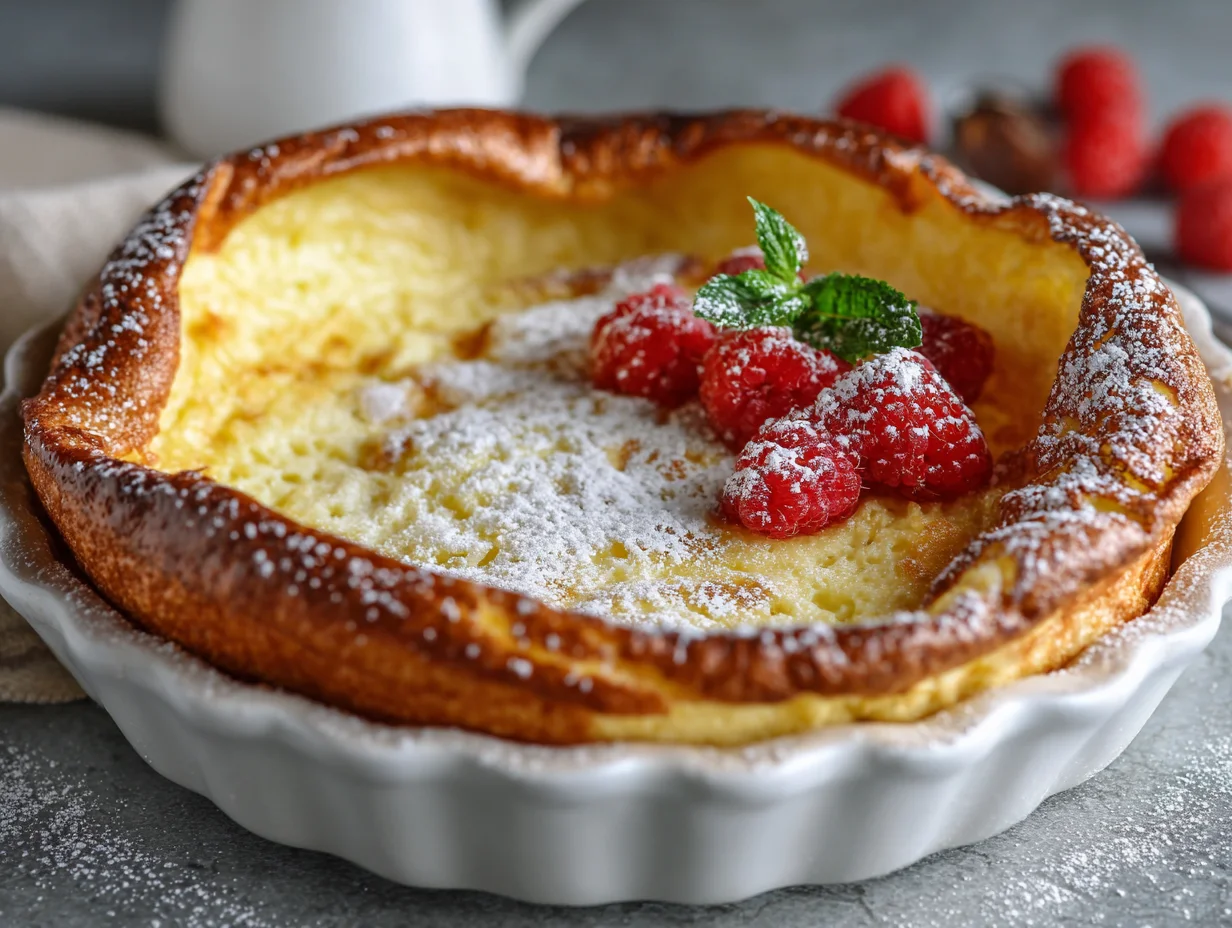
The first time I pulled a German pancake from the oven, I understood why this recipe has remained a timeless breakfast favorite for generations. Watching the buttery edges rise high above the pan while the center stayed soft and custard,like felt more like baking magic than a simple breakfast recipe.
Over the years, I have tested countless pancake recipes, but this oven baked German pancake continues to stand out because of its simplicity, texture, and rich flavor. It requires only a handful of basic ingredients, yet the final result feels elegant enough for a luxury brunch table.
Whether I am serving it during slow weekend mornings or special family gatherings, this recipe never disappoints. The crisp golden edges, warm vanilla aroma, and soft center create a breakfast experience that feels comforting, impressive, and incredibly satisfying every single time.
? For a cozy brunch idea, you’ll enjoy our Fluffy Pumpkin Spice Waffles Recipe
The Hidden Mistake That Affects The Perfect Rise
One mistake I frequently notice when people make German pancakes is rushing the preparation process. Many home cooks use cold milk and eggs directly from the refrigerator, and while it may seem harmless, it dramatically affects how the pancake rises in the oven.
I learned early in my kitchen experience that room temperature ingredients create a smoother batter and help the pancake puff beautifully. Another common issue is placing the batter into a pan that is not fully heated. The sizzling butter and hot pan are essential for creating those signature crispy edges.
I have also seen people repeatedly open the oven door during baking, which causes the pancake to collapse before it finishes rising properly. Small details like temperature, timing, and gentle mixing make a huge difference in transforming an ordinary pancake into a bakery-style German pancake with perfect texture and flavor.
My Proven Method For Bakery Style Results
After years of preparing oven baked breakfasts, I discovered that consistency is everything when making a perfect German pancake. I always allow the eggs and milk to sit at room temperature before blending because it creates a lighter, smoother batter. One of my favorite professional techniques is preheating the baking dish with butter already inside the oven.
The moment the batter touches the hot buttery surface, it immediately starts building those crisp golden edges that make this recipe unforgettable. I also avoid overmixing because too much gluten development can make the pancake chewy instead of delicate.
Keeping the oven closed during baking is another rule I never ignore. Every time I follow these simple but important steps, the pancake rises beautifully with dramatic edges and a soft custard center. These small adjustments consistently create restaurant-quality results right at home.
Ingredients List
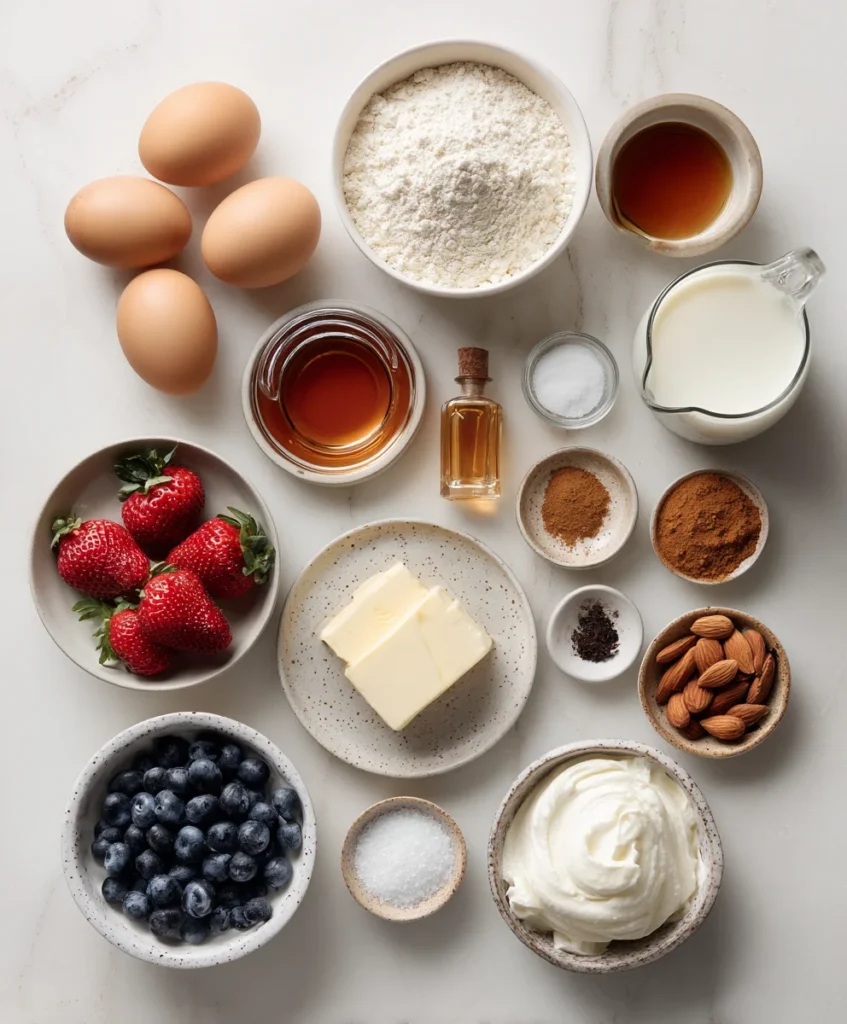
Base Ingredients:
- 6 large eggs
- 1 cup whole milk
- 1 cup all-purpose flour
- 1 teaspoon vanilla extract
- 1 tablespoon granulated sugar
- 1/4 teaspoon salt
- 4 tablespoons unsalted butter
- Powdered sugar for topping
- Maple syrup for serving
Optional Add-ins:
- Fresh strawberries
- Blueberries
- Caramelized apples
- Cinnamon powder
- Lemon zest
- Nutmeg
- Whipped cream
- Honey drizzle
- Toasted almonds
- Chocolate chips
Step-by-Step Instructions
Prepare The Oven And Batter
Whenever I prepare this recipe, I begin by preheating the oven to 425°F with my baking dish or cast iron skillet already inside. In my experience, this single step creates the dramatic puff and crispy edges that make German pancakes special. While the oven heats, I blend the eggs, milk, flour, vanilla extract, sugar, and salt until the batter becomes completely smooth.
I avoid overmixing because it can create a heavier texture instead of a light custard-like center. Once the pan is hot, I carefully melt the butter inside and immediately pour in the batter. The sizzling sound tells me the pancake will rise properly. Working quickly helps preserve the heat that is necessary for baking success. This method has consistently given me bakery-style results with golden edges and soft texture every single time I make it.
? If you like simple oven baked dishes, check out our Easy Chicken Tenders Recipe
Bake Until Beautifully Golden
I always place the pancake directly into the fully heated oven and resist the temptation to open the door during baking. This recipe depends heavily on stable heat, and even small temperature changes can affect the final rise. As the pancake bakes, the edges begin climbing dramatically around the sides of the pan while the center develops a soft custard texture.
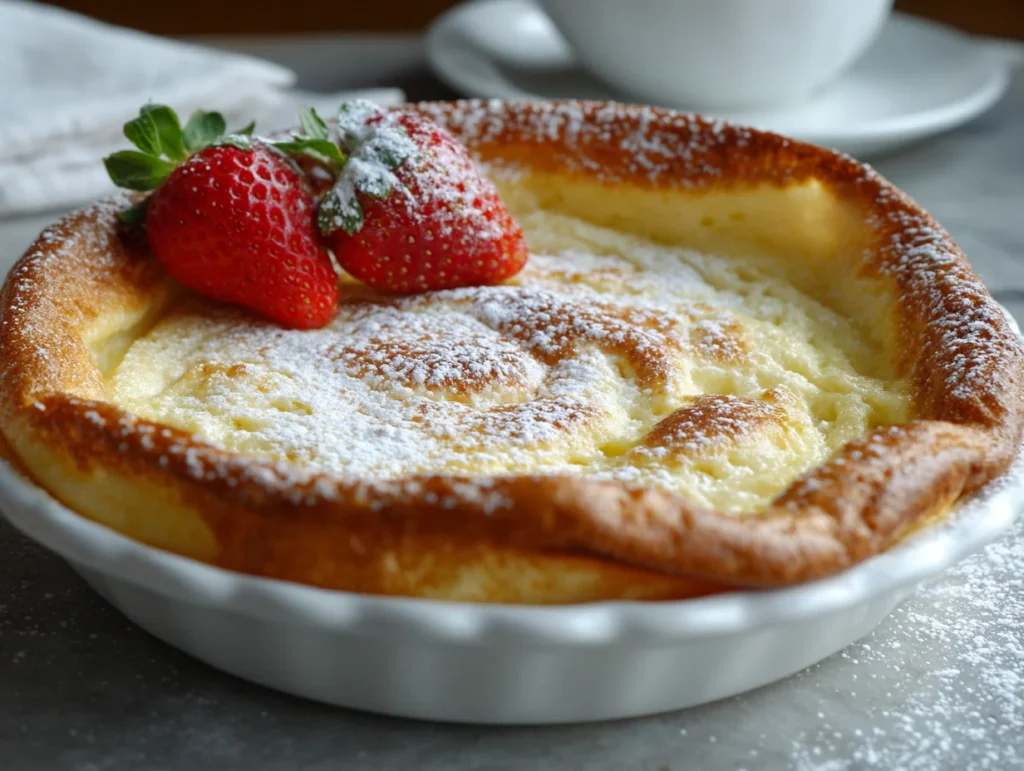
The rich aroma of butter and vanilla filling the kitchen is honestly one of my favorite parts of this recipe. After about twenty minutes, the surface becomes beautifully golden with slightly crisp edges. Once removed from the oven, the pancake naturally settles slightly, which is completely normal. I immediately dust it with powdered sugar while still warm because it melts lightly into the surface and adds a delicate sweetness that perfectly balances the buttery flavor of the pancake.
Finish With Toppings And Serve Fresh
I personally believe German pancakes taste best when served immediately after baking. The contrast between the crisp edges and the soft center is at its peak during those first few minutes. I usually top mine with fresh berries, maple syrup, and a light dusting of powdered sugar for a classic presentation. When I want something more elevated, I add caramelized apples with cinnamon or whipped cream with toasted almonds.
One thing I truly appreciate about this recipe is how flexible it can be depending on the season or occasion. For family brunches, I often place the skillet directly on the table because the dramatic puffed appearance always impresses guests. The warm buttery flavor combined with fresh toppings creates a breakfast that feels both comforting and luxurious. Every serving delivers the perfect balance of texture, sweetness, and homemade warmth.
Cook Time
Total: 30 minutes
Prep: 10 minutes
Bake: 20 minutes
Servings
Whenever I prepare this German pancake recipe, it comfortably serves about four to six people depending on portion size and toppings. I usually make it for weekend family breakfasts because it feels filling without becoming overly heavy. When serving guests during brunch gatherings, I sometimes double the recipe and bake two separate pans to maintain the perfect texture and oven rise.
What I enjoy most is how satisfying each slice feels despite using such simple ingredients. Pairing it with fresh fruit, coffee, or breakfast sausages easily turns it into a complete meal. The rich eggs and buttery texture make even smaller portions feel substantial and comforting. In my kitchen, this recipe has become one of those dependable dishes that works equally well for casual mornings and special occasions while still feeling elegant enough to impress everyone at the table.
Makes approximately 4 to 6 servings.
Nutritional Information (approx. per serving)
- Calories: 260
- Protein: 9g
- Carbohydrates: 21g
- Fat: 15g
- Saturated Fat: 8g
- Sugar: 5g
- Fiber: 1g
- Sodium: 220mg
I appreciate this recipe because it offers a balanced breakfast without feeling overly processed or heavy. The eggs provide excellent protein that helps keep energy levels steady throughout the morning, while milk contributes calcium and richness. Since the pancake is baked rather than fried, it often feels lighter compared to many traditional breakfast options.
I also enjoy adding fresh berries because they naturally increase fiber, antioxidants, and vitamins without overpowering the buttery flavor. Using quality ingredients like pure vanilla extract and real butter noticeably improves both taste and nutritional value. In my experience, German pancakes satisfy cravings for comfort food while still fitting beautifully into a balanced breakfast routine. When paired with fruit and moderate toppings, this recipe becomes both nourishing and indulgent in the most enjoyable way possible.
? For a perfect sweet pairing, you’ll also love our Classic Vanilla Cake Recipe Ever
Storage Instructions
Whenever I have leftovers, I allow the German pancake to cool completely before storing it in an airtight container. In my experience, proper cooling prevents excess moisture from building up and helps preserve the texture much better. I usually refrigerate leftovers for up to three days, and they still taste surprisingly delicious when reheated correctly. Instead of microwaving immediately, I prefer warming slices in the oven because it helps restore some of the crispness around the edges.
If I am saving portions for later in the week, I individually wrap slices before freezing to maintain freshness. Although the texture becomes slightly softer after thawing, the flavor remains rich and satisfying. I have found that gentle reheating works best because overheating can make the pancake rubbery. Stored properly, this recipe stays convenient for quick breakfasts without losing its homemade quality and buttery flavor.
Suggestions
Over time, I have experimented with countless topping combinations for German pancakes, and some pairings truly elevate the experience. For classic flavor, I always recommend fresh berries, maple syrup, and powdered sugar because they complement the buttery pancake beautifully. When I want a more premium brunch presentation, I use caramelized apples, cinnamon, toasted nuts, or homemade whipped cream. Citrus flavors like lemon zest also add brightness that balances the richness perfectly.
I often serve this pancake with coffee, fresh juice, or even savory breakfast sides to create a complete meal. One thing I genuinely love about this recipe is its versatility across seasons and occasions. Whether I am preparing a relaxed family breakfast or hosting guests for brunch, the presentation always feels elegant without requiring complicated preparation. Small finishing touches can easily transform this simple recipe into a restaurant-quality breakfast experience.
Seasonal Relevance
One reason I continue making this German pancake recipe throughout the year is because it adapts beautifully to every season. During winter mornings, I enjoy serving it with warm cinnamon apples, maple syrup, and nutmeg for a comforting breakfast that feels cozy and rich. In spring and summer, fresh strawberries, blueberries, peaches, and whipped cream create a lighter and more refreshing version that feels perfect for brunch gatherings.
Autumn flavors like caramel pears and toasted pecans also work exceptionally well with the buttery baked texture. Because the recipe relies on basic pantry ingredients, it remains practical no matter the season. I especially appreciate how visually impressive the pancake looks when it rises dramatically in the oven, making it ideal for holiday breakfasts and festive family meals. Its flexibility allows me to create something special year-round without changing the core recipe too much.
After making this recipe countless times, I can confidently say that German Pancake Recipe Oven Baked Style is one of the most rewarding breakfast dishes anyone can learn. It combines simple ingredients with professional-level presentation in a way that feels both effortless and impressive. The crisp golden edges, soft custard center, and rich buttery flavor create a breakfast experience that always feels comforting and memorable.
I personally love how adaptable the recipe is because seasonal fruits, syrups, and toppings can completely transform the final presentation. More importantly, it delivers consistent results when the small preparation details are followed carefully. Whether you are cooking for family, hosting a brunch, or simply treating yourself on a quiet weekend morning, this recipe creates the kind of meal people genuinely remember. In my kitchen, it has become a timeless favorite that never fails to impress.
? If you enjoy oven-style comfort meals, try our Oven Roasted Sweet Potatoes Recipe
Frequently asked questions
1. Why does my German pancake lose height after baking?
In my experience, this is completely normal. German pancakes rise from steam created during baking, and once removed from the oven, some deflation naturally occurs. Serving the pancake immediately after baking helps preserve the dramatic puffed appearance while maintaining the ideal contrast between crisp edges and soft custard texture.
2. Can I prepare the batter in advance?
Yes, I often prepare the batter a few hours early when hosting brunch. I simply refrigerate it and allow it to sit at room temperature briefly before baking. Giving the batter time to warm slightly helps improve texture and ensures the pancake rises more evenly during the baking process.
3. Is a cast iron skillet necessary for this recipe?
I personally prefer using cast iron because it retains heat exceptionally well and creates beautifully crisp edges. However, any oven-safe baking dish can still produce excellent results. The most important factor is making sure the pan becomes fully heated before pouring in the prepared pancake batter.
4. Can I add fruits directly into the batter?
Yes, but I usually recommend adding fruits after baking instead of mixing them directly into the batter. Fresh fruits release moisture during baking, which can slightly reduce the pancake’s rise. Topping the pancake afterward helps preserve both texture and the beautiful puffed appearance from the oven.
5. What makes German pancakes different from regular pancakes?
The biggest difference is the cooking method and texture. German pancakes are baked in the oven instead of cooked individually on a stovetop. They develop dramatic puffed edges with a soft custard center, creating a richer and more elegant breakfast experience compared to traditional flat pancakes.