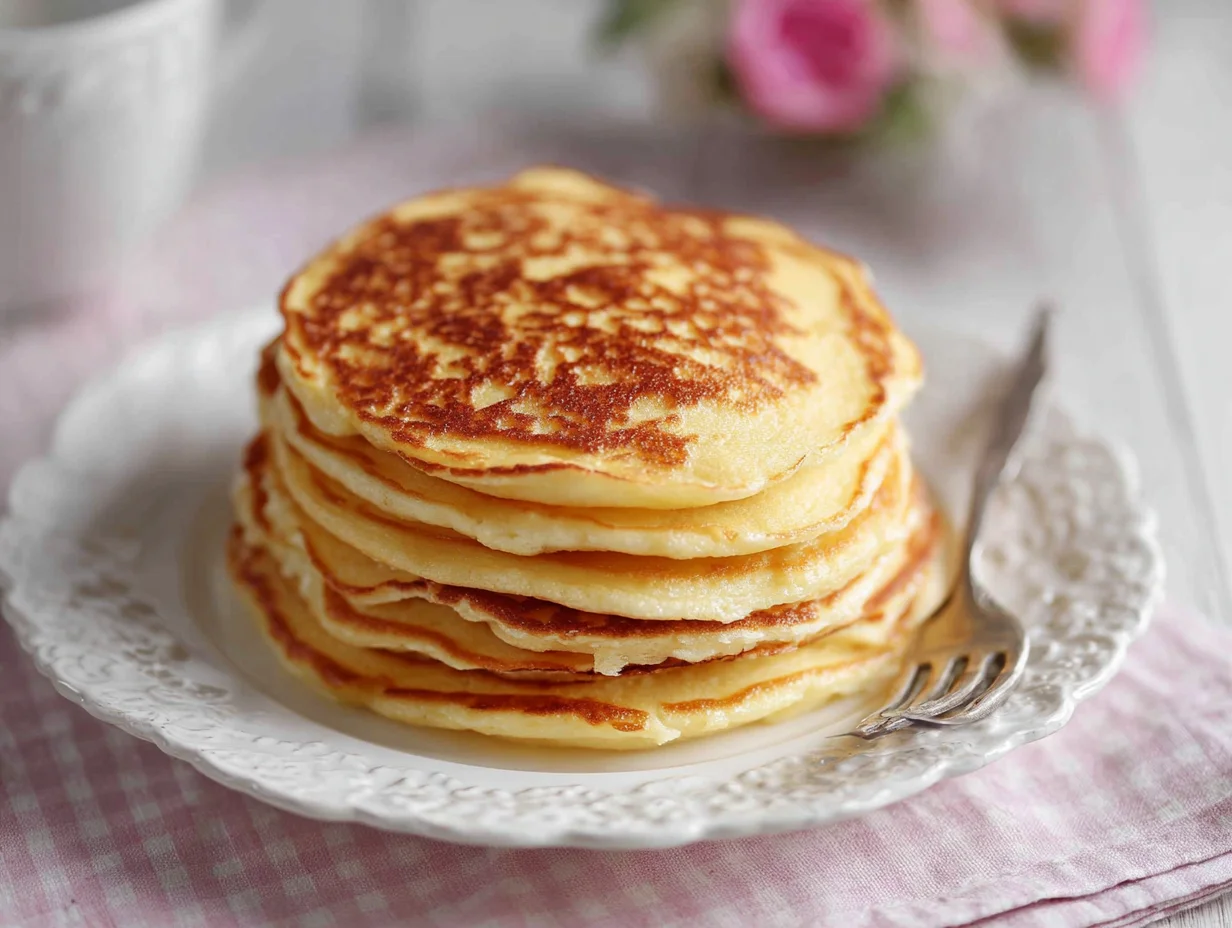
There is something deeply comforting about standing in a warm kitchen early in the morning while a fresh batch of pancakes cooks gently on the pan. After years of testing breakfast recipes in professional and home kitchens, I can confidently say that creating truly soft gluten free pancakes is not as simple as replacing regular flour.
Most gluten free pancake recipes either turn out dry, overly dense, or lacking that classic fluffy texture people love. That is exactly why I developed this recipe. These gluten free pancakes are light, tender, flavorful, and incredibly reliable for everyday cooking.
I wanted a recipe that feels luxurious while still being practical for busy mornings. Whether you are gluten intolerant or simply exploring healthier breakfast options, this recipe delivers café quality pancakes using straightforward ingredients and chef level techniques that genuinely make a difference in texture and taste.
? If you prefer simple homemade breakfast comfort food, try our Overnight Oats Recipe Easy Breakfast Prep.
The Texture Mistake I See Most Often
One of the biggest mistakes I regularly notice when people prepare gluten free pancakes is overworking the batter. I completely understand why it happens because gluten free flour often looks slightly uneven during mixing, tempting cooks to keep stirring until perfectly smooth. Unfortunately, this removes the air that creates soft and fluffy pancakes.
Through experience, I have learned that gentle mixing is one of the most important details in gluten free cooking. Another mistake is rushing straight to the pan without letting the batter rest. Gluten free flour needs time to absorb liquid properly, or the pancakes may feel gritty inside.
I also see many home cooks using very high heat, which browns the outside too quickly while leaving the center undercooked. Even pressing pancakes with a spatula affects softness. These small habits can completely change the final texture and overall breakfast experience.
My Proven Method for Better Pancakes Every Time
Whenever I prepare gluten free pancakes, I focus on technique just as much as ingredients because texture depends heavily on both. The first thing I always recommend is mixing the batter only until the ingredients come together. Small lumps are perfectly fine and actually help maintain softness. After mixing, I let the batter rest for several minutes so the gluten free flour fully hydrates.
This simple step creates smoother, fluffier pancakes with far better consistency. I also prefer cooking pancakes over medium heat rather than high heat because it allows the center to cook evenly without burning the surface.
Using a nonstick skillet lightly coated with butter gives the pancakes beautiful golden edges while keeping them tender inside. Most importantly, I never press down on the pancakes during cooking. Preserving those tiny air pockets is what creates the soft, airy texture that makes this recipe truly special.
Ingredients List
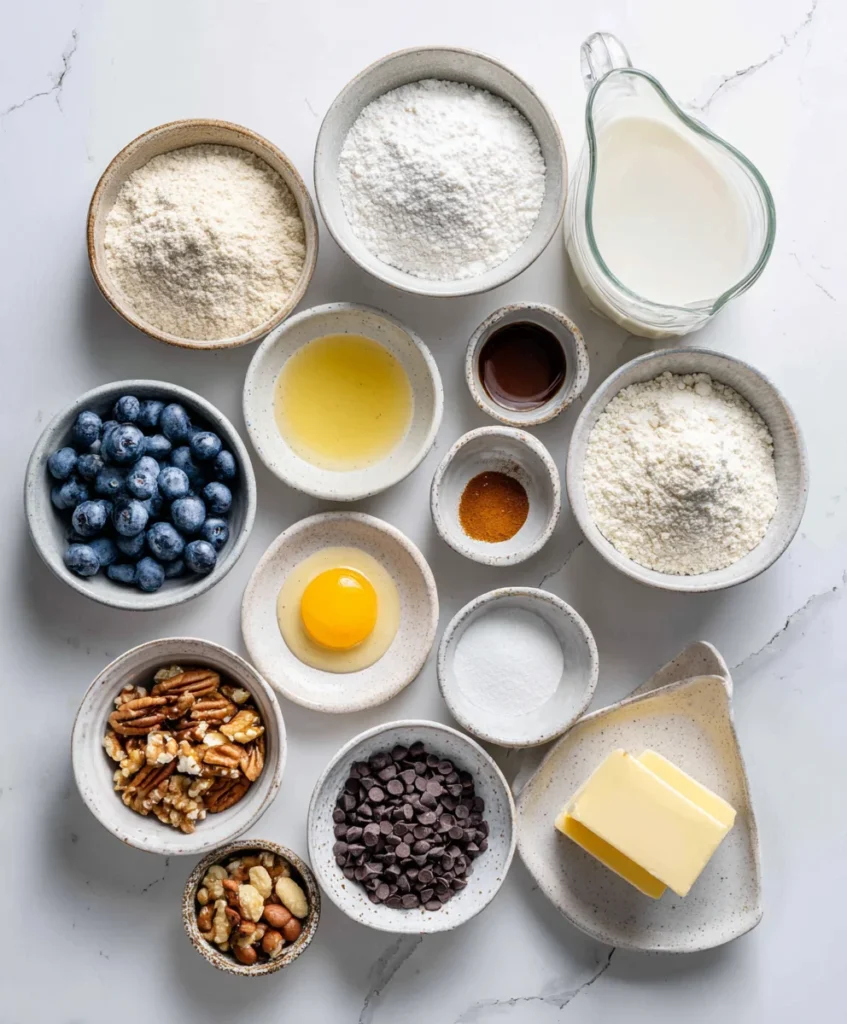
Base Ingredients:
- 1 cup gluten free all purpose flour
- 1 tablespoon sugar
- 2 teaspoons baking powder
- 1/4 teaspoon salt
- 1 large egg
- 3/4 cup milk or dairy free milk
- 2 tablespoons melted butter or coconut oil
- 1 teaspoon vanilla extract
- 1 teaspoon apple cider vinegar
Optional Add-ins:
- Fresh blueberries
- Chocolate chips
- Sliced bananas
- Cinnamon powder
- Chopped nuts
- Maple syrup
- Honey
- Whipped cream
- Fresh strawberries
Step-by-Step Instructions
How I Prepare the Dry Ingredients
I always begin by choosing a reliable gluten free flour blend because the quality of flour directly affects the texture of the pancakes. In my experience, blends that already include xanthan gum produce the softest and most stable results. I whisk together the flour, sugar, baking powder, and salt carefully to ensure the leavening agents distribute evenly throughout the mixture.
This may seem like a small step, but uneven baking powder can lead to pancakes that rise inconsistently. I also avoid scooping flour directly with the measuring cup because that often packs in too much flour, creating dense pancakes. Instead, I spoon the flour gently into the cup and level it off. Taking a little extra care here makes a noticeable difference later. A properly mixed dry base creates the foundation for fluffy gluten free pancakes that cook evenly and maintain their softness beautifully.
? For another easy morning idea, check out our Fluffy Pumpkin Spice Waffles Recipe.
The Way I Mix Wet Ingredients for Better Flavor
In a separate bowl, I whisk together the egg, milk, melted butter, vanilla extract, and apple cider vinegar until smooth and fully combined. I personally love adding vinegar because it reacts with the baking powder and creates extra lightness in the pancakes. It is one of those professional kitchen techniques that quietly improves texture without changing flavor.
I also make sure the melted butter has cooled slightly before adding it so it does not affect the egg mixture. Using room temperature ingredients helps everything combine more evenly and produces a smoother batter overall. Vanilla extract adds warmth and richness that gives the pancakes a comforting homemade aroma while cooking. I whisk only until the ingredients are blended because overbeating can affect the consistency. This stage is where the flavor foundation begins, and balanced wet ingredients are essential for soft, moist, and flavorful gluten free pancakes.
Step 3: My Preferred Batter Technique
When combining the wet and dry ingredients, I always fold the mixture gently rather than aggressively stirring it. In my experience, gluten free pancake batter performs best when handled carefully. I stop mixing as soon as no large dry streaks remain because overmixing removes the air needed for fluffy pancakes. A few small lumps are completely normal and actually beneficial.
One of the most important steps I never skip is allowing the batter to rest for five to seven minutes before cooking. During this time, the gluten free flour absorbs moisture properly, creating a smoother and more cohesive texture. If the batter becomes slightly thick after resting, I simply add a splash of milk to loosen it. When I want additional flavor or texture, I fold in blueberries, chocolate chips, or sliced bananas at this stage. Proper batter preparation consistently delivers pancakes that are soft, airy, and beautifully tender.
How I Control Heat for Perfect Pancakes
Heat control is something I pay close attention to because it greatly affects the final texture of gluten free pancakes. I preheat a nonstick skillet over medium heat and lightly grease it with butter or oil before adding the batter. In my kitchen, I always test the pan first by sprinkling a few drops of water onto the surface. If they sizzle gently, the temperature is ready.
Cooking pancakes over high heat is one of the fastest ways to ruin them because the outside browns before the inside finishes cooking. I use a measuring cup to pour evenly sized portions onto the skillet so the pancakes cook consistently. Leaving space between each pancake allows them to spread naturally without sticking together. Proper heat management creates pancakes with golden edges, soft centers, and an even rise. This careful approach gives the pancakes a professional café style appearance and texture.
My Final Cooking and Serving Method
Once bubbles begin appearing on the surface and the edges start looking slightly dry, I carefully flip each pancake using a thin spatula. I usually cook the second side for another couple of minutes until both sides are beautifully golden brown. One habit I avoid completely is pressing down on the pancakes while they cook because doing so removes the trapped air that keeps them fluffy.
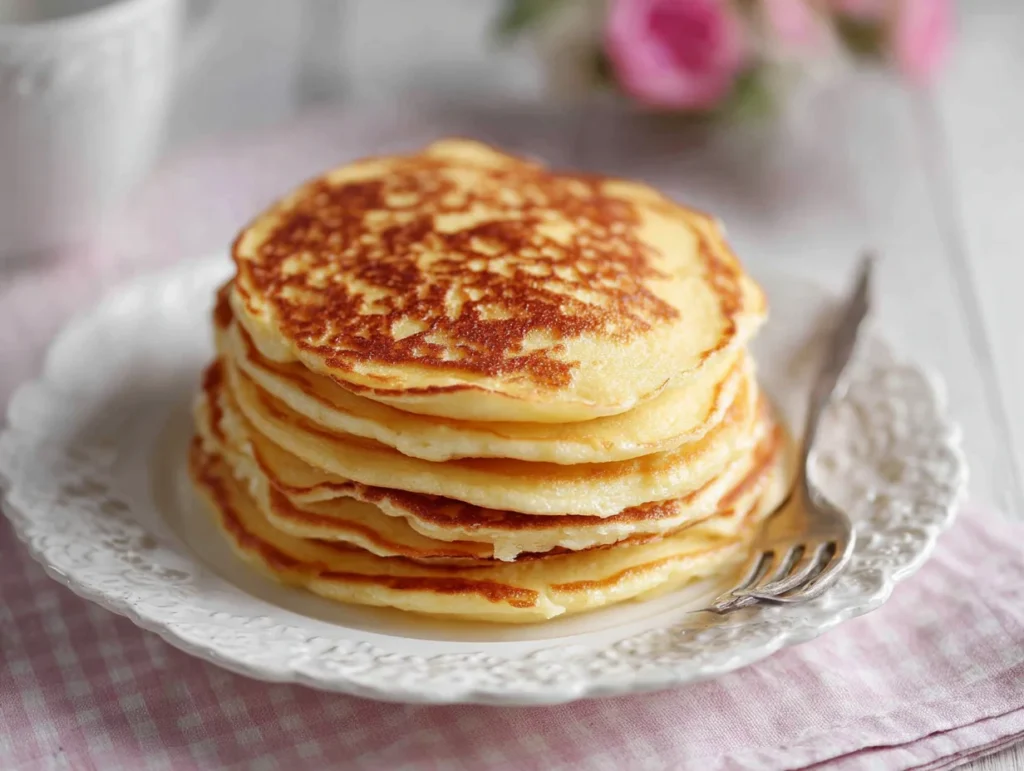
As the pancakes finish, I transfer them onto a warm plate so they stay soft until serving. Personally, I enjoy serving these pancakes with maple syrup, fresh berries, and a small amount of whipped cream for a balanced breakfast presentation. They also pair wonderfully with coffee, smoothies, or tea. Freshly cooked pancakes always have the best texture, with crisp edges and a soft interior. This final cooking method ensures the pancakes remain light, tender, flavorful, and visually appealing every single time.
Cook Time
Total: 25 minutes
Prep: 10 minutes
Bake: 15 minutes
Servings
Whenever I make this recipe for my family or guests, it comfortably serves four people with generous portions. Depending on the size of the pancakes, the recipe can produce around eight medium pancakes that feel satisfying without being overly heavy. I also appreciate how easy the recipe is to scale for larger breakfasts or weekend brunch gatherings.
If I am serving the pancakes alongside eggs, fruit, or smoothies, the same batch can stretch even further. One reason I continue returning to this recipe is that the pancakes remain filling while still feeling light and airy. They work equally well for adults following a gluten free diet and children who simply enjoy soft homemade pancakes. Whether prepared for a quick weekday breakfast or a slower weekend meal, the serving size offers flexibility while maintaining consistent flavor, texture, and quality every time I prepare them.
Makes approximately 8 medium pancakes.
Nutritional Information (approx. per serving)
- Calories: 230
- Protein: 6g
- Carbohydrates: 28g
- Fat: 9g
- Fiber: 2g
- Sugar: 5g
- Sodium: 290mg
What I personally appreciate most about these gluten free pancakes is that they feel comforting without becoming overly heavy. The eggs provide protein that helps create a more satisfying breakfast, while the gluten free flour blend keeps the texture light and easy to digest for those avoiding gluten. I often recommend adding fresh fruit, nuts, or seeds because they naturally increase fiber and nutritional value without compromising flavor.
Compared to many store bought gluten free breakfast products, homemade pancakes also allow much better ingredient control and fewer preservatives. This recipe can easily be adjusted for dairy free diets as well, making it practical for different lifestyles. When paired with yogurt, fruit, or nut butter, these pancakes become a balanced breakfast option that delivers energy, comfort, and excellent texture while still feeling indulgent and homemade.
? If you love soft baked treats, you’ll also enjoy our Moist Banana Cake Recipe.
Storage Instructions
Whenever I prepare extra pancakes, I always allow them to cool completely before storing because trapped steam can quickly make them soggy. I usually place parchment paper between each pancake inside an airtight container to prevent sticking and preserve texture. In the refrigerator, they stay fresh for about three days while maintaining good flavor and softness.
For longer storage, I freeze the pancakes individually on a tray first before transferring them into freezer safe bags. This method makes reheating much easier because the pancakes separate cleanly without breaking apart. When ready to serve again, I reheat them in a toaster, skillet, or microwave until warmed through. I avoid overheating because too much heat can dry them out and reduce their soft texture. Proper storage helps these gluten free pancakes remain fluffy, moist, and convenient for quick breakfasts throughout the week.
Suggestions
Over time, I have experimented with many serving combinations for these gluten free pancakes, and a few simple additions can completely elevate the breakfast experience. Fresh berries and warm maple syrup are always classic choices because they complement the soft texture beautifully. When I want a richer flavor, I sometimes add cinnamon or vanilla bean paste to the batter for extra warmth and aroma.
Greek yogurt also works wonderfully as a topping because it adds creaminess and additional protein. For a more wholesome version, I occasionally fold chia seeds, flaxseed, or chopped nuts into the batter to create extra texture and nutritional value. If serving guests, I like stacking the pancakes neatly with fresh fruit and syrup drizzled over the top for a café style presentation. Small details in flavor and presentation make these pancakes feel more premium, memorable, and visually appealing for breakfast or brunch gatherings.
Seasonal Relevance
One reason I continue making this recipe throughout the year is its flexibility with seasonal ingredients and flavors. During spring and summer, I love pairing these pancakes with fresh strawberries, blueberries, or peaches because they add brightness and natural sweetness. In autumn, adding cinnamon apples or pumpkin puree creates a warm and comforting breakfast perfect for cooler mornings. Winter versions feel especially cozy when served with maple syrup, toasted nuts, and hot coffee or tea.
I also find these pancakes ideal for festive brunches and holiday breakfasts because the recipe adapts so easily to special occasions. The ingredients themselves remain simple and accessible year round, which makes the recipe practical regardless of season. Changing toppings and flavors based on the time of year keeps the pancakes exciting while preserving the same soft texture and reliable quality that make this recipe such a dependable favorite in my kitchen.
After years of testing breakfast recipes, this remains one of my favorite gluten free pancake recipes because it consistently produces soft, light, and flavorful results without complicated techniques. I created this recipe to solve the common texture problems that many gluten free pancakes suffer from, especially dryness and heaviness. By focusing on proper mixing, balanced ingredients, and controlled cooking temperature, these pancakes achieve the kind of fluffy texture people usually expect only from traditional pancakes.
I also appreciate how adaptable the recipe is for different dietary preferences and seasonal ingredients. Whether you are preparing breakfast for family, hosting brunch, or simply treating yourself on a quiet morning, these pancakes deliver comfort and quality in every bite. They are easy enough for beginners yet refined enough to feel professionally made, which is exactly what I believe a truly great homemade breakfast recipe should offer.
? For a sweet breakfast twist, try our Healthy Banana Chocolate Chip Muffins.
Frequently asked questions
1. Can I use almond flour instead of gluten free flour blend?
I generally recommend using a proper gluten free flour blend because almond flour alone creates a much denser texture. If you prefer almond flour, combine it with another gluten free flour and additional binding ingredients. This helps maintain softness while preventing the pancakes from becoming overly fragile or excessively heavy during cooking.
2. Why do my pancakes stick to the pan?
In my experience, sticking usually happens when the pan is either not hot enough or lacks proper greasing. I always preheat the skillet over medium heat and apply a light coating of butter or oil before each batch. A good nonstick pan also makes a noticeable difference in pancake cooking performance.
3. Can I make these pancakes sweeter?
Yes, absolutely. If you prefer sweeter pancakes, I recommend increasing the sugar slightly or adding ingredients like chocolate chips, mashed bananas, or vanilla flavored yogurt on the side. I personally prefer keeping the batter lightly sweet so toppings like maple syrup and fruit remain balanced rather than overwhelmingly sugary.
4. How do I keep pancakes warm while cooking multiple batches?
I usually place cooked pancakes on a baking tray inside a low temperature oven while preparing the remaining batter. This keeps them warm without drying them out. Covering them loosely with foil also helps preserve softness and prevents the edges from becoming too firm before serving.
5. Are these pancakes suitable for meal prep?
Yes, I often prepare extra batches specifically for meal prep because the pancakes store and reheat very well. Once cooled completely, they can be refrigerated or frozen for convenient breakfasts during busy mornings. Proper storage helps maintain their fluffy texture and allows quick reheating without sacrificing overall quality.
Soft, fluffy, and light gluten free pancakes made with a perfectly balanced batter for a tender texture and golden finish. This recipe is designed to avoid common gluten free baking issues like dryness or density, delivering café-style pancakes that are easy to make at home. Ideal for breakfast, brunch, or a comforting weekend treat.