Homemade pizza dough is one of the most valuable recipes any home cook can master. A perfectly prepared dough creates the foundation for crispy crust pizza, artisan-style homemade pies, and restaurant-quality family dinners without relying on processed store-bought alternatives. Whether you are making classic cheese pizza, gourmet toppings, or thin crust pizza recipes, great dough determines the final texture and flavor.
Professional chefs prefer homemade pizza dough because it delivers superior elasticity, flavor depth, and crust structure. With the right balance of flour, yeast, olive oil, and fermentation time, you can achieve the chewy interior and golden crisp exterior commonly associated with authentic pizzeria pizza.
This easy pizza dough recipe is designed for reliability and versatility. It works exceptionally well in standard ovens, pizza stones, cast iron pans, and outdoor pizza ovens. The dough develops rich flavor while remaining simple enough for beginners to handle confidently.
If you are searching for the best homemade pizza dough recipe for meal prep, family pizza nights, or restaurant-quality homemade meals, this recipe offers premium results with practical techniques that consistently improve texture, flavor, and overall baking performance.
Ingredients You’ll Need
One of the best things about homemade pizza dough is how a few inexpensive pantry ingredients can produce a bakery-quality crust with incredible texture, aroma, and flavor that rivals professional pizza restaurants.
Base Ingredients:
- 3 1/2 cups all-purpose flour
- 1 1/4 cups warm water
- 2 1/4 teaspoons active dry yeast
- 1 teaspoon granulated sugar
- 2 tablespoons olive oil
- 1 teaspoon sea salt
- Extra flour for dusting
Optional Add-ins:
- 1 teaspoon garlic powder
- 1 teaspoon Italian seasoning
- 1 tablespoon cornmeal
- 1 tablespoon honey
- 1/4 teaspoon red pepper flakes
- 2 tablespoons grated Parmesan cheese
Step-by-Step Instructions
Activate the Yeast Correctly
Begin by pouring warm water into a large mixing bowl. The ideal temperature is between 105°F and 110°F because yeast activates best in moderately warm liquid. Add sugar and active dry yeast, then stir gently until dissolved. Let the mixture rest undisturbed for 5 to 10 minutes until a foamy layer forms across the surface.
Proper yeast activation is one of the most important steps in homemade pizza dough recipes. If the yeast fails to foam, the dough may not rise properly, resulting in a dense crust instead of the airy, chewy texture associated with authentic artisan pizza dough.
Mix and Knead the Dough
Add olive oil, sea salt, and half of the flour into the activated yeast mixture. Stir until a sticky dough begins to form. Gradually incorporate the remaining flour while mixing continuously until the dough pulls away from the bowl.
Transfer the dough onto a lightly floured work surface and knead for approximately 8 to 10 minutes. The dough should become smooth, elastic, and soft. Proper kneading develops gluten structure, which gives homemade pizza crust its signature chewiness and stretchability while helping create a crisp outer crust during baking.
Let the Dough Rise Fully
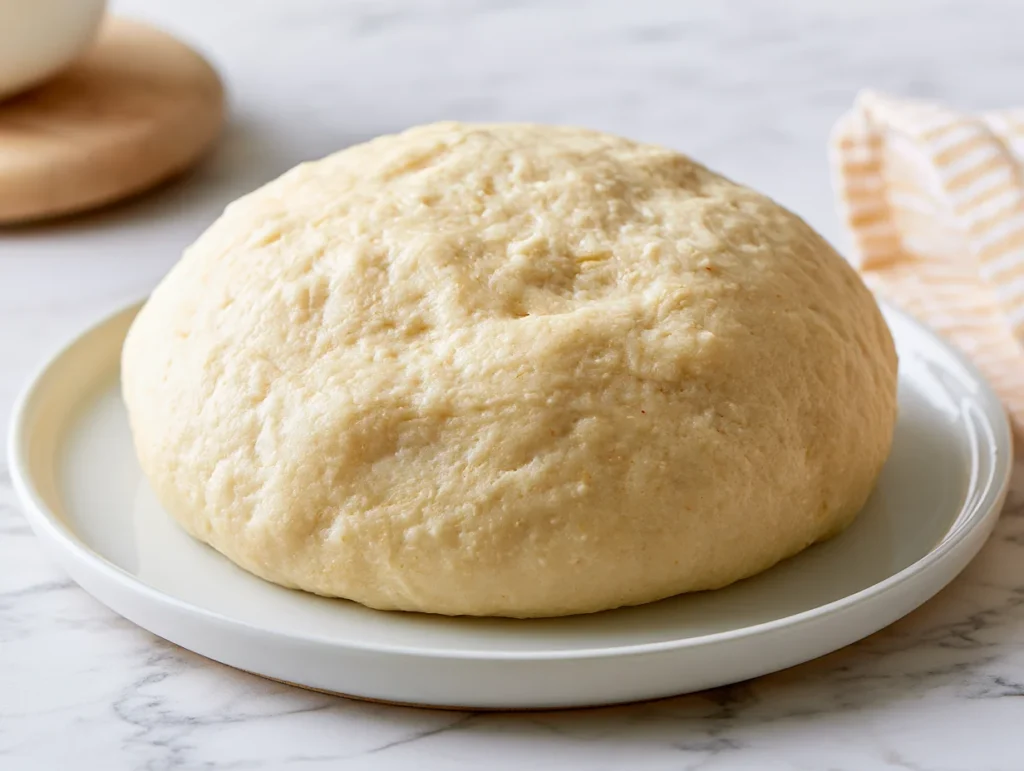
Place the kneaded dough into a lightly greased bowl and cover it with plastic wrap or a clean towel. Allow it to rise in a warm area for 1 to 1 1/2 hours or until doubled in size.
This fermentation stage develops flavor complexity and improves dough texture significantly. Professional pizza chefs understand that patience during rising creates deeper flavor, better elasticity, and improved baking performance. Rushed dough often produces flat flavor and poor texture, even with high-quality ingredients.
Shape and Bake the Pizza
Punch down the risen dough gently to release excess air bubbles. Divide it into portions if making multiple pizzas. Stretch or roll the dough carefully into your preferred crust thickness while avoiding excessive pressure that could remove trapped air.
Transfer the dough onto a pizza stone, baking steel, or prepared baking tray dusted lightly with cornmeal. Add pizza sauce, mozzarella cheese, and toppings of choice. Bake in a preheated 475°F (245°C) oven for 12 to 15 minutes or until the crust becomes golden brown with crisp edges and melted bubbling cheese.
Cook Time
Total:
Approximately 2 hours
Prep:
20 minutes
Bake:
12 to 15 minutes
Servings
This recipe makes approximately 2 medium pizza crusts or 1 large family-size pizza depending on the desired thickness and style. It works well for traditional pizza nights, casual entertaining, or weekly meal preparation.
The dough can easily be adapted for thin crust pizza, deep dish pizza, stuffed crust pizza, or artisan-style homemade pizza recipes. This flexibility makes it one of the most practical dough recipes for serious home cooks.
For larger families or gatherings, the recipe doubles easily without compromising texture or flavor. Extra dough can also be refrigerated or frozen, making future homemade pizza dinners faster and more convenient.
Common Mistakes in This Recipe
One major mistake is using water that is too hot while activating the yeast. High temperatures can damage the yeast and prevent proper fermentation, causing the dough to remain dense and heavy.
Another common problem is adding excessive flour during kneading. Overly dry dough creates a tough pizza crust instead of the soft chewy texture associated with premium homemade pizza recipes.
Skipping adequate kneading time is another issue many beginners face. Weak gluten development causes the dough to tear during stretching and bake unevenly in the oven.
Rushing the rising process also reduces flavor quality significantly. Dough that has not fully fermented lacks elasticity, structure, and the rich bakery-style flavor that defines authentic homemade pizza dough.
Solutions to Common Mistakes
Always check the water temperature before activating yeast. Warm water within the recommended range encourages healthy yeast activity and consistent dough fermentation.
Add flour gradually and only until the dough becomes manageable. Slightly tacky dough often produces better texture and softer interior crumb after baking.
Knead the dough thoroughly until smooth and elastic. Consistent kneading strengthens gluten structure and improves both stretching performance and crust texture.
Allow the dough enough time to rise properly in a warm draft-free environment. Slow fermentation dramatically improves flavor depth, crust texture, and overall pizza quality.
Nutritional Information (approx. per serving)
- Calories: 230
- Protein: 6g
- Carbohydrates: 39g
- Fat: 5g
- Fiber: 2g
- Sugar: 1g
- Sodium: 290mg
Homemade pizza dough allows greater ingredient control compared to commercial pizza crust products. You can manage sodium levels, oil quality, and flour choices more effectively while avoiding unnecessary additives.
Olive oil contributes healthy fats while also improving crust tenderness and browning during baking. It creates richer flavor without requiring processed ingredients or artificial enhancers.
Because the recipe relies on simple pantry ingredients, it remains a cleaner and more natural alternative to heavily processed frozen pizza products commonly found in supermarkets.
Pairing the dough with fresh vegetables, lean proteins, and quality cheese can create a balanced homemade pizza dinner suitable for both family meals and casual entertaining.
Storage Instructions
Store unused pizza dough in an airtight container or lightly oiled bowl covered tightly with plastic wrap. Refrigerate for up to 3 days for improved flavor development and convenience.
For long-term storage, freeze the dough after the first rise. Coat lightly with olive oil and place inside freezer-safe bags for up to 3 months without significant texture loss.
Before using refrigerated or frozen dough, allow it to rest at room temperature for 30 to 60 minutes. Cold dough resists stretching and may shrink excessively during shaping.
If storing baked pizza slices, refrigerate them in airtight containers and reheat in a hot oven or skillet to maintain crust crispness instead of using a microwave.
Suggestions
Use a pizza stone or baking steel whenever possible for professional-quality crust texture. High heat retention creates crisp bottoms and airy crust edges similar to traditional pizzerias.
Experiment with premium toppings like fresh mozzarella, basil, roasted garlic, caramelized onions, mushrooms, or grilled chicken to elevate homemade pizza into a gourmet experience.
Brushing the crust edges with olive oil mixed with garlic powder or Italian herbs before baking creates extra flavor and beautiful golden color around the pizza rim.
For entertaining, prepare smaller personal pizzas so guests can customize toppings individually. Interactive homemade pizza nights create memorable dining experiences while increasing recipe versatility.
Seasonal Relevance
Homemade pizza dough remains highly relevant throughout the year because pizza adapts easily to changing seasonal ingredients and dining preferences.
In spring and summer, lighter toppings such as tomatoes, basil, zucchini, spinach, and fresh mozzarella create vibrant homemade pizza recipes ideal for outdoor gatherings.
During fall and winter, richer combinations like mushrooms, sausage, caramelized onions, roasted garlic, and extra cheese provide warm comforting meals perfect for colder evenings.
Because pizza dough serves as a flexible base for countless ingredient combinations, it remains one of the most dependable year-round homemade comfort food recipes for families and food enthusiasts.
Final Words
Homemade pizza dough is more than just a recipe foundation. It is a skill that transforms ordinary meals into authentic restaurant-style dining experiences with impressive flavor and texture.
The combination of proper fermentation, careful kneading, and quality ingredients creates a crust that is crisp outside, chewy inside, and deeply flavorful throughout every bite.
This recipe is especially valuable because it balances professional-level results with beginner-friendly techniques, making it suitable for both experienced home cooks and first-time pizza makers.
Whether you are preparing family pizza night, gourmet artisan pizza, or practical weekly meal prep, this homemade pizza dough recipe delivers consistent, high-quality results that rival many professional pizzerias.
Frequently Asked Questions
Can homemade pizza dough be refrigerated overnight?
Yes, refrigerating pizza dough overnight is highly recommended for better flavor development. Slow cold fermentation improves texture, elasticity, and overall taste while making the dough easier to handle and stretch during preparation the next day.
Why is my homemade pizza crust tough instead of chewy?
Tough pizza crust usually results from excessive flour, overbaking, or insufficient hydration in the dough. Maintaining a slightly soft dough texture and baking at high heat helps create the ideal chewy yet crisp pizza crust.
Is homemade pizza dough better than store-bought dough?
Homemade pizza dough generally provides fresher flavor, better texture, and greater ingredient control compared to many commercial options. It also allows customization for crust thickness, fermentation time, and dietary preferences while avoiding many unnecessary preservatives.