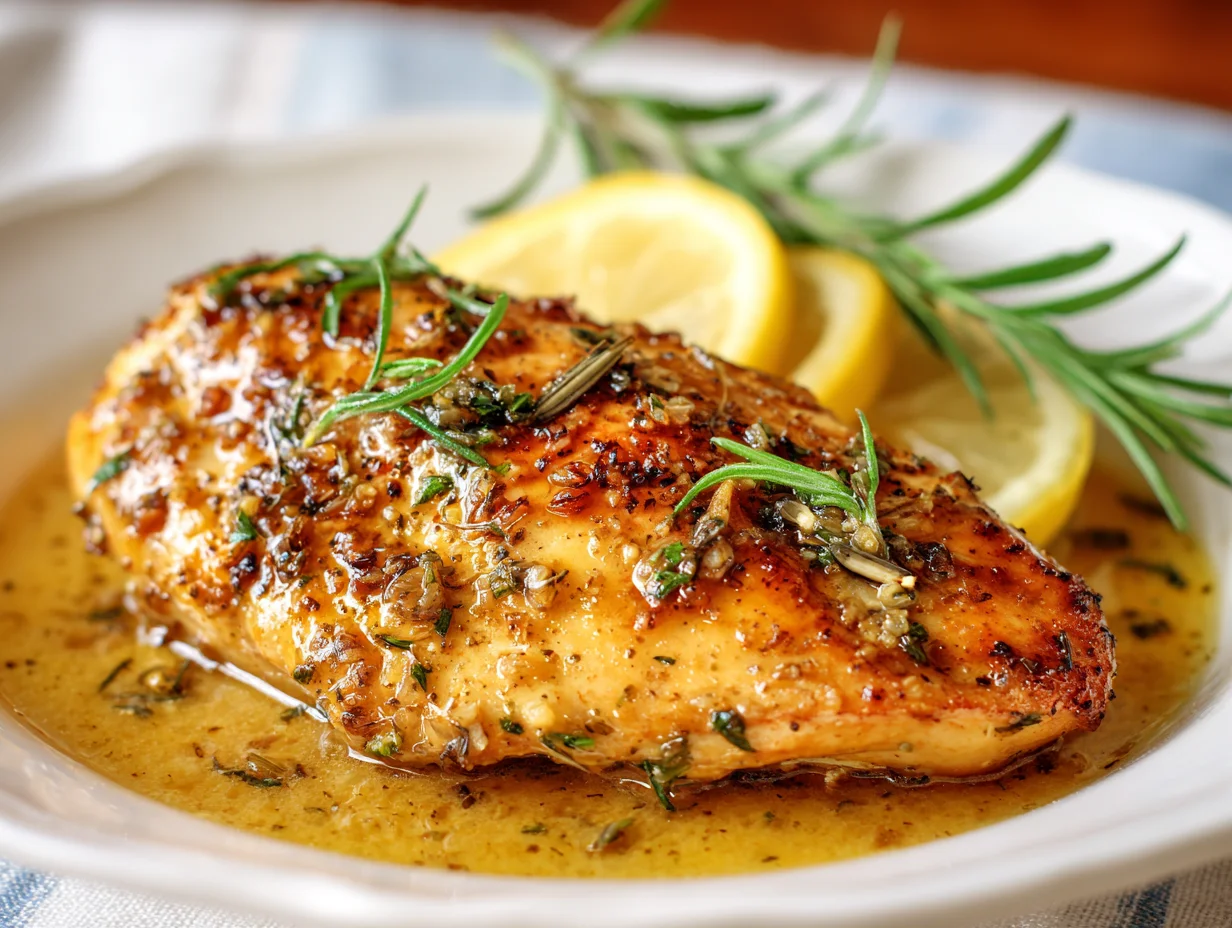
Juicy Lemon Butter Chicken Breast in One Pan is a refined example of how simple culinary principles can be elevated into a restaurant quality experience at home. This recipe is built on precision, balance, and technique, transforming basic chicken breast into a tender, aromatic centerpiece infused with fresh lemon and velvety butter.
The one pan method is intentional, designed to preserve moisture while developing layered flavor through controlled searing and gentle simmering. Rather than relying on complexity, the dish focuses on execution, timing, and ingredient integrity.
The result is a beautifully glazed chicken breast that is both light and indulgent, making it suitable for everyday dining as well as more refined meal presentations where clarity of flavor and texture matter most.
? If you love rich and creamy chicken dinners, you’ll also enjoy our Creamy Chicken Casserole.
The Overcooking Trap That Ruins Juiciness
One of the most frequent technical errors in preparing lemon butter chicken breast is overcooking, which significantly compromises texture and overall quality. Chicken breast, being naturally lean, requires precise heat management, yet many home cooks rely on appearance rather than internal doneness.
This often leads to prolonged exposure to heat, resulting in moisture loss and a fibrous, dry texture. Another contributing factor is excessive flame intensity, which sears the exterior prematurely while leaving the interior inconsistently cooked.
Additionally, neglecting resting time after cooking prevents juices from redistributing properly within the meat. This combination of rushed timing and uncontrolled heat results in a dish that lacks tenderness, even when the sauce is well executed. Understanding this pitfall is essential for consistent culinary results.
The Smart Fix for Perfect Juicy Chicken Every Time
The corrective approach lies in disciplined temperature control and structured cooking methodology. Chicken breast should ideally be cooked over medium heat, allowing gradual heat penetration that preserves internal moisture while achieving a controlled sear.
The use of a thermometer provides accuracy, ensuring the internal temperature reaches the safe threshold without exceeding it. Equally important is the resting phase after cooking, which allows muscle fibers to relax and retain natural juices.
Flattening the chicken to an even thickness prior to cooking also promotes uniform heat distribution, eliminating overcooked edges and undercooked centers. When combined, these techniques establish consistency, ensuring the chicken remains tender while fully absorbing the lemon butter sauce without structural breakdown or dryness.
Ingredients List
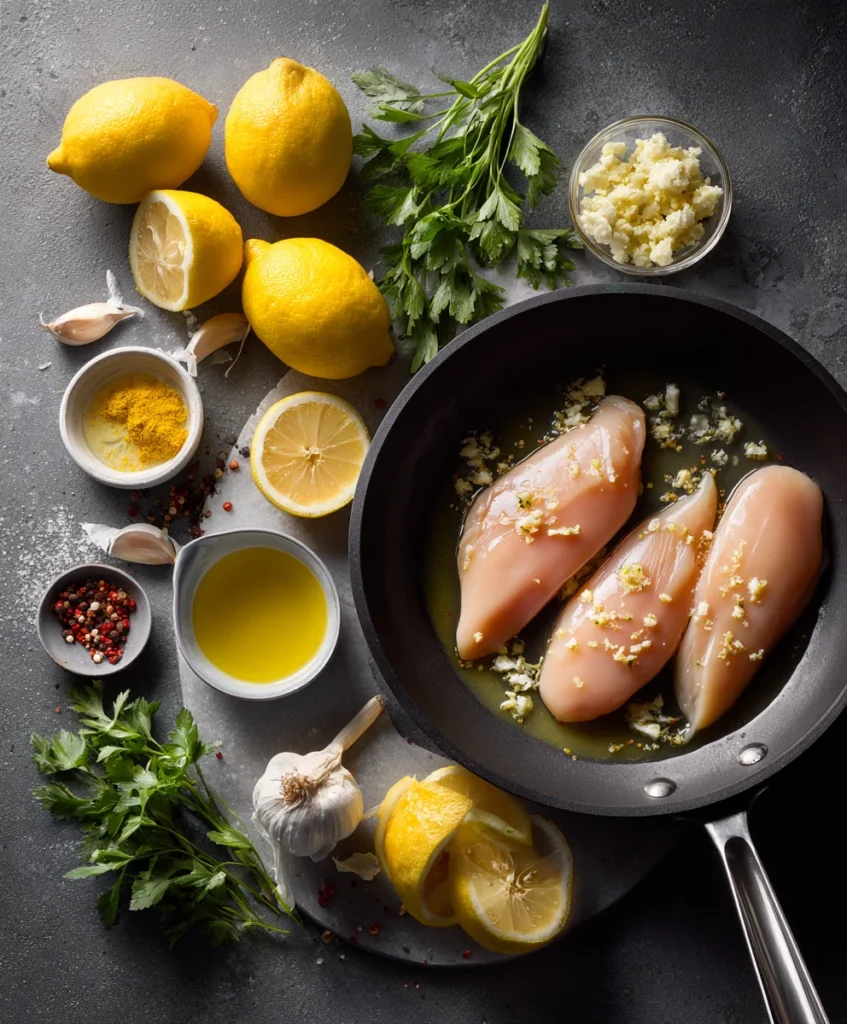
Base Ingredients:
- Boneless, skinless chicken breasts
- Fresh lemons for juice and zest
- Unsalted butter
- Garlic cloves, finely minced
- Olive oil
- Salt
- Freshly ground black pepper
- Chicken stock
Optional Add-ins:
- Fresh parsley
- Chili flakes
- Honey
- Thyme or rosemary
- Parmesan cheese
Step-by-Step Instructions
Preparation and Structural Balance
The process begins with careful preparation of the chicken breasts to ensure uniform cooking performance. Each piece should be trimmed and gently flattened to achieve consistent thickness, which is essential for even heat distribution. Seasoning is applied evenly across the surface, allowing salt and spices to begin subtle penetration into the protein structure. This resting phase is not merely preparatory but functional, as it contributes to flavor development and textural stability during cooking. Simultaneously, all accompanying ingredients should be organized and measured to maintain workflow efficiency. This stage establishes the foundation for controlled execution, reducing the risk of overcooking or imbalance later in the process.
? For another juicy and flavorful chicken idea, try our Oven Roasted Sweet Potatoes paired with Oven Baked Chicken Thighs Recipe.
Controlled Searing Technique
A heavy skillet is heated with olive oil until it reaches a stable medium temperature, ensuring readiness for searing without burning. The chicken is placed carefully into the pan, allowing immediate contact with the heat to form a golden exterior layer. This crust is essential, as it locks in internal moisture while contributing depth of flavor. Each side is allowed sufficient time to develop color without frequent movement, which would disrupt caramelization. Once properly seared, the chicken is temporarily removed to prevent overexposure to heat. This step defines the structural integrity of the dish and sets the stage for sauce integration.
Development of Lemon Butter Sauce
Using the same pan, butter is introduced to capture residual flavor from the searing process. Garlic is gently sautéed until aromatic, ensuring it does not brown excessively, which would introduce bitterness. Fresh lemon juice is then incorporated, followed by a measured addition of chicken stock to create balance between acidity and richness. The mixture is stirred continuously to achieve emulsification, forming a cohesive sauce with a smooth texture. Gentle simmering allows the components to integrate fully, producing a refined flavor profile that is both bright and rounded. This sauce forms the defining character of the dish.
Final Integration and Completion
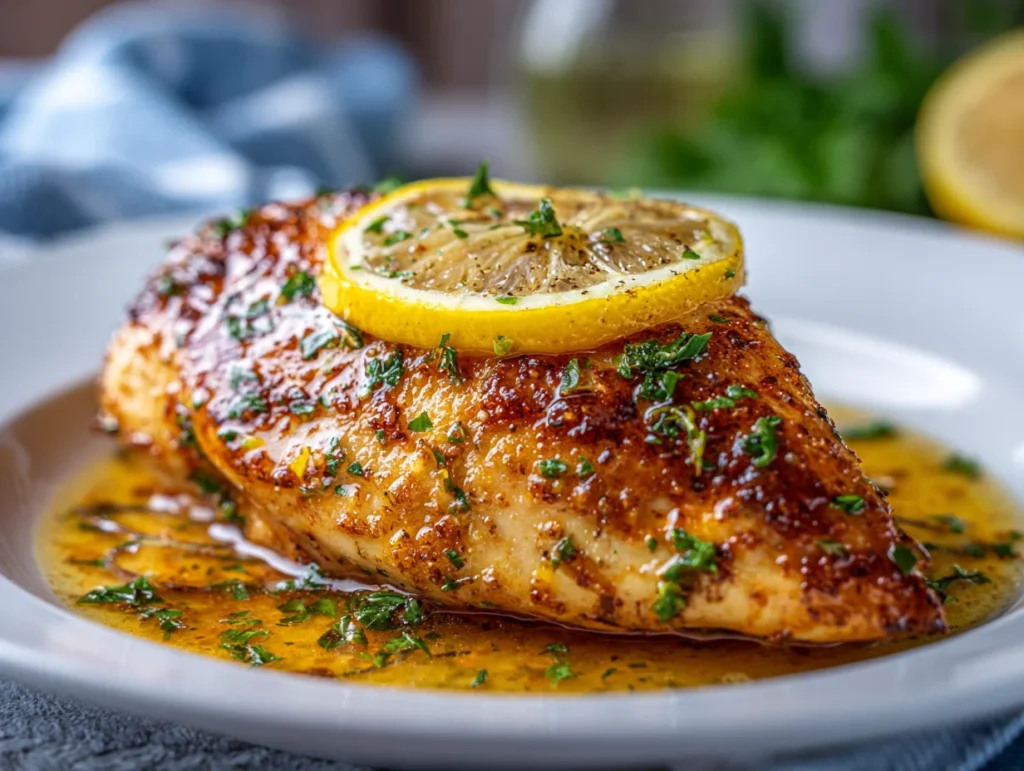
The seared chicken is returned to the pan and placed directly into the prepared sauce, allowing gradual absorption of flavor. The heat is reduced to a gentle simmer to prevent structural damage to the meat while ensuring full cooking completion. The sauce is spooned over the chicken repeatedly, reinforcing flavor layering and visual glaze formation. As the process concludes, the sauce naturally thickens, coating the chicken with a glossy finish. A brief resting period follows, allowing equilibrium between moisture and flavor concentration before serving. This final stage ensures harmony between texture and taste.
Cook Time
Total: 30 minutes
Prep: 10 minutes
Bake: Not required
Servings
This preparation yields approximately four servings and is designed to function as a complete protein centered dish within a balanced meal structure. Each portion delivers a refined combination of lean chicken and emulsified lemon butter sauce, offering both nutritional value and culinary satisfaction. The recipe is suitable for structured family meals or planned weekly preparation, as it maintains integrity upon reheating. Its portioning is intentionally balanced to complement starches and vegetables, allowing flexibility in plating style and dietary preference while maintaining consistent flavor delivery across servings.
Nutritional Information (approx. per serving)
- Calories: 320
- Protein: 35g
- Fat: 16g
- Carbohydrates: 4g
- Fiber: 0.5g
- Sodium: Moderate
From a nutritional perspective, this dish offers a strong protein foundation supported by moderate healthy fats. The lemon component contributes vitamin C and digestive support, while garlic introduces natural antioxidant properties. Butter enhances satiety and flavor depth, making the dish both functional and satisfying. When paired with complex carbohydrates or fresh vegetables, it forms a balanced meal suitable for structured dietary planning and active lifestyles.
? If you prefer quick and healthy meals, don’t miss our Healthy and Delicious Chicken Breast.
Storage Instructions
Proper storage is essential to maintain both safety and quality of lemon butter chicken breast after preparation. Once cooled, the chicken should be transferred to an airtight container and refrigerated promptly to preserve freshness. It is best consumed within three to four days to ensure optimal texture and flavor integrity. Reheating should be conducted gently over low heat, ideally with a small addition of liquid to restore moisture balance. Rapid reheating should be avoided, as it may compromise tenderness. For longer storage, freezing is acceptable, provided the chicken is securely wrapped to prevent freezer burn. Thawing should occur gradually in a refrigerated environment before reheating.
Suggestions
This dish is best presented with complementary sides that enhance its citrus butter profile without overpowering it. Mashed potatoes, steamed rice, or lightly roasted vegetables serve as ideal pairings, as they absorb and balance the sauce effectively. For a lighter presentation, a fresh green salad with a mild vinaigrette provides contrast and freshness. The chicken may also be sliced and repurposed into wraps or grain bowls for secondary meals. Thoughtful plating enhances the overall dining experience, making the dish suitable for both casual and formal settings.
Seasonal Relevance
Lemon butter chicken breast maintains relevance across all seasons due to its adaptable flavor profile. During warmer months, its citrus forward character offers a refreshing and light dining option, particularly when paired with fresh vegetables. In colder seasons, the butter component provides warmth and comfort, aligning with richer meal preferences. Seasonal herbs can be incorporated to reflect availability and enhance freshness. This adaptability ensures the recipe remains consistent in appeal throughout the year, regardless of climate or occasion.
Lemon butter chicken breast prepared in a single pan represents a disciplined yet accessible approach to modern home cooking. Its success lies not in complexity but in controlled technique, ingredient balance, and timing precision. The interplay between citrus brightness and butter richness creates a dish that is both structured and expressive. When executed correctly, it delivers consistent tenderness and depth of flavor, reflecting a thoughtful culinary process. This recipe stands as a reliable foundation for those seeking both efficiency and refinement in everyday cooking.
? For a restaurant style twist on chicken, you’ll love our Restaurant-Style Creamy Tuscan Chicken at Home.
Frequently Asked questions
1. Can this recipe be adapted for meal prep use?
Yes, it adapts well to meal preparation due to its stable texture and flavor retention. Once cooked and cooled properly, it can be portioned and stored for several days. Gentle reheating ensures the sauce remains intact and the chicken retains moisture without degradation in quality.
2. What type of pan is most suitable for this dish?
A heavy bottom skillet, preferably stainless steel or cast iron, is ideal. These materials provide even heat distribution and support proper searing. This ensures flavor development while preventing hot spots that could lead to uneven cooking or burning of the sauce components.
3. Is it necessary to use fresh lemon?
Fresh lemon is strongly recommended, as it provides natural acidity and aromatic oils that bottled alternatives cannot replicate. The freshness directly impacts the brightness and balance of the sauce, which is central to the overall flavor structure of the dish.
4. How can I prevent the sauce from separating?
Maintaining moderate heat and continuous stirring helps stabilize the emulsion. Adding butter gradually and avoiding rapid boiling ensures the fat and liquid components remain unified. Temperature control is essential for maintaining a smooth and cohesive sauce texture.
5. Can this dish be made ahead of time for guests?
Yes, it can be prepared in advance, but it is best finished shortly before serving. Reheating should be done gently to preserve texture and sauce integrity. Final simmering just before serving restores freshness and enhances presentation quality.