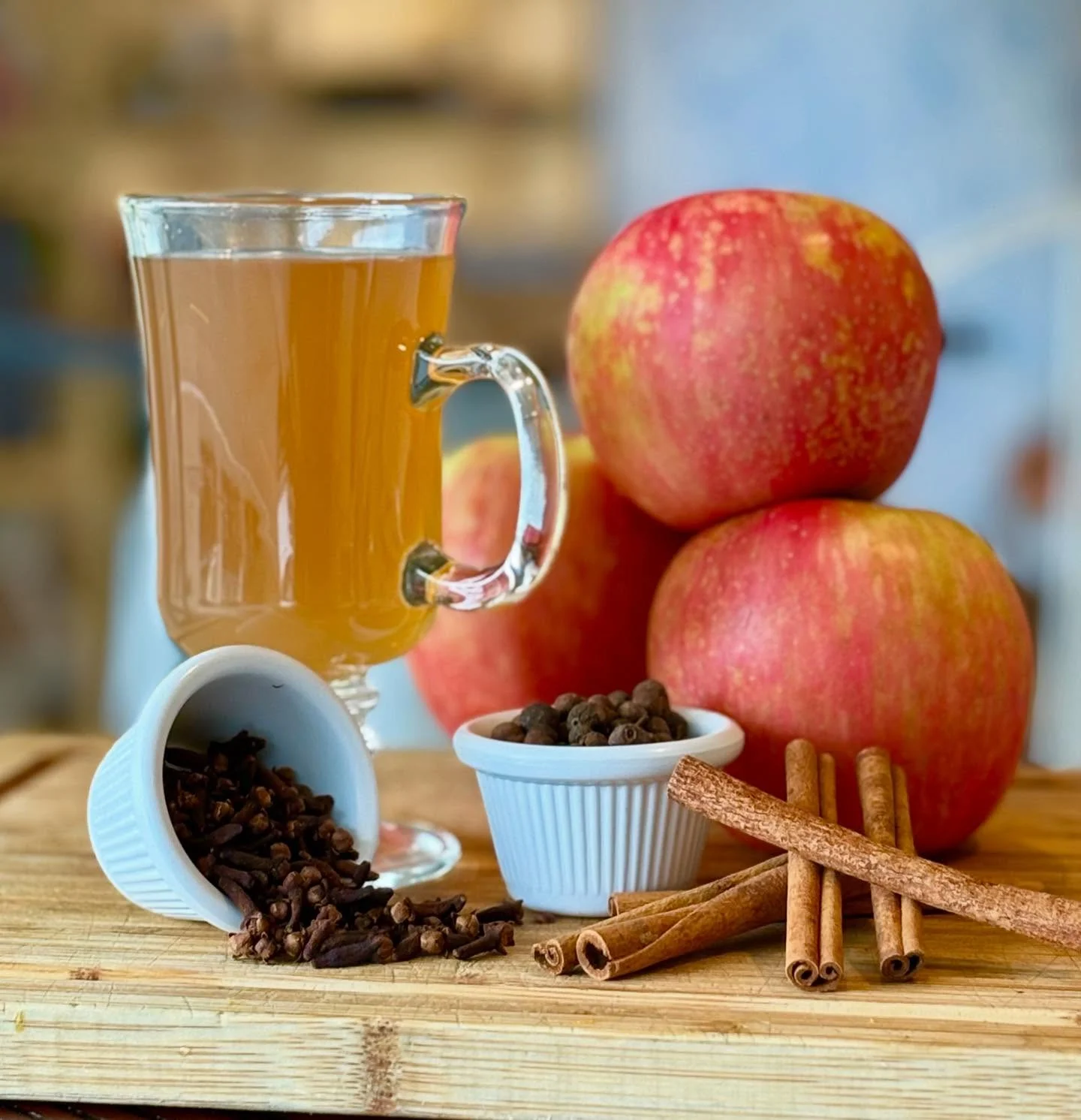
There is a particular kind of cold that only a mug of simmering apple cider can answer. Not the sharp, quick warmth of coffee, but something slower and deeper, built from cinnamon sticks softening in bubbling juice and orange peel releasing its oil into the steam. This is a drink that fills a kitchen before it ever fills a cup.
Spiced hot apple cider has been a cool-weather staple for generations, and for good reason. It requires no special equipment, no advanced technique, and no rare ingredients, yet it delivers a depth of flavor that tastes like it took hours of careful work. A few whole spices and a pot of good apple cider do most of the heavy lifting.
What sets this version apart is balance. Too many recipes drown the apple flavor under cinnamon or oversweeten with added sugar. Here, the spices are measured with restraint, allowing the natural tartness and sweetness of the cider to remain the star, with warmth layered gently around it.
Whether you are hosting a holiday gathering, warming up after time outdoors, or simply craving something comforting on a quiet evening, this recipe delivers a reliably delicious result every time, with minimal cleanup and maximum aroma.
Ingredients You’ll Need
Good spiced cider does not hide behind a long ingredient list; it earns its flavor from a handful of honest, well-chosen staples that most kitchens already have on hand. One of the things I love about this recipe is that it uses simple pantry ingredients. You probably already have most of them in your kitchen.
Base Ingredients
- 8 cups apple cider (or unfiltered apple juice)
- 3 cinnamon sticks
- 4 whole cloves
- 2 whole star anise
- 1 orange, sliced into rounds
- 1 tablespoon fresh lemon juice
- 2 tablespoons brown sugar (optional, to taste)
- 1 pinch salt
Optional Add-ins
- 1/4 cup bourbon or dark rum (for an adult version)
- 1 tablespoon maple syrup
- 3 slices fresh ginger
- 1/2 teaspoon ground nutmeg
- 1 vanilla bean pod, split
- 1 apple, thinly sliced, for garnish
Step-by-Step Instructions
Step 1: Combine the Base
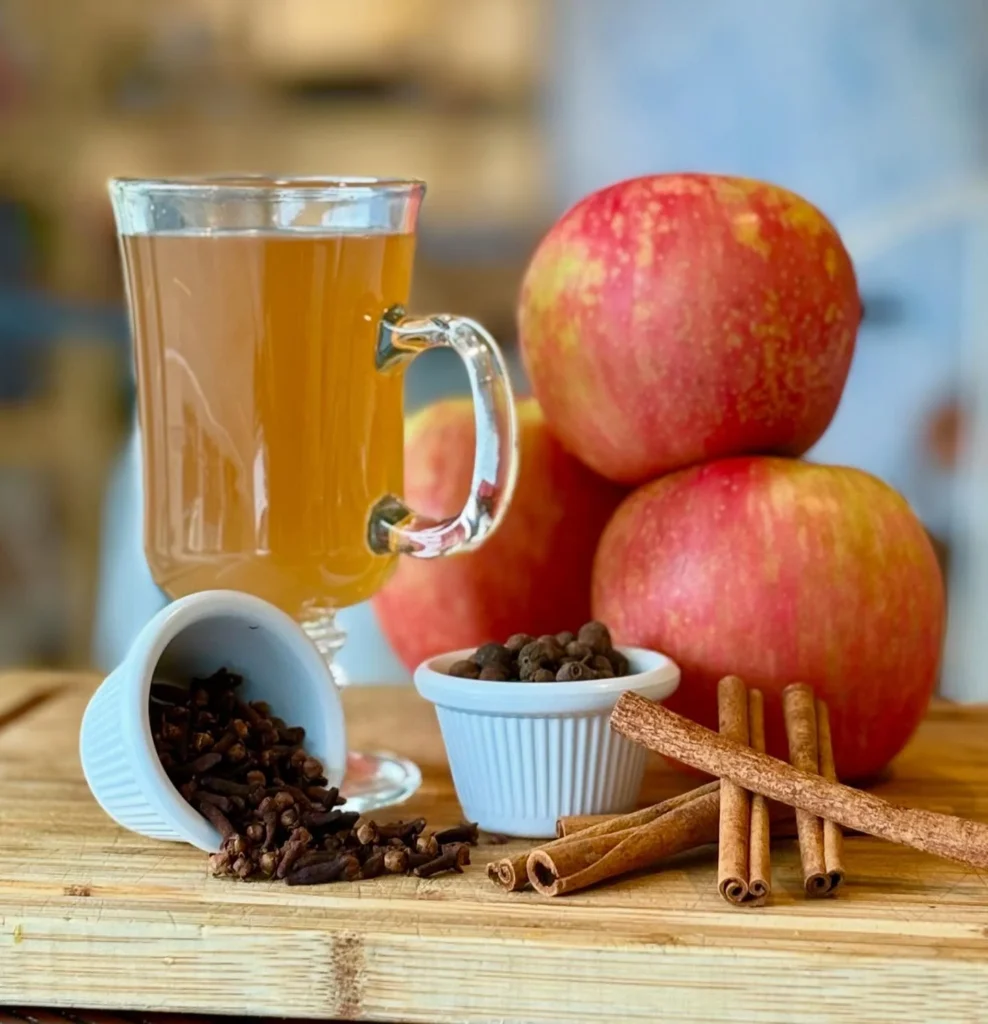
Pour the apple cider into a large stockpot or Dutch oven set over medium heat. Add the cinnamon sticks, cloves, and star anise directly into the liquid so their oils can begin releasing right away. Stir once to distribute the spices evenly, then let the mixture come up to a gentle simmer slowly. Avoid rushing this stage with high heat, since a slow warm-up draws out fuller, rounder spice flavor rather than a sharp, one-note bite.
Step 2: Add the Citrus
Once the cider reaches a low simmer, slide in the orange rounds and stir in the fresh lemon juice. The citrus brightens the drink and keeps the sweetness from becoming heavy or cloying. If using ginger slices or a vanilla bean, add them now as well. Reduce the heat slightly so the pot holds a quiet, steady simmer rather than a rolling boil, which can make the cider taste flat and cooked-out.
Step 3: Let It Simmer
Cover the pot partially and let the cider simmer gently for 25 to 30 minutes. This resting time is where the real transformation happens, as the spices steep and the kitchen fills with aroma. Stir occasionally and taste around the halfway mark. If you prefer a sweeter cup, stir in the brown sugar or maple syrup now, adjusting gradually rather than all at once to keep control of the final balance.
Step 4: Strain and Serve
Turn off the heat and remove the cinnamon sticks, cloves, star anise, and orange rounds using a slotted spoon, or strain the entire batch through a fine mesh sieve into a clean pot for a smoother pour. Ladle the hot cider into mugs immediately while it is steaming. Garnish with a fresh cinnamon stick, a thin apple slice, or a light dusting of nutmeg for a finished, café-style presentation.
Cook Time
Total:
40 minutes
Prep:
10 minutes
Bake:
Not applicable (stovetop recipe)
Servings
This recipe makes approximately 8 servings, with each portion measuring roughly one cup. It is proportioned generously for gatherings, though it scales easily up or down depending on your crowd. Doubling the batch works well for holiday parties, since the spices hold their strength even in a larger pot.
Because the cider is served hot and meant to be sipped slowly, portions tend to be smaller than a typical cold beverage serving. A one-cup mug feels satisfying without being overwhelming, especially when guests are likely to return for a second helping throughout the evening.
If you are serving this alongside other warm drinks or a dessert spread, consider offering smaller half-cup pours in a punch bowl setup. This keeps the cider hot longer and allows guests to sample it alongside other options without committing to a full mug each time.
Common Mistakes in This Recipe
The most frequent misstep is boiling the cider hard instead of simmering it gently. A rolling boil cooks off the delicate aromatics from the spices and citrus, leaving behind a flatter, less fragrant drink. Patience at a low simmer matters more than most people expect.
Another common issue is oversweetening early. Many cooks add sugar or maple syrup at the start, before the natural sweetness of the apples has had a chance to concentrate through simmering, resulting in a cider that tastes syrupy rather than balanced.
Using pre-ground spices instead of whole ones is a subtle but real mistake. Ground cinnamon and cloves cloud the liquid and can turn gritty, while whole spices infuse cleanly and are easy to remove before serving.
Finally, skipping the citrus is an underrated error. Without lemon or orange, the cider can taste one-dimensional and overly sweet, lacking the brightness needed to balance the warm spice notes properly.
Solutions to Common Mistakes
To avoid a flat-tasting cider, keep the heat low once the pot reaches a simmer, watching for small, steady bubbles rather than a vigorous boil. A heavy-bottomed pot also helps distribute heat evenly and prevents scorching along the base.
For sweetness, taste the cider only after it has simmered for at least fifteen minutes, once the apple flavor has had time to concentrate. Add sugar gradually in small increments, tasting between additions until the balance feels right.
Always reach for whole cinnamon sticks, cloves, and star anise rather than ground versions. They are easy to find in the spice aisle, infuse more cleanly, and can simply be lifted out with a slotted spoon before serving.
Do not skip the citrus. A tablespoon of fresh lemon juice or a few orange rounds added during the simmer will sharpen the flavor and keep the cider from tasting overly sugary or heavy on the palate.
Nutritional Information (approx. per serving)
- Calories: 120
- Carbohydrates: 30g
- Sugars: 26g
- Fiber: 1g
- Protein: 0.3g
- Fat: 0g
- Vitamin C: 10% of daily value
This spiced cider offers more than comfort in a cup; it carries genuine nutritional value from real fruit. Apple cider retains natural fiber and antioxidants from the fruit it is pressed from, unlike heavily processed juices stripped of these compounds during filtration.
The citrus added during cooking contributes a meaningful dose of vitamin C, which supports immune function, something especially useful during the cold and flu season when this drink is most often enjoyed.
Cinnamon, the dominant spice here, has long been studied for its potential to help moderate blood sugar response, making a lightly sweetened version of this cider a reasonably balanced treat compared to many holiday beverages.
Because the recipe contains no dairy and no added fat, it remains a lighter option among seasonal drinks, suitable for those managing calorie intake while still wanting something indulgent and warming during colder months.
Storage Instructions
Leftover cider stores well and often tastes even better the next day, once the spices have had extra time to mellow and meld into the liquid. Allow the pot to cool to room temperature before transferring it to storage containers.
Refrigerate the strained cider in an airtight container or sealed glass jar for up to five days. Keeping it strained of solids prevents the spices from becoming overly bitter or intense during the storage period.
For longer storage, spiced cider freezes reasonably well for up to two months. Pour it into freezer-safe containers, leaving an inch of headspace for expansion, and thaw overnight in the refrigerator before reheating gently on the stove.
Reheat leftovers slowly over low to medium heat, stirring occasionally, rather than using a microwave on high power, which can create uneven hot spots and slightly dull the spice flavor compared to a gradual stovetop warm-up.
Suggestions
For a festive twist, serve this cider in a slow cooker set to low during parties, allowing guests to ladle their own mugs throughout the evening while the kitchen stays free for other preparations.
Pair a mug of spiced cider with baked goods that echo its flavor profile, such as spice cake, oatmeal cookies, or a warm slice of apple pie, for a cohesive autumn or winter dessert spread.
Consider offering a small garnish station with cinnamon sticks, orange twists, and a bottle of bourbon or rum nearby, letting guests customize their own mug according to personal taste and occasion.
If serving to a mixed crowd of adults and children, keep the base pot alcohol-free and offer the bourbon or rum separately, so everyone can enjoy the same comforting base cider safely.
Seasonal Relevance
Spiced apple cider is, without question, a cold-weather signature, closely tied to autumn harvests and winter holiday tables. Apple orchards reach peak cider production in fall, making this the ideal season for the freshest, most flavorful base liquid.
Beyond flavor timing, this drink carries strong seasonal associations with holiday gatherings, from Thanksgiving to Christmas markets, where its aroma of cinnamon and citrus has become almost synonymous with festive hospitality.
That said, the recipe adapts well to early spring evenings when temperatures still dip after sunset, offering warmth without feeling out of place once the heaviest holiday season has passed.
For year-round enjoyment, this cider also makes a thoughtful addition to a cozy movie night or a chilly camping trip, proving its appeal reaches beyond any single calendar month or festive occasion.
Final Words
Few recipes reward simple effort as generously as spiced hot apple cider. With a handful of whole spices and a pot of good cider, the result feels far more sophisticated than the short ingredient list suggests.
This is a recipe worth keeping on repeat rotation through the colder months, adaptable enough for a quiet solo mug or a full holiday gathering, and forgiving enough for cooks of any experience level to master quickly.
What makes it memorable is restraint: letting the apple flavor lead while spices and citrus support rather than overwhelm. That balance is what separates a forgettable cider from one guests ask about by name.
Keep this recipe close as the weather turns, and do not hesitate to make it your own with the optional add-ins suggested above, tailoring it to whatever mood or occasion the season brings.
Frequently Asked Questions
Can I make this cider in a slow cooker instead of on the stovetop?
Yes. Combine all base ingredients in a slow cooker set to low for three to four hours, or high for two hours, stirring occasionally. This method works especially well for parties, keeping the cider warm and ready to serve throughout the event.
Is apple cider the same thing as apple juice for this recipe?
Not exactly. Apple cider is unfiltered and slightly cloudy, with a fuller flavor than clarified apple juice. Cider is preferred here for its richer taste, though apple juice can be substituted in a pinch with slightly less depth.
Can this recipe be made ahead of time for a party?
Absolutely. Prepare the cider fully, strain out the solids, and refrigerate up to two days ahead. Reheat gently on the stovetop or in a slow cooker before serving, and the flavor will taste just as fresh as day one.
